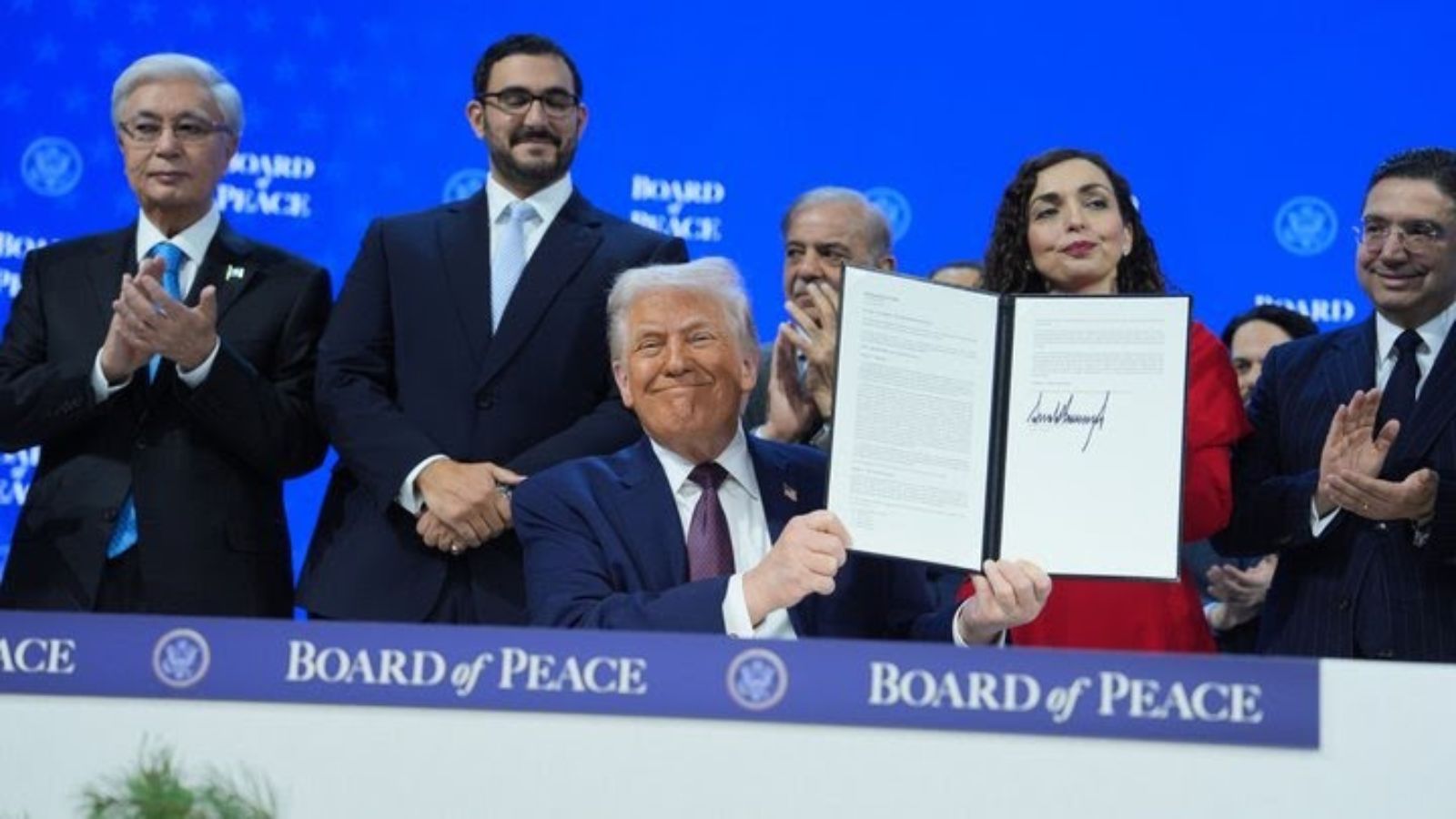


US President Donald Trump officially signed the charter to launch his “Board of Peace” initiative at the World Economic Forum in Davos. According to CNN, the body originated from a 20-point Gaza ceasefire plan but has now expanded into a global mandate. The initiative faces scrutiny over its unique membership structure and the potential to bypass United Nations functions.
Expansion of the Gaza Mandate
The Board of Peace started as a localized effort to secure a permanent ceasefire in Gaza. However, Trump’s administration has transformed it into a permanent international organization. Speaking at the ceremony, Trump stated: “We’re going to have peace in the world, and we’re all stars.”
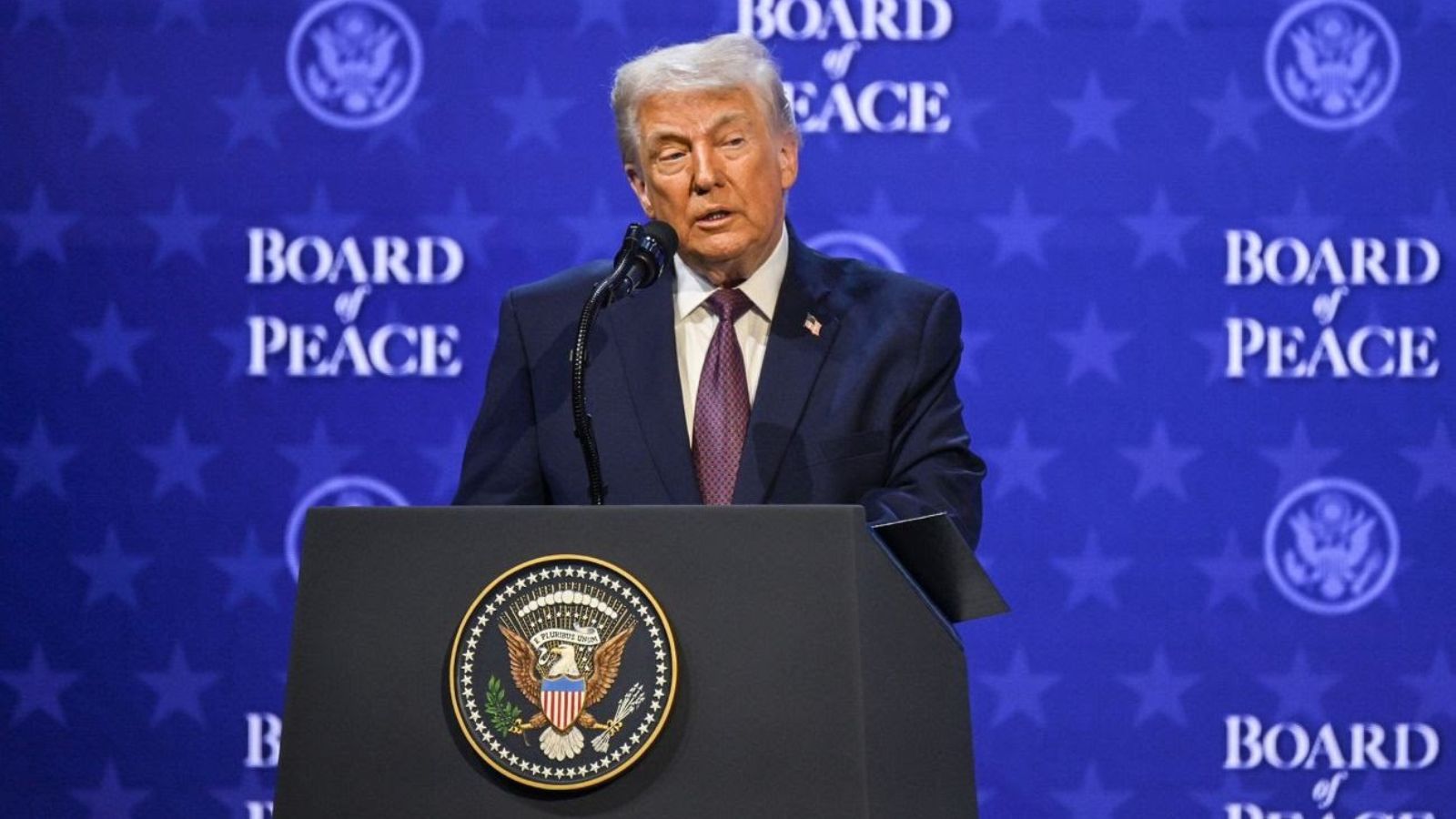
US Secretary of State Marco Rubio clarified that while the board’s immediate priority remains the endurance of the Gaza deal, its scope is now worldwide.
The organization operates under a distinct financial and leadership structure. According to reports from Bloomberg and Reuters, the United States is offering other nations the opportunity to “purchase” a permanent seat on the Board for a contribution of $1 billion. Without this payment, membership is reportedly limited to a three-year term subject to the Chairman’s renewal. Notably, the charter names Donald Trump as the permanent chairman for life. While thirty-five nations have already joined, many traditional European allies, including France and Norway, declined the invitation, citing concerns over the undermining of the UN Charter.
Controversial Inclusions and Global Reactions
The ceremony in Davos featured leaders from the Middle East and South America, including representatives from Saudi Arabia, Qatar, and Argentina. Trump defended his decision to invite controversial figures like Vladimir Putin and Aliaksandr Lukashenka. He argued that he wants “everybody” who is powerful enough to “get the job done.” Moscow indicated it might use frozen Russian assets to pay the $1 billion membership fee.
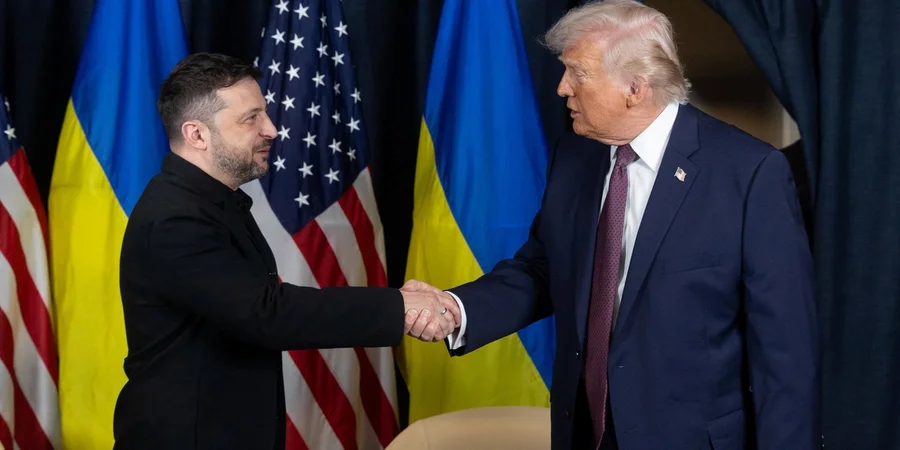
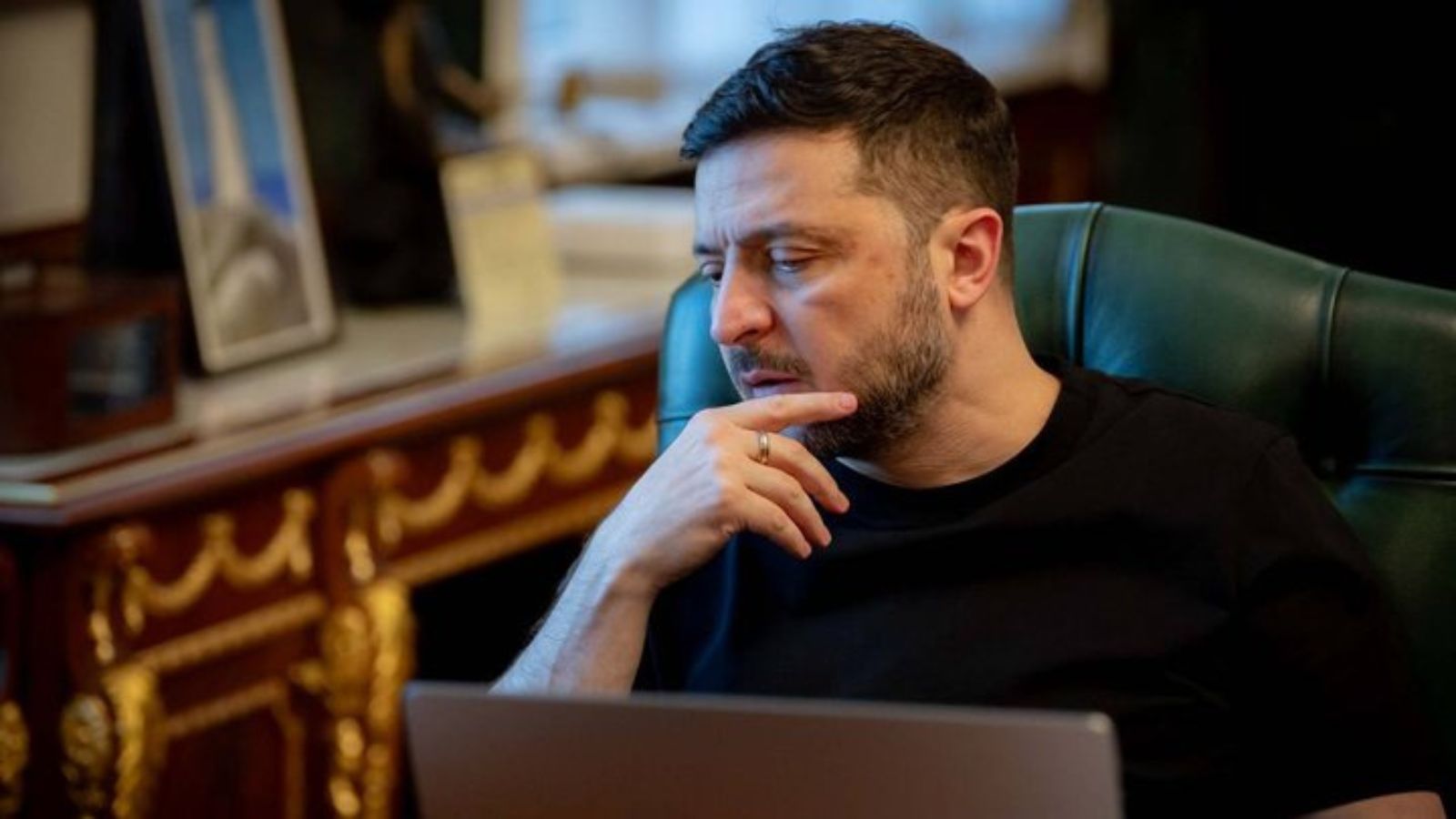
Ukraine also received an invitation to join the body. President Volodymyr Zelenskyy expressed skepticism regarding shared membership with Russia.
“It is very difficult for me to imagine how we and Russia can be together in one board or another,” Zelenskyy noted.
Meanwhile, the UK refused to sign the treaty during the ceremony, citing the invitation extended to the Russian leader as a primary reason for their absence.
Conclusion
The launch of the Board of Peace marks a significant shift in American foreign policy toward transactional diplomacy. By offering permanent seats for a high fee and centralizing power under a lifetime chairman, the initiative challenges the traditional role of the United Nations. Whether this body can transition from a ceasefire task force to a stable global arbiter remains a subject of intense international debate.