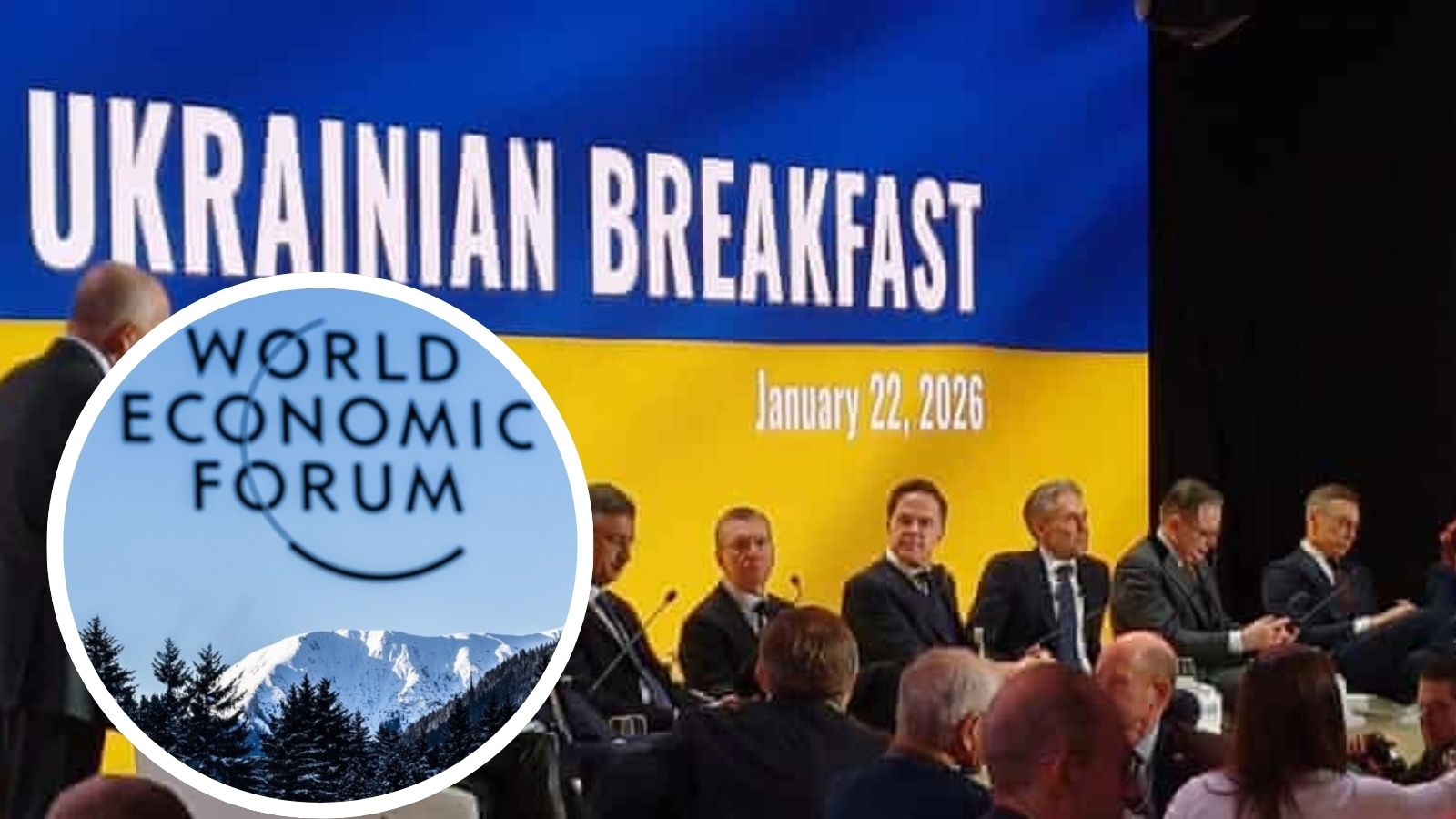


Ukrainian and Western officials gathered at the annual Ukrainian Breakfast in Davos on January 22 to discuss pathways to ending the war. Participants emphasized that maintaining a steady flow of military assistance remains the only way to secure a lasting peace. U.S. envoy Steve Witkoff also announced an immediate diplomatic mission to Moscow to push for a resolution.
Strategic Participants and Diplomatic Moves
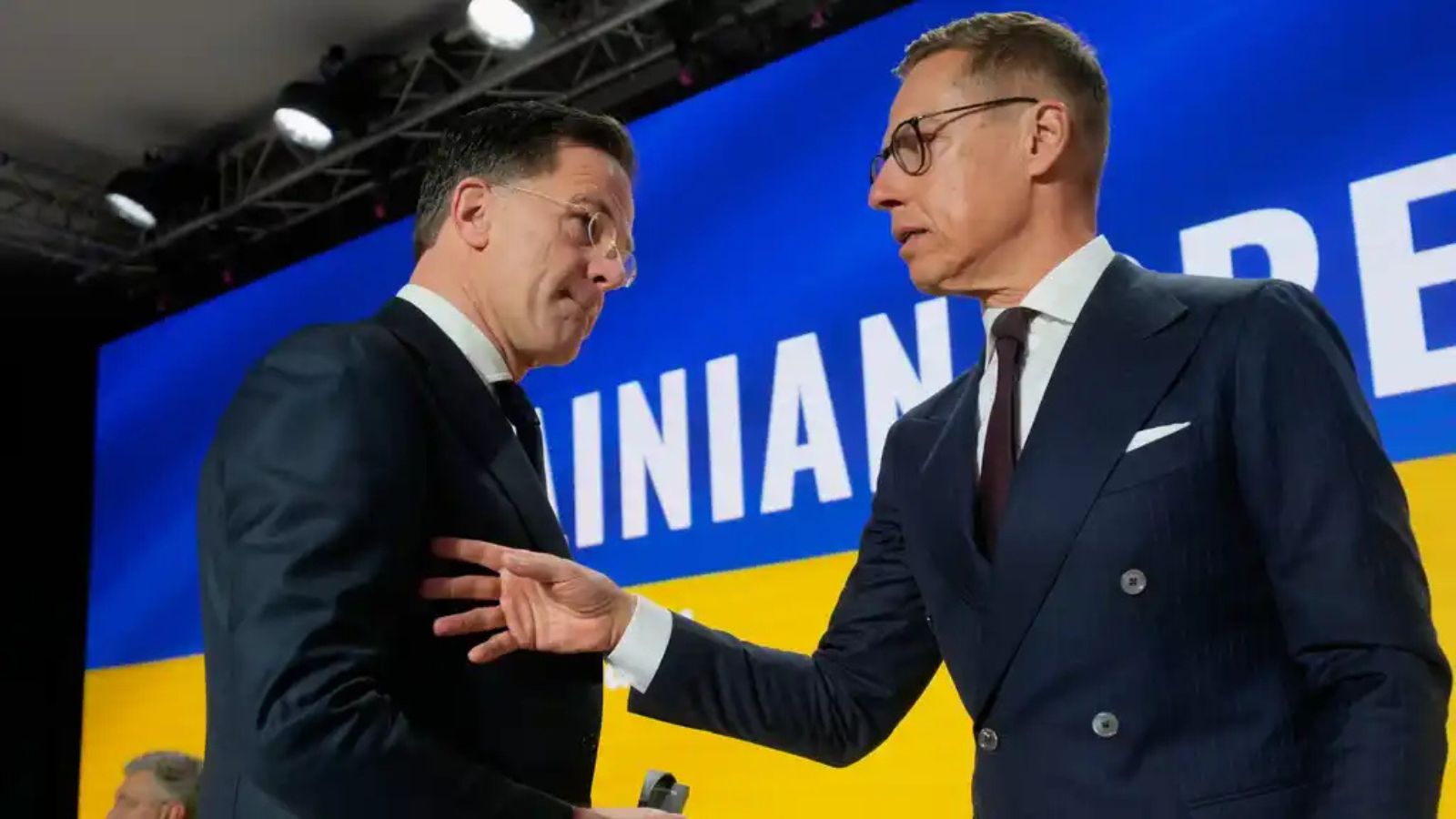
The event, hosted by the Victor Pinchuk Foundation and EastOne, focused on ending the full-scale war and addressing broader European challenges. Key speakers included NATO Secretary General Mark Rutte, Latvian President Edgars Rinkēvičs, Finnish President Alexander Stubb, Dutch Prime Minister Dick Schoof, Croatian Prime Minister Andrej Plenković, and others. During the session, U.S. envoy Steve Witkoff confirmed his departure for Moscow on Thursday evening. Witkoff described the peace process as being at the “finish line” and planned subsequent meetings in the UAE to finalize working group details.
Military Realities and International Law
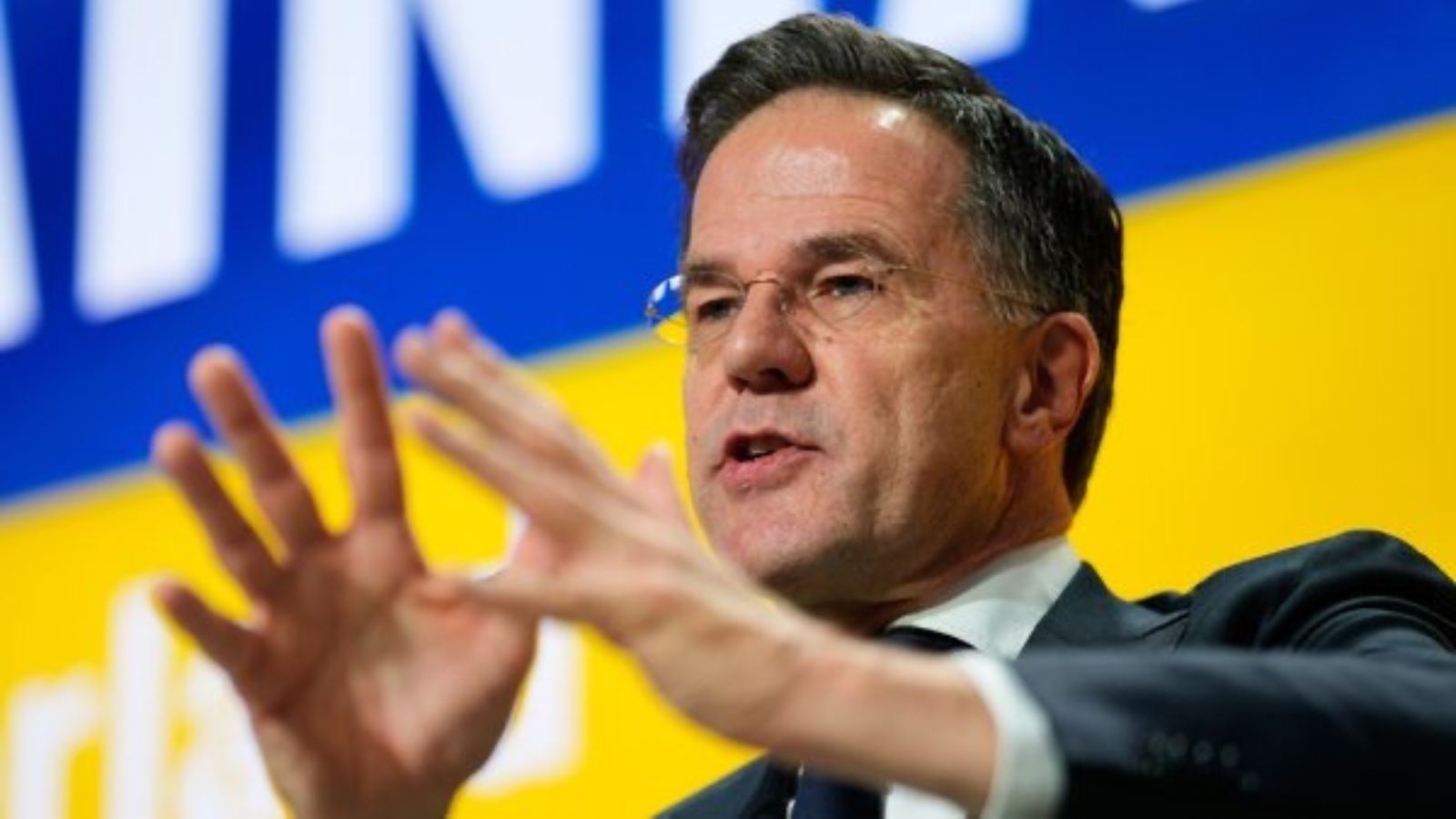
NATO Secretary General Mark Rutte stated that Russia remains the primary adversary. He specifically reminded attendees not to be distracted by the diplomatic row over Greenland. Rutte insisted that Ukraine requires consistent supplies of interceptors to protect infrastructure from ongoing attacks.
Yurii Filatov, commander of the Third Army Corps’ drone battalion, offered a more critical perspective during the forum. He noted that current discussions mirror the atmosphere of December 2021, just before the full-scale invasion.
“And now we are in a situation where international law does not work,” Filatov emphasized.
European Integration and Global Influence
Finnish President Alexander Stubb stated that Vladimir Putin failed in his attempt to make Ukraine Russian, and emphasized that Ukraine will inevitably join the European Union. He noted that Russia’s attempts to project power in Central Asia and the Southern Caucasus are not a success.
Latvian President Edgars Rinkēvičs added that Ukraine’s accession would significantly strengthen the bloc’s security identity. Regarding reconstruction, Belgian Prime Minister Bart De Wever stated that while he supports using Russian assets for reparations, Europe must strictly follow international law to avoid global financial consequences.
Conclusion
The discussions in Davos highlighted a consensus that Ukraine’s future lies within the European Union and NATO. However, leaders acknowledged that achieving this requires overcoming immediate humanitarian crises caused by the deliberate destruction of civilian infrastructure. Ensuring defensible borders and functional energy systems remains the priority for any upcoming peace deal. The international community continues to balance urgent military needs with the long-term legal frameworks for reconstruction and integration.