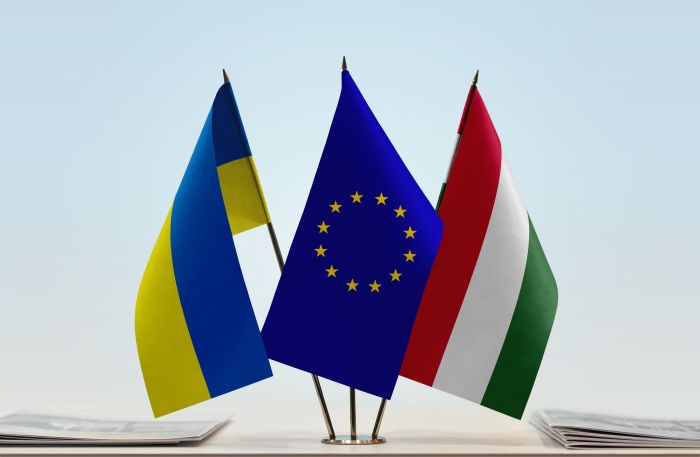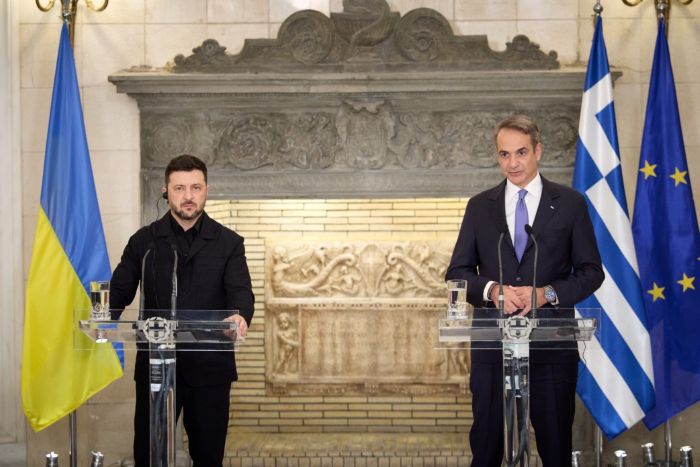


On Sunday, November 16, Ukraine and Greece signed an agreement on the sale of natural gas. This was announced by Ukrainian President Volodymyr Zelenskyy during a joint press conference with Greek Prime Minister Kyriakos Mitsotakis. The construction of a vertical energy corridor and a connecting vision from the port city of Alexandroupolis to Odesa would strengthen regional energy security. According to the agreement, Greece will begin supplying gas to Ukraine in January 2026.
The deal provides for the transportation of liquefied natural gas from the United States via “Route 1,” jointly operated by the transmission system operators of Greece, Bulgaria, Romania, Moldova, and Ukraine.
Greek natural gas operator DEPA also specified that it had signed a declaration of intent with Naftogaz of Ukraine regarding “the supply of natural gas to the Ukrainian market during the winter period from December 2025 to March 2026.”
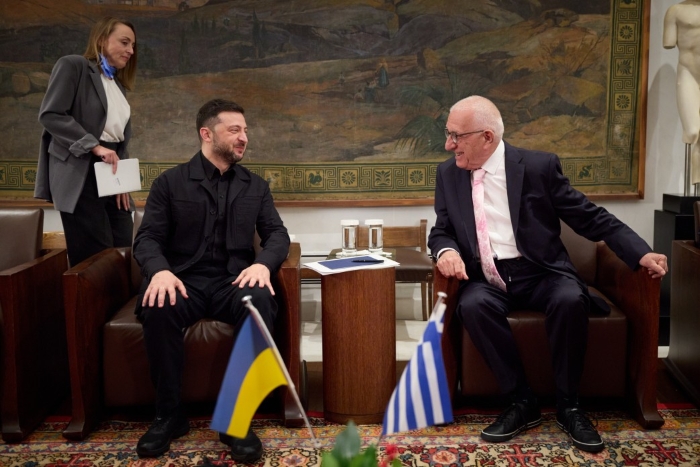
During his visit, Zelenskyy also held a meeting with Nikitas Kaklamanis, President of the Hellenic Parliament. Key topics discussed included ways to achieve a just and lasting peace for Ukraine, as well as the potential influence of China and the United States on Russia in the context of future diplomatic pressure.
Greece and Assistance to Ukraine
In February–March 2022, at the beginning of Russia’s full-scale invasion, Athens responded to calls from Kyiv and European institutions with its first package of humanitarian aid. Medical equipment, medicines, personal protective gear, and other essential supplies were delivered through the European Civil Protection Mechanism to humanitarian centers in Poland and then transported onward to Ukraine.
At the same time, Greece accepted refugees. According to international organizations, more than twenty thousand of Ukrainians have received temporary protection status in 2022.
Military Aid
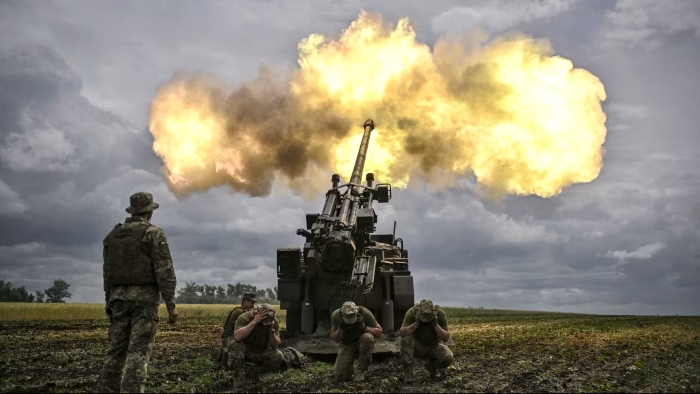
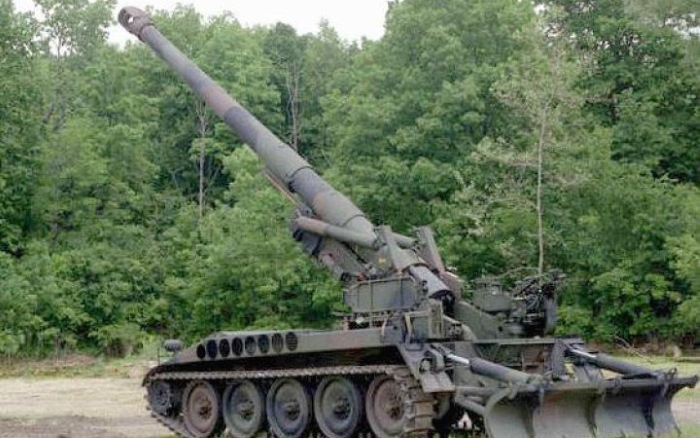
Most of the weapons Greece is transferring to Ukraine are older systems—such as BMP-1 infantry fighting vehicles, M110A2 howitzers, or Zuni rockets. This approach allows Athens to support Ukraine without undermining its own defense capabilities.
Transfers often take place through the so-called Czech “channel.” In practice, this means Greece sends weapons or ammunition to the Czech Republic, which then forwards them to Ukraine as part of a broader European assistance framework.
In October 2025, it was reported that Greece plans to transfer a large package of heavy weapons worth €199 million via the Czech Republic. The package includes:
- 60 M110A2 self-propelled howitzers,
- 50,000 M106 shells,
- 40,000 M650 HERA shells,
- 30,000 M404 ICM shells,
- 30,000 M509A1 DPICM shells,
- and thousands of 70mm and 127mm Zuni rockets.
Although Greece has declined to transfer some of its most critical air-defense systems, such as Patriot or S-300 batteries, the country has maintained a steady flow of munitions and heavy equipment compatible with Ukraine’s battlefield needs.
Conclusion
The new energy cooperation agreement marks an important step toward diversifying energy sources and reducing dependence on Russian supplies—a strategic priority not only for Ukraine but for the entire region and a beneficial deal for the U.S.
At the same time, the visit symbolized a strengthening of defense and political cooperation. While Greece’s military assistance remains cautious due to its own regional security considerations, it is still consistent.