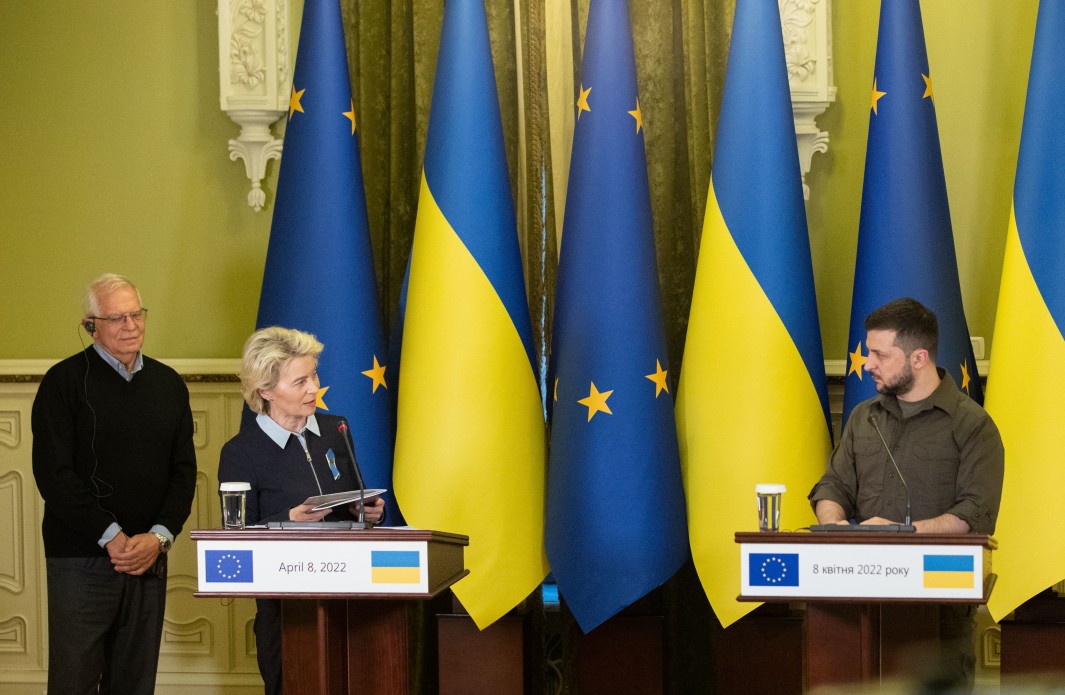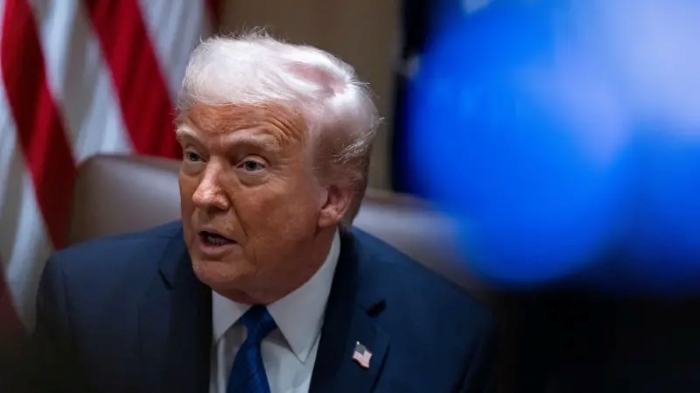


U.S. President Donald Trump sharply criticized European leaders, calling them “weak” and accusing them of lacking resolve on migration and Russia’s war against Ukraine. These statements reflect a broader shift in the U.S. approach toward the European Union.
Roots of the Issue
The first signs of a rupture in the previous model of cooperation emerged in the economic sphere. After Donald Trump returned to the presidency in 2025, Washington adopted an openly protectionist course. The U.S. announced it could impose significant tariffs on several countries, including the EU, arguing that Europe must reduce its trade surplus with the United States.
In response, in early spring 2025 the EU prepared countermeasures and announced plans to introduce tariffs on U.S. goods worth approximately €26 billion. Trade relations, which had long served as a foundation for transatlantic stability, came under severe pressure.
However, by summer 2025 Washington and Brussels reached a temporary compromise: they signed a framework trade agreement establishing a 15% base import duty on most European goods, abandoning previously threatened tariffs of 30% or more. The episode revealed the EU’s vulnerability. Tariff escalation could have reduced EU GDP growth to around 0.7% in 2025, far below earlier projections.
Tensions intensified after the EU imposed a record fine on X. Elon Musk compared the EU to the Third Reich, while U.S. Senator Marco Rubio called the decision “anti-democratic.”
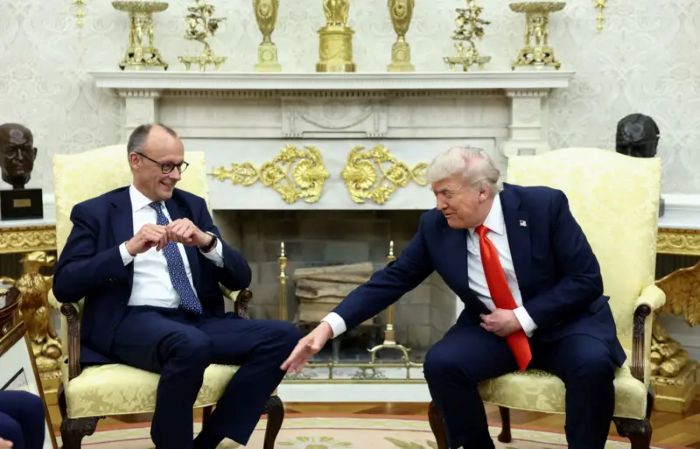
German Chancellor Friedrich Merz stated:
I see no need for Americans to try to save democracy in Europe. If it needed saving, we would be able to handle it on our own.
EU Countries Closest to the U.S.
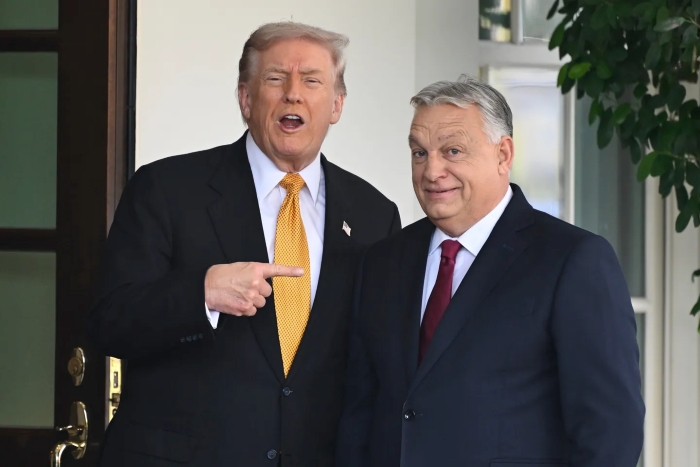
The Trump administration openly appreciates leaders such as Viktor Orbán, a relationship that is mutually reinforcing. Orbán continues to praise Trump and advocate for “simple solutions.”
Ahead of the Alaska summer summit, Orbán wrote to Trump complaining about Ukraine’s alleged attack on the Druzhba oil pipeline, calling it the only route for oil imports to Hungary and Slovakia.
Trump replied:
I don’t like what I’m hearing — it makes me very angry. Tell Slovakia that you are my great friend.
This answer illustrates the general attitude: politicians like Orbán or Slovakia’s Robert Fico are seen by Trump as “realists,” able to use harsh rhetoric, apply censorship and bend legal norms.
And they would receive the U.S. support to stay in power for longer. In October, Trump publicly wished Orbán success in the 2026 elections and expressed confidence that he would surpass his previous result.
Conclusion
The current U.S. administration often positions itself in opposition to European democracies, treating them as fundamentally different. The Western world is no longer a monolithic concept, and European leaders have begun adjusting their tone accordingly.
However, as the BBC noted, some European politicians still avoid provoking President Trump, especially regarding disagreements over achieving peace in Ukraine.
Europe faces a profound challenge: its key partner is drifting away politically, yet strategic and economic dependence persists. Balancing dignity in responses with the need for political flexibility is becoming increasingly difficult.