

The United States has temporarily allowed the purchase of Russian oil already at sea. Washington aims to stabilize global energy markets amid escalating tensions in the Middle East.

Scott Bessent announced the decision.
Details of the Decision
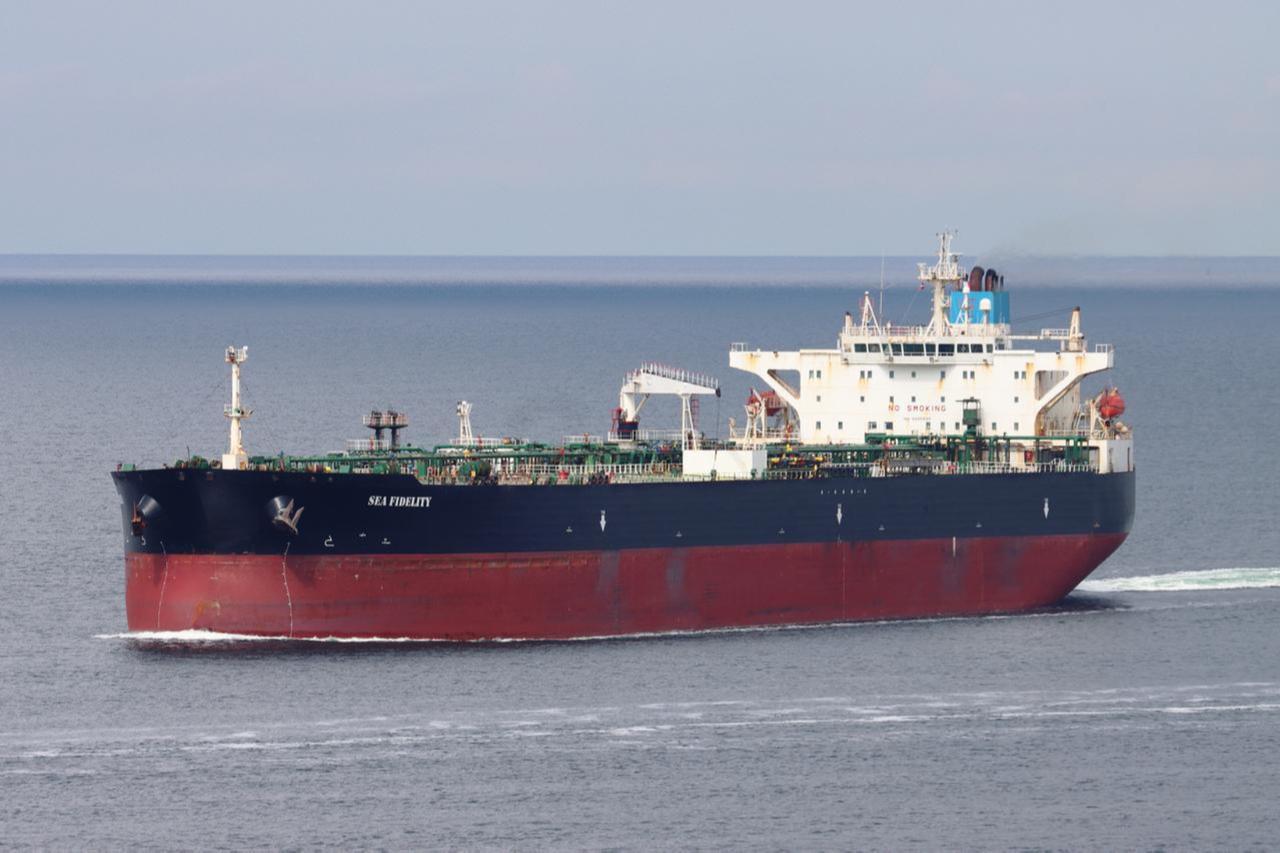
The United States Department of the Treasury issued a special license allowing transactions involving Russian crude oil and petroleum products that had already been loaded onto tankers.
The authorization will remain in effect from March 12 to April 11. It applies only to a limited set of operations related to shipping and vessel safety, including:
- docking and anchoring of tankers;
- ensuring the safety of crews;
- emergency repairs or environmental response measures;
- vessel servicing, insurance, pilotage services, and other operational needs.
Why the U.S. Took This Step
The Treasury said the decision aims to increase oil supply on global markets and curb price growth amid tensions in the Persian Gulf.
According to Bessent, the measure will not bring significant financial benefits to Russia. He said the Kremlin earns most of its oil revenue from taxes at the production stage rather than from the sale of already exported crude.
Context
Global oil prices surpassed $100 per barrel for the first time since 2022 amid escalating tensions between the United States, Israel, and Iran. Markets fear prolonged disruptions to energy supplies if the Strait of Hormuz becomes blocked.
Demand for Russian oil has recently increased, particularly from India and China, as buyers worry about possible supply disruptions from the Middle East.
Previously, the U.S. also eased sanctions on Russian oil by allowing shipments to India. Officials viewed this approach as a temporary way to stabilize the global oil market during the energy crisis.
At the same time, oil remains one of Russia’s key industries. In 2022, Russian revenues from oil and gas exceeded $320 billion, helping the Kremlin quickly finance its full-scale invasion of Ukraine.
Earlier, The Ukrainian Review reported that Russia’s oil and gas sector suffered losses exceeding 1 trillion rubles in 2025. Repeated Ukrainian drone strikes on Russian refineries caused infrastructure damage and significant profit losses.