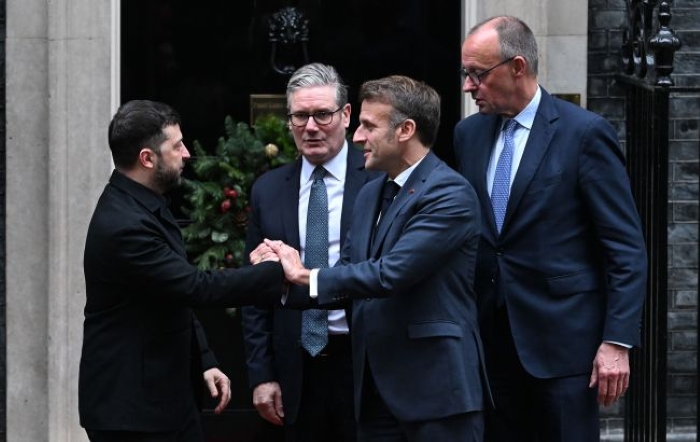


Yesterday, Volodymyr Zelenskyy visited London and Brussels.
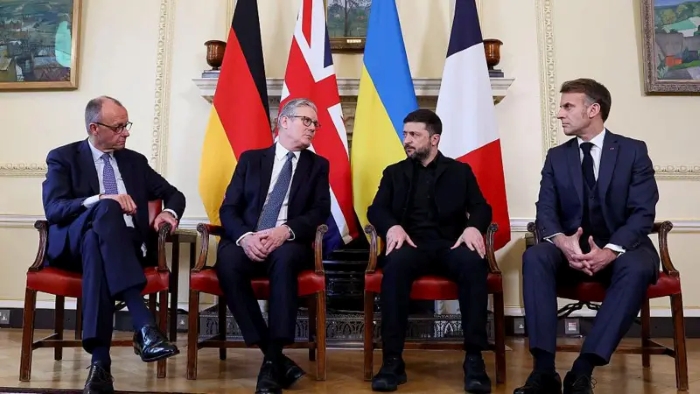
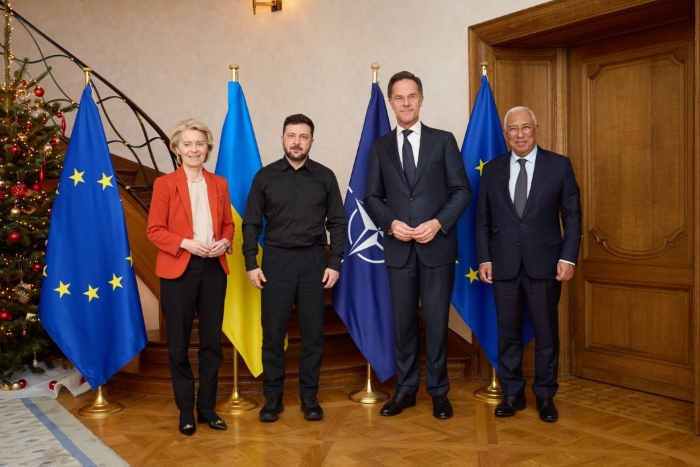
In the British capital, UK Prime Minister Keir Starmer, French President Emmanuel Macron, and German Chancellor Friedrich Merz held discussions with him. Later, during the night of December 9, Ukraine’s President reported a “good and productive” meeting with NATO Secretary General Mark Rutte, European Council President António Costa and European Commission President Ursula von der Leyen.
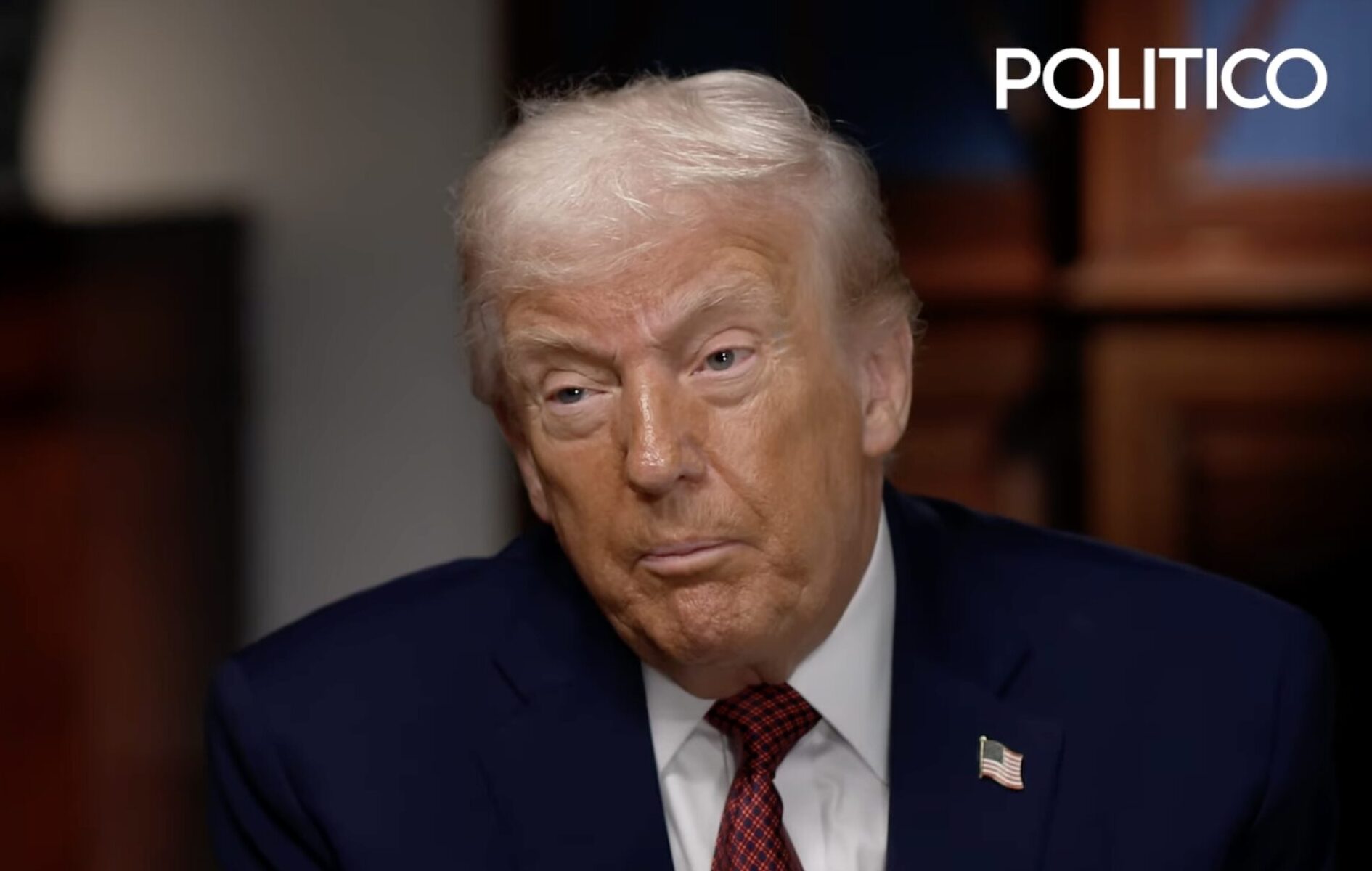
These meetings became necessary as Zelenskyy faces increasing pressure from the U.S. The administration is demanding that he agree to significant territorial and other concessions as part of Trump’s “peace plan.” According to Axios, the proposal hardened after Witkoff and Kushner held a five-hour meeting with Vladimir Putin last week.
London’s Conclusions
European leaders left Starmer’s residence without making public statements. They refused to speak to journalists and fueled speculation that the talks might have failed. However, shortly afterward, a series of positive messages emerged.
According to The Times, an agreement to release up to £100 billion of frozen Russian assets in Europe for Ukraine could be announced within days, as Starmer articulated this possibility.
French President Emmanuel Macron demonstratively adopted Trump’s vocabulary to counter his claims.
I think we have a lot of trump cards in our hands. Ukrainians continue to resist in this war. The Russian economy is beginning to experience difficulties, especially after our latest sanctions and those imposed by the U.S., Macron stated.
Friedrich Merz again emphasized his skepticism about several elements of the plan. Earlier, he said that any deal was unlikely to be finalized by the end of the year.
Brussels Hopes
EU officials also remain committed to using frozen Russian assets. Zelenskyy wrote that the PURL initiative and the reparations credit mechanism were also discussed during the meeting.
PURL is clearly a “card” in terms of U.S. interests. It channels money into the U.S. economy and aligns with Washington’s understanding that defense is the top priority for European countries.
Conclusion
European leaders are aware of the fragile nature of the current peace proposal. Europe is indeed uniting, although this happens under extremely difficult circumstances. However, the question remains. Can Europe resist pressure not only physically from Russia but also politically from the U.S.?
At the same time, Europe must remain engaged with the U.S. proposal and spend time discussing possible adjustments to a peace deal, though Russia would not accept this proposal in any form. Moscow intends to continue the war and use negotiations to destabilize Ukraine and buy time. Increasingly, the narrative suggests that Zelenskyy is to blame for refusing to read or sign the deal. In reality, he simply even cannot agree to such conditions. Public sentiment and the understanding of an inevitable new wave of Russian terror make any such move impossible.