

It is now almost a year since the beginning of Donald Trump’s second term. His return to the White House in 2025 marked a sharp shift in the U.S. approach to foreign policy. His actions regarding the war in Ukraine, sanctions policy toward Russia, and broader international relations have long raised concern among allies and partners.
One of the defining features of Trump’s foreign policy remains its transactional approach to diplomacy — decisions are made based on mutual benefit and specific deals rather than on long-term principles or traditional alliances. This means that while the United States remains a critically important ally, partnership with Washington requires vigilance and flexibility.
The unpredictability of the Trump administration’s decisions, its pragmatism, and its emphasis on practical deals have created new challenges for global security and strategic stability. Domestic protests in the United States, growing tensions with Mexico, trade disputes with Canada and China, shifting rhetoric on the war in Ukraine, sanctions against Russia, and controversial plans for a meeting with Russian President Vladimir Putin all form part of a complex international context. Itʼs important to analyze the current situation and assess its possible consequences for global security and stability.
Background
During Trump’s first term, the United States actively supported Ukraine in its fight against Russian aggression, providing military aid and imposing sanctions on key Russian companies. During the 2024 presidential campaign, Trump pledged to end The Russo-Ukrainian war “within 24 hours,” but later admitted that this was an exaggeration. This is an admission that emphasized the unpredictability of his political rhetoric. All of this directly affects the war in Ukraine and the position of America’s allies worldwide.
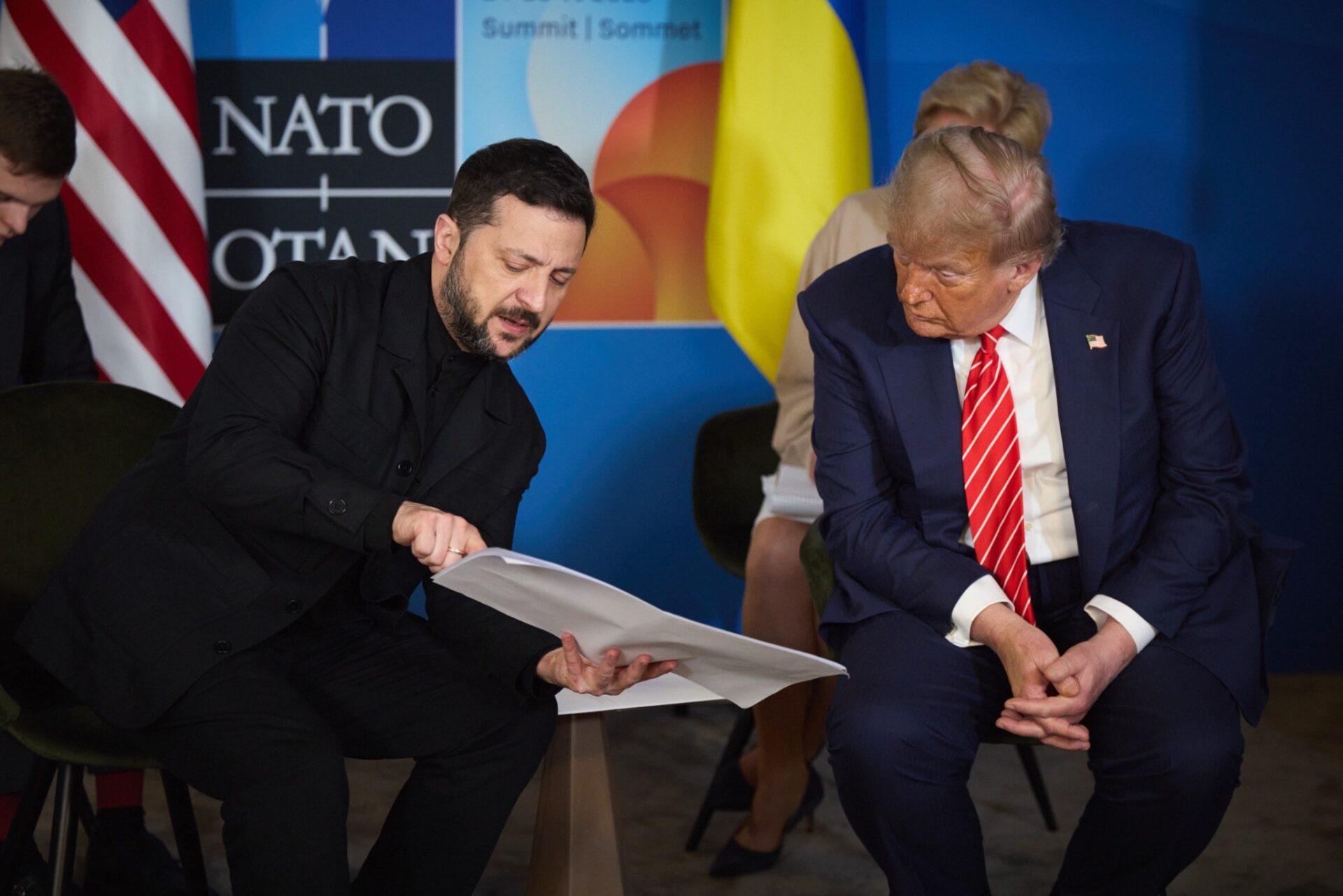
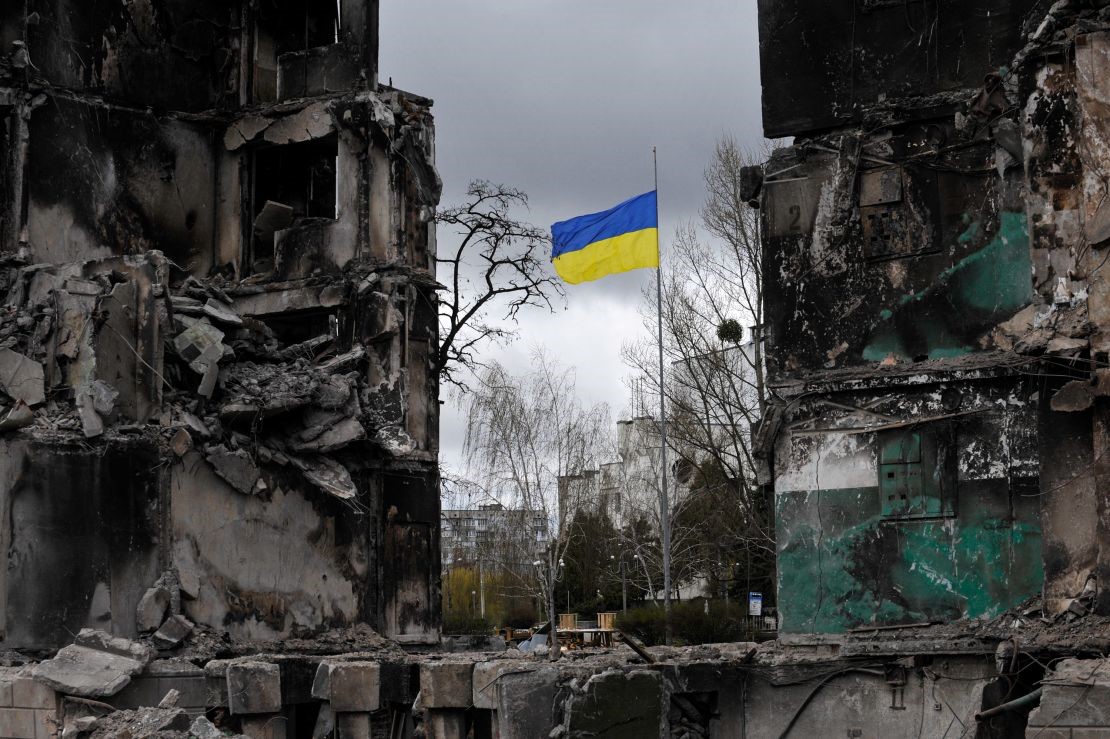
In his second term, a clear shift in approach has emerged: military aid is being provided inconsistently, with periodic pauses in supplies; there are attempts to initiate talks with Russia without real guarantees of a ceasefire; and U.S. trade policy has become more aggressive and pragmatic. At the same time, the Trump administration has increased pressure on Mexico in its fight against drug cartels, revoking visas for several Mexican politicians, and announced plans to introduce an additional 10% tariff on imports from Canada while seeking a “comprehensive deal” with China.
China, in turn, views Trump’s policies with strategic caution, closely observing U.S. actions while assessing opportunities to strengthen its own position in Eurasia. Washington’s restrained stance on Ukraine is interpreted as a sign that the U.S. may be losing its global initiative.
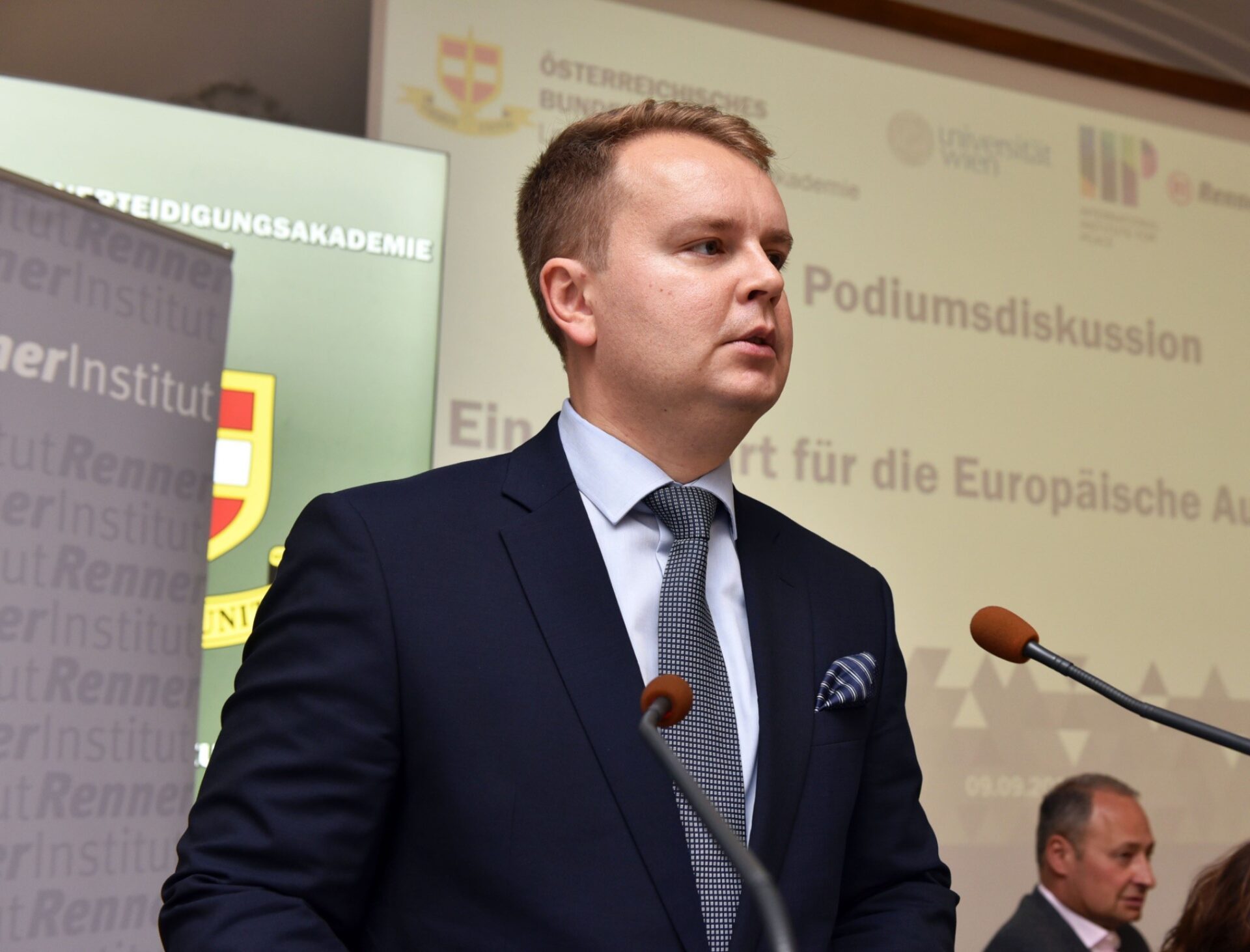
Political analyst Alexander Dubowy notes that Trump’s second term has intensified the structural instability of American leadership on the international stage:
“A second Trump presidency deepens the structural break with the post-war logic of American leadership. The United States is no longer broadly perceived as a predictable guarantor of order, but as a power that exerts leverage through selective coercion. The proposed emergency tariff regime — ten percent across all imports, framed as ’reciprocal fairnessʼ — has transformed campaign rhetoric into concrete policy intent. Legal challenges in Congress and the courts have not altered the message it sends: Washington is willing to deploy economic pressure against both friends and rivals. What once served as the economic foundation of alliance cohesion — trust in rule-based leadership of the U.S. — is now being replaced by transactional bargaining. That corrodes the credibility of collective decision-making and redefines America’s role from system architect to market enforcer.
At the strategic level, Trump’s deliberate ambiguity toward NATO — repeatedly linking collective defense to ’fair contributionsʼ — undermines the core logic of extended deterrence. Once the credibility of Article 5 becomes negotiable, deterrence itself weakens, regardless of military deployments or defense spending. Moscow and Beijing interpret rhetorical inconsistency as strategic opportunity, testing the margins of allied unity through calculated provocations. The war in Ukraine magnifies this erosion of coherence.
The White House’s alternating posture — temporarily pausing military assistance earlier in 2025, later restoring parts of it, and most recently entertaining a ’line freeze’ concept in late October — illustrates an increasingly transactional understanding of warfare. Instead of treating Russia’s aggression as a systemic challenge to the European security order, Washington frames it as a variable in a broader negotiation. The result is a paradox of power: America remains militarily indispensable yet politically unpredictable. For allies, that is the most destabilizing combination imaginable. In that sense, a second Trump term does not dismantle American primacy, but renders it rather volatile, which in strategic terms is far more corrosive.”
On October 22, 2025, the U.S. Department of the Treasury imposed sanctions on major Russian oil companies such as “Rosneft” and “Lukoil”, urging Moscow to agree to an immediate ceasefire. A planned meeting between Trump and Putin in Hungary was postponed, and the President later stated that he “will not meet with Putin until there is confidence in achieving a peace agreement between Ukraine and Russia.”
This clearly illustrates the contradictions of Trump’s policy: the simultaneous pursuit of negotiations and strict preconditions creates additional uncertainty.
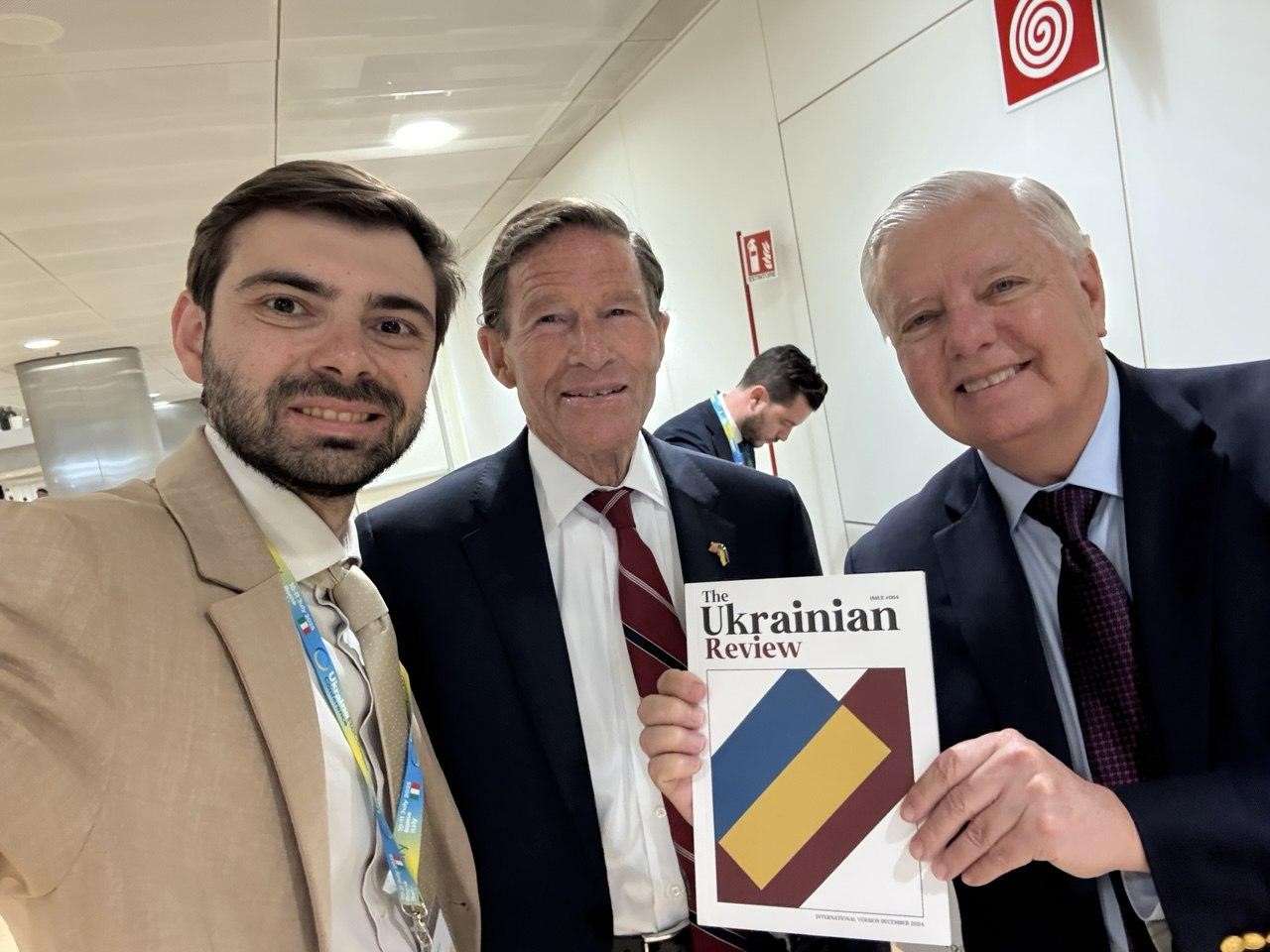
At the same time, new signals have appeared that could suggest an emerging diplomatic shift. Artem Kasparian, Co-Founder of The Ukrainian Review, shares a cautiously optimistic view of the situation:
“I agree with the opinion of the Chief Rabbi of Dnipro that the war could end by January 15, 2026. Such a scenario looks increasingly realistic against the backdrop of active diplomatic processes. My diplomatic sources confirm that intensive negotiations are currently underway between the parties regarding a possible format of the agreement. This is not just about contacts or political signals, but about a substantive discussion of the terms for a ceasefire.
An important factor is the sanctions against Russian energy companies, such as Rosneft and Lukoil, which are increasing economic pressure on Moscow. The visit of a representative of President Putin to Washington after the announcement of sanctions is further evidence that the search for a compromise has already begun. A key role in this process may be played by the meeting between Donald Trump and Xi Jinping. According to many diplomats, this meeting could determine the further course of events and potentially become a turning point that decides the fate of ending hostilities. China holds significant influence over Russia, and if Beijing decides to support the scenario of freezing the war, peace could become a reality as early as the New Year.”
His statement adds a new dimension to the current debate — while most experts emphasize the instability and unpredictability of Trump’s diplomacy, Kasparian’s assessment highlights a potential window for diplomatic resolution. If these talks indeed progress toward a ceasefire framework, Trump’s transactional pragmatism might paradoxically become a tool for short-term de-escalation. However, the long-term sustainability of such peace would depend heavily on guarantees from other global powers, particularly China, and on maintaining pressure through sanctions rather than political concessions.
Risks and prospects
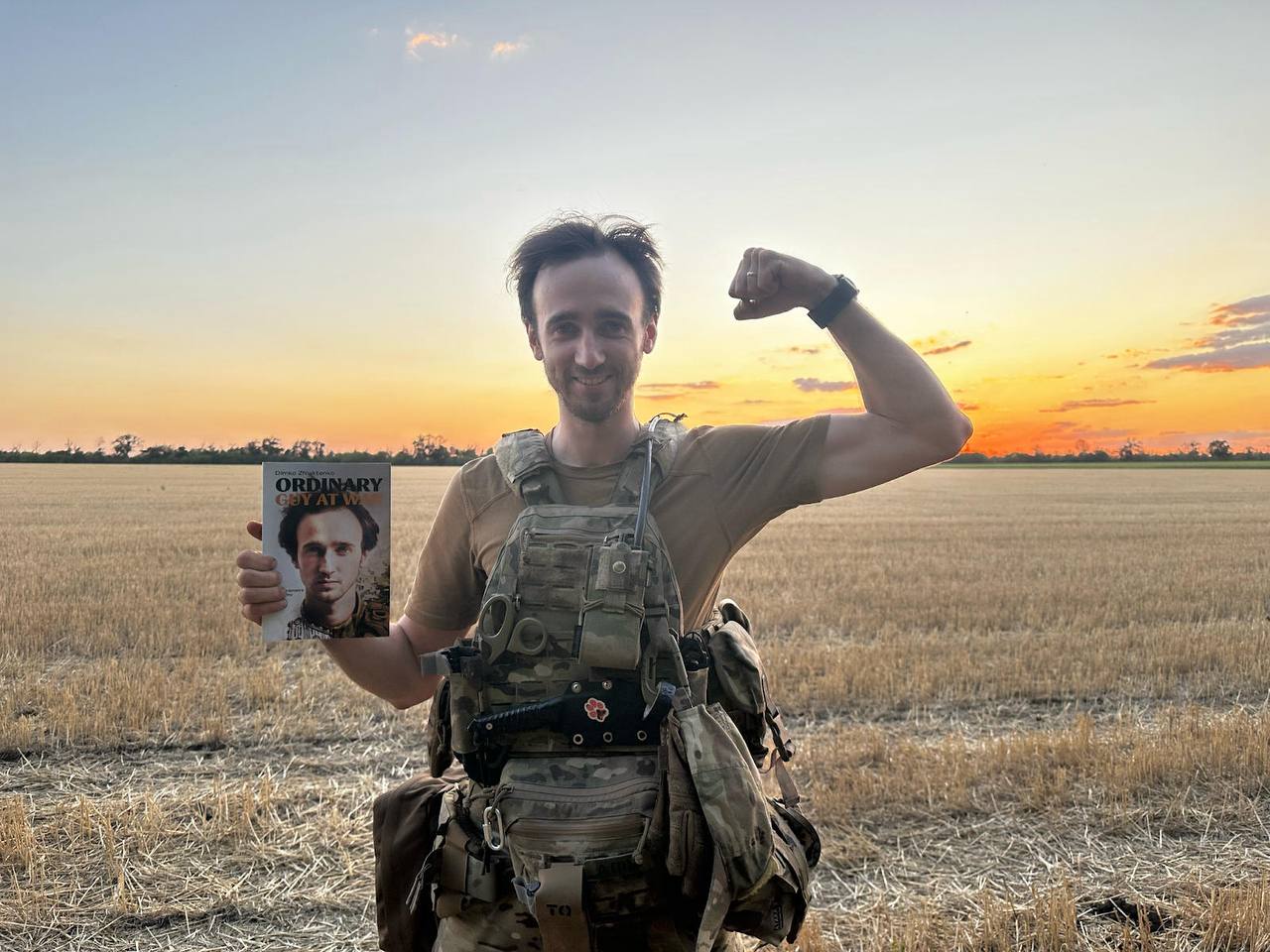
Meanwhile, the situation on the frontlines in Ukraine remains critical. Since the beginning of autumn, Russian forces have intensified their assaults in the Donetsk region. Dimko Zhluktenko, Ukrainian drone pilot in the Unmanned Systems Forces, describes the battlefield as a “bloody stalemate,” emphasizing the relentlessness of attacks and the absence of any signs of peace:
“I don’t think there will be an end to the active warfare in 2025. It just does not look like it at the battlefield where I am in Donetsk oblast. Instead, we are facing Vuhledar-style assaults at Dobropillya-Pokrovsk axis, dozens IFVs each day and countless small infantry groups trying to infiltrate. This is definitely not looking like ’peace signals’, in fact it’s the opposite.”
His assessment underscores that the front remains fluid and exhausting even after three years of full-scale war. Each assault brings human losses, and the strategic situation for both sides remains unstable. Despite the U.S. role as a mediator, no real progress has been made in peace talks, leaving allies and partners with a sense of unpredictability and limited U.S. influence over the conflict’s course.
Zhluktenko adds that neither side currently holds a decisive advantage:
“The situation at the battlefield is such that both sides do not have a significant leverage in the military means. Both sides are not capable of significant strategic gains. Therefore, the situation could be described as bloody stalemate where Russian side commits enormous human resources as expandable — while Ukrainian side focuses on inflicting as much losses as possible to the Russian Forces. Being myself in the Donetsk area and working in it as ISR drone pilot, I must admit the losses are enormous and most of them happen thanks to the strike drones, far behind the frontline.
It’s not like both sides sitting in well-defended positions and exchanging shots between each other. Instead, Ukraine is sitting in full-defense, and Russia is sending countless assaults every day, losing hundreds just in Donetsk front. At the moment, there is no real negotiations process — only an imitation of one, to create visibility. Since 2022, Ukraine agreed to unconditional ceasefire, but Russia never agreed to one. Given that we now have President Trump as mediator, it has not changed much. The gap between the demands of both sides is just too big.
Ukraine wants to stop hostilities, Russia thinks that it’s winning and advancing, therefore any break in hostilities would be bad for them – because it would allow Ukraine to regroup for better defense. None of the strategic goals of Russia were not achieved within almost 4 years of active warfare, so they suggest they should fight more and more — till Ukraine breaks under pressure of international ’realpolitik’, internal problems, mobilization concerns, et cetera. Unfortunately, there are no signs that Russia is about to change its mind and agree to any ceasefire, at least in some areas, any time soon. Russia currently is the main obstacle to the peace effort. I am afraid it might drag for more years.”
His remarks reveal that the war extends far beyond the frontlines. It reflects a deeper strategic imbalance, relentless pressure on Ukrainian forces, and a lack of effective diplomacy. Every strike and every attack represent not only tactical operations but also an ongoing attempt by Russia to exhaust Ukraine.
Amid discussions about a potential ceasefire and the start of an election process in Ukraine, Zhluktenko also stresses that political campaigning during wartime is inappropriate:
“It’s not right. There might be no Ukraine. So it’s a waste to spend time and money on political campaigns instead of winning the war. For military community, we take note on each and every politician doing this and won’t vote for such.”
For the military and much of Ukrainian society, survival and effective defense remain top priorities, while political activity is viewed as a distraction from the war effort.
This sentiment also mirrors how U.S. policy is perceived as that of an unpredictable partner whose actions may not always align with the needs of its allies. Trump’s transactional approach to international relations has reshaped the dynamics of support for Ukraine and transformed America’s image on the global stage.
Security and foreign policy analyst Jimmy Rushton, based in Kyiv, notes:
“Trump views the world through a transactional lens. He’s not interest in US global leadership in the traditional sense, but he does like exercising power and the perceived prestige that comes with forcing other countries to fall in line with his policy objectives. He can be ’managed’ by NATO and European countries and can be persuaded to pursue policies that are helpful to or aligned with European interests. E.g. PURL and the recent Russia sanctions on their oil industry.
Any reduction in military aid will be to Russia’s benefit on the battlefield. This is an outcome that Europe and Ukraine must avoid or mitigate at all costs, using measures like PURL and using frozen Russian assets to invest in Ukraine’s own industry. US commitments should not be assumed to be honoured, although countries should make every effort to keep the US engaged, they should plan for the worst; complete US disengagement.”
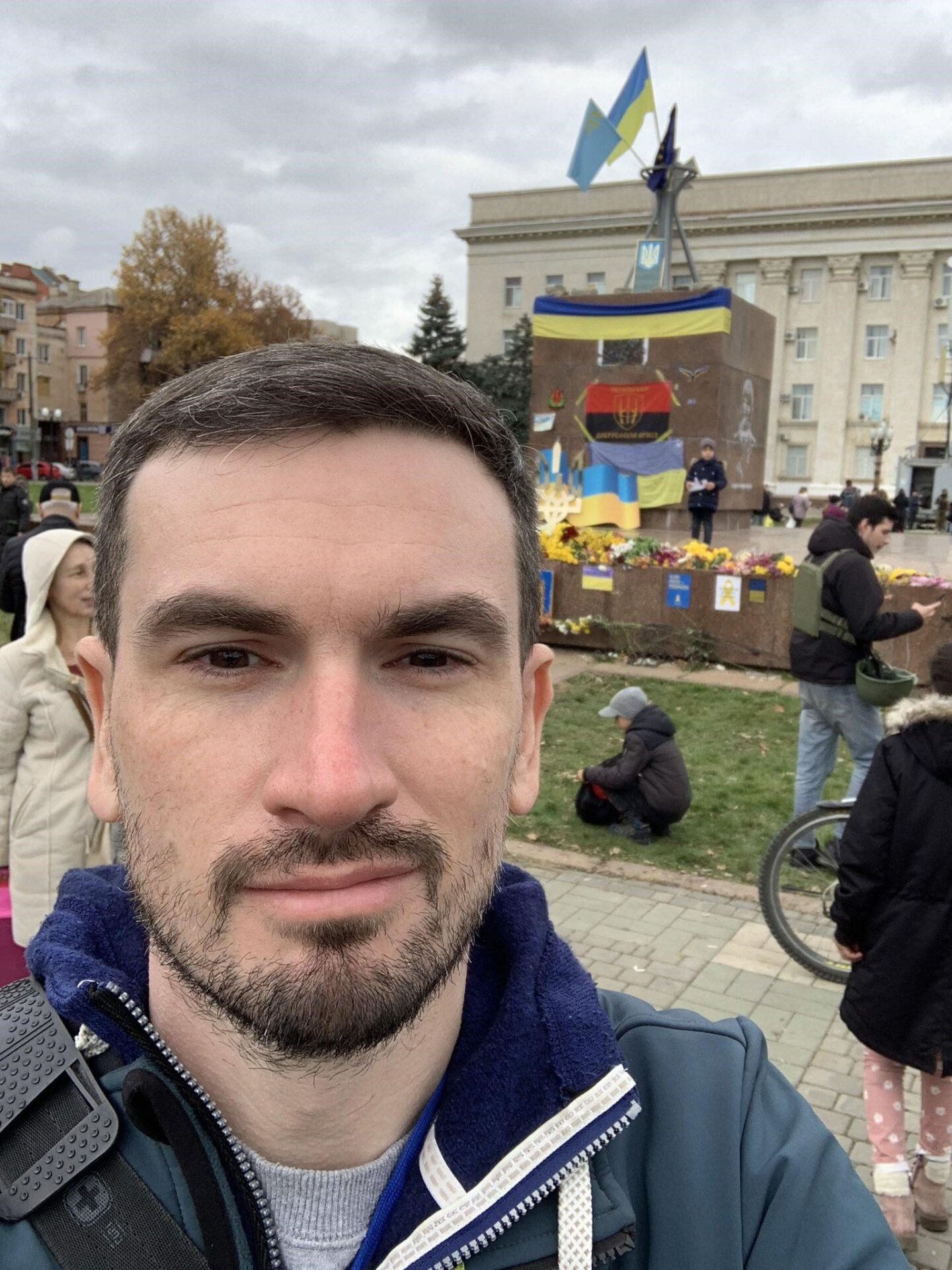
Thus, allies increasingly view the United States as both indispensable and unpredictable — a combination that undermines trust and complicates strategic planning.
Anders Åslund, a leading specialist on Eastern European economies, adds that U.S. policy during Trump’s second term does little to support traditional Western allies and instead contributes to geopolitical instability:
“There are a few different views of Trump’s policy choices. One is that he is favoring autocracy, kleptocracy and imperialism, which is my dominant view. Another is that he adjusts to flatter and whom he talked to last. A third is that he has certain more specific ideas – protectionism, unilateralism and opposition to foreign aid. Yet, these views largely hang together. Trump does nothing for traditional Western, democratic allies. He opposes all traditional US military alliances.
He strongly objects to the EU, while he favors hard-right movements, such as Alternative for Germany and Viktor Orban’s FIDESZ. He favors corruption and money laundering. He sees himself as the leader of the US and not of the West or the global community. He opposes all multilateralism. All this favors Russia and undermines the West including Europe. Yet, Putin might upset Trump by refusing to make any concessions about anything and all too obviously treat Trump as the lapdog he appears.”
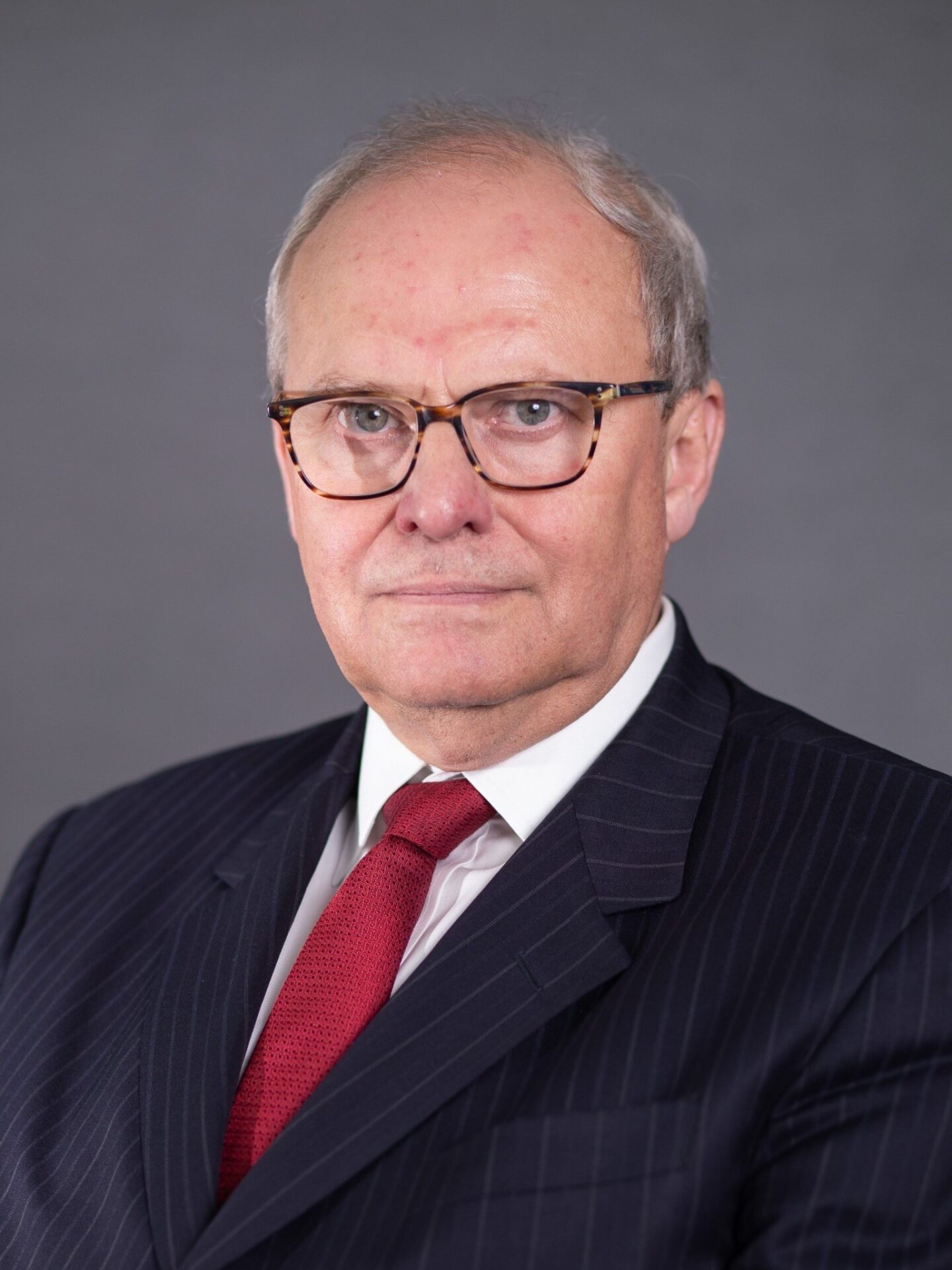
Economic tools and strategic ambiguity further underscore Washington’s transactional behavior. As Alexander Duboviy points out:
“The White House’s alternating posture — temporarily pausing military assistance earlier in 2025, later restoring parts of it, and most recently entertaining a ‘line freeze’ concept in late October — illustrates an increasingly transactional understanding of warfare.”
These actions foster a growing perception among partners that the U.S. is operating more as a deal-maker than a long-term guarantor of stability, where alliances depend more on domestic politics than on enduring commitments.
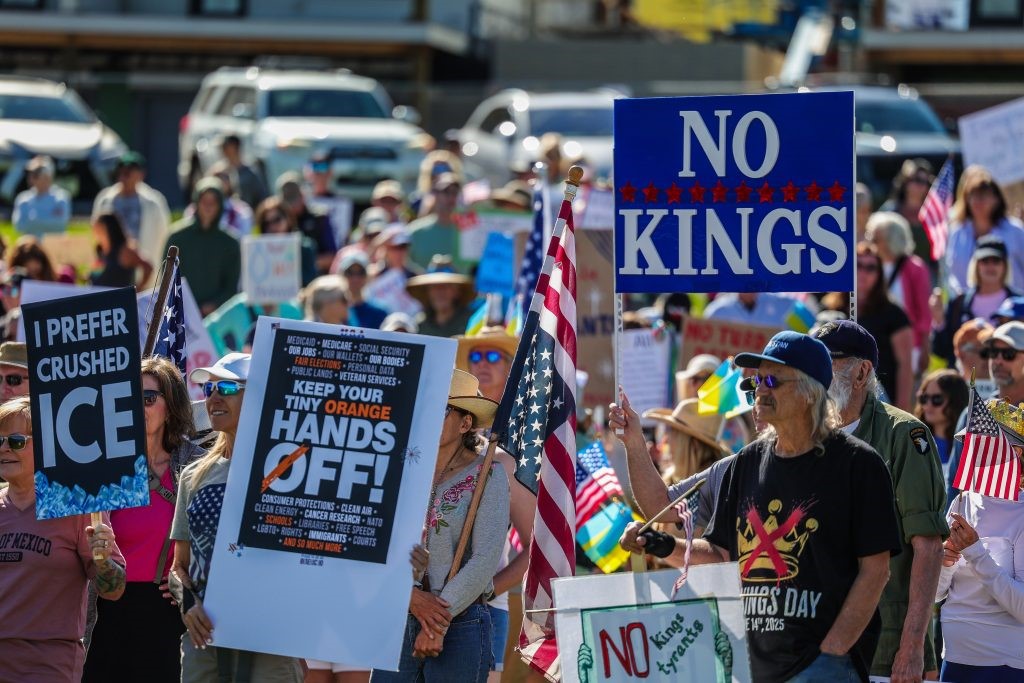
Meanwhile, on October 18, 2025, large-scale protests under the slogan “No Kings” swept across the United States, targeting what demonstrators called authoritarian tendencies in Trump’s leadership. The protests took place in over 2,600 cities, including Washington, New York, Los Angeles, and Chicago. Demonstrators voiced concerns about the concentration of presidential power and restrictions on democratic freedoms. It can be a sign of growing public unease that could have implications for America’s own stability.
Conclusion
Donald Trump’s second-term foreign policy is defined by transactionalism, unpredictability, and pragmatism. These are features that call into question the stability of transatlantic relations and the reliability of the United States as a world leader. The reduction of military aid to Ukraine, attempts to negotiate with Russia without solid guarantees, domestic protests, trade disputes, and renewed sanctions all create significant risks for international security and democratic values.
The war in Ukraine continues, forcing allies to adapt to Washington’s unpredictable course, develop strategic autonomy, and prepare for possible shifts in global politics. Expert assessments suggest that Trump’s approach generates an environment of uncertainty for Ukraine and its partners, undermining both military efficiency and long-term planning, turning unpredictability itself into a tool of pressure.
If the current U.S. approach persists, allies will have to move toward a more autonomous defense policy, while Ukraine must prepare for sustained but fluctuating support that depends on America’s internal politics. On a global scale, this may signal a gradual transformation of transatlantic alliances and a shift of the geopolitical center of gravity toward Europe and Asia.