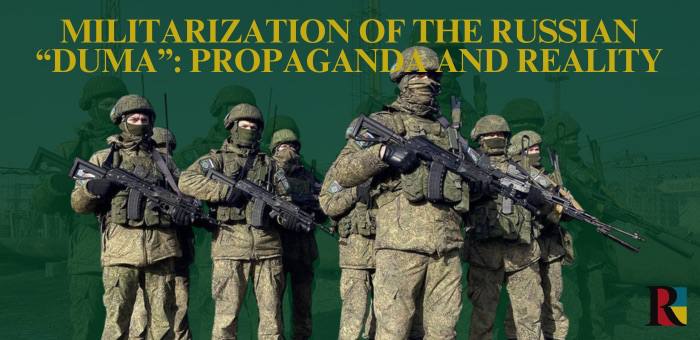


Amid preparations for the 2026 State Duma elections, Russia decided to bring former military personnel — participants of the war against Ukraine — into power. Around 70–80 such soldiers are expected to be elected to the Duma. The official explanation is the “involvement of heroes.” In reality, it is a calculated political move.
The first goal is to increase internal pressure and ensure that only loyal and “necessary” decisions are made. The second is propaganda — to motivate more educated Russian men to join the army by showing that the military leads to power and prestige.
According to the Centre for Countering Disinformation, many of these so-called “veterans” could be fake. Loyalty to the Kremlin, not actual military service, is the main selection criterion.
Russia Is Scared of Its Soldiers
As Reuters reported in September, one of the secondary reasons Putin does not want to freeze the war is fear of his own soldiers. Many of those who return from the front, including ex-prisoners pardoned for fighting, commit violent crimes at home. Their reintegration is chaotic, and the Kremlin fears instability and rising aggression inside Russia.
By giving some “invaders” political positions, the regime tries to neutralize this risk. It creates an illusion that former soldiers’ interests are represented. In reality, they become part of the propaganda machine, silencing potential disobedience and violence by integrating loyal figures into the system.
Total Militarization of Russian Society
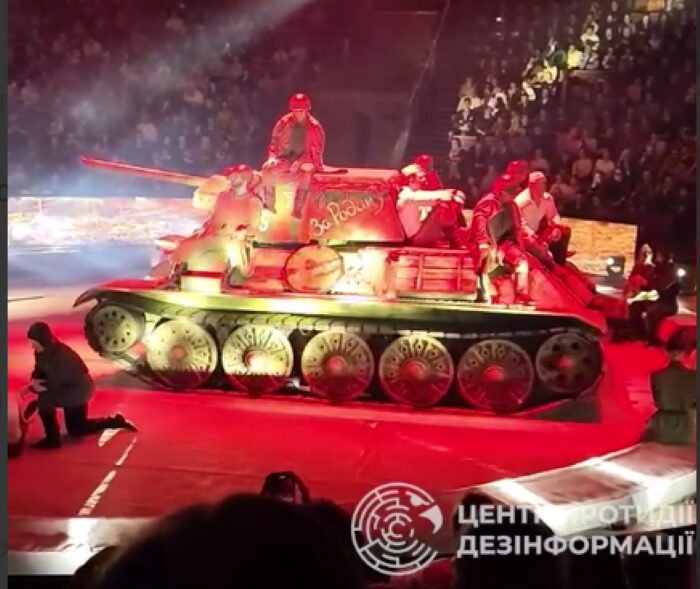
The Centre for Countering Disinformation also reports that Russia is conducting surveys to ensure that citizens are ready to vote for militaries. Military imagery is everywhere — from politics to entertainment. A decorative tank recently appeared on stage at Moscow’s circus. War has become a national performance.
Children are among the main propaganda targets. In 2023–2024, the course “Fundamentals of Security and Defence of the Motherland” was introduced in schools. It includes basic military training — trenching, drone operation, and combat simulation. Veterans often visit classrooms to glorify the army.
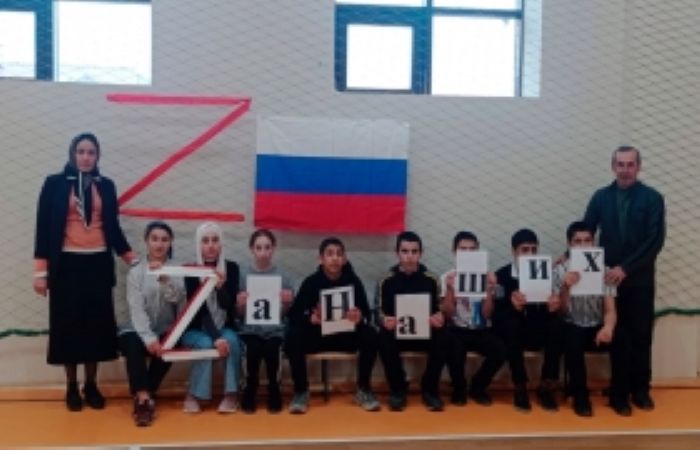
In many schools, children are made to form words connected with war using their bodies or pose with Russian military symbols for photos. Such practices normalize militarism from an early age. Education now serves as a tool to raise obedient future soldiers.
Conclusion
While fragments of Russian opposition still spread false hope that the 2026 parliamentary election might bring change, the Kremlin has already secured full control. By bringing militaries into parliament, Putin’s regime eliminates any hesitation and cements total loyalty.
Russian military propaganda has become omnipresent — in politics, schools, and culture. It glorifies war and silences dissent. As long as Russia’s economy sustains itself, public support for the war will persist. The militarization of the Duma is a reflection of a society fully transformed by war.