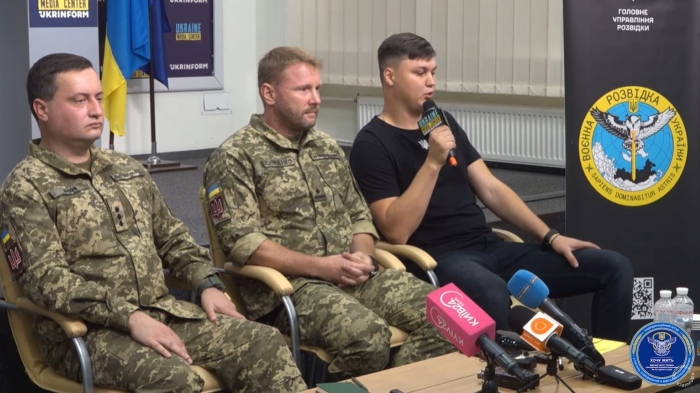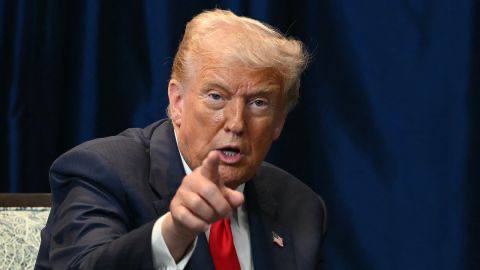


The discussion around Donald Trump’s new “peace plan” has intensified following the appearance of four documents that supposedly reflect the future U.S. vision for ending the war. In reality, all versions of the plan shift the burden almost entirely onto Ukraine — demanding concessions, limiting military capabilities, and restraining defense cooperation with partners. At the same time, Russia is not required to take equivalent steps, creating a fundamentally asymmetric framework.
Pressure Disguised as Diplomacy
The documents reviewed by Ukrainian officials show that the proposed “ceasefire” requires Ukraine to halt strikes on Russian territory, freeze front lines, and begin negotiations on the status of occupied regions. Meanwhile, Russia is not obliged to withdraw troops or stop attacks on Ukraine’s defense industry.
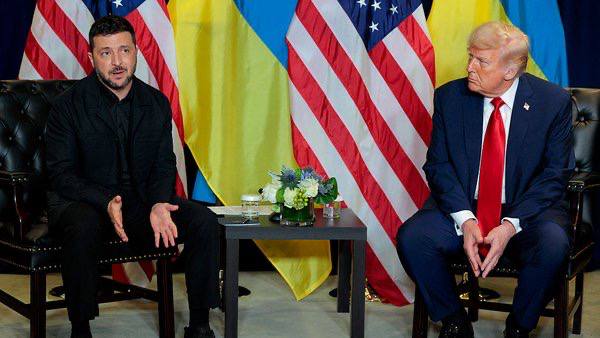
One of the drafts even frames Ukrainian strikes on military targets inside Russia as “escalatory,” while Russian missile attacks on Ukrainian cities are portrayed as something to be “mutually reduced,” not stopped. Another document goes further by demanding that Ukraine recognize Russia’s control over Crimea and parts of Donetsk and Luhansk, while proposing a “gray” demilitarized zone on 30% of Donetsk region — without any mechanism to prevent Russian troops from entering it. As President Volodymyr Zelenskyy emphasized, “Russia insists that we give up territories.” This core demand underlines how the proposed framework would legitimize Russian occupations rather than reverse them.
The imbalance becomes even clearer in the proposed restrictions on Western support. According to the documents, Ukraine’s partners would have to stop supplying certain long-range weapons, while Russia faces no limits on its armaments.
Why the Plan Weakens Ukraine
The four analyzed documents share the same logic: Ukraine must make concessions first, while Russian obligations remain vague or absent. In practice, the plan would force Ukraine to accept a frozen conflict, reduce its defense potential, and negotiate with the occupier on its terms.
Among the most problematic points is the proposal to “demilitarize” the front line — a measure that would leave Ukraine vulnerable while Russia could simply rotate its troops behind a formalized buffer zone. The plan also suggests freezing the situation in Zaporizhzhia and Kherson along the current front line and obliging both sides never to revise these arrangements by force, effectively locking in Russian territorial gains.
Even the mechanism for a potential “security guarantee” remains unclear and conditional, offering Ukraine political promises without real enforcement tools.
Conclusion
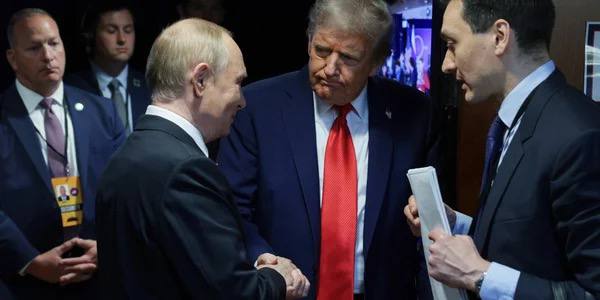
Trump’s proposed plan appears less like a roadmap to peace and more like a framework that institutionalizes Russian gains. By demanding a halt to Ukrainian defensive actions, restricting Western support, and legitimizing negotiations under military pressure, the plan undermines Ukraine’s sovereignty and strengthens the aggressor’s position.
If implemented in its current form, the plan would not stop the war — it would merely hand Russia time, territory, and strategic advantage, while imposing on Ukraine the responsibility to “de-escalate” a conflict it did not start.