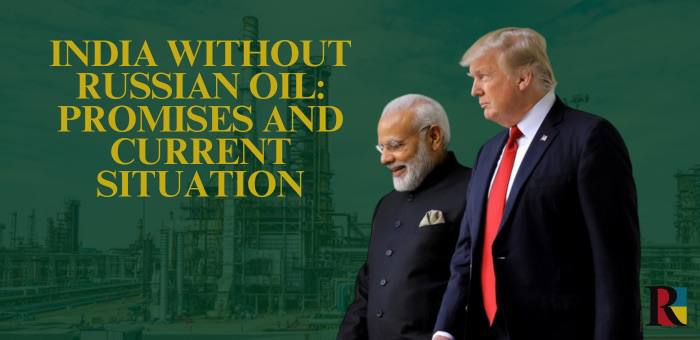


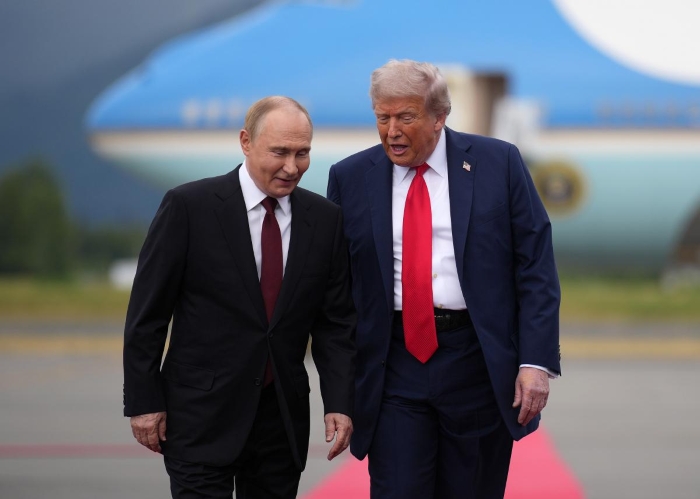
U.S. President Donald Trump held a phone call with Vladimir Putin, after which he described “progress” in peace talks, calling the conversation “productive.” Moreover, the two discussed the possibility of meeting in Budapest, and Trump announced that they would gather there to “stop the war.” Hungarian Prime Minister Viktor Orbán expressed his willingness to host such a meeting. Later, when asked about the timing, Trump replied that it could happen “within a week or two.”
Real Russian Intentions
Behind Moscow’s sudden willingness to talk about peace lies a clear motive — fear of strengthened Western sanctions and growing weapon supplies to Ukraine. Indeed, on the very night after the phone conversation, Russia launched a massive drone attack on Kryvyi Rih.
According to the UN, at least 214 civilians were killed by Russian shelling in Ukraine in September, the month following the Alaska meeting. Despite talk of negotiations, Russian propagandists continue to stress that they have no intention of stopping the war. State media portrayed the renewed contact with Washington as a major Russian victory — a “recognition” of Putin’s global role — while mocking the “internal weakness” of the United States and ridiculing its political crises.
Deputy Chair of the Security Council Dmitry Medvedev wrote on X that the call showed peace talks were possible “without any preconditions”, framing it as proof that Moscow had forced the U.S. to return to dialogue on its terms.
Minister of Foreign Affairs of Ukraine Andrii Sybiha emphasized in his post on X:
Today’s call between US President Donald Trump and Putin demonstrates how even the discussion about Tomahawk missiles had already forced Putin back into dialogue with America.
The conclusion is that we need to continue with strong steps. Strength can truly create momentum for peace.
Nevertheless, President Trump has stated that “it is not the time” to impose new sanctions on Russia.
Tomahawks for Ukraine: What Could Change
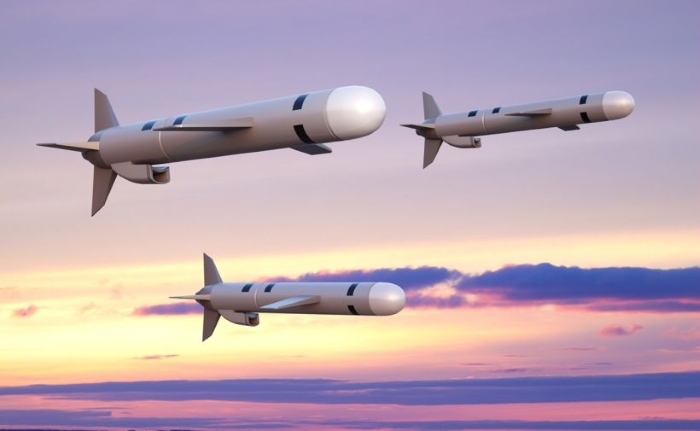
The Tomahawk is a U.S. long-range cruise missile capable of hitting targets about 1,600 kilometres away with extreme precision. Its main advantages are low radar visibility, high manoeuvrability, and the ability to be launched from land, sea, or submarine platforms.
For Ukraine, obtaining Tomahawks would mean the ability to strike Russian military targets far beyond the front line — including ammunition depots, airfields, oil storage facilities, and command centres.
However, there are technical challenges: Ukraine would need to adapt ground-based launch systems.
Conclusion
Russia’s apparent “willingness for dialogue” comes not from genuine peace intentions but from fear of Western strength — sanctions, weapons, and unity. This is a familiar Russian strategy: to buy time by faking negotiation efforts while preparing new attacks. Indeed, after every round of diplomatic engagement, Moscow tends to intensify its strikes against Ukraine.
Today, on October 17, Donald Trump is scheduled to meet Ukrainian President Volodymyr Zelenskyy in Washington. The outcome of that meeting will likely define the next stage of U.S.–Russia–Ukraine diplomacy. One of the most sensitive issues remains whether the U.S. is ready to provide Ukraine with long-range weapons.
Daria Maslienkova