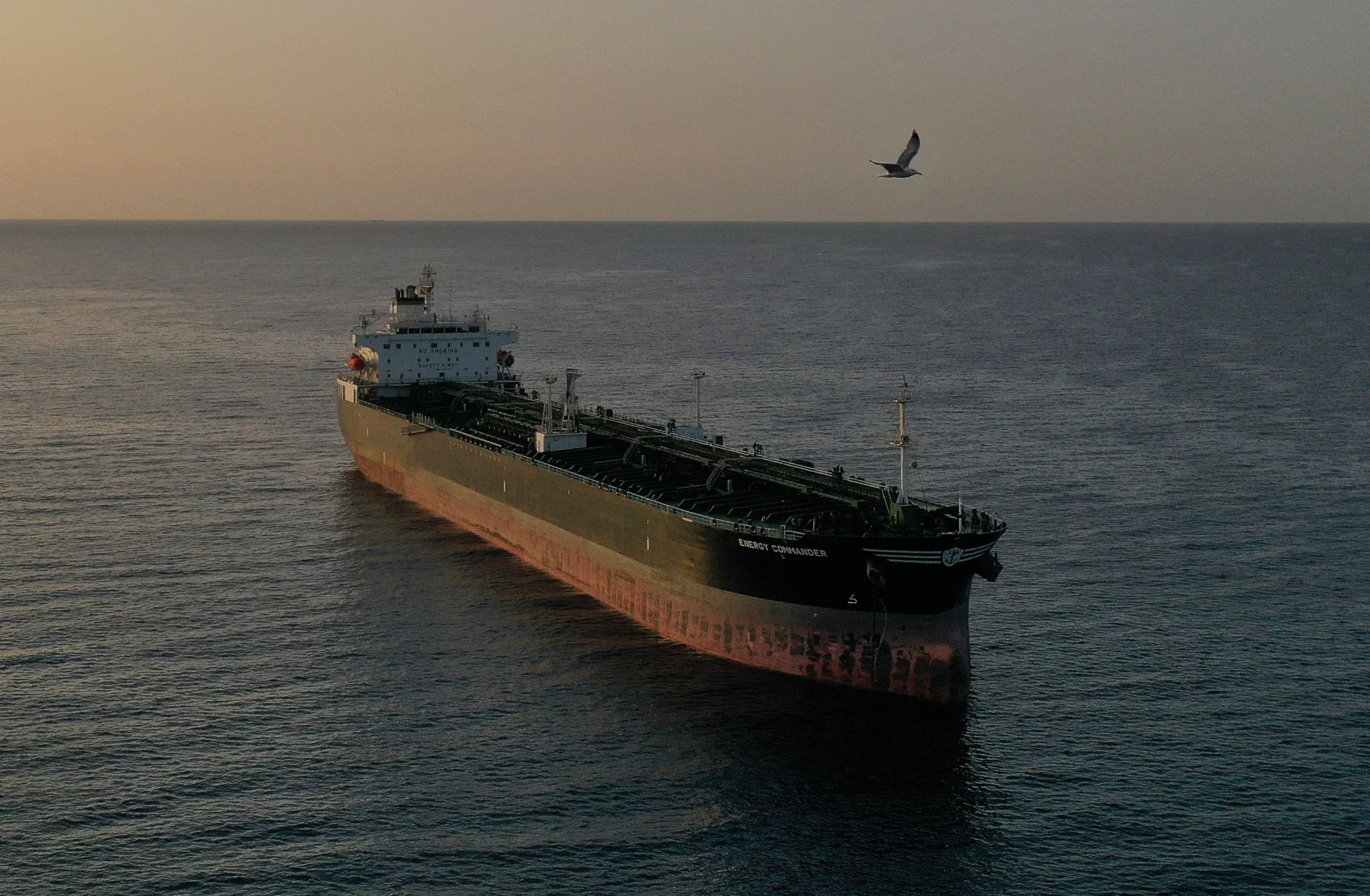


Before the U.S.–Israeli strike on Iran, U.S. President Donald Trump and his advisers underestimated the risks to global energy markets. They viewed a potential blockade of the Strait of Hormuz and disruption of commercial shipping as a short-term issue that should not interfere with the military mission.
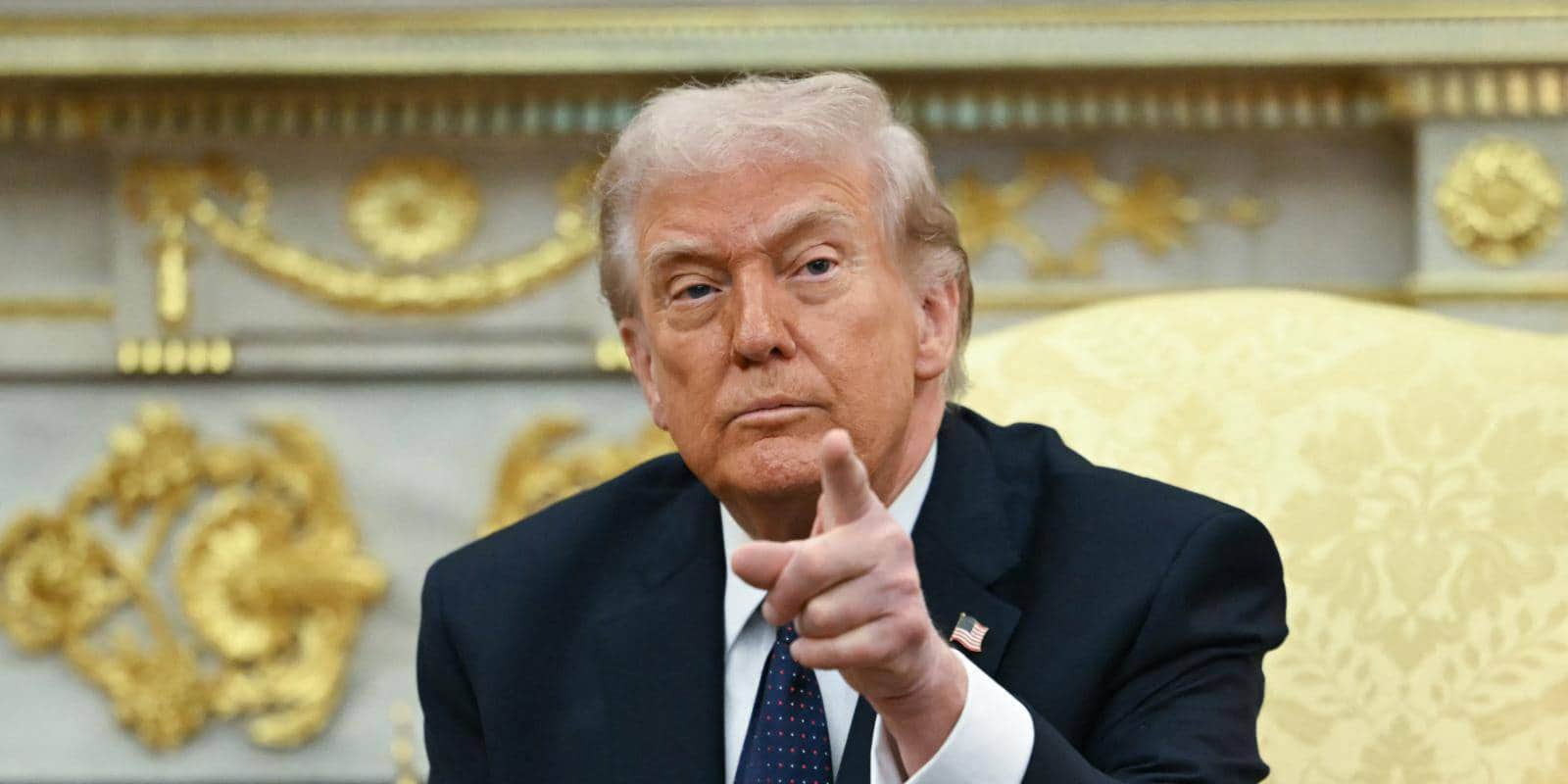
The New York Times reported this.
Details
Trump’s advisers, including Energy Secretary Chris Wright, believed that even if strikes hit Iran, oil markets would avoid major disruptions.
However, Iran reacted far more aggressively. Tehran threatened to attack commercial oil tankers and closed the Strait of Hormuz. The move halted shipping traffic and triggered a sharp spike in oil prices.
Trump downplayed the risks and focused on maximalist goals. These included demands to replace Iran’s leadership. Meanwhile, Secretary of State Marco Rubio and Defense Secretary Pete Hegseth supported more limited tactical objectives aimed at ending the conflict faster.
Internal advisers warned about the possibility of a strong Iranian response. Trump nevertheless ordered officials to prepare plans in case oil prices surged. He did not publicly present those plans until 48 hours after the conflict began.
The economic impact proved significant. Oil prices rose sharply, the U.S. administration tried to stabilize the market, and military spending reached $5.6 billion during the first two days of the war. The United States Department of Defense attacked 16 Iranian vessels that were laying mines in the strait in an attempt to restore shipping.
Context
Global oil prices exceeded $100 per barrel for the first time since 2022 amid escalating tensions between the United States, Israel, and Iran. Markets fear prolonged disruptions to energy supplies if the Strait of Hormuz remains blocked.
Earlier, The Ukrainian Review reported that Ukraine sent drone experts and interceptor drones to the Middle East to help protect U.S. military bases in Jordan from Iranian drone attacks.