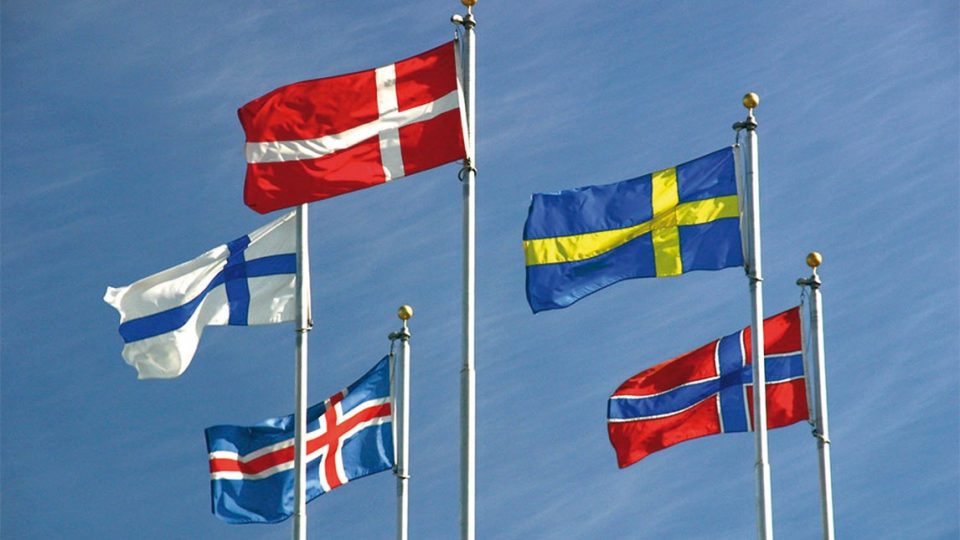


Baltic and Northern European countries are considering providing Ukraine with about €30 billion in bilateral loans. They plan to move forward with this option if Hungary and Slovakia continue to block the European Union’s €90 billion joint loan for Kyiv.
Politico reported this, citing European diplomats familiar with the negotiations.
Details
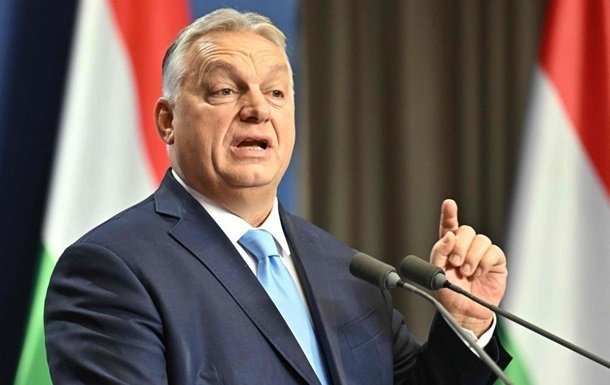
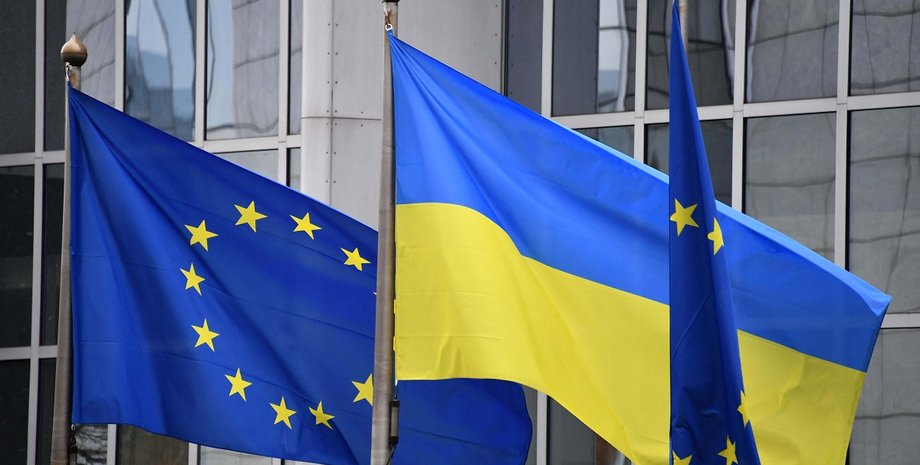
EU leaders plan to discuss financial support for Ukraine at a summit in Brussels next week. They will try to persuade Hungarian Prime Minister Viktor Orbán and Slovak Prime Minister Robert Fico to support the €90 billion EU loan.
However, if both countries maintain their opposition, Baltic and Northern European states are ready to finance Ukraine directly. Diplomats say the plan involves roughly €30 billion in bilateral loans that do not require approval from all EU members.
In addition, Netherlands may allocate €3.5 billion annually to Ukraine through 2029 as separate support.
EU Economy Commissioner Valdis Dombrovskis said the European Union will find a way to provide the loan even if Hungary vetoes the plan.
Context
EU officials previously rejected the idea of individual loans from member states because it could expose divisions within the bloc. However, due to the potential blockade by Budapest, the proposal is now under consideration as an alternative.
EU leaders politically approved the €90 billion financial assistance package for Ukraine in December 2025. However, the plan still requires final approval from all EU member states.
Hungary remains the only country currently blocking the decision. Budapest says it will not support the package until Ukraine restores oil transit to Hungary through the Druzhba pipeline, which was damaged during a large-scale Russian strike.
Orbán describes the delay as driven by “political reasons,” while Ukrainian President Volodymyr Zelenskyy says the issue is technical, noting that the pipeline sustained underground damage.
Earlier, The Ukrainian Review reported that Ukraine’s budget now has enough funds to operate until early May 2026 and continue financing defense after receiving the first $1.5 billion tranche of an $8.1 billion loan from the International Monetary Fund.