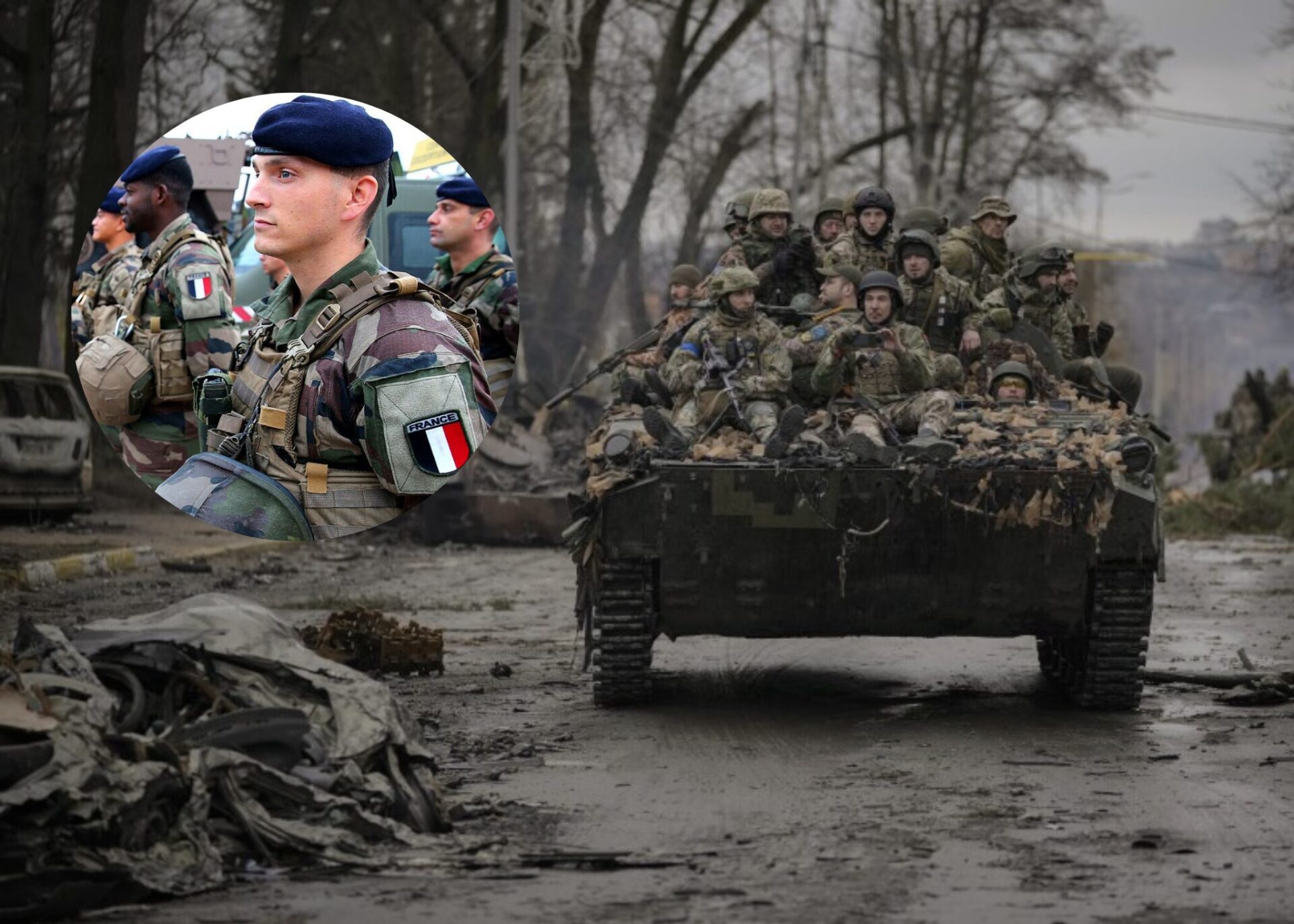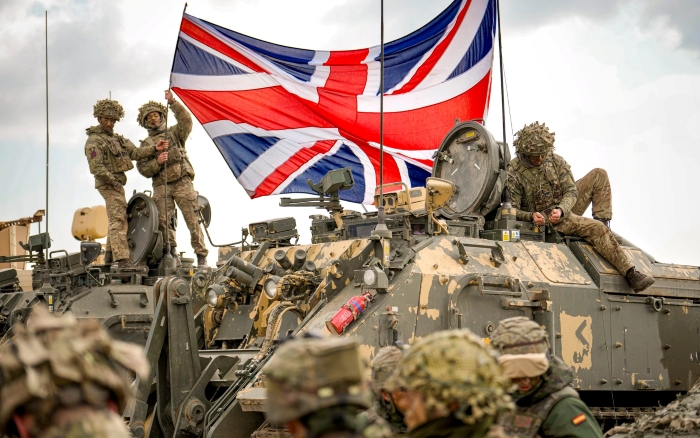


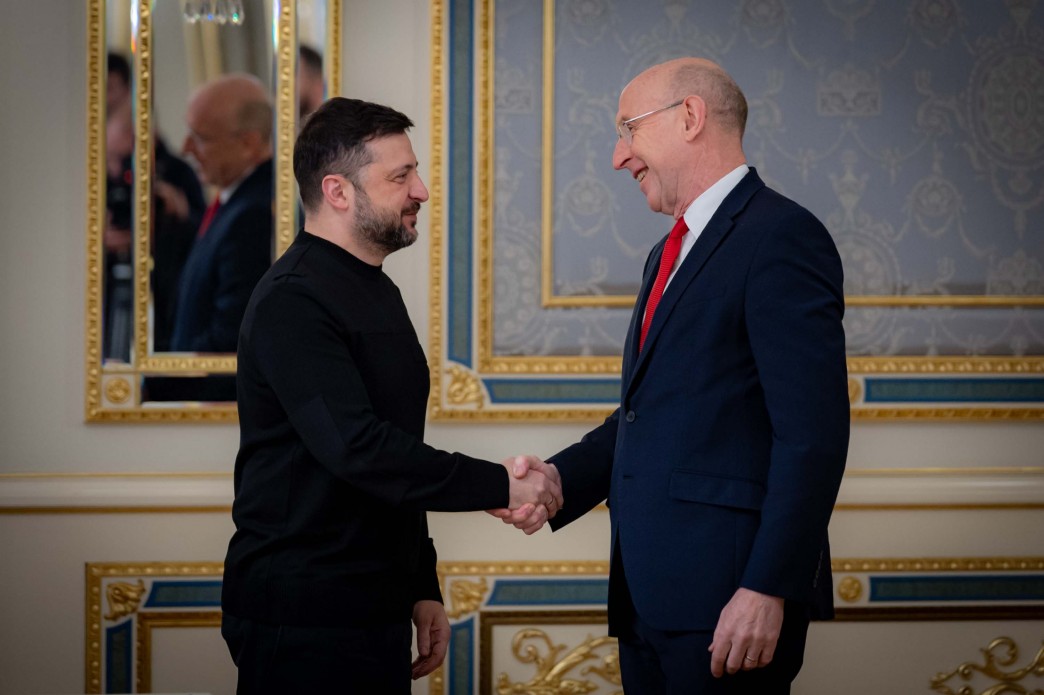
UK Defence Secretary John Healey announced that the United Kingdom will spend £200 million (around $268 million) to prepare a military contingent for potential deployment in Ukraine. He made the statement after visiting Kyiv.
The government will direct the funding to deployment readiness, equipment upgrades, communications systems, counter-drone protection, and additional military gear.
Healey said he discussed the issue of troop deployment directly with Ukraine’s leadership. He also confirmed that the UK will begin producing Octopus interceptor drones this month. These drones will strengthen Ukraine’s air defence and help protect civilians and critical infrastructure from Russian drone attacks. British manufacturers plan to produce thousands of Octopus drones each month.
Possible Size of the UK Contingent
Preliminary estimates suggest that the UK could deploy fewer than 7,500 soldiers to Ukraine. The British regular army currently has around 71,000 trained personnel. This means the mission could involve more than 10 percent of the force. The government therefore views the investment in preparation as necessary to ensure operational effectiveness.
When the “Coalition of the Willing” Could Deploy Troops
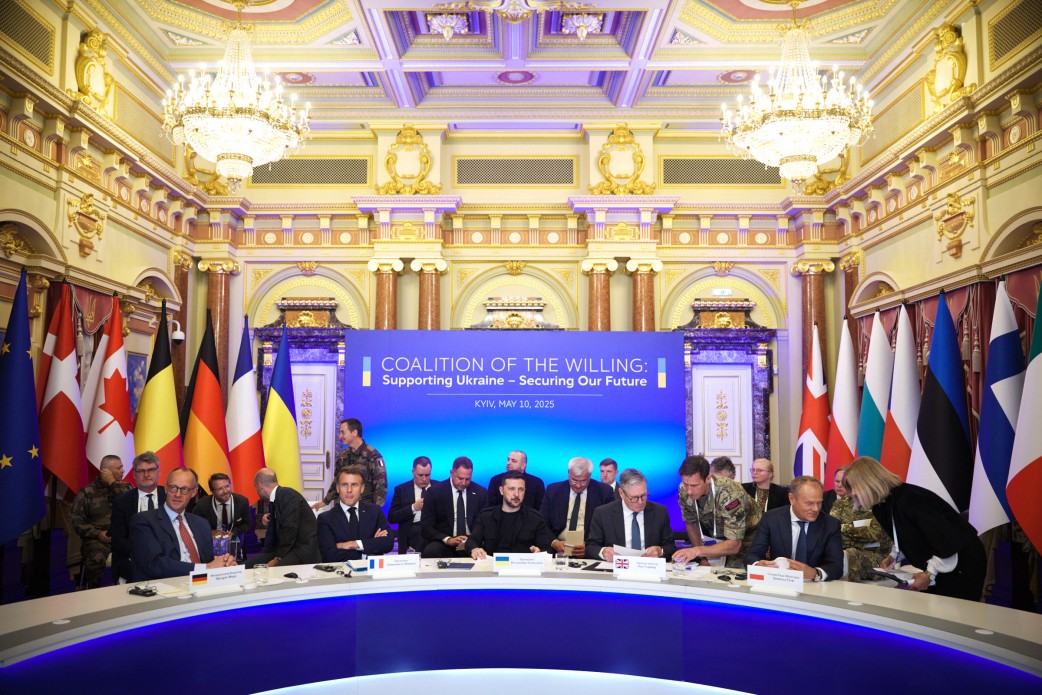
The “coalition of the willing” plans to deploy troops only after a peace agreement or a verified halt in hostilities between Ukraine and the Russian Federation. These forces will not take part in combat operations against Russia. Instead, they will act as a reassurance force and help enforce the terms of peace.
The United Kingdom and France lead this initiative. Both countries have already confirmed their readiness to send troops to Ukraine once peace is restored.
So far, 26 countries have agreed to either deploy forces or contribute other assets, including air and naval capabilities, as part of future security guarantees. However, an official list of participants has not been published yet.
Conclusion
As a key driver of the “coalition of the willing,” the UK has taken a concrete step by investing in deployment preparation. The initiative remains challenging due to limited troop numbers and political hesitation among some partners. Nevertheless, the announcement signals serious intent and marks a move toward practical planning for post-war security arrangements.