

French President Emmanuel Macron held a closed-door meeting with leaders of major political forces, during which he presented his vision of future European security guarantees for Ukraine after a peace agreement is reached, Les Echos reports.
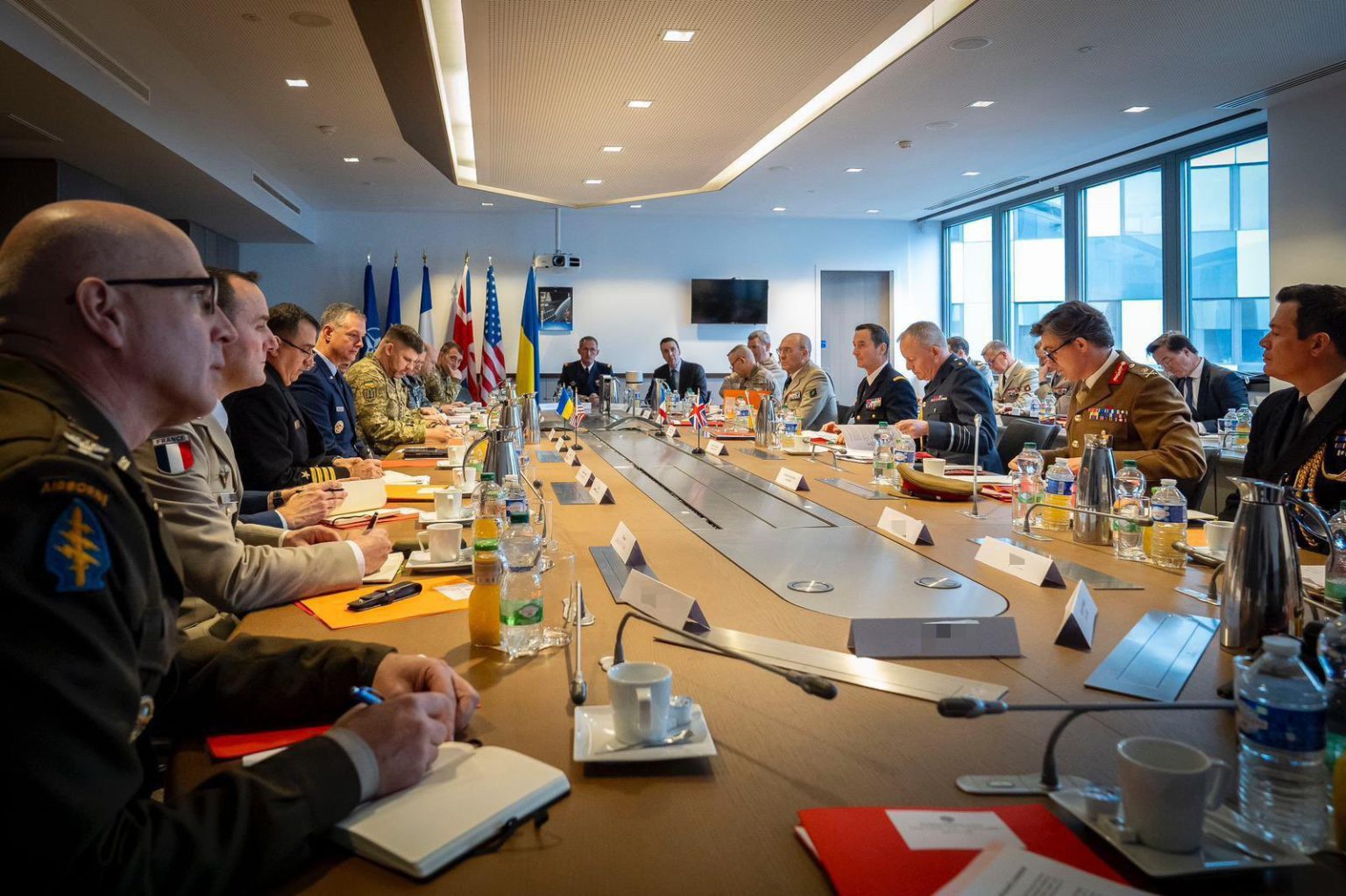
The meeting took place two days after the so-called “Coalition of the Willing” summit in Paris. It was attended by party leaders, the heads of both chambers of parliament, as well as the chairs of the defense and foreign affairs committees. The discussions were held under national security classification.
Parameters of a Future Mission
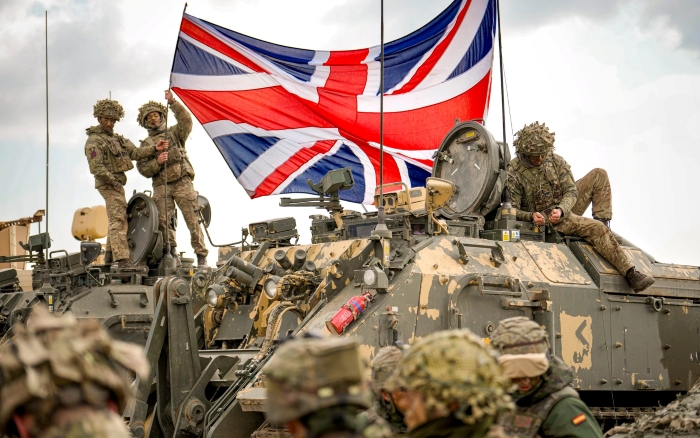
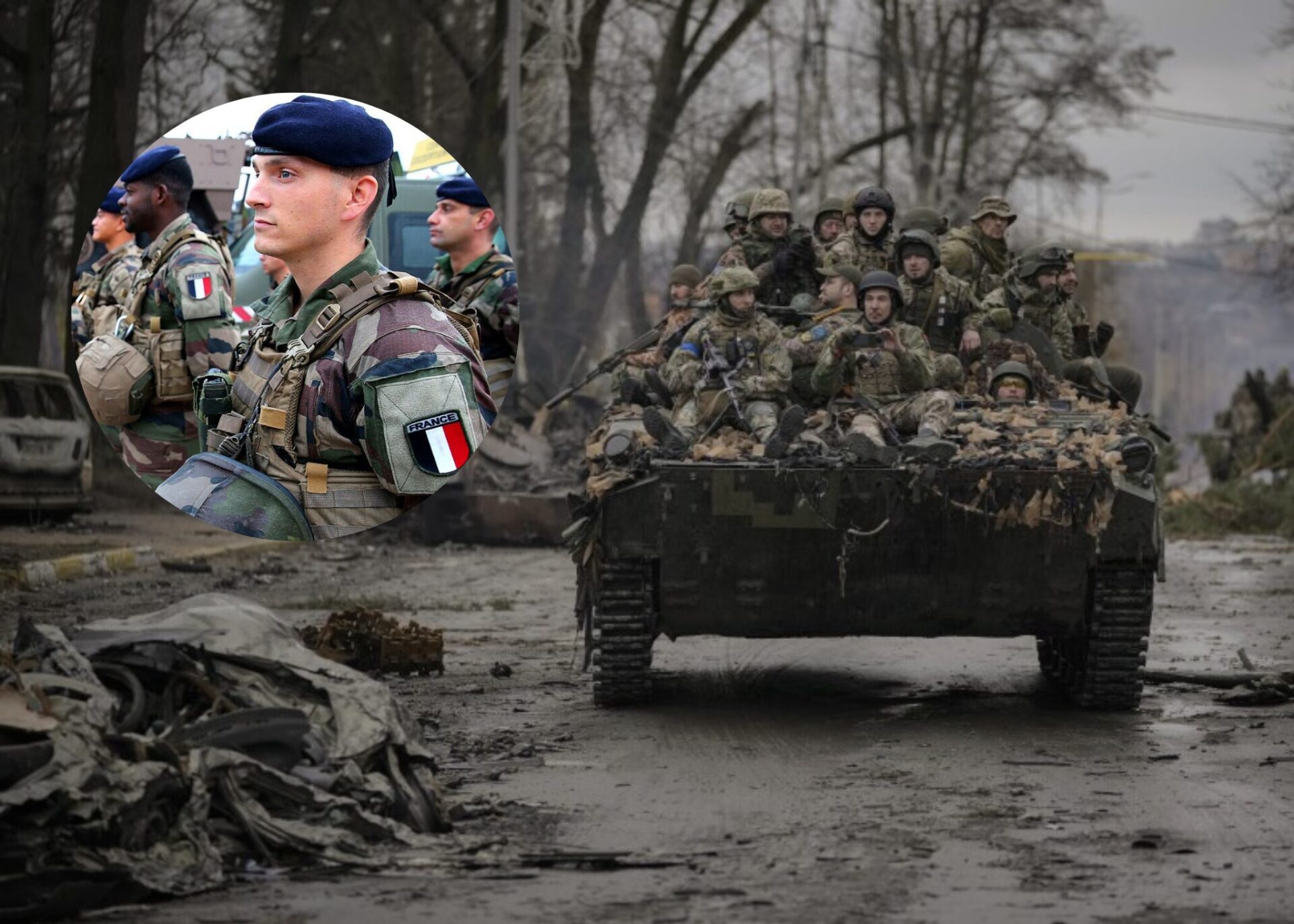
According to some participants, Macron provided a detailed presentation of a possible deployment of multinational forces, including French and British contingents. The plan envisages two brigades with a total strength of up to 10,000 troops, about half of whom could come from the French Armed Forces. The command structure for these forces has already been established and is based near Paris.
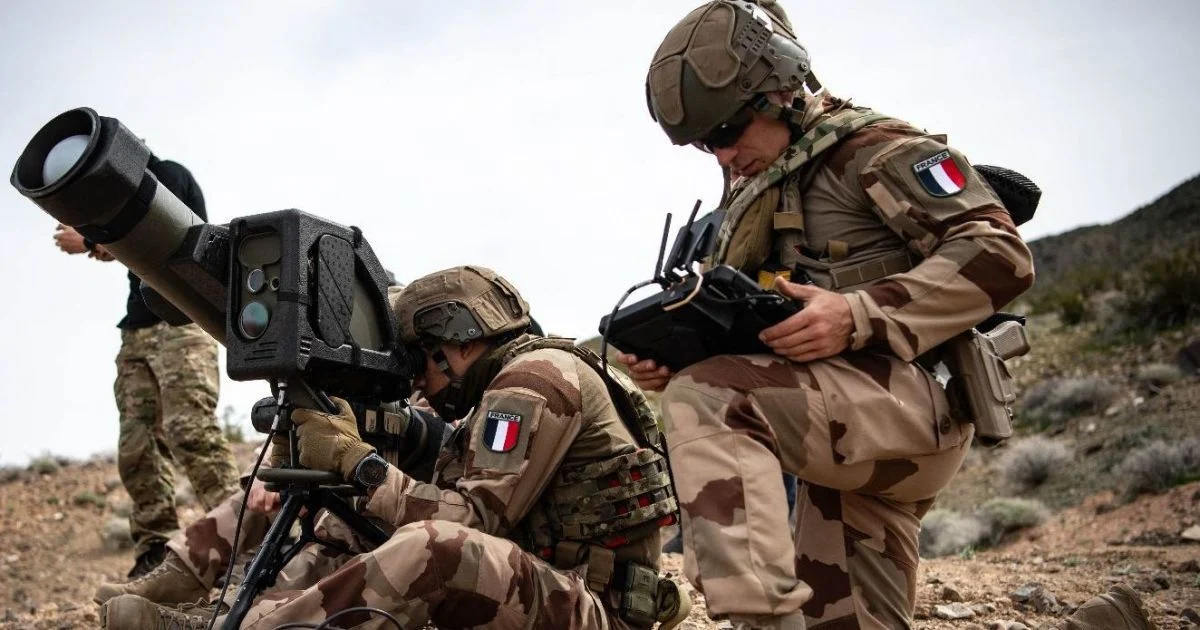
The president emphasized that this would not be a combat mission. According to him, the troops would act as so-called “reassurance forces,” tasked with a deterrent and stabilizing role. In the event of a ceasefire, control of the front line would remain with the Ukrainian army, while international forces would be stationed far from active combat zones and would accompany the monitoring of compliance with agreements.
French authorities also stressed the need to involve parliament in further discussions on the issue. Debates could take place within the next two to three weeks, in line with provisions of the French Constitution.
Positions of Allies
Against the backdrop of ongoing talks, several European states have signaled readiness to contribute to Ukraine’s security after the end of hostilities. France has declared the possibility of deploying its troops as part of an international mission following a ceasefire. Germany, for its part, has expressed readiness to support a ceasefire regime, but without committing to the deployment of its own forces.
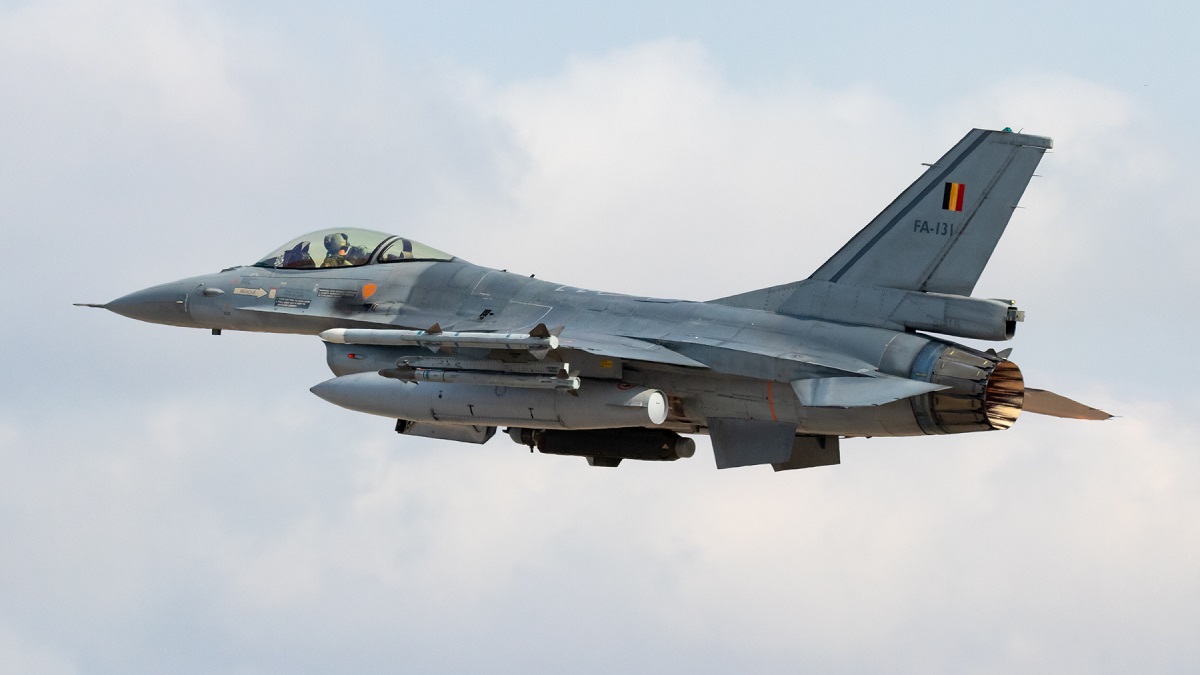
Other partners have outlined alternative formats of participation. Belgium is considering the involvement of its air force and navy to help ensure Ukraine’s security after the war. Canada has indicated it could deploy military personnel, with an initial focus on training Ukrainian troops. Lithuania has stated it would be ready to send several hundred soldiers to Ukraine once peace is achieved.
Spain has also, for the first time, acknowledged the possibility of participating in a peacekeeping mission. Prime Minister Pedro Sánchez said Spanish troops could be involved under international agreements after a ceasefire. Romania, meanwhile, has stressed that it does not plan to send troops to Ukraine, but is prepared to contribute to security guarantees by strengthening security in the Black Sea region.
Conclusion
The plan presented by Emmanuel Macron outlines the framework for potential European security guarantees for Ukraine after the cessation of hostilities, while leaving key decisions at the stage of political consultations. It envisages a limited, non-combat military presence aimed at deterrence and stabilization rather than direct involvement in fighting.
The implementation of this initiative will depend both on domestic political decisions in France and other partner countries, and on developments surrounding a possible ceasefire. At the same time, the varying levels and formats of allied readiness point to the gradual shaping of a multinational security model for Ukraine, although the final parameters of such a mission remain open.