

Ukraine became a part of PACE in 1995, but strong cooperation actively began in 2014. It was then that Russia began armed aggression on the territory of Ukraine, which already in 2022, turned into a full-scale invasion. Since then, many resolutions and recommendations have been adopted, which, in one way or another, were intended to help Ukraine.
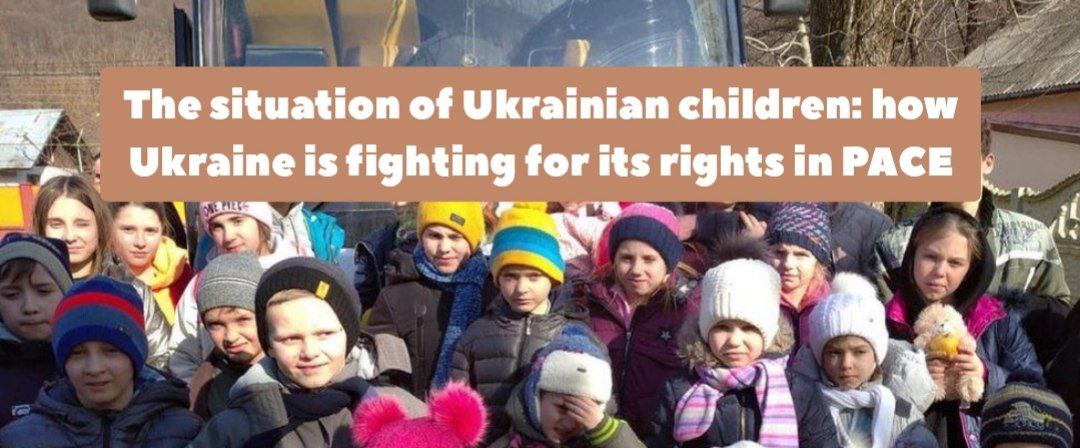
We spoke with two members of the Ukrainian delegation to PACE about the current state of affairs and what to expect from our cooperation in the future. In particular, they talked about the new Resolution “Position of Ukrainian Children”, which recognised the illegal removal of our children to Russia as genocide.
By the way, we previously wrote about how Ukraine fights for justice in various European institutions. In particular, interviewed Anton Korynevych, Ambassador-at-Large of the Ministry of Foreign Affairs, about how he is being tried in The Hague on the genocide case.
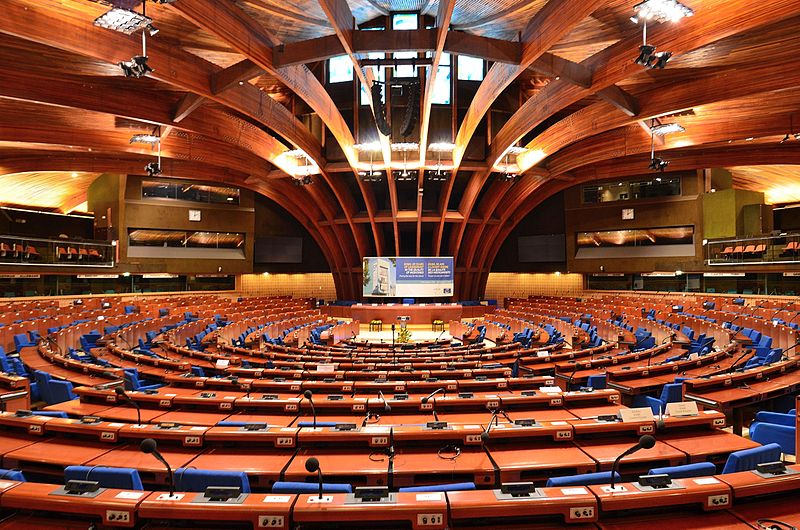
PACE – is one of the two statutory bodies of the Council of Europe. It examines issues related to societal problems and various aspects of international politics within the framework of the Council of Europe’s general mandate, which covers the protection of human rights, the development of democracy, and the rule of law. The results of the Assembly’s work help determine the direction of the Committee of Ministers of the Council of Europe and intergovernmental cooperation within the framework of the Council of Europe.
The Assembly holds four meetings each year. It consists of 306 members and 306 deputies appointed by their countries’ parliaments.
Roughly speaking, PACE monitors how the Council of Europe fulfills its obligations and initiates the development of European conventions. The Assembly also issues documents that serve as guidelines for other European political bodies.
It adopts three types of documents: recommendations for the Committee of Ministers, resolutions expressing their views and conclusions on membership applications, draft treaties, and other texts submitted by the Committee of Ministers.
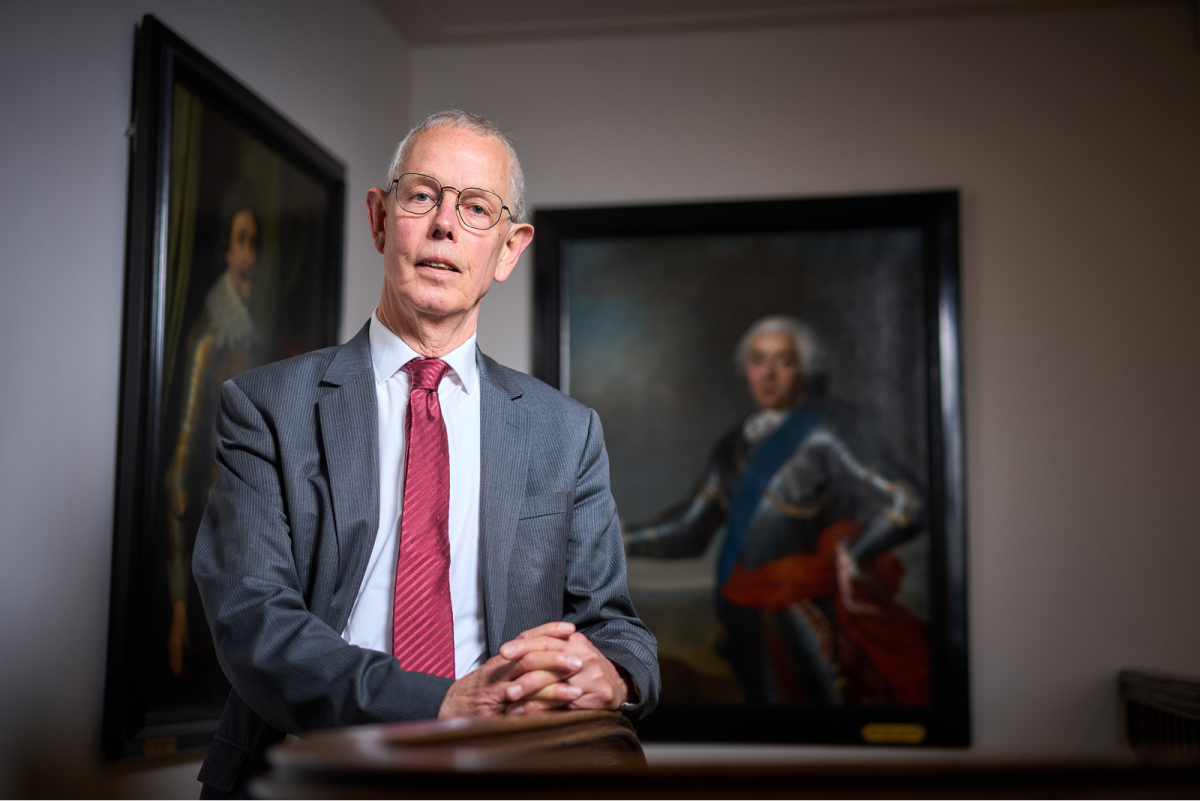
On January 24, 2022, Tiny Kox was elected President of the Parliamentary Assembly of the Council of Europe (PACE). The term of such a position is only one year, but Tiny Kox was re-elected in 2023.
Ukraine and PACE: a new resolution was adopted
The first resolution regarding Ukraine from PACE was published on April 9, 2014. It is called “Recent events in Ukraine: challenges to the functioning of democratic institutions”. It means that the Assembly has confirmed the complete legitimacy of the new government in Ukraine and the legality of its decisions. It also condemns aggression on the part of Russia. Next, every year, the Assembly approved and issued many more resolutions about Ukraine, refugees, acts of armed aggression by Russia, the humanitarian situation, etc. This primarily demonstrated that the European community is closely monitoring and supporting the situation in Ukraine.
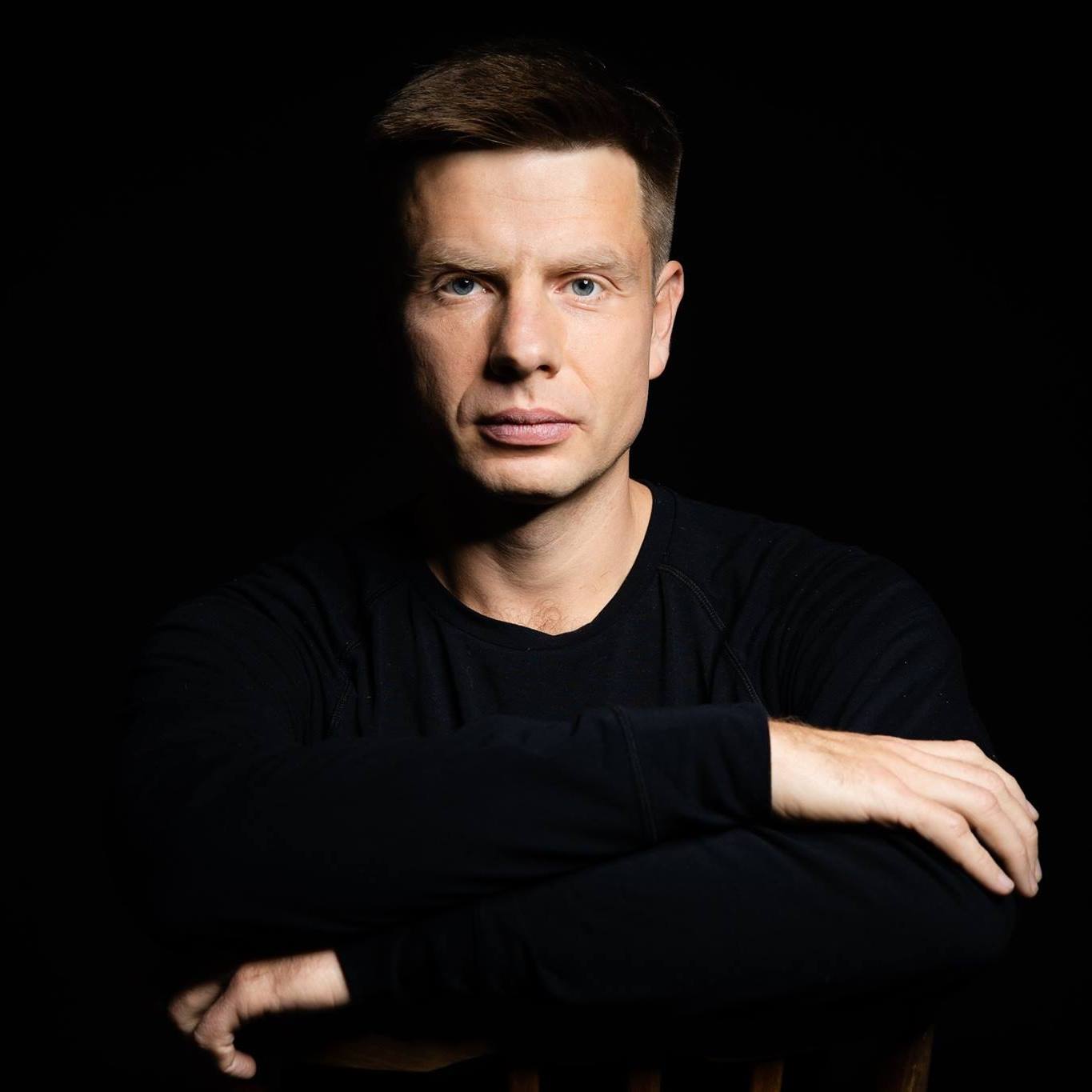
We asked Oleksiy Goncharenko, a member of the Verkhovna Rada of Ukraine, a member of the Ukrainian delegation to PACE, and the head of the PACE Committee on Migration, Refugees, and Displaced Persons to highlight the most important of the adopted resolutions.
“The resolutions adopted by the PACE regarding the Russian-Ukrainian war are important because they help the war remain in the centre of world attention. Since the beginning of the full-scale invasion, questions about Ukraine have been tabled at every session. It is difficult to single out the most important, but special attention should be paid to those calling for the deportation of Ukrainian children by the Russian Federation as genocide of the Ukrainian people and to those calling for the recognition of Putin’s regime as a dictatorship and, accordingly, Putin as an illegitimate president; and those strongly supporting the creation of a special international criminal tribunal to investigate the crime of aggression against Ukraine,” – he said.
He added that it should not be forgotten that these resolutions are exclusively advisory, so they can only encourage other bodies of the Council of Europe (the Venice Commission and the ECtHR) and other international institutions, in general, to take concrete steps to fix the previously mentioned crimes legally. Nevertheless, using certain theses and terminology in the adopted resolutions gives reason to refer to them in the future, already in the process of punishing the aggressor state.
“The Assembly acts as another important international platform for Ukraine for cooperation and discussions of urgent problems in the context of the Russian-Ukrainian war with other member countries. The Council of Europe, which has PACE as one of its bodies, became one of the major international organisations that excluded the Russian Federation from its membership after the start of the full-scale invasion and contributed to the increasing representativeness of Ukraine in the international arena. Ukraine receives a lot of support from this organisation in general, and the PACE body in it, particularly concerning mechanisms for the protection of human rights, which is very important in the conditions of war”, – Goncharenko explained the importance of PACE support for Ukraine.
The last resolution regarding Ukraine was adopted on January 25, 2024 – “Position of Ukrainian children.” In it, the Assembly stated:
- to adopt at the level of national parliaments statements and/or resolutions recognising deportations, forced displacements, and unjustified delays in the repatriation of Ukrainian children as a crime of genocide;
- to inform the competent authorities of Ukraine about the crossing of the border by citizens of Russia who illegally adopted or established guardianship over a Ukrainian child;
- introduce and ensure further compliance with sanctions against Russia and Belarus, as well as include in the sanctions lists persons involved in the deportation of Ukrainian children;
- to assess the participation of mass media representatives in propaganda campaigns organised by Russia and Belarus regarding deported Ukrainian children and to apply appropriate measures, for example, regarding the refusal of accreditation and admission to public events.
In this resolution, special attention was focused on the participation of Belarus in the criminal actions of Russia, in particular, in the removal of our children to the territory of the occupier. We asked Oleksiy Goncharenko whether this could be a reason to open a case at the ICC or the future Special Tribunal against this country. He answered:
“Indeed, greater publicity can contribute to the quick opening of cases. But it is worth noting that Belarus is currently under the occupation of the regime of self-proclaimed President Lukashenko, which authorises the deployment of Russian troops on its territory, who are directly engaged in this removal, so all representatives of this regime involved in the deportation of Ukrainian children should be held accountable and punished adequately.
By the way, I spoke about the involvement of the Lukashenko’s regime in war crimes in April last year when we were considering the resolution regarding the deportation of Ukrainian children, and it was my initiative to approve the amendments to the resolution that, together with the Russian Federation, mentioned Belarus as being involved in this crime. As well as about the fact that Ukraine needs to break diplomatic relations with this occupied state.”
Earlier, back in April 2023, PACE adopted a truly revolutionary resolution in which it recognised for the first time the deportation of Ukrainian children to Russia as genocide and called on the ICC to consider the possibility of criminal prosecution for this crime. Before that, the International Criminal Court limited itself to the term “crimes against humanity” when considering cases regarding the deportation of children, in particular in the case of Putin and Lvova-Belova.
“It is worth distinguishing: crimes against humanity is a general term that includes torture, murder of numerous people, crimes of a sexual nature, while the crime of genocide is aimed at the destruction of a specific, most often ethnic, group of people. We have no doubts that Russia’s actions on the territory of Ukraine are genocide, but it is worth proving both at the legal and political levels. It is often interrelated. Again, the PACE resolutions are recommended, but the more this problem gains publicity, the closer we are to the international community’s approval of such a view. In such a scenario, I hope that the official legal recognition of the actions of the Putin regime as genocide takes less time than it took in the case of the Holodomor,” – commented Oleksiy Goncharenko.
87 out of 89 deputies present voted for this decision. Goncharenko assured that each country in the international arena, of course, operates in its national interests. They do not always coincide with Ukrainian interests. Still, there is a consensus among member states regarding the support of Ukraine in the issue of the Russian-Ukrainian war. Therefore PACE has no obstacles in passing resolutions on this issue, they are adopted unanimously.
“Hope for Ukraine”: how Maria Mezentseva fights for Ukraine in PACE
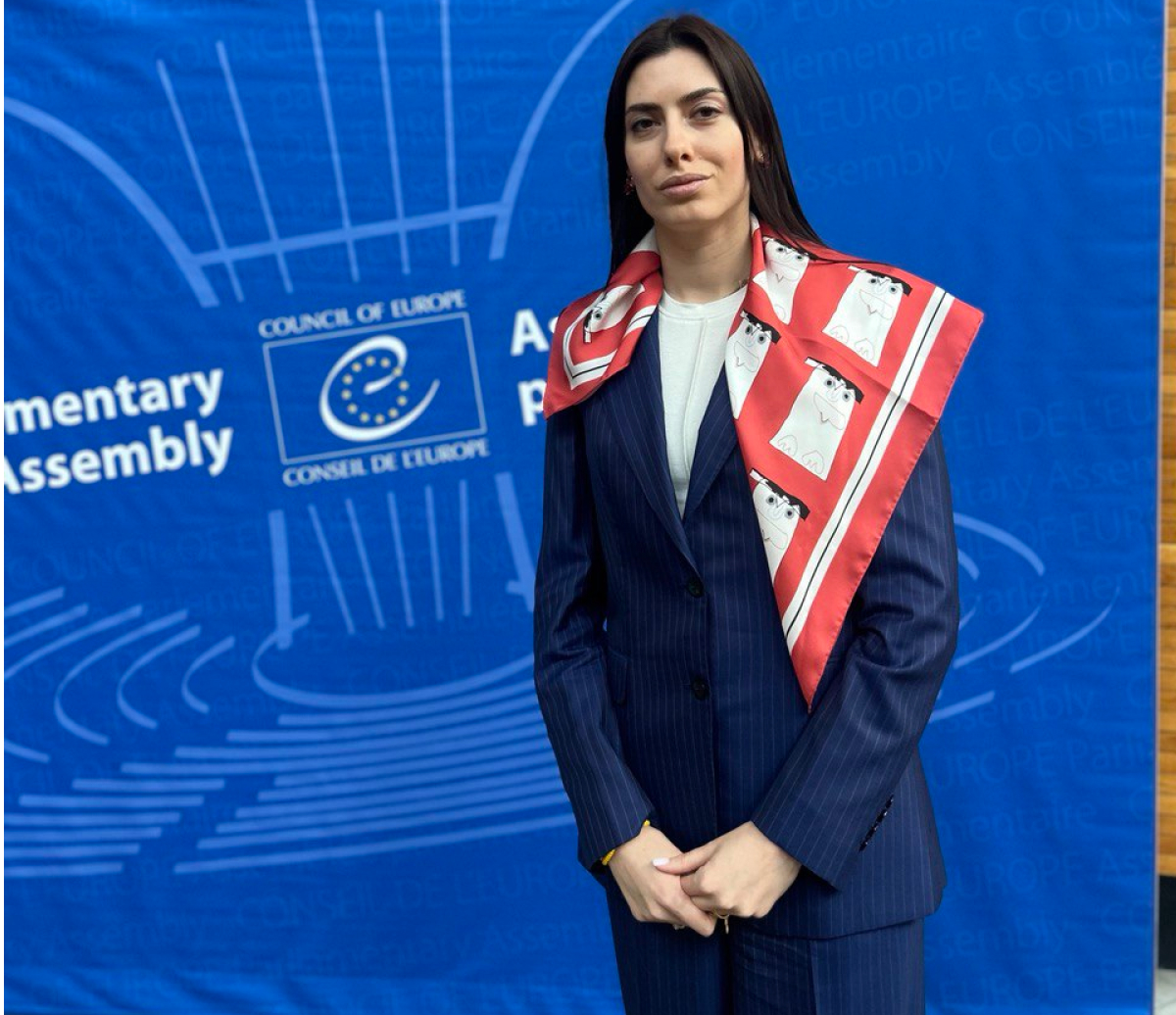
Maria Mezentseva, Head of the Subcommittee on Approximation of Ukrainian Legislation to EU Legislation, Head of the Permanent Delegation to PACE, also shared her experience with The Ukrainian Review. She emphasised that the last two years were the most successful for Ukraine and the organisation.
“We talk separately about the Council of Europe as something unusual. We always profess the principles of courage there as a feature of our diplomatic work of the parliamentary dimension because literally on the first day of the full-scale aggression, I called from the basement of the Kyiv apartment I rent. To understand the organisation’s position and leadership, we must understand our actions against the aggressor. And, you know, this is not even a memoir, but a real story, when nine People’s Deputies (one of them was in France) travelled urgently to prepare this resolution. We travelled immediately to Strasbourg and even had time to perform. For me, such a performance was the first in my life to such an audience in the European Parliament when they gave the floor on behalf of Ukraine. In the evening of the meeting of all MEPs and directly at the conference, which was related to the European future” she said.
She, in cooperation with the Office of the President, the Ministry of Foreign Affairs, Ukrainian embassies, and the permanent representation of the Council of Europe, headed by Boris Ivanovich Tarasyuk, planned an important first resolution, which already contained the ideas of the future Peace Plan of the President. It is about the idea of creating a special tribunal for the crime of aggression by Putin and his associates – that is, the diplomatic, political, and military leadership of Russia. About 20-30 people should be responsible for this aggression.
Another achievement is that the European Court of Human Rights ( ECtHR) established that the war began in March 2014, and the ECtHR, which also belongs to the Council of Europe, established this precisely one year ago, in January 2023. Ukraine has been waiting for this decision for a very long time. It has allowed us to talk about aggression for the last ten years, and not only from 2022.
Also, the issues of returning all civilians and prisoners of war and the return of illegally deported children are gaining great relevance.
“How many resolutions did we vote in support of the tribunal? If I’m not mistaken, seven or eight. They gave an impetus to pick up this topic at the executive branch level. And this is the Ministry of Foreign Affairs. I mean now, both the tribunal and the return of the children. There is a special working group for the tribunal, which includes more than forty countries. All G7 countries are included there. And they work every month at their work meetings. The next one will be, for example, already in March. The recent one was in Luxembourg,” – she said.
She added that her team is focused on a single work plan – 10 points of President Zelenskyy’s Peace Plan. The Ministry of Justice also helped with fair compensation. That is, to first create a register of losses when the prosecutor’s office of Ukraine transfers all registered war crimes, and now there are more than 123 thousand of them.
“This includes destruction, damage to property, loss of close relatives, relatives in general, loss of their quality of being in temporary captivity, search for relatives, search for prisoners of war, deported children, crimes, rape, where the youngest child affected is four years old, and so on. That is, Ukrainians must receive compensation for all of this, for every war crime. Therefore, it is important to register them. By the way, this war, which is now experienced not only by Ukraine but also by the entire modern world, is the most documented war ever seen in history. And these documents and evidence mustn’t disappear”.
In her opinion, the register and compensatory mechanism will be officially opened already in April 2024.
“We had to convene an international conference at the level of presidents, prime ministers, parliamentarians of the Council of Europe and beyond. It happened in Iceland in May 2023. We talked about the ecocide that Russia is committing, and about the European integration processes, and mostly, of course, additionally about the tribunal and the new idea of the register of damages and the compensation mechanism.”
She reminded that the next meeting in April will discuss and vote on the resolution, which is called “Restoration of Ukraine and Frozen Russian Assets”.
The European Council is currently chaired by Belgium, and it has already transferred part of the funds – more than € 1-2 billion, accumulated interest for storing Russian frozen assets has already been transferred to Ukraine. And she suggests doing so to every state that holds these assets.
“There has never been such a thing in the history of the Ukrainian PACE delegation that we occupied almost ten different management positions. We have leadership in committees. This is the committee that I am heading for the second year in a row, I was re-elected as Chairperson of the Committee on Equality and Non-Discrimination, which, by the way, deals with the issue of national minorities, the rights of national minorities, which was the seventh point of our obligations upon joining the EU.
Oleksiy Goncharenko also heads the Committee on the Migration of Refugees and Temporarily Displaced Persons. Olena Khomenko is the Vice-President of PACE and the head of the subcommittee on children’s rights, etc.”
Among the challenges the Ukrainian delegation to PACE is overcoming, it singled out the ability to process data and work itself.
“For the reader to understand, this is a parallel reality; it’s like having an additional parliament because the laws are the same, but they are prepared faster. For example, when it is an urgent debate, you must start the text on Monday and vote on it on Thursday. That is, it is not four months, it is four days. We have a staff of assistants and interns. I want to appeal to those who want to try themselves in international politics and invite them to join our delegation.”
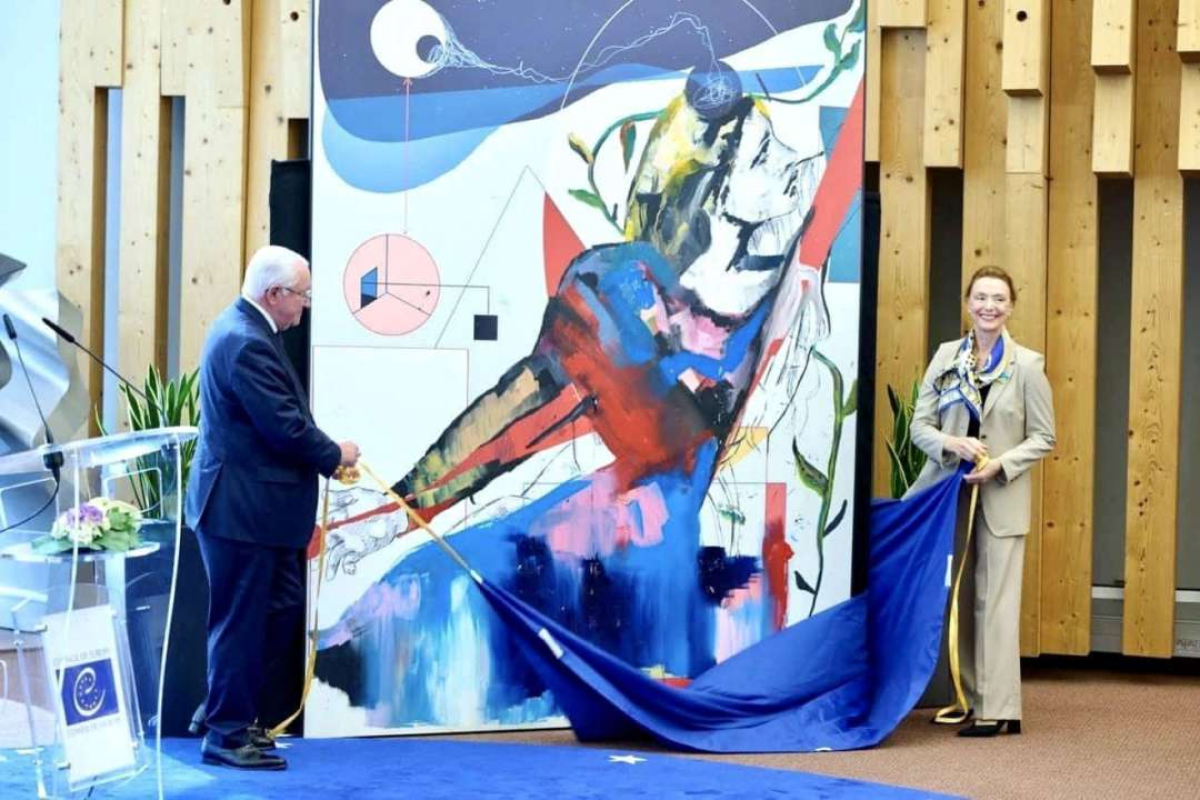
The delegation conducts a lot of cultural diplomacy. For example, last October 2023, it presented the painting “Hope for Ukraine”, which was painted in 2022 to the accompaniment of the Lysenko Opera and Ballet Theater of the city of Kharkiv, which came specially to play world music, well-known and Ukrainian as well. This picture now adorns the Council of Europe. A gift from Russia once hung in its place. It was removed and liquidated.
“By the way, there will be a separate resolution regarding the erasure of cultural identity, and cultural heritage. And how much we cover each topic is very important. We see Ukraine in every topic.”
She concluded that the parliamentary track of diplomacy should never be underestimated. Many PACE decisions were copied in the NATO parliamentary assemblies, the OSCE parliamentary assemblies, the European Parliament, and even the UN. By the way, Ukraine voted a separate resolution on the reform of the UN, and so far, we are the only ones who speak about it at the international level.
Spring 2024 session of the PACE: what to expect next
During the PACE winter session from January 22 to 26, 2024, in Strasbourg, the adoption of the resolution “Position of Ukrainian Children” was not the only significant event.
“In the current conditions of the constant emergence of new conflicts, it is becoming increasingly difficult to keep the Russian-Ukrainian war in the focus of the international community’s attention. This winter session did not focus on our war. Still, the resolution “Globalisation in times of crisis and war: the role of the OECD after the aggression of the Russian Federation against Ukraine” approved my amendments that called attention to the Kakhovka tragedy and the deliberate use of food supplies and the sale of energy resources by the Russian Federation as a weapon against the security of Ukraine and the world,” – explained Goncharenko.
On January 22, 2024, Oleksiy Goncharenko was appointed the Chairman of the PACE Committee on Migration, Refugees, and Displaced Persons. Previously, he held the position of Vice President of the PACE Committee on Migration, Refugees and Displaced Persons. We asked what his first actions would be in his new position.
“It is worth starting with the fact that I have worked on this committee before, but of course, the amount of work will increase for the President of the committee. Three subcommittees work within the committee, in particular: the Subcommittee on Children and Youth of Refugees and Migrants; Subcommittee on Diasporas and Integration, and the Subcommittee on Migrant Smuggling and Human Trafficking, so of course, these topics remain on the agenda. And, of course, I will continue to actively work in the interests of Ukraine and Ukrainians in this position, especially given that consideration of most of the resolutions on Ukraine relates to the work of our committee,” – he said.
He also announced that we will continue our work on defending Ukrainian interests at the spring session. He consistently highlights his work in PACE, and all adopted resolutions on social networks. For now, some resolutions concerning Ukraine are on the agenda, but details will be later.
Therefore, Ukraine continues to fight on various international platforms for justice and punishment of Russia. The resolution “Position of Ukrainian Children” was another confirmation that the civilised world condemns acts of terror and genocide by Russia. New decisions and statements should be expected already at the spring session of PACE.
Tetiana Stelmakh