

On February 26, 2022, Ukraine filed a lawsuit with the UN International Court of Justice, which is located in The Hague, regarding Russia’s violation of the International Convention on Genocide. Even before the full-scale invasion of Ukraine (February 24, 2022), the Russian leadership repeatedly accused Ukraine of genocide in the east of its own country and used these false narratives to attack.
“The purpose of the special operation is to protect the people who have been subjected to abuse and genocide by the Kyiv regime for eight years,” – this is how President Vladimir Putin justified the start of the war against Ukraine on February 24, 2022.
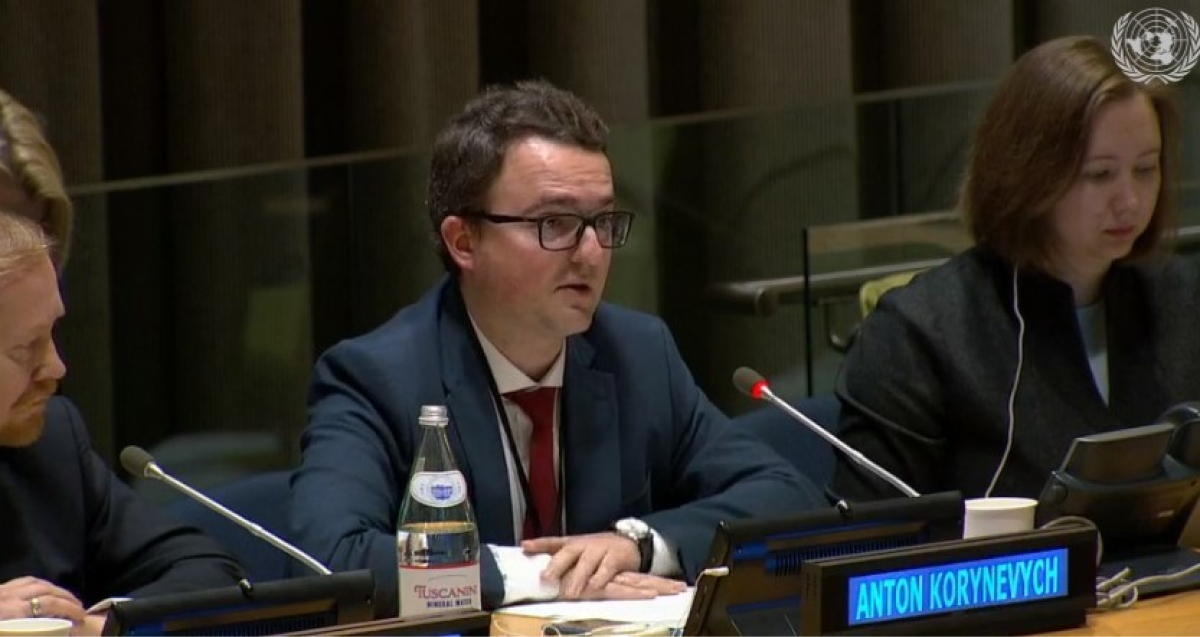
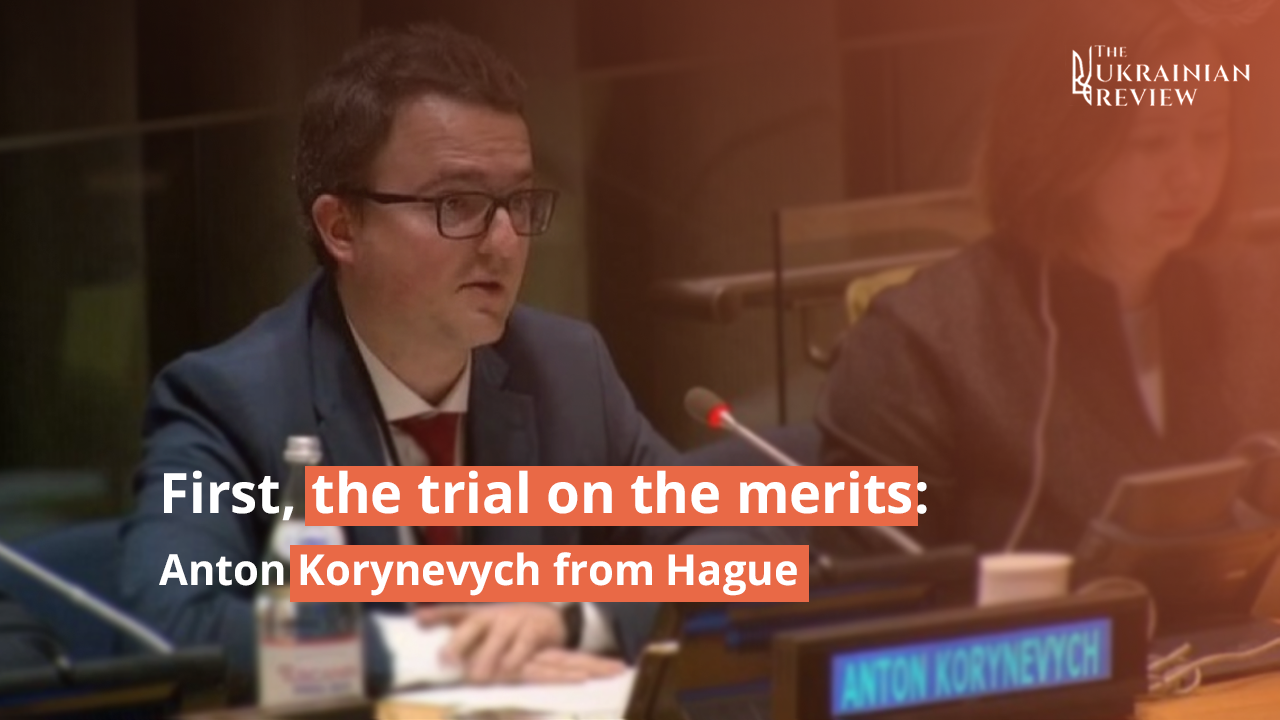
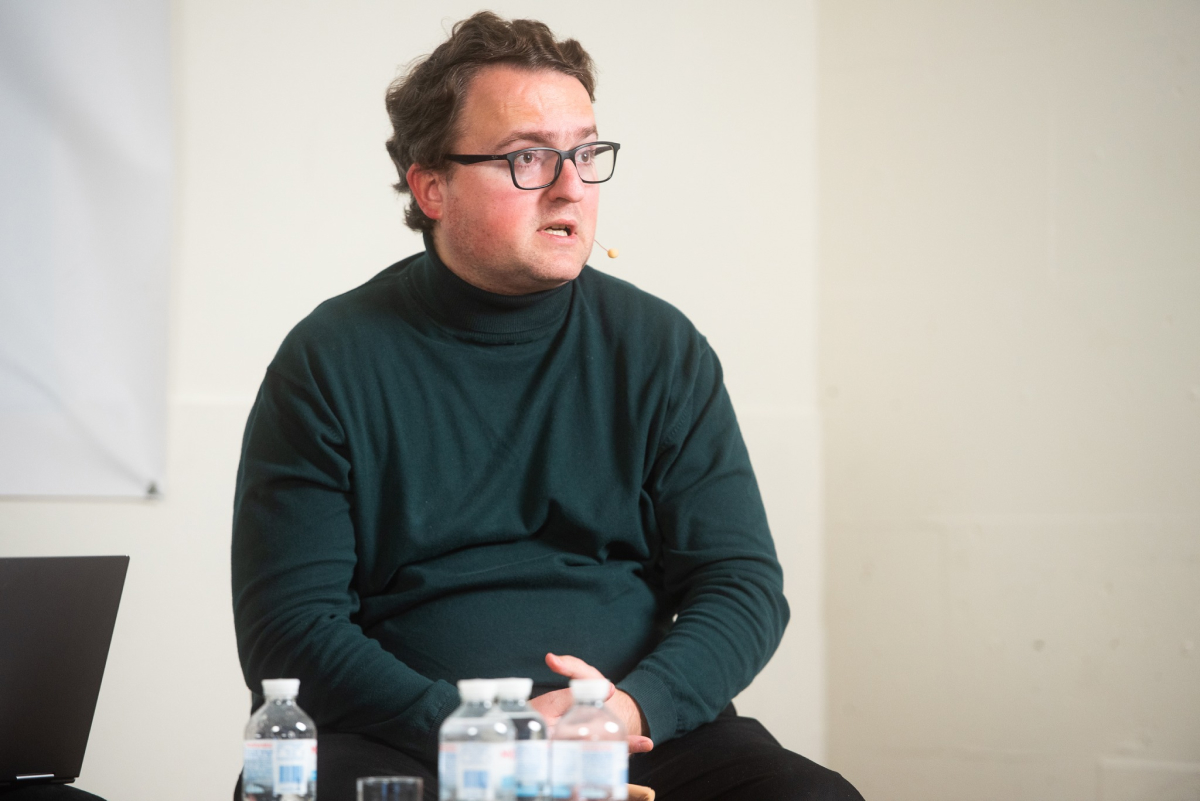
These and other manipulations by Russia now give Ukraine a reason to defend ourselves in the UN International Court of Justice, which we are doing successfully. Anton Korynevych, Ambassador-at-Large of the Ministry of Foreign Affairs, told in an interview for The Ukrainian Review how he represents Ukraine in the international arena, what our next steps are and how the creation of the Special international tribunal for the crime of aggression is handled.
What have we managed to achieve already? The latest big news regarding The Hague is the ICC warrant for Putin’s arrest, did anything happen after that that the media missed?
The Hague is the capital of international justice, but several international judicial institutions operate there at once, which are now important for Ukraine. In particular, two fundamentally important ones are the UN International Court of Justice and the International Criminal Court.Therefore, I would divide this question into elements. So what happened in The Hague?
Indeed, you mentioned the first element – on March 17, 2023, the International Criminal Court issued the first two arrest warrants for Vladimir Putin and Maria Lvova-Belova on charges of war crimes, including the illegal deportation of Ukrainian children from Ukraine. This is really a key result in 2023 for both our work and the work of the International Criminal Court regarding the investigation of the situation in Ukraine. This also applies to the individual responsibility of natural persons, i.e. citizens of the Russian Federation, specifically Vladimir Putin and Maria Lvova-Belova.
There is also the UN International Court of Justice in The Hague, where in June 2023, the first hearings on the merits of the interstate case – “Ukraine v. Russian Federation” took place. Ukraine filed a lawsuit against it in 2017, it concerns the Russian Federation’s violation of two international conventions: the International Convention on the Elimination of All Forms of Racial Discrimination and the International Convention on Combating the Financing of Terrorism. This is a very important fact, because these are the first hearings on the merits of the case in general in all international judicial bodies that are currently considering the Ukraine v. Russian Federation case. I hope we can expect a decision on the merits of the UN international court in this case.
In addition, in September 2023, hearings were held at the jurisdictional stage of the second case “Ukraine v. Russian Federation” in the case of accusations of genocide at the UN International Court of Justice. And this is the case that Ukraine submitted to the International Court of Justice on February 26, 2022, as, accordingly, one of the reactions to the full-scale invasion of the Russian Federation. These hearings were very important, because in addition to Ukraine, delegations from 32 countries took part in the hearings who, accordingly, expressed their support for Ukraine’s position. This is an unprecedented case in the history of the UN International Court of Justice, because never in the history of the International Court of Justice has there been such a large number of states that joined.
Well, the third event related to The Hague, which is also important this year, at the headquarters of Eurojust, the International Center for the Prosecution of the Crime Progression Against Ukraine (ICPA) started working – this is the first international effort to investigate the crime of aggression, in its case real action after the Second World War. Another important step and stage will be the creation of the Special Tribunal for the crime of aggression against Ukraine. So a lot has happened in The Hague this year and we are working to ensure that next year we also have good news from The Hague.
According to a February 26, 2022 statement, Ukraine does not accuse Russia of genocide, but rather of manipulating the Genocide Convention to justify its February 24 invasion. That is, as far as I understand, our goal is to prove the fact of this manipulation and the fact that the Russian attack was groundless. Is this a correct statement?
In general, yes, this is a completely self-sufficient matter that has its own separate subject. Indeed, this subject is that the Russian Federation manipulated, distorted the concept of genocide and misused it, accusing Ukraine of committing a mythical genocide in Donbas for 8 years, starting in 2014, and thereby justifying its full-scale invasion.
In this case, Ukraine is trying to prove that, accordingly, such liars, manipulative and speculative claims about genocide are violations Genocide Convention of 1948. By the way, on December 9, 2023 we celebrated the 75th anniversary of this convention.
32 states joined the genocide case to express their interpretations of the provisions of the Genocide Convention. I want to ask if they are all unanimous in supporting Ukraine’s desire to bring this case to the merits, and if not, who is “slowing down” the process?
Indeed, this case is better known as the Allegations of Genocide case, because it is the accusation of genocide that is at stake. 32 states have joined this case and all of them express positions that the court has jurisdiction to consider this case on its merits. We are now in the jurisdictional stage of this case and this stage should end with the court deciding whether it has jurisdiction or not. If there is, the case will be heard in court.
All third countries have a position that coincides with the position of Ukraine, you can familiarize yourself with their interventions on the website of the International Court of Justice of the United Nations. No one “puts sticks in the wheels”. The Russian Federation tried at the hearing in September to present their positions, but currently there are no other opinions, except that all 32 states that have joined the case really have the same position as Ukraine.
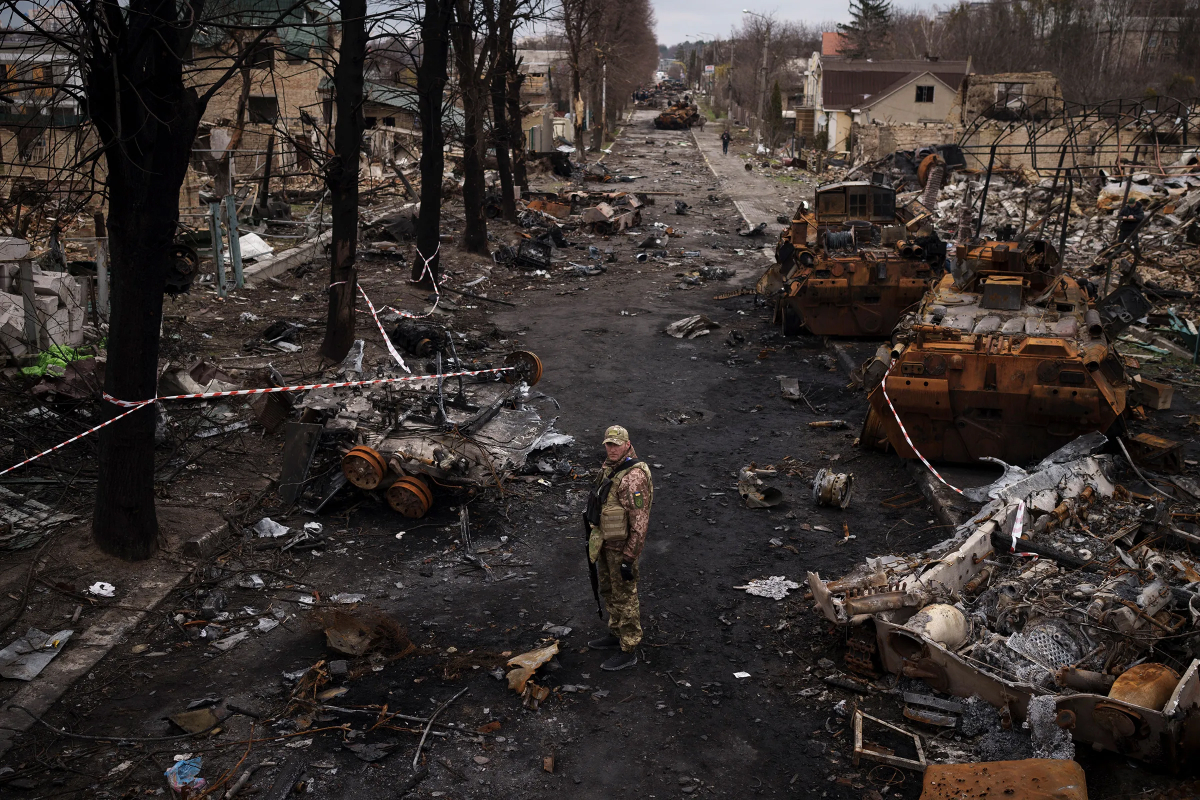
Considering the fact that we do not accuse Russia of genocide in our statement, but it still committed it on our territory after a full-scale invasion, will we make another statement to the IC against the aggressor country already because of the commission of genocide? Maybe it will be included in the same case? How will this happen?
This case, which we have now in the UN International Court of Genocide, is completely self-sufficient. It has its own subject. 32 states are involved in this case. That is, adding new elements to this case would not be logical and would not be effective because it would reshape this case. And this could be noted during the course of this case in court. It is important to focus on this.
Regarding further actions. International law has long developed in such a way that genocide is a crime. Individual criminal liability is assumed for crimes. Therefore, at present, it will be correct to talk about bringing to responsibility for committing the crime of genocide precisely in the context of individual criminal responsibility of individuals.
How can this happen? Within the framework of the national judicial system of Ukraine, within the framework of our criminal code, where there is a corresponding article 442 on the crime of genocide. We already have verdicts against Russian propagandists in cases of public incitement to commit the crime of genocide. That is, there are already important work results.
In addition, this is also an international criminal court, that is, efforts are also being made to bring it to issue relevant arrest warrants not only for war crimes, but also for the crime of genocide. That is, the UN International Court of Justice in this entire legal struggle and in the context of genocide itself can only be the last link, not the first. Before that, all these moments should take place on the track of individual criminal responsibility for committing genocide.
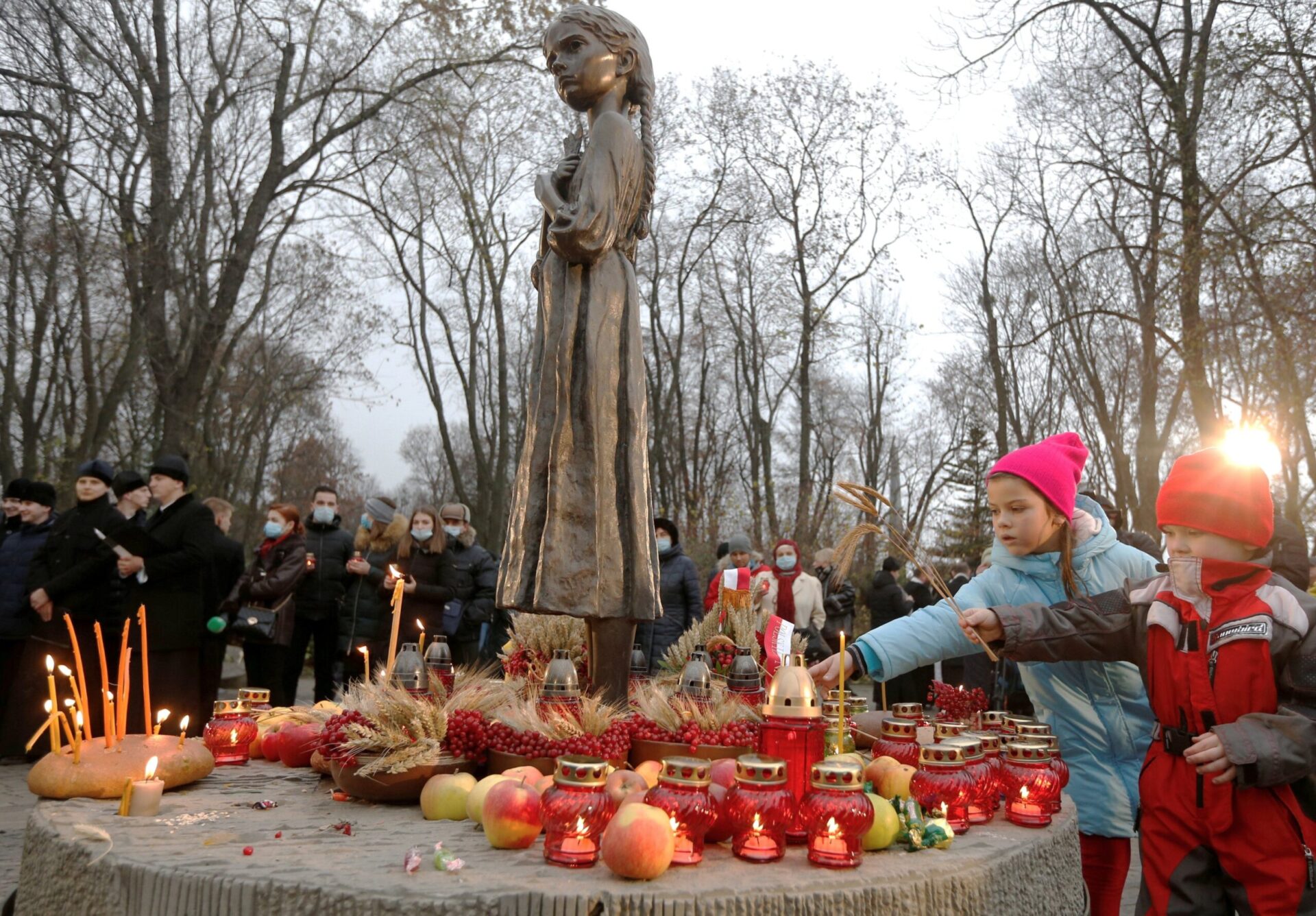
Given that our statement against Russia concerns genocide, can Ukraine also add the Holodomor case to the consideration? Will this fixation on one more problem complicate the process?
In my opinion, this case that we have now – the accusation of genocide, is self-sufficient, it has its subject, and it does not need any additions or changes. Regarding the specific issue of the Holodomor, here, I think, it is more important to talk about this political and legal track of recognizing the Holodomor as genocide of the Ukrainian people. Recognition of the Holodomor as genocide of the Ukrainian people at the level of national parliaments, parliamentary assemblies, and international organizations is now the main reference point for us. It should be taken into account that these events took place before the adoption of the Convention on Genocide and before its entry into force.
What will victory in this case do for us and what will we do next? Shall we fight for reparations?
The main thing now is for the UN International Court of Justice to decide that it has jurisdiction to hear the case on its merits. This will open the next stage for us – consideration of the case on its merits. And here we will achieve, of course, several things first.
The first is for the UN International Court of Justice to decide that the Russian Federation, with its lying manipulations and speculations, has violated the Genocide Convention. And it is very important that the UN International Court of Justice decides that the Russian Federation has violated one of the key international treaties of modern international law. This in itself is a great value of such a solution.
But apart from that, we are also talking about reparations from the very beginning of this case. If the International Court of Justice of the United Nations decides that Russia violates the Genocide Convention, then the Russian Federation must compensate for the damage caused and provoked by the aggression against Ukraine and its full-scale invasion. Therefore, we hope that if there is a decision of the International Court of Justice of the United Nations in favor of Ukraine, which will claim that the Russian Federation has violated the Convention, we will also open the issue of reparations. So now, once again, the key thing now is to have a court decide that it has jurisdiction, this will allow us to work on the merits of the case.
Will a lawsuit be brought to the international court against Belarus or other allies of Russia, as complicit in the crimes of the aggressor? Is it worth doing?
Well, crimes of aggression are a little different story, because the UN International Court of Justice does not consider such issues. And that is why Ukraine has been working on the creation of a special tribunal for the crime of aggression against Ukraine for a year and a half. It is very important to create such a tribunal. So far, only the International Center for the Prosecution of the Crime Progression Against Ukraine has been created.
We hope that the special tribunal will be established soon, because it can try any natural persons, citizens of any states, for committing crimes of aggression against Ukraine. So it will already fall under the jurisdiction of this tribunal.
By the way, the European Parliament called on the ICC to issue a warrant for Lukashenka’s arrest, but this has not yet happened. Why? Can we say that this case awaits the creation of a special tribunal?
I will only say that in the case of the creation of a special tribunal, it may not be limited. It will be decided by his judges, of course, but he may not be limited to citizens of the Russian Federation, because he will work with crimes of aggression. The crime of aggression is a specific concept. And the tribunal itself will decide which country’s citizens should be prosecuted for committing this crime.
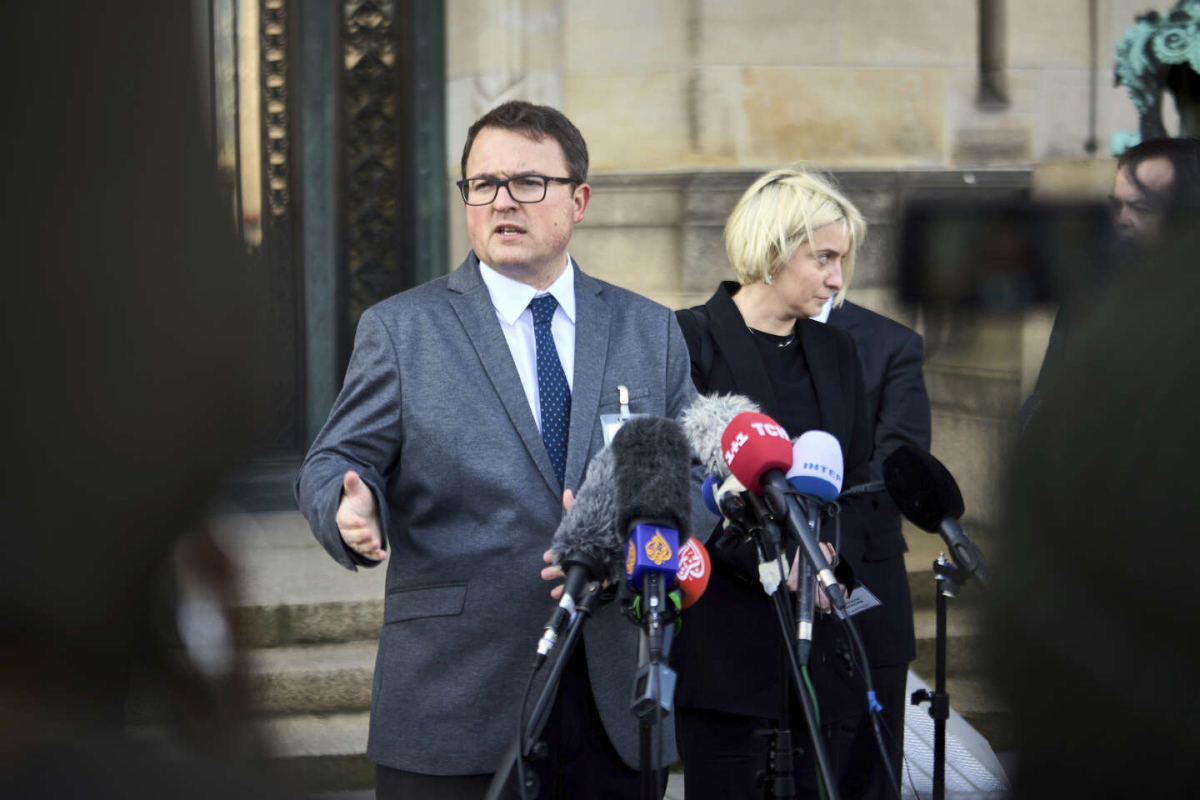
Bloomberg wrote that the first cases of Russian war crimes in Ukraine may begin to be considered at the International Criminal Court as early as 2024. The chief prosecutor of the ICC, Karim Khan, said that if necessary, Ukraine can extradite Russians suspected of war crimes to the court in The Hague, even though Russia is not a member of the ICC. So, for a better understanding, the ICC will deal specifically with war crimes of specific Russians (officials), and the special tribunal will deal with officials at the top of the government, right?
Here, rather, the difference is in the subject matter jurisdiction. The ICC can prosecute citizens of the Russian Federation, despite the fact that the Russian Federation has not ratified the Rome Statute of the ICC. This is happening because Ukraine has recognized the jurisdiction of the International Criminal Court over crimes committed on the territory of our country, no matter who, no matter which country’s citizens. Therefore, the International Criminal Court can prosecute citizens of the Russian Federation. He does this, for example, two warrants for the arrest of Vladimir Putin and Maria Lvova-Belova.
The ICC is working on the situation in Ukraine under three categories of international crimes: the crime of genocide, a crime against humanity, and war crimes. The ICC cannot work on the crime of aggression, on the situation in Ukraine.
Therefore, in case of its creation, the special tribunal will work only with the crime of aggression. The crime of aggression in international law is understood as an elitist crime. That is, we can absolutely predict now that the special tribunal in case of its creation, will persecute members of the political and military leadership of the Russian Federation. And the International Criminal Court can prosecute any Russian serviceman or representative of the military-political leadership for war crimes, crimes against humanity, and genocide.
A coordination group of 40 countries is considering the option of creating a so-called internationalized Special Tribunal, which will be based on Ukrainian legislation. Member of the Venice Commission from Lithuania Dainius Zhalimas said that such a model is not appropriate, because when everyone recognizes that this is a crime against the entire international community, then it would be logical to condemn it not according to Ukrainian legislation, but according to international law. This will supposedly eliminate the problems with Putin’s immunity. Do you agree with this opinion?
During this year, “Core Group” held 6 meetings. This is a discussion platform, where we discuss the key legal and technical issues of the creation of the Special Tribunal, which will continue its work next year. And this is certainly a very important initiative for the creation of the Special Tribunal.
The fact is that the “Core Group” does not discuss only the model of the internationalized Tribunal based on Ukrainian national jurisprudence. Core Group is also discussing other options. That is, “Core Group” did not make and does not make any decisions on this issue. The task of the group is to discuss all possible models, find their pros and cons and analyze them in such a way that it is clear how best to move forward.
Yes, there are several models being discussed: creation of an international tribunal based on Ukraine’s agreement with the UN, creation based on a multilateral international treaty between states. There are states that believe that the best option would be to create this internationalized tribunal you mentioned. But these issues are debatable, they are discussed.
Zhalimas also said that a special tribunal can be created through the Council of Europe, through an agreement with Ukraine or between all members of the Council of Europe. Is this method more profitable for us, or is it rather a plan B?
Unconditional participation of regional international organizations is important.
It increases the legitimacy of any international body. And the participation of the largest European regional organization, the Council of Europe, would be useful. It, like the Parliamentary Assembly of the Council of Europe, adopted quite a number of resolutions calling for the creation of a special tribunal. And the Committee of Ministers of the Council of Europe considered this issue and called for continued work on the search for model to create a special tribunal. It is necessary to understand how this involvement should take place and whether the Council of Europe can be just the platform for the creation of a tribunal as such. All these issues are discussed and analyzed.
Prosecutor General of Ukraine Andriy Kostin said that the purpose of the special tribunal is to prove the crime of aggression against Ukraine. What is included in this concept? (war crimes, orders, illegal invasion, etc.)
I can only agree with dear Andrii Kostin, because the key task of a special tribunal will establish the crime of aggression against Ukraine. And this is very important, because we understand that we need to have a decision of a judicial body that there are certain individuals from the political and military leadership of Russia who are responsible for committing the crime of aggression against Ukraine.
What is the crime of aggression, if you try it in a simple way? This is not a war crime, because a war crime is a serious violation of the laws and customs of war, as well as a violation of international humanitarian law, for example, the killing of prisoners of war. That is, these are the crimes committed during military conflicts.
And the crime of aggression is when you illegally, unlawfully start a war against another state. And here, for example, Article 8 of the Rome Statute of the International Criminal Court defines the crime of aggression as planning, preparation, initiation, execution by a person who is in a position to effectively control or direct the political or military actions of a state. That is, the commission by such a person of an act of aggression against another state, which by its nature, seriousness and scale, is a serious violation of the UN Charter.
What is the next court event to expect and when? (new meeting, adopted decisions, etc.)
We hope that quite soon we will hear that the International Court of Justice of the United Nations will be ready to issue a decision, in fact, in the case of violation of the international convention on the elimination of all forms of mass discrimination and the International Convention on the fight against the financing of terrorism. Also, the decision on jurisprudence in the case of accusations of genocide. But we cannot know when it will happen, the International Court of Justice will definitely inform the parties about it.
Tetiana Stelmakh