


The full-scale invasion affected all spheres of Ukrainian life, including education. Students and schoolchildren were forced to leave their homes, switch to distance learning, and some dropped out altogether. Despite this, Ukrainian science has managed to survive and even increase its pace of development.
In 2024, there were almost 170,000 higher education students in Ukraine, compared to more than 105,000 before the full-scale reform. Accordingly, statistically, the number of applicants has not decreased since February 24, 2022, but has even increased.
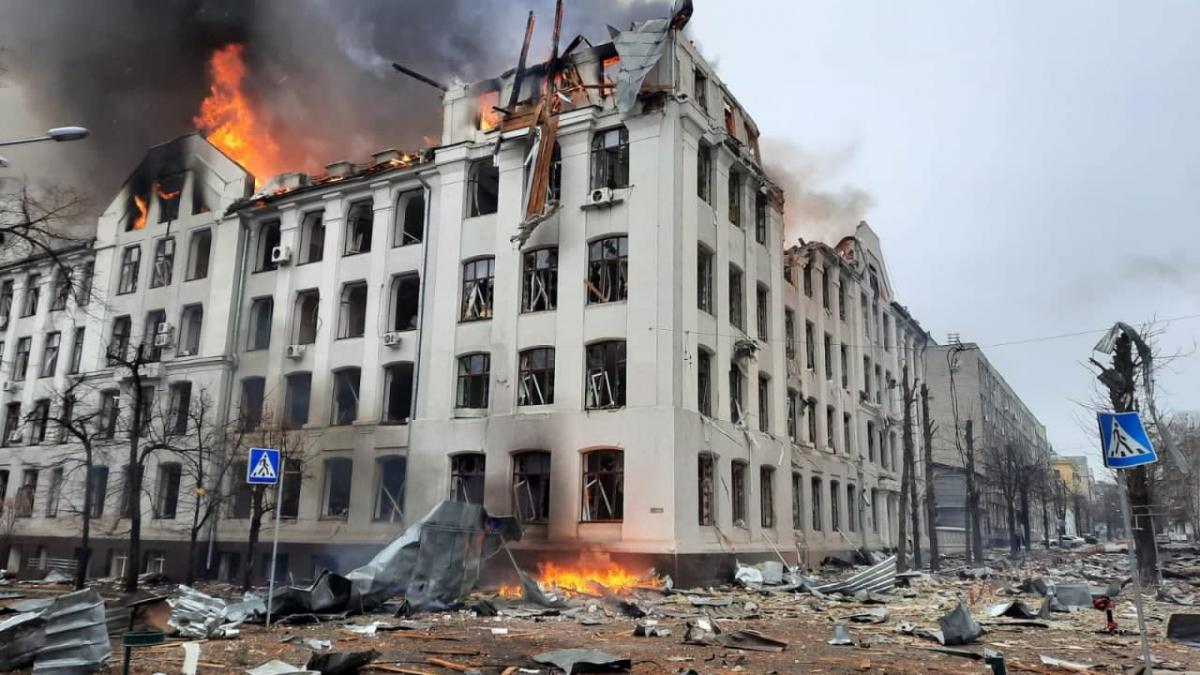
However, 11 higher and pre-university education institutions were destroyed due to the full-scale invasion, according to the Ministry of Education and Science of Ukraine (MES). Another 278 institutions were damaged, a third of them in the Kharkiv region.
How the MES has adapted to the war
The Ukrainian Review asked the Ministry of Education and Science for a comment on the decline in the number of foreign students in Ukraine and was told that this is indeed the case. There are the following reasons for this:
- The situation in the country is difficult due to the full-scale war.
- Due to the absence of direct flights, foreign applicants are currently required to obtain a transit visa of the neighboring country through which they will enter Ukraine in addition to a Ukrainian student visa.
- Non-recognition in some countries of distance learning, which is currently one of the ways for Ukrainian higher education institutions to adapt to changes in the organization of the educational process under martial law.
There are currently 27,000 foreign students in Ukraine, most of whom come from China, Azerbaijan, and India.
Last year, about 20,000 Ukrainian graduates either went abroad to study or immediately went to work, which is the relative norm nowadays and before the full-scale. The Ministry of Education and Science told us what methods they use to bring their scientific potential back home. In particular:

- establishing special temporary examination centers to conduct NMT, EMI, and EFE abroad. Last year, NMT was held in 48 cities in 28 countries;
- the opportunity to participate in the competition for admission, remotely submit documents and confirm the choice of a place of study through the applicant’s electronic account;
- the possibility of reinstatement of Ukrainians to higher education institutions, including those transferring from foreign higher education institutions, provided that the applicant meets the requirements for admission during the first year of study;
- recognition of the results of non-formal or informal education abroad in the Ukrainian educational process;
- Recognition of higher education degrees and documents on other types of education obtained in foreign higher education institutions that correspond to levels 2-5 of the National Qualifications Framework
- qualifications issued by foreign educational institutions;
- a variety of ways to finance students’ education and state orders, targeting of state targeted support, improvement of the mechanism of formation and distribution of state orders.
Increased effective demand in the educational services market is an additional incentive to obtain quality higher education in Ukraine. Draft law No. 10399 also provides for the improvement of the provision of special state support by strengthening its targeting and monetization of tuition fees for higher education for underrepresented, unprotected and vulnerable groups, especially given the consequences of the war, – the Ministry of Education and Science added.
Studying under fire: Mechnikov Odesa National University
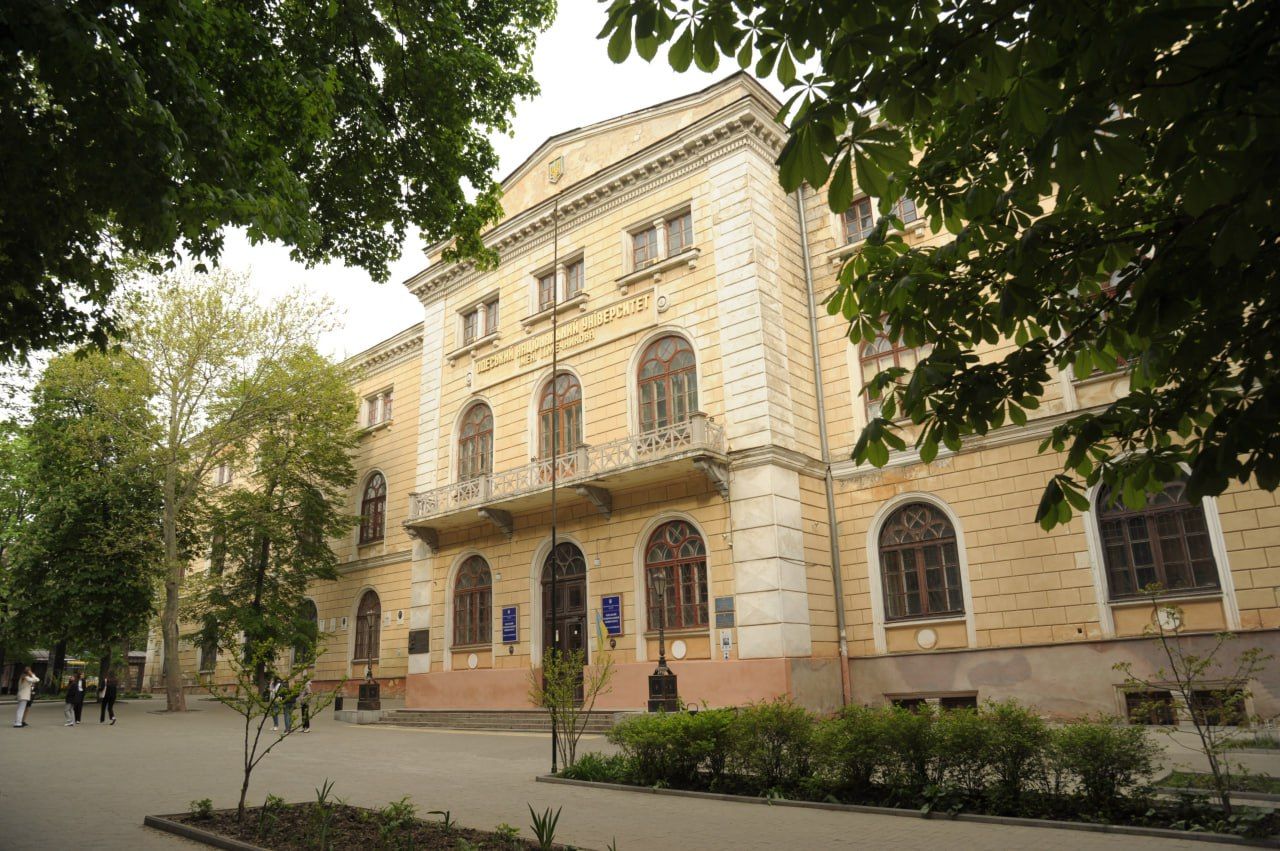
Mechnikov Odesa National University said that after the start of the full-scale invasion, the key question was how to make studying at the university safe.
Despite the difficulties, the university has equipped shelters in academic buildings and dormitories in accordance with the requirements of the State Emergency Service. This allows us to organize the educational process not only online but also in classrooms and laboratories in a mixed format. As the experience of these difficult years has shown, the possibility of live communication is a motivating factor for the academic staff and students of ONU, and this has proved to be very important, – said Vyacheslav Truba, Rector of the I. I. Mechnikov ONU.
ONU strives to work as before the pandemic and the beginning of a full-scale invasion. To unload the buildings, the university has introduced two shifts of classes and also allowed distance learning for those who are abroad.
Given the realities of the war, the university supports children of fallen soldiers, combatants, veterans, war veterans, and internally displaced persons with the support of the Ministry of Education and Science. During 2022-2024, the funding for more than 200 applicants of privileged categories was changed (transfer from contractual education to the budget).
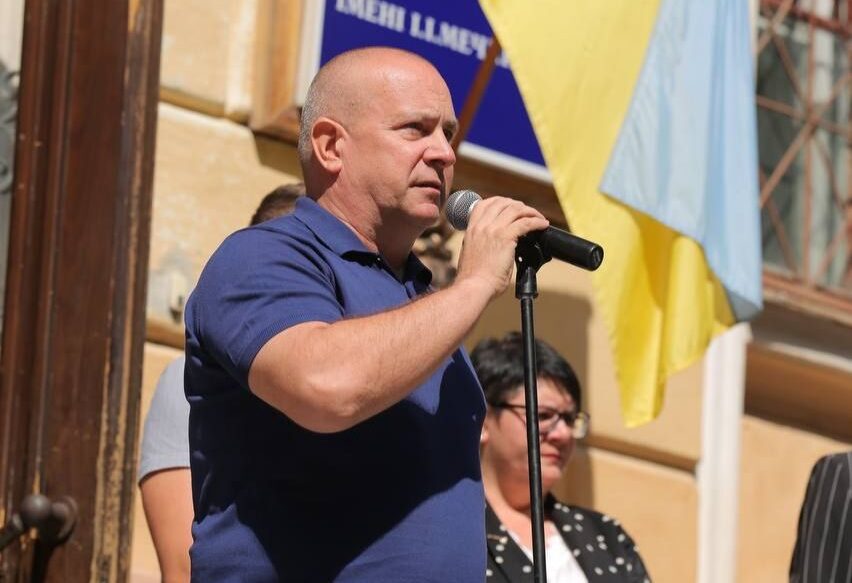
The ONU has submitted proposals for the work of veteran development centers on the basis of higher education institutions, for veterans to acquire a second higher education, advanced training, certificate programs and new steps that will help in building a peaceful state, – added Vyacheslav Truba.
As of February 2025, several dozen ONU students and teachers are serving in the Armed Forces of Ukraine.
We are in touch with them and there are numerous cases of students mastering the curriculum despite their participation in hostilities, even taking exams directly from the trenches. I believe that this is one of the most striking proofs of our students’ thirst for knowledge. We must and will remember everyone in the university community who gave their lives for the right to be free!
The university’s psychological service is available for students returning from service. The university also applies to the Ministry of Education and Science of Ukraine with a request to transfer them to study at the expense of the state budget. From the first days of the war, their research library launched its project, a platform that collects facts and evidence about combatants from the university community.
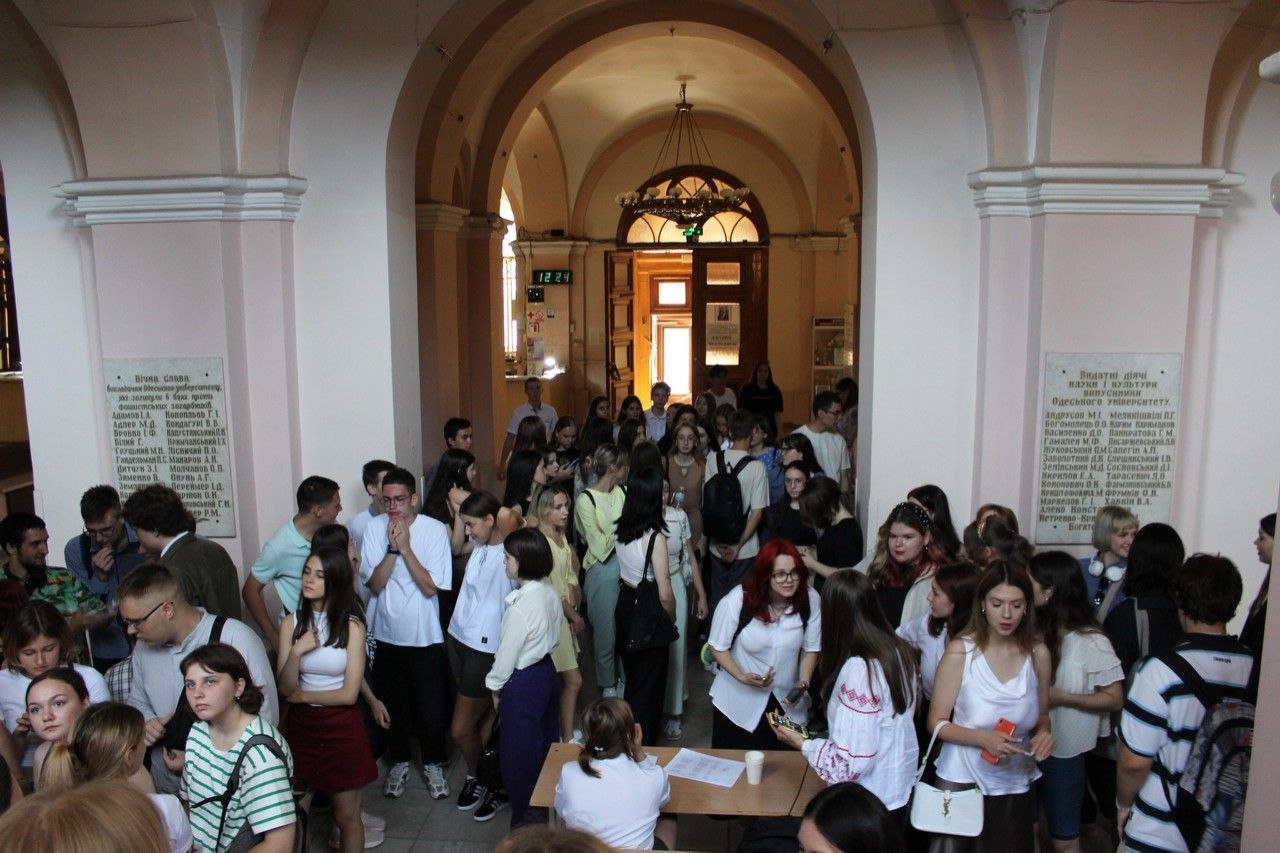
Distance students and international cooperation of I. I. Mechnikov ONU
ONU has also created the necessary conditions for students who left Odesa by establishing communication via messengers, e-mail, Google, Moodle, and Microsoft Teams. We also pay attention to student events that have a positive impact on the mental state of students.
I would also like to draw attention to ONU’s interaction with stakeholders. Many successful people have graduated from the University of Odesa, realized themselves in their specialty, created enterprises, jobs, etc. For them, loyalty to their alma mater is not just nice words. That is why our students undergo very interesting and useful internships. In some cases – before the war, of course, more often, but even now this percentage is high – ONU students receive job offers from the second year of study.
Of all the ONU students who have left for educational programs in recent years, 100% have returned.
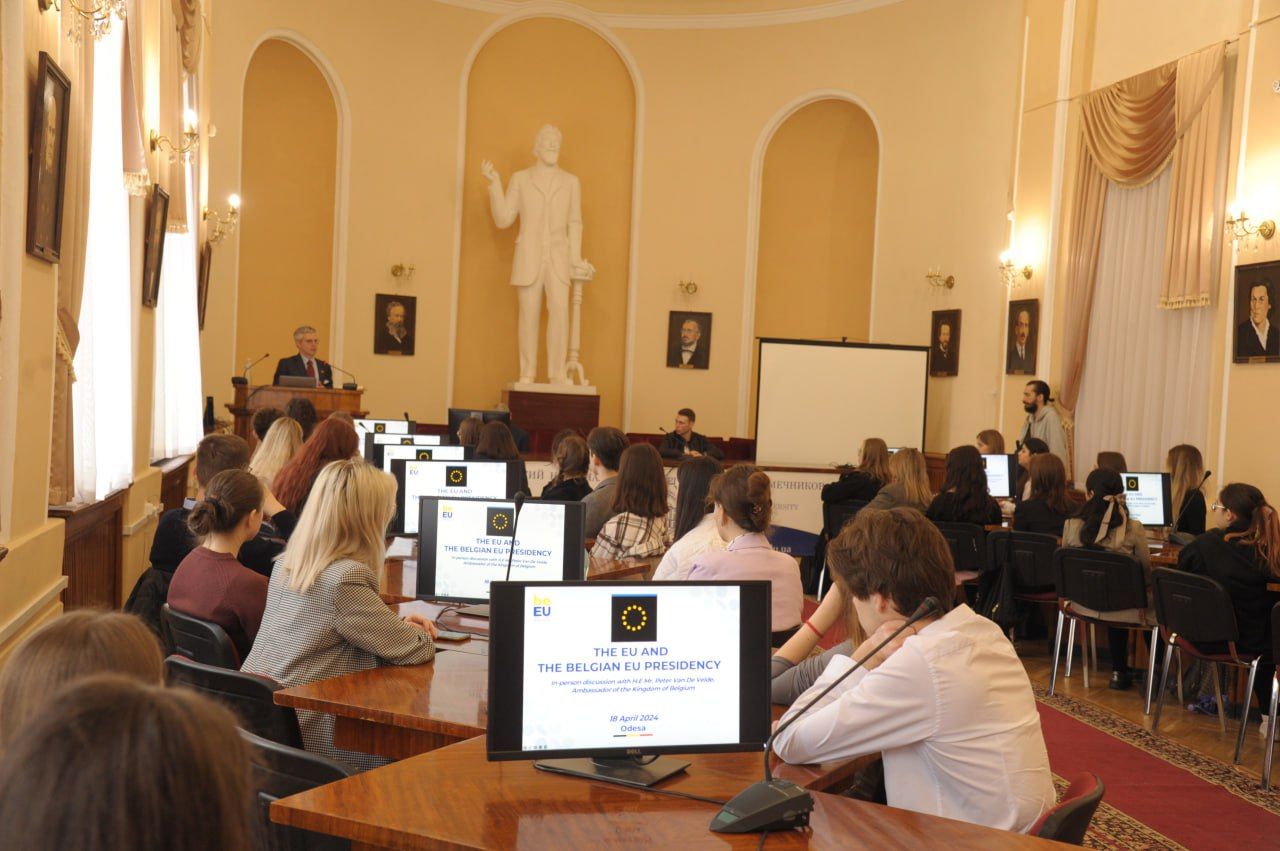
The university noted the initiatives of the Polish agency NAWA (National Academic Exchange Program of Poland) aimed at significantly increasing the academic mobility of Ukrainians to Poland.
In 2023-2024 ONU Mechnikov was the exclusive partner of the University of Gdansk under this program: in 2023 there were 59 mobilities of students and 35 visits of ONU employees to the University of Gdansk, in 2024 – 54 mobilities of students and 41 visits of teachers. In total, there were 113 student mobilities and 76 visits of teachers in two years. Also in 2024, ONU students and teachers made numerous visits under the NAWA program to the Adam Mickiewicz University in Poznan.
The number of contacts with German universities under the DAAD program has increased significantly, but the greatest progress has been made in cooperation under the ERASMUS+ program: the number of ONU partners in academic mobility projects CA1 has more than doubled over the past three years and increased from 17 to 36.
European universities are actively involving Ukrainian HEIs in consortia applying for grants under the ERASMUS+ KA2 program, as this increases the chances of receiving funding.
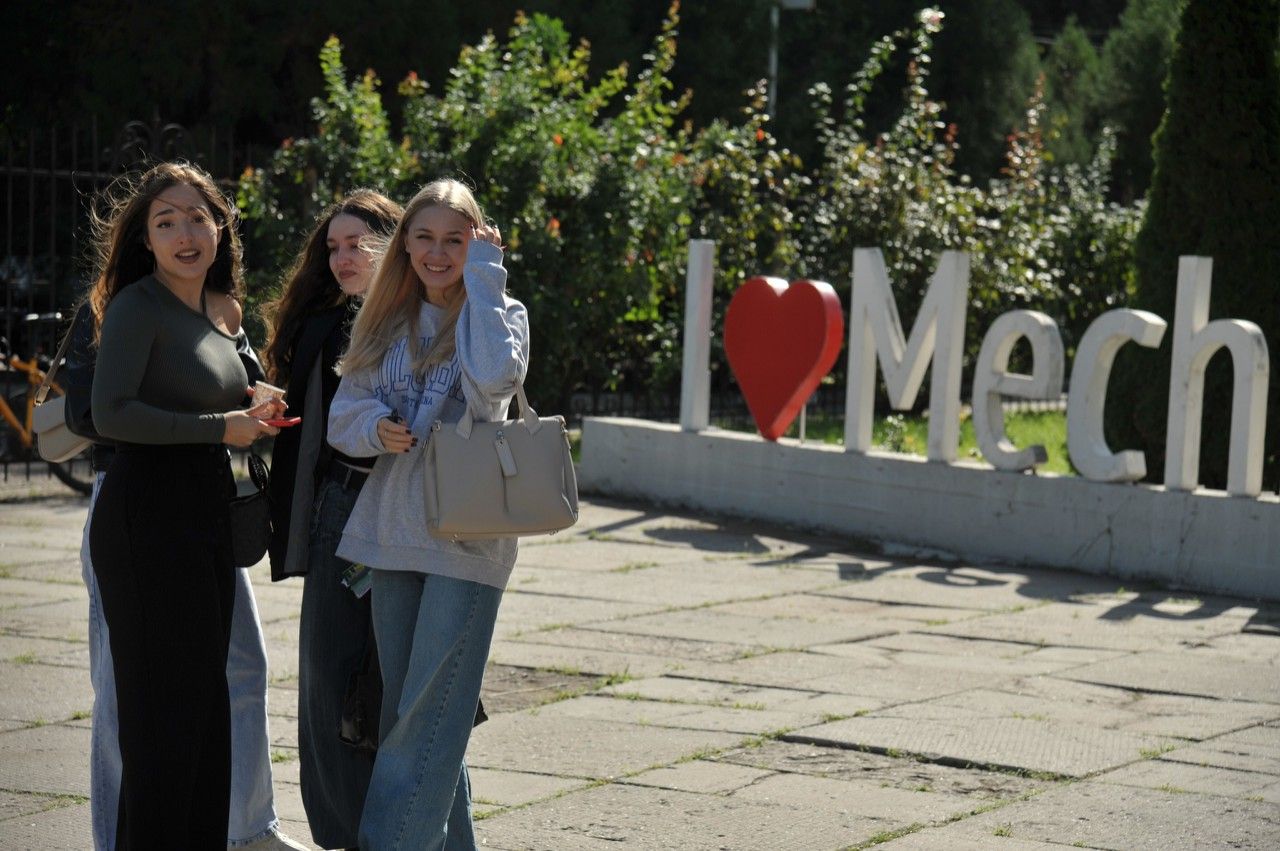
The support of Ukrainian universities by European institutions is also manifested in the fact that since 2022, our universities have been part of the European University Alliances as associate members. This is the highest form of cooperation between institutions within ERASMUS+, when several (usually 9) universities from different countries create a sustainable partnership with joint educational programs and projects. ONU was involved in two such alliances – SEA EU and EU CONEXUS.
Last year, friendly Polish universities – the University of Gdańsk and Adam Mickiewicz University in Poznan – organized a meeting of leading Ukrainian universities (including ONU) with representatives of the European Commission and Vice President of the European Parliament Eva Kopacz. The event was held in Strasbourg, where a joint appeal of Ukrainian and European universities to the European Commission was adopted to provide financial support for cooperation between Ukrainian universities and alliances of European universities.
According to Vyacheslav Truba, the most important form of support for Ukrainian higher education from the EU could be granting Ukraine the status of a member state of the ERASMUS+ program. This will greatly expand the opportunities for Ukrainian universities to attract European funding, facilitate Ukraine’s integration into the European educational space, internationalize Ukrainian education and improve its quality.
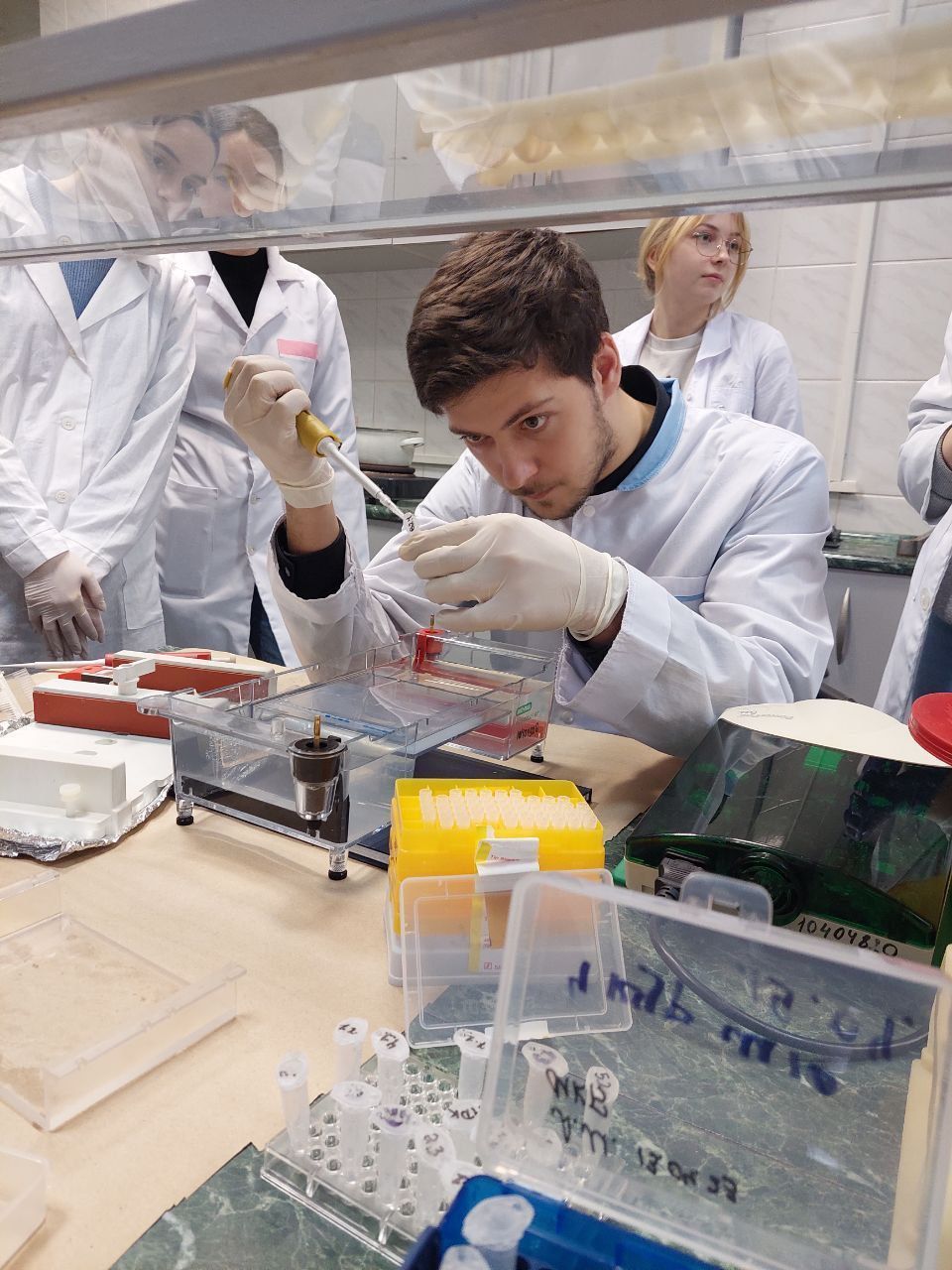
As a result of the support of the World Bank and international partners of the Ministry of Education and Science, ONU, as a university that merged with another university as a result of reorganization, has 11 projects at various stages of implementation, which allow it to upgrade and purchase unique scientific equipment.
A social hub in eastern Ukraine: Simon Kuznets Kharkiv National University of Economics
KhNUE was one of the first to resume the educational process in Kharkiv on March 23, 2022 year. During the first month of the war, many teachers and students evacuated to other regions of Ukraine and abroad, but a part of the team remained, which ensured
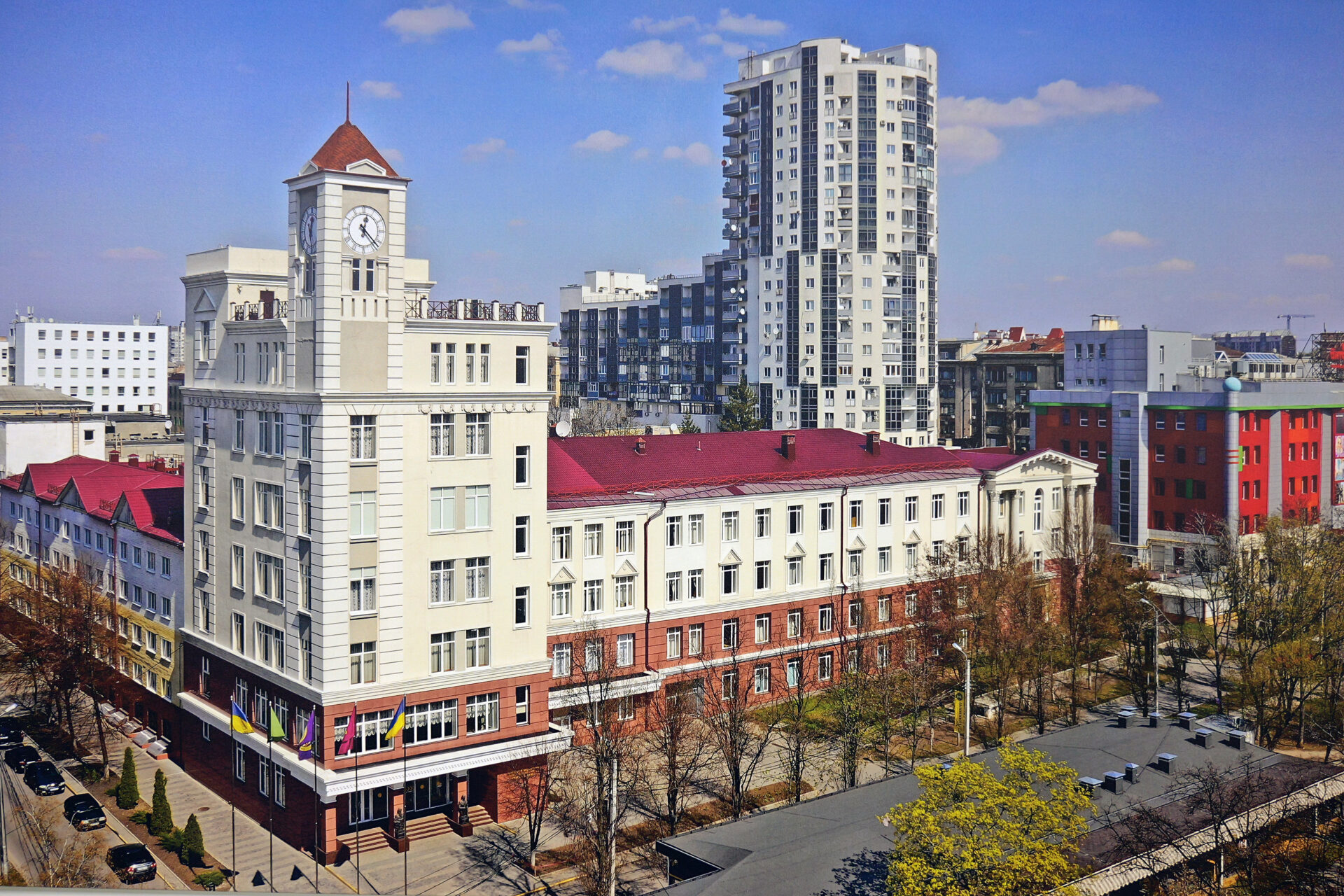
the life of the university. Since 2011, the university has been developing a platform of personal learning systems, which has developed greatly during distance learning in 2020-2021 – this is what made it possible to resume its activities in the context of a full-scale war.
Since the first day of the war, the university has become a social hub for volunteer organizations and charitable foundations, which have helped those in Kharkiv in difficult circumstances – educators, students, IDPs, large families, pensioners and other categories in need of support. The university continues to help Ukrainians, – said the press service of the KhNUE.
After the start of the full-scale, the educational process has almost entirely moved online. Employees who remained at the university are working offline. Teachers are developing platforms that allow them to fully study their subjects, including conducting classes via video link, recording video lectures, which allows students to watch them at a convenient time if they could not join the class for valid reasons.
During 2022-2024, a digital course of content and interactive level was created for each discipline, which fully ensures the educational process for students who are in difficult conditions. The course includes lectures, assignments and recommendations for practical classes and independent work, tests, case studies, and other additional resources.
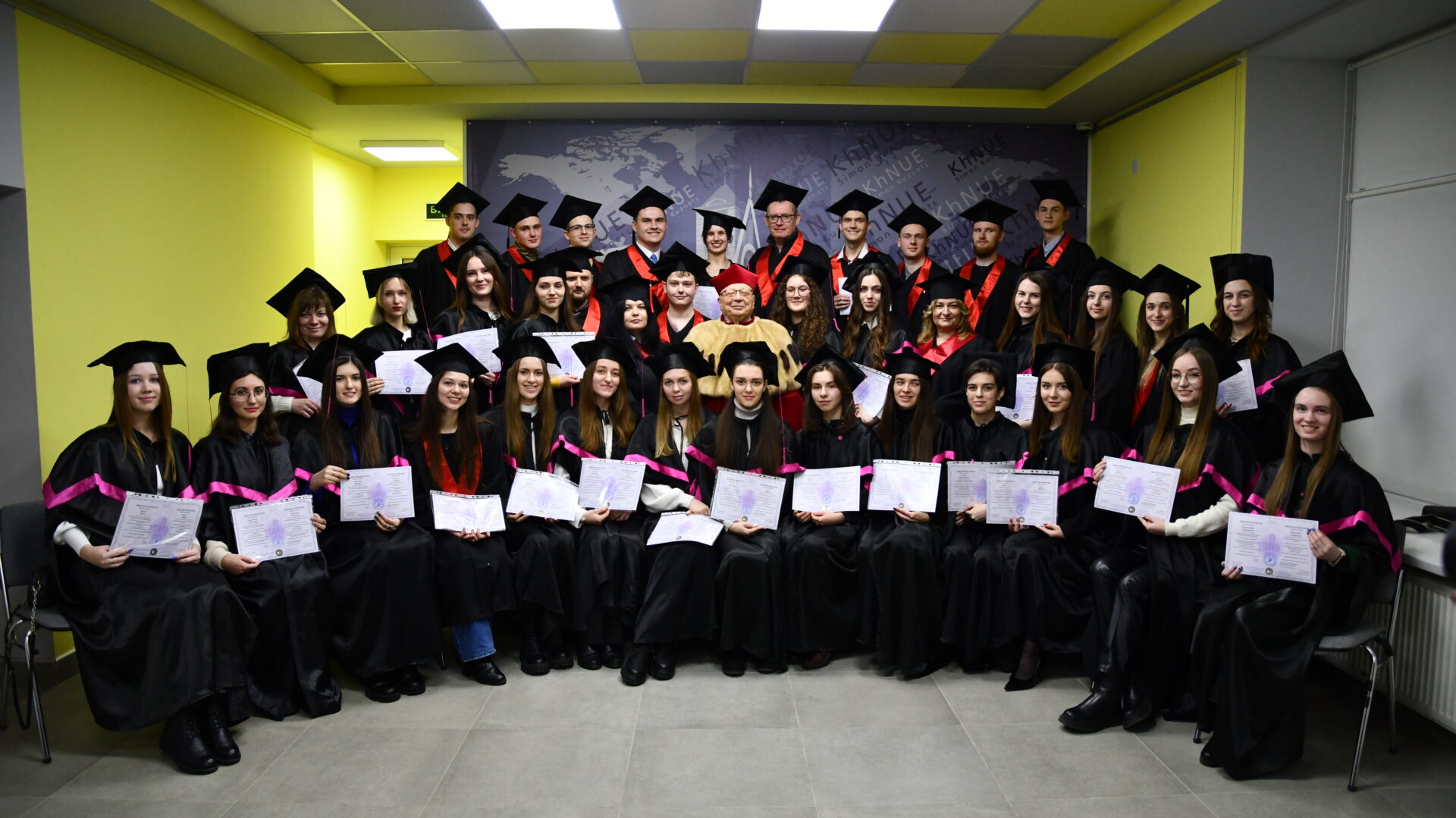
The war had a significant impact on the educational process and its content. Educational programs and teaching methods were revised, examples were added, and emphasis was placed on the realities of today, the war economy, and postwar reconstruction. For example, future journalists are taught about information warfare, the work of Ukrainian newsrooms during the war, and considerable attention is paid to ethics and information hygiene, and the ability to recognize fakes. Students develop projects to promote volunteer initiatives in Ukraine and abroad as part of their graduation research. The university has also introduced the discipline “National Resistance” for all students.
KhNUE is aware of 3 professors (1 of them is a woman) and 25-30 students who are defending Ukraine in the Armed Forces. The university has various programs to support the military. We help the units with supplies (collecting money for drones, making camouflage nets, trench candles, providing food, etc.)
We are developing training programs for veterans and military personnel who have been retired. We have opened enrollment for these programs and are ready to train those returning from service to learn a new profession and start a new life. We are currently developing many other training programs for the post-war period and for different segments of the population.
Today, the volume of applicants is sufficient. The university expects an increase in student enrollment after the war is over.
We observe that applicants from our region who are currently abroad choose our university to study, enjoy communicating with their classmates and teachers, and dream of returning to their native Kharkiv.
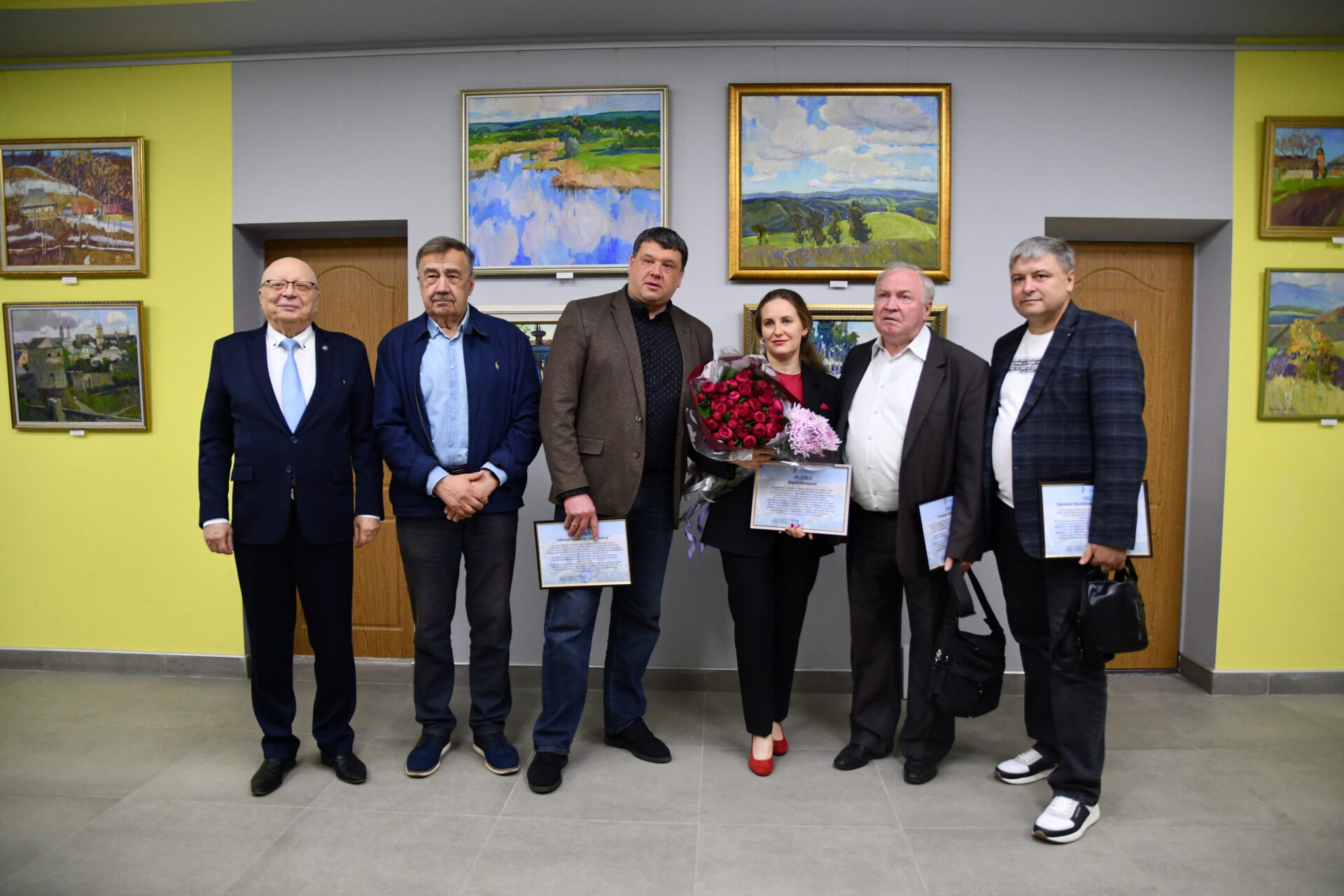
Currently, there are 19 active grant programs of various levels at KhNUE. To ensure the quality of education and improve international cooperation, university teams participate in projects of the European University Association EUA and the German Academic Exchange Service DAAD.
The subject of our particular pride is FabLab, a factory-laboratory that is the result of the Erasmus+ project aimed at forming scientific thinking and interest in science among schoolchildren who later become our students. Higher education students also have access to the fab lab equipment. On its basis, they can master and improve their 3D scanning and printing skills, the principles of working with electronics, and many other skills useful in the modern world, – the press service added.
KhNUE also has a dual degree program. Students have the opportunity to take advantage of the program and gain additional education and experience in European and British universities. For example, the university has become a member of the Twinning project, which has developed and is implementing a double-degree program with a British university.
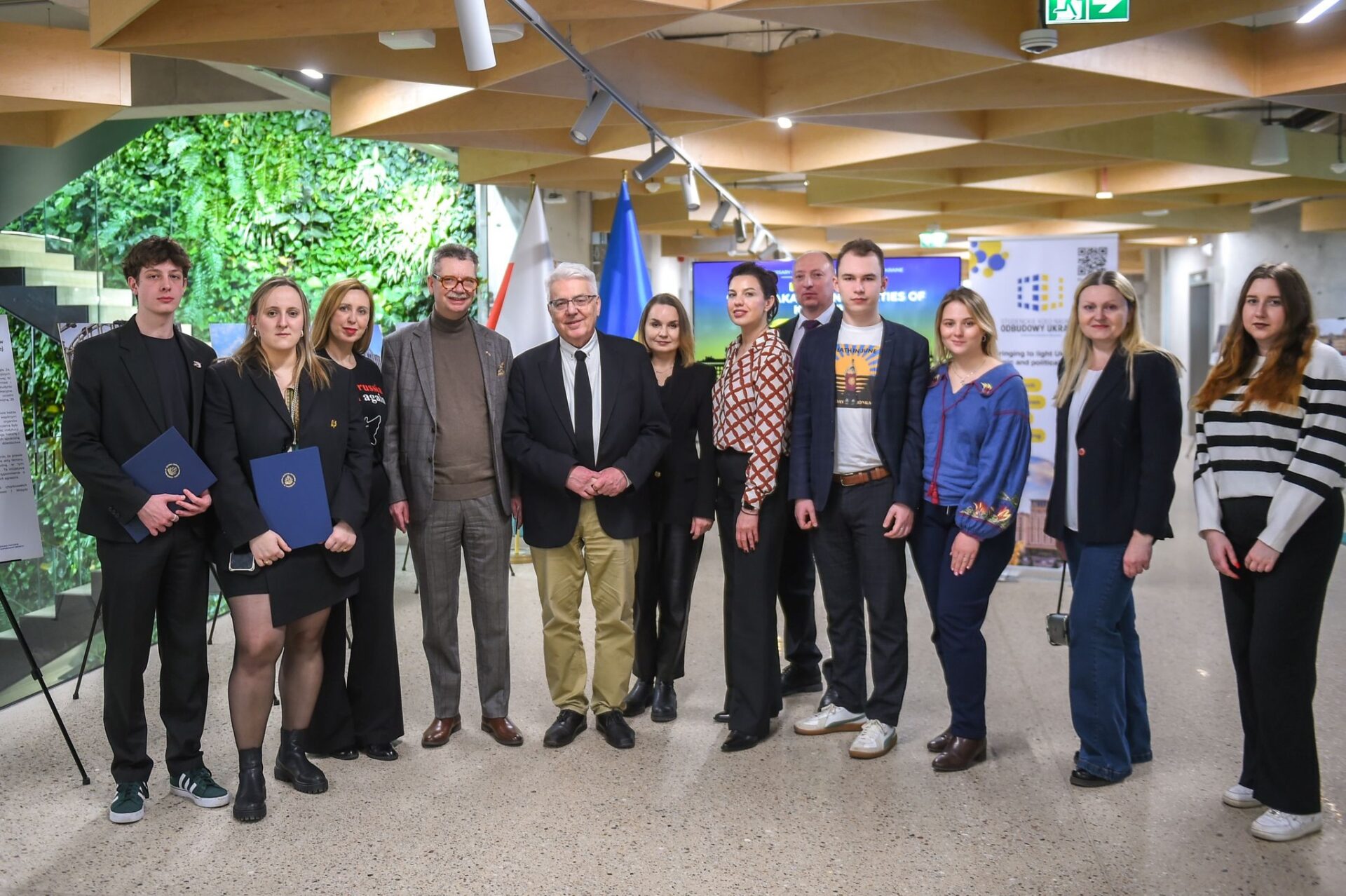
A mascot for the military: The National University of Ostroh Academy
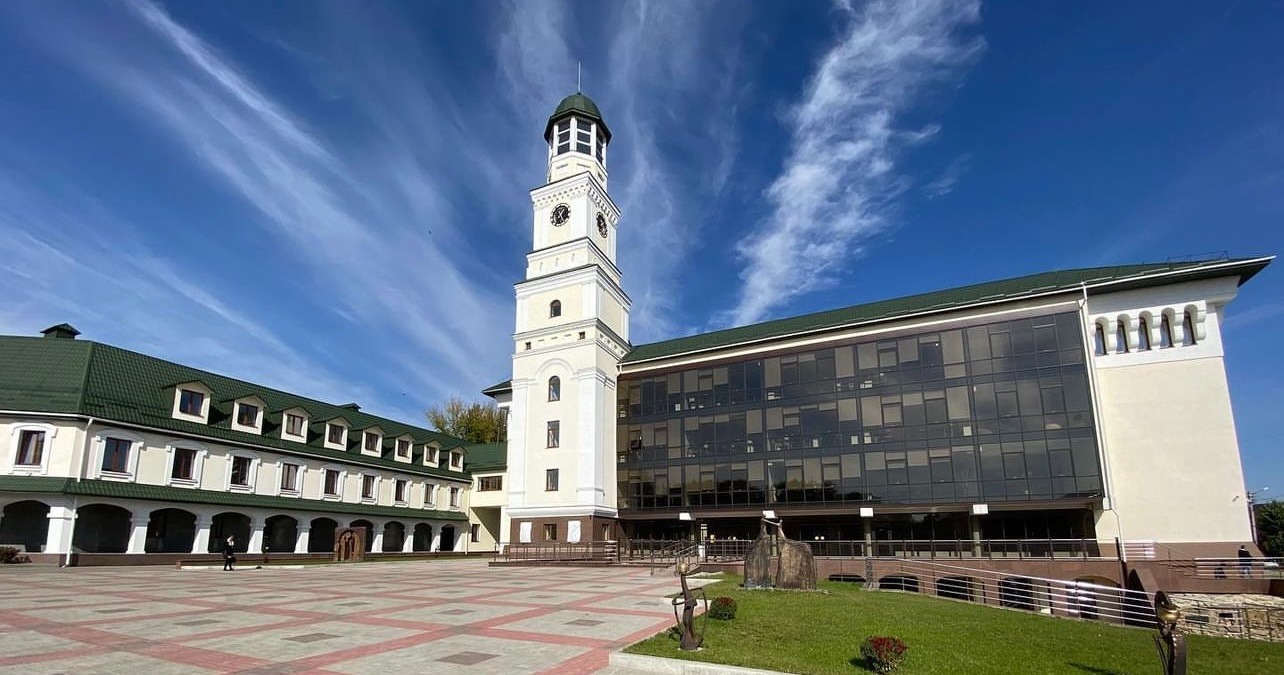
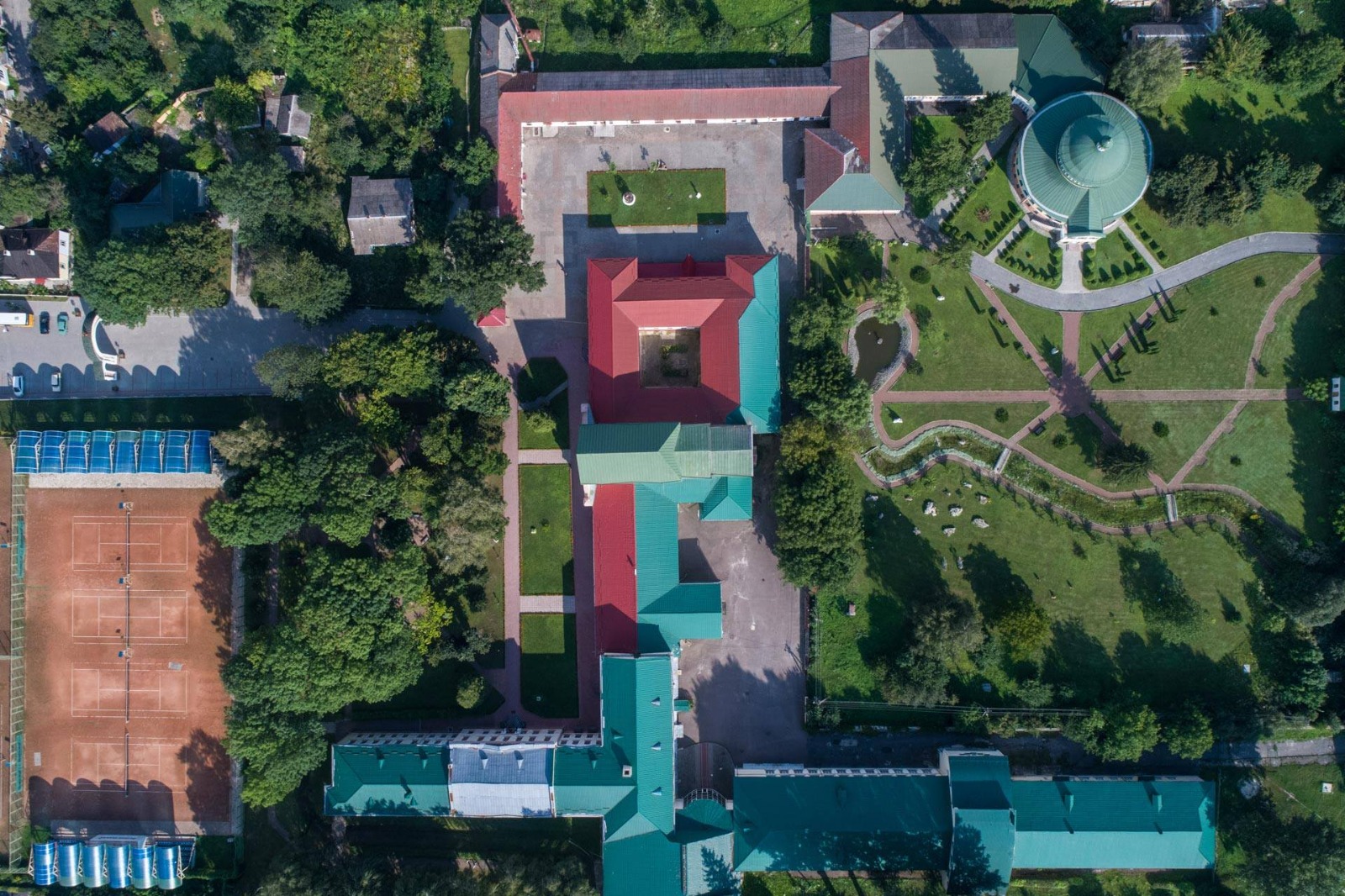
The National University of Ostroh Academy is located in the Rivne region of western Ukraine. Despite its geographical distance from the front line, the university has experienced the shock of war on its doorstep. Nevertheless, the university prepared in advance for possible difficulties. Plans were developed in advance for the civil protection of employees and students, as well as for the protection of university campuses. The experience of the COVID years also came in handy.
So, on the first day of the war, I wrote an email to all my colleagues, students and postgraduates with a message from the administration: education at Ostroh Academy does not stop but continues online (later we decided to conduct it in an asynchronous format to reduce the use of Internet resources that were critical for communications at the state level); an operational headquarters was created to monitor the situation at the university; round-the-clock duty was organized on the university territory, – said Dmytro Shevchuk, Vice-Rector for Research and Teaching, The National University of Ostroh Academy, Dr Sc. in Philosophy, Professor
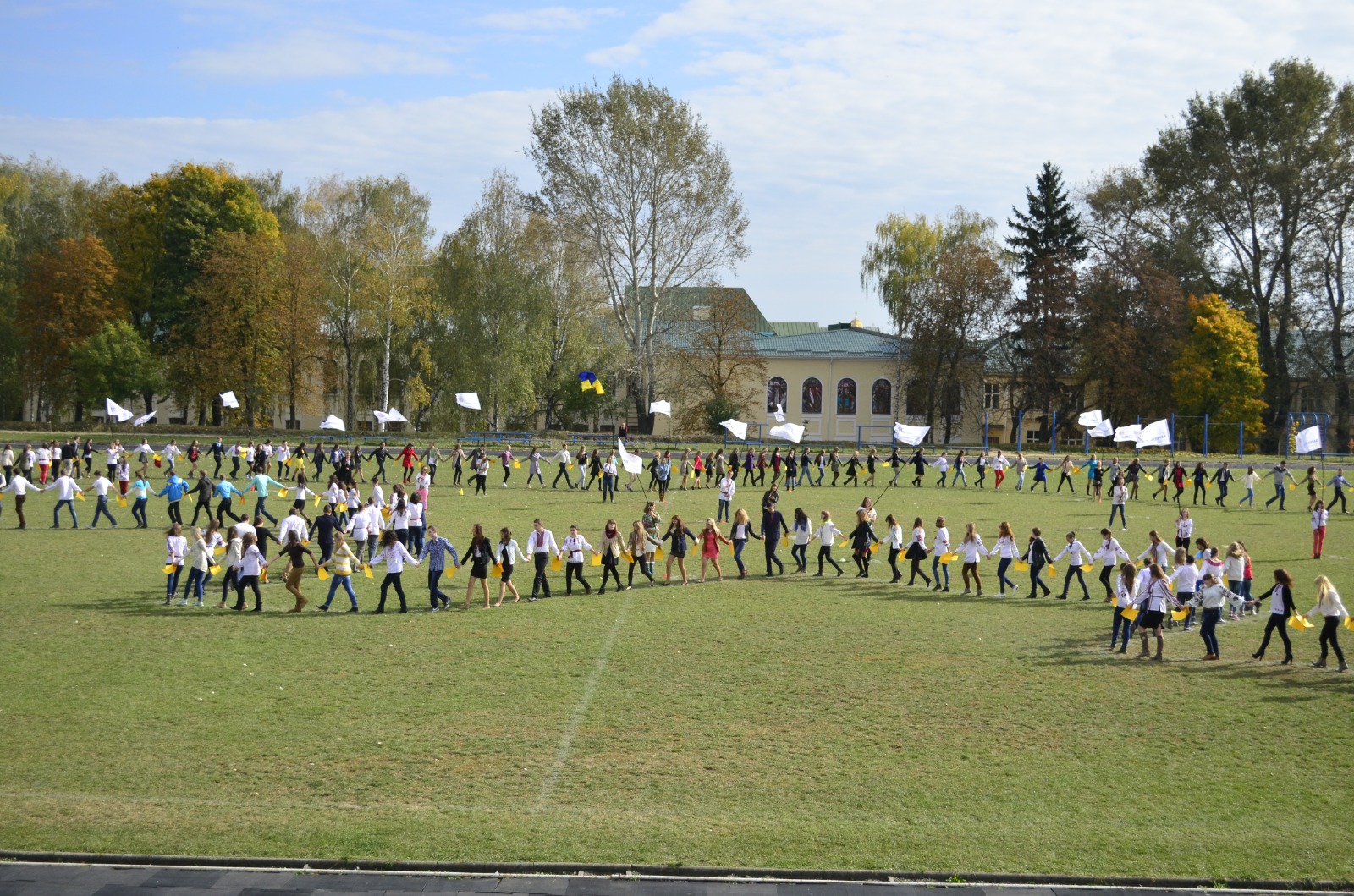
Then a volunteer center was created to provide support to refugees and collect necessary items for the Armed Forces of Ukraine. Weaving nets was organized in the Scientific Library. Subsequently, the faculty and staff of the university agreed that they would transfer one day’s salary every month to collect technical equipment and ammunition for our colleagues, graduates who went to the army to defend our country. Ostroh Academy donated its bus and truck for the needs of the army.
By the way, once representatives of the Armed Forces of Ukraine admitted that the military believed that it was a good sign if they were transported to a mission by a bus of Ostroh Academy, because everyone returned alive, – he added.
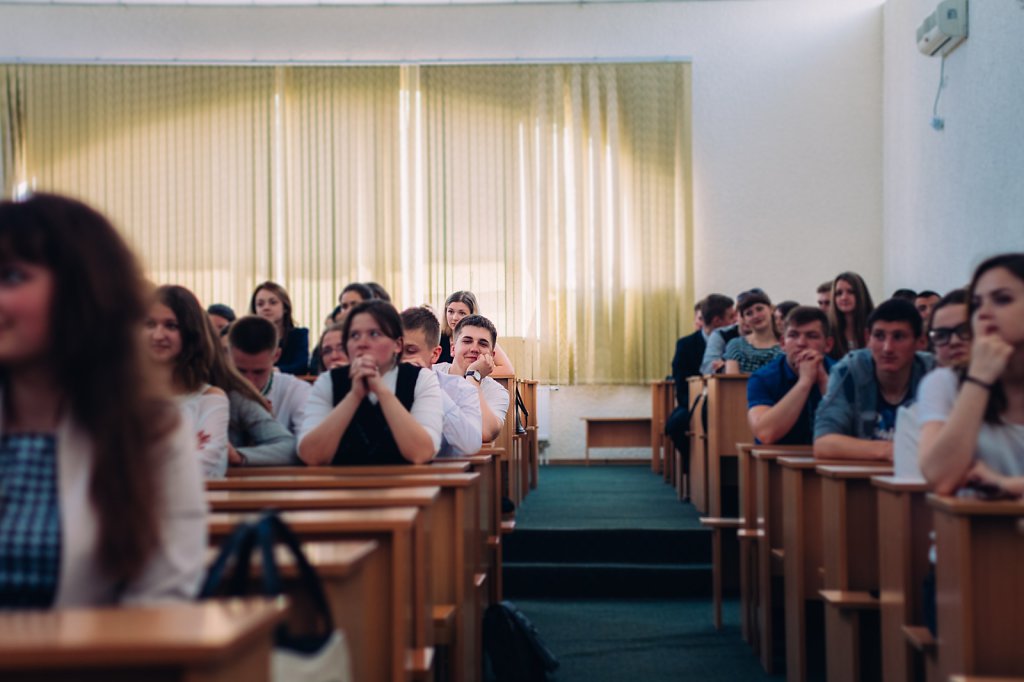
The Academy feels the impact of the economic situation in the country, when there are a number of restrictions on the use of funds. Nevertheless, at the time of the full-scale launch, the online learning system was well developed. Already in the previous years of the pandemic, the blended learning system, which provided for full synchronous learning (online and offline) and bringing students to face-to-face classes whenever possible, proved to be one of the best in Ukraine and even in the world, as we shared our experience with colleagues from around the world during an international forum organized by the British Council.
Since the pandemic, we have developed an effective system of psychological support for all participants in the educational process. This proved to be extremely important during the period of martial law, as both students and teachers are under constant stress due to enemy missile and drone attacks, air raids, and the loss of loved ones.
During these three years of war, new educational programs were launched, for example, in robotics, artificial intelligence, and public administration. All courses are adapted to the current labor market conditions and the needs of the country. Two absolutely unique interdisciplinary educational programs will be launched next academic year. One of them, Chaplaincy, was created as a response to the public demand for spiritual support for our soldiers, veterans, and their families. The second is Global Communication Management, which aims to form a new generation of professionals who will act internationally and strengthen the positive image of our country as a strategic partner. This second program is also unique in that the budget for its implementation is entirely funded by patrons.
Many members of the academic community have been defending Ukraine since the first days of the war:
For example, Serhii Rudko, the head of the Department of Regional Studies, gave lectures to students from the frontline. I would like to note that Ostroh Academy provides an opportunity to study for military personnel and veterans. We have created all the conditions for the defenders of Ukraine to improve their skills, get a higher education or change their profession. We have developed individualized study plans. Our students and graduates tell us many stories of how they listened to lectures or took exams from the trenches. At the same time, we have been providing training opportunities for the military for much longer than the years of the full-scale invasion. We are extremely proud that General Valeriy Zaluzhnyi, former Commander-in-Chief of the Armed Forces of Ukraine and now the Ambassador of Ukraine to the United Kingdom, is a graduate of our international relations program.
Unfortunately, Ostroh Academy has lost 29 students and university staff. The Museum of History of Ostroh Academy has created an interactive book of memory so that everyone who is at the university or comes to visit us can honor their feat.
There are very few students at the university who went abroad at the beginning of the full-scale invasion and never returned.
Ostroh Academy has taken care of creating safe learning conditions. Each campus has shelters that are adapted not only to stay there during air raids, but also to conduct training if these alarms last for a long time. We put the safety of everyone who teaches and studies at our university above all else. In addition, our priority is face-to-face education. However, we are now forced to continue to hold classes in a mixed format, as some of the university’s dormitories are occupied by internally displaced persons, mostly people from eastern Ukraine,– said Dmytro Shevchuk, Vice-Rector for Research and Teaching, The National University of Ostroh Academy, Dr Sc. in Philosophy, Professor
Students continue to participate in international exchange programs and attend European and American universities for academic purposes.
Since the beginning of the full-scale invasion, our foreign partners have responded to our call for support for Ukraine. First of all, these are our university’s Polish partners – for example, the University of Warsaw provided us with the opportunity to use their server so that we could place a backup copy of our data; John Paul II Catholic University of Lublin sent charitable aid, which we distributed through the Ostroh Academy volunteer center to those who needed it.
Colleagues from the United States, the United Kingdom, and Canada also provided assistance. This assistance and support was different – it included access to databases, online courses (for example, Coursera and EdX launched free access programs to courses on their platforms). The university joined the Twinning program with British universities, which established very close cooperation with the University of St. Andrews. Together with American universities, the institution has launched a certificate program in chaplaincy training.
The future of higher education in Ukraine
The ONU emphasized that Ukrainian education has always been competitive and recognized by the international community. Today, the state faces the task of not losing the existing potential and attracting foreign potential.
This competitiveness is due to the fact that the Ukrainian education system complies with the principles of the European educational area, while the cost of educational services in Ukraine remains extremely attractive, especially for applicants from the countries of the global South and Eastern Europe. On the other hand, due to the COVID-19 pandemic and the war, Ukrainian higher education institutions have acquired unique competencies in the implementation of distance online learning technologies, and digital educational platforms provide global access to participants in the educational process, – said Vyacheslav Truba.
Currently, ONU Mechnikov implements five master’s programs in English, which are popular among foreign students. Thanks to the opening of these English-language programs, the enrollment of foreign students in the postwar period exceeded the prewar enrollment.
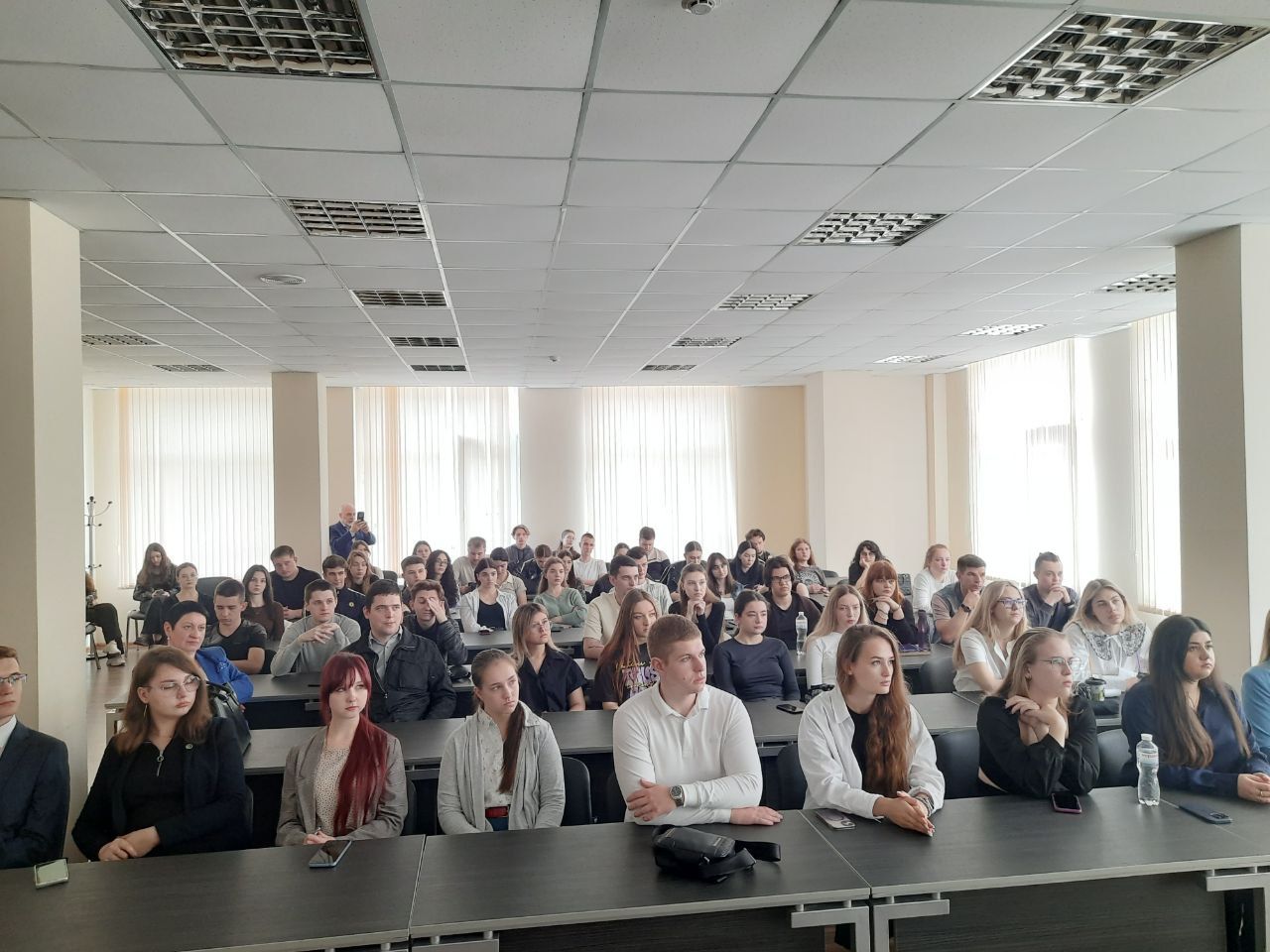
There is potential to introduce new English-language programs at all levels of education. One of these steps is to increase the number of disciplines taught in English with the subsequent opening of English-language programs, especially in those fields where there is a corresponding demand from the international labor market.
Among the factors hindering the integration of Ukrainian education into the global space, the most important are the small number of English-language educational programs and educational programs accredited according to international standards, excessive complexity and centralization of administrative procedures for admission and migration registration, insufficient or complete absence of both state-funded places and opportunities for grants and scholarships for foreign citizens to study at Ukrainian universities, – added the ONU rector.
What KhNUE thinks
The KhNUE is also positive about the future of Ukraine’s scientific potential. The level of competitiveness will definitely increase, given the expansion and intensification of cooperation with European universities and a number of reforms aimed at harmonization with European standards.
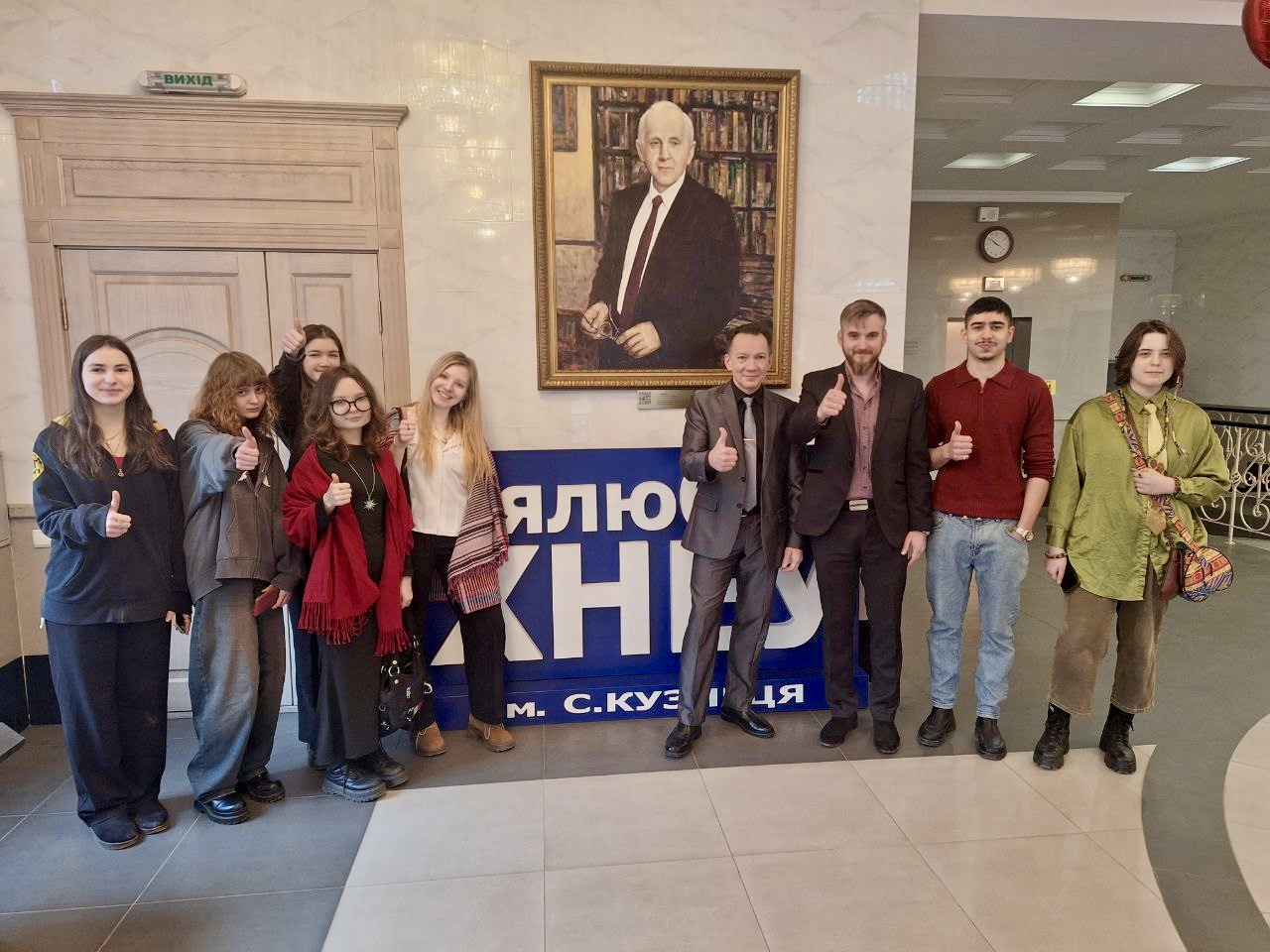
In their opinion, to increase the number of foreign students, the education system really needs a number of transformations. There is already interest in studying in English from around the world.
The University is the second largest in Ukraine in terms of the number of foreign students, with students from 20 countries studying in 30 educational programs. More than 200 university professors are involved in such teaching, many of them have completed internships at foreign universities, worked in European research and educational institutions as part of grant projects. We are optimistic about the future of providing educational services in English for foreigners, we feel such a demand and have the potential to expand the teaching of programs in English, – summarized the KhNUE.
What Ostroh Academy thinks
Dmytro Shevchuk, Vice-Rector for Research and Teaching, The National University of Ostroh Academy, believes that education in Ukraine must become one that meets the needs of the Ukrainian state and the trends of the modern world. This is the basis for rebuilding Ukraine after the war and laying a solid foundation for its development.

I can outline several trends that will affect this. The first one stems from the results of sociological surveys, namely, about 70% of the military say that after returning to civilian life they would like to change the profession they had before mobilization. That is why it will be necessary to create new short-term programs, microcredit courses that will allow for quick retraining. The second trend is related to the spread of artificial intelligence. We see how this technology has begun to spread intensively and how it is changing the needs of the labor market. The third is that Ukrainian society and Ukrainian education should become as inclusive as possible. We need to be prepared for the return of veterans, the need for their integration into communities, and the provision of psychosocial support. This requires the development of psychological education, rehabilitation, and social management.
He is convinced that Ukraine has a fairly good higher education system. Before the full-scale invasion, Ukraine earned $3 billion from teaching foreign students.
I think we will restore and improve this potential. Our university, for example, conducts research on military psychology, psychosocial support, community resilience analysis, and the development of effective veteran policies very intensively and in a short time. Not to mention robotic systems and computer technologies for managing complex processes. All of this forms the basis of new courses and educational programs. I am sure that such proposals will be of interest to foreigners.
Conclusion
Universities close to the combat zones have demonstrated how Ukrainian science is still exemplary and competitive for foreign partners. The universities have adapted and managed to provide safe conditions for future professionals. They also regularly support the Ukrainian army while the international community steadily increases its cooperation with us. Accordingly, Ukraine’s future is secured with new qualified personnel, but there are concerns that they may migrate abroad in search of better prospects. Therefore, an open question remains:” Is Ukraine ready for its graduates?”
Tetiana Stelmakh