

When her city of Mykolaiv faced severe drinking water shortages at the onset of Russia’s full-scale invasion, schoolgirl Liubov Slesarenko came forward with a unique innovation: a project for purification using a multi-stage hydrogel device powered by solar energy.
It is young people like her who will be called the generation of recovery — educated, driven, and resilient individuals who will rebuild Ukraine after Russia’s destruction.
At global summits and forums, we often hear: Ukraine’s reconstruction will be the largest recovery project of the 21st century. Will the country have human capacity to deliver on it? Will Ukraine have enough people like Liubov?
Already, Ukraine is experiencing a human capital crisis. According to the Center for Economic Strategy, one in seven Ukrainians was unemployed in 2023. Yet, job listing platforms are flooded with vacancies. This paradox, known as structural unemployment, when many people without work and many jobs without people. Today, businesses name it as their number one issue.
Although the situation has slightly improved in 2025 with a drop in unemployment to 12% — the lowest since the full-scale war began — the problem hasn’t gone away. The challenge remains: upskilling takes time, and qualified workers are still being lost due to mobilization and emigration.

Could Ukraine face an even deeper human capital crisis once reconstruction efforts scale up? The answer is not hypothetical — it’s grounded in hard data.
Together with the international research company Ipsos, we analyzed where teenagers see their professional futures and how that aligns with recovery needs. We based our analytics on RDNA4 — the Rapid Damage and Needs Assessment jointly conducted by the Ukrainian government, World Bank, EU, and UN.
According to RDNA4, Ukraine’s recovery needs amount to $524 billion. If this sum is secured, Ipsos modeling indicates that 1.5 million additional workers will be needed to implement the projects. Most of these jobs will be in construction, energy, mining, logistics and transportation, agriculture, trade, and processing. The biggest demand will be for electricians, welders, truck drivers, and mining industry workers.
But what do teenagers dream of becoming? According to the “Future Index” study initiated by the Olena Zelenska Foundation, most teens see themselves in IT, design, healthcare, beauty, education, or law and 7% envision themselves as entrepreneurs.
In some sectors, the gap between demand and aspiration is tenfold. For instance, energy needs an additional 12% of workers, yet only 1% of teens want to work there. Processing industries require 20% more labor, but only 2% of youth see themselves in manufacturing.
This trend signals a deepening of structural unemployment.
Yet identifying the problem early is half the solution — if followed by coordinated action.
Ukrainian businesses are already taking initiative. A competitive labor market has naturally increased real wages. Employers are actively recruiting women, students, and older workers into roles traditionally held by men. Veterans are being integrated more readily. And women are retraining for high-demand technical roles — in Vinnytsia, for example, women are now training to install solar panels.
Strategically, businesses are investing in future talents through partnerships with schools.
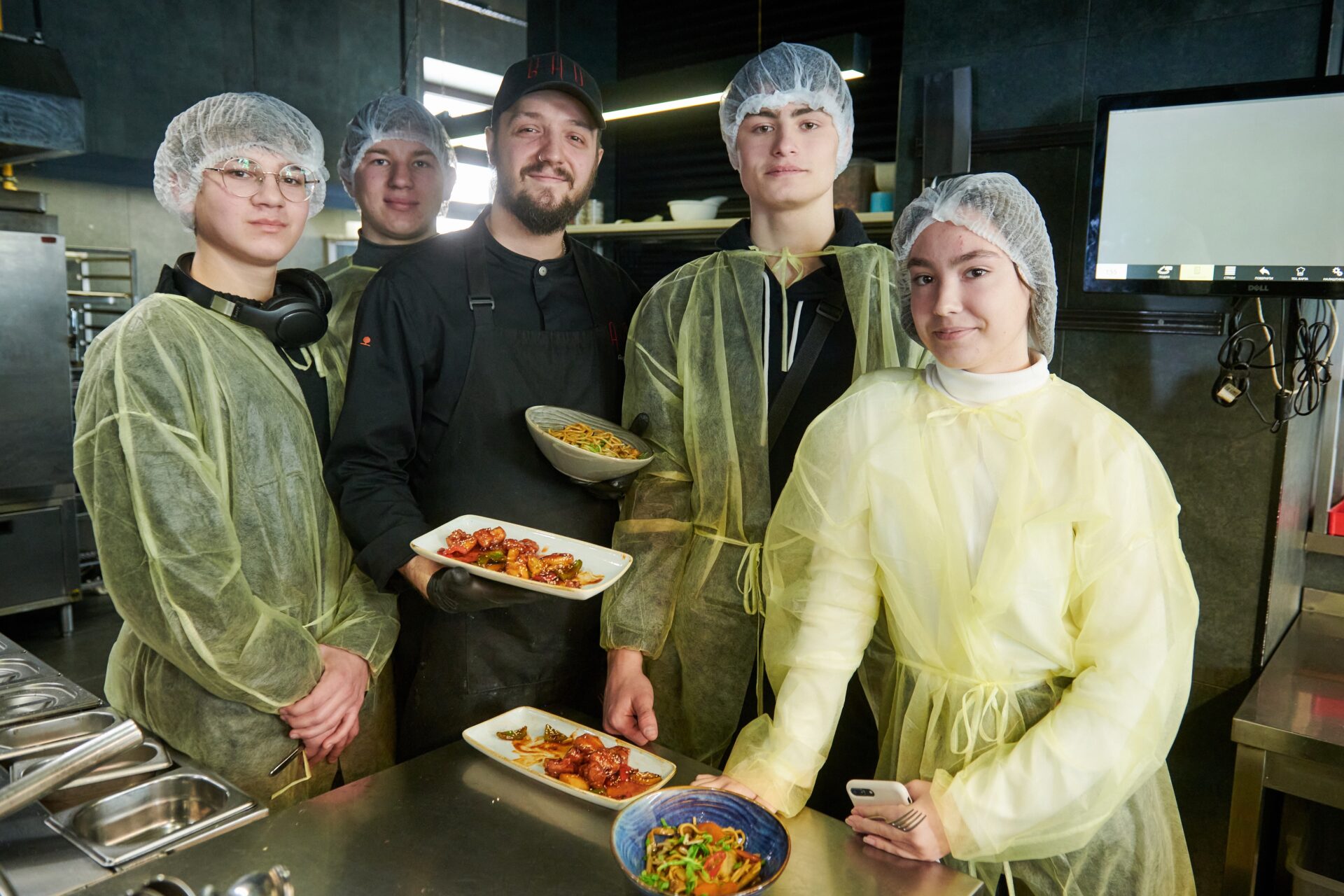
We follow a similar approach in our organization: offering free meetups with professionals, plant visits, and demo-days that let children have a head-on experience in their dream profession. This helps them determine whether their dreams hold up to real-world tests. After a visit to a sewing workshop — which he first brushed off as “a job for girls” — one boy is now setting his sights on a future in fashion design.
These tools work. But they aren’t enough. A strategic challenge requires a strategic response.
First insight: Data shows many teens want to be entrepreneurs. That’s a window of opportunity. We must popularize entrepreneurship in sectors critical for recovery.
Second: Career orientation should be an integral part of the recovery infrastructure. As we design reconstruction projects, we must also prepare the workforce that will bring them to life.
Third: We need modern, future-focused career guidance systems. The “Future Index” shows only 17% of teens took career tests, 4% visited job fairs, and 7% spoke with career counselors. For 74%, the only guidance came from parents. Why? Because current career orientation looks outdated and disconnected from youth needs.
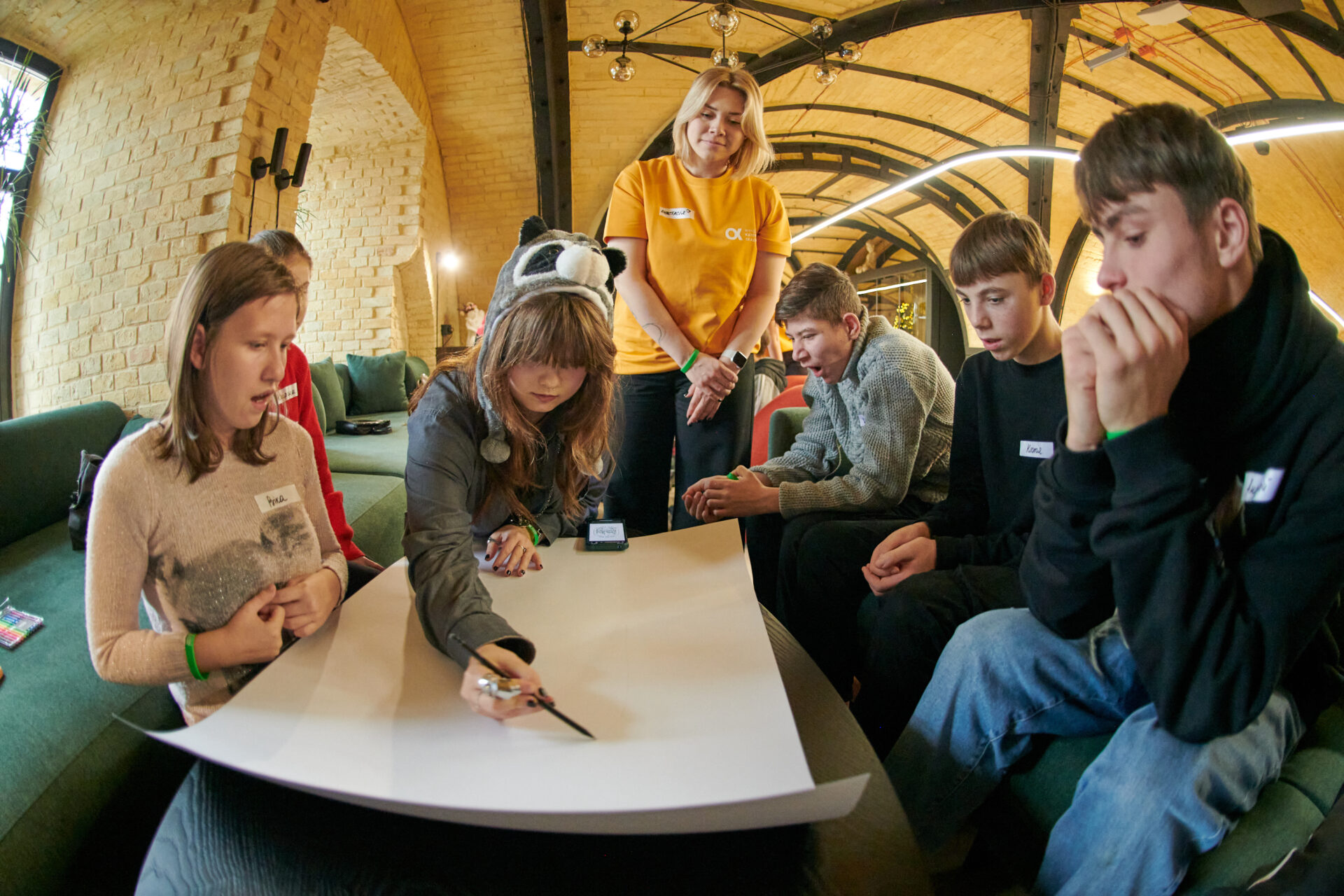
Fourth: Career guidance cannot rest solely on schools or parents. We need a full ecosystem — aligning national priorities, market trends, educational tools, and family support. If a major state infrastructure project is to begin in 2027, businesses should know in 2025 to start preparing talent, logistics, and production chains. This requires open, long-term cooperation between the state, private sector, and civil society.
Fifth: Reconstruction jobs, especially blue-collar ones, must be made fashionable. That means destigmatizing manual labor and breaking stereotypes.
But first and foremost, we must understand: recovery is not about cement, bricks, or construction machinery. It begins long before cranes appear on the streets.
Recovery starts with a teenager in 11th grade choosing to become an architect, a civil engineer, or an energy specialist — so that in a few years, they can design housing for displaced families, rebuild shattered city blocks, or modernize the country’s energy system.
Kateryna Osadcha, Founder of Kateryna Osadcha Foundation