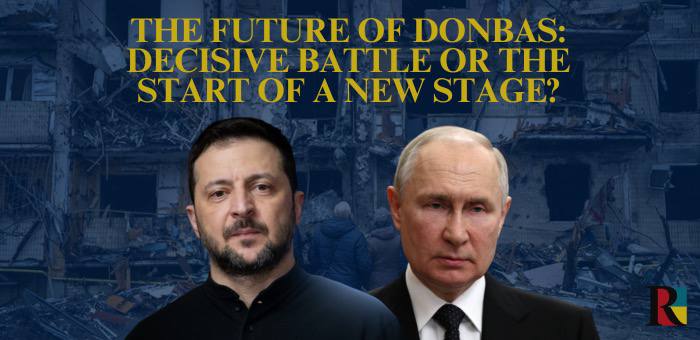


As Russia intensifies its strikes across Ukraine and concentrates more than 120,000 troops in the east, attention inevitably shifts to Donbas — the symbolic and strategic heart of the war. For Moscow, capturing Donbas means claiming a long-sought “victory”; for Kyiv, holding it is not just about territory, but about survival, morale, and proving that Ukraine can withstand even the heaviest assaults.
But the future of Donbas today depends not only on the battlefield. It is shaped by new international dynamics: Moscow’s increasingly hardline rhetoric after the SCO summit in China, Washington’s ambiguous position, behind-the-scenes negotiations on ending the war, and the lack of firm security guarantees for Ukraine.
Why Donbas Matters
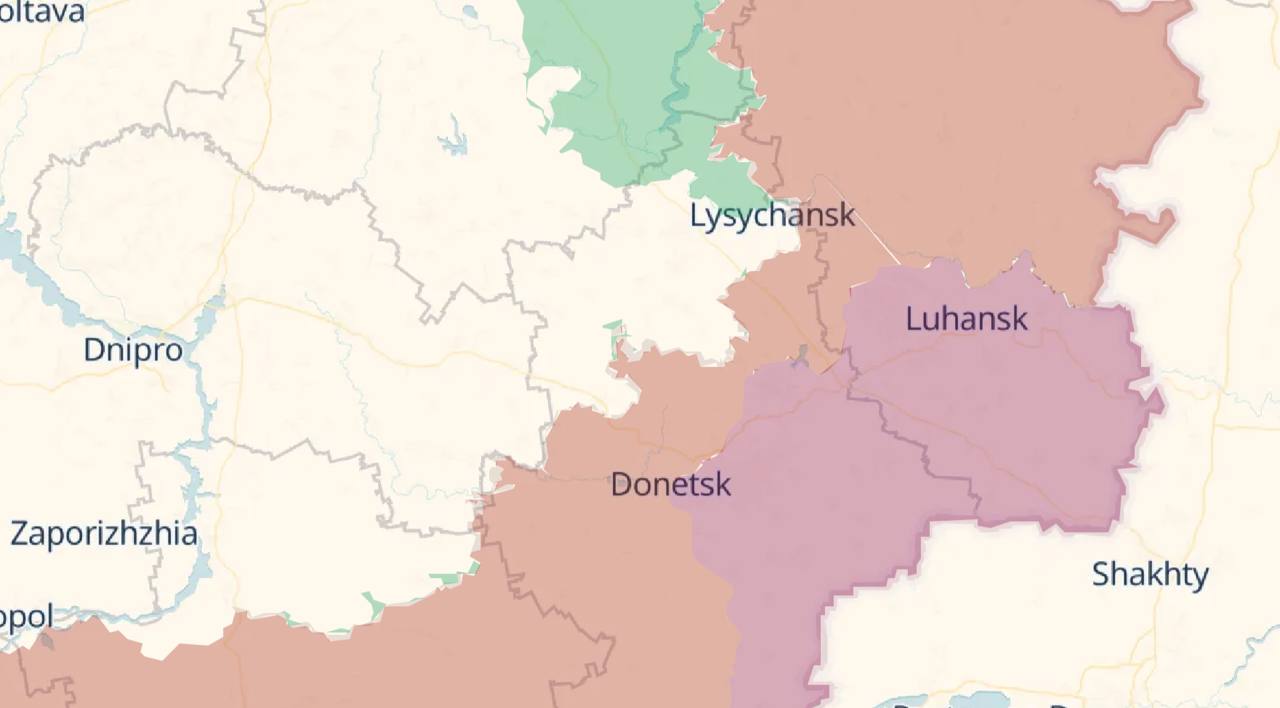
Donbas remains an industrial hub with coal, steel, and energy resources. For Russia, it has both economic and symbolic importance — a region it has claimed as “Russian” for more than a decade. Control over Donbas gives Russia a launchpad toward Kharkiv, Dnipro, and potentially further west. For Ukraine, defending it prevents Russia from consolidating its occupation. Capturing Donbas would allow Russia to declare at least a partial “victory” to its domestic audience, even if the wider war drags on.
Harder Russian Rhetoric After the SCO Summit
Following the Shanghai Cooperation Organization (SCO) summit in China, Moscow’s rhetoric became noticeably harsher. Putin likely secured support from Xi Jinping, Kim Jong Un, and other SCO leaders to increase pressure on Ukraine.
The Kremlin now more openly insists that Ukraine must fully withdraw its forces from Donbas and accept “peace” on Moscow’s terms. At the same time, diplomatic pressure on Kyiv is rising from the United States, where voices calling for Ukraine to “end the war at any cost” are becoming louder.
The Uncertain Position of the United States
Washington’s strategy remains unclear. Options under discussion range from imposing new sanctions on Russia to possibly pressing Kyiv into accepting Moscow’s conditions. Much uncertainty revolves around Donald Trump, who is openly seeking the Nobel Peace Prize, due to be awarded on October 10. It is not excluded that Trump will push for a rapid end to the war and attempt to pressure Kyiv into agreeing to Moscow’s maximal demands.
Behind-the-Scenes Negotiations: Escalation as Leverage
Amid the escalation, closed-door negotiations on ending the war are underway, though their details remain out of the press. According to diplomatic sources, talks are very active, and Russia is deliberately escalating the war to pressure Europe and Ukraine into concessions.
However, the decisive factor will be the U.S. position: if Washington takes a stronger line, Moscow may lower its demands. In such a case, a settlement could emerge along the lines of a “Korean scenario” — freezing the conflict with current front lines while negotiating the territories’ future status.
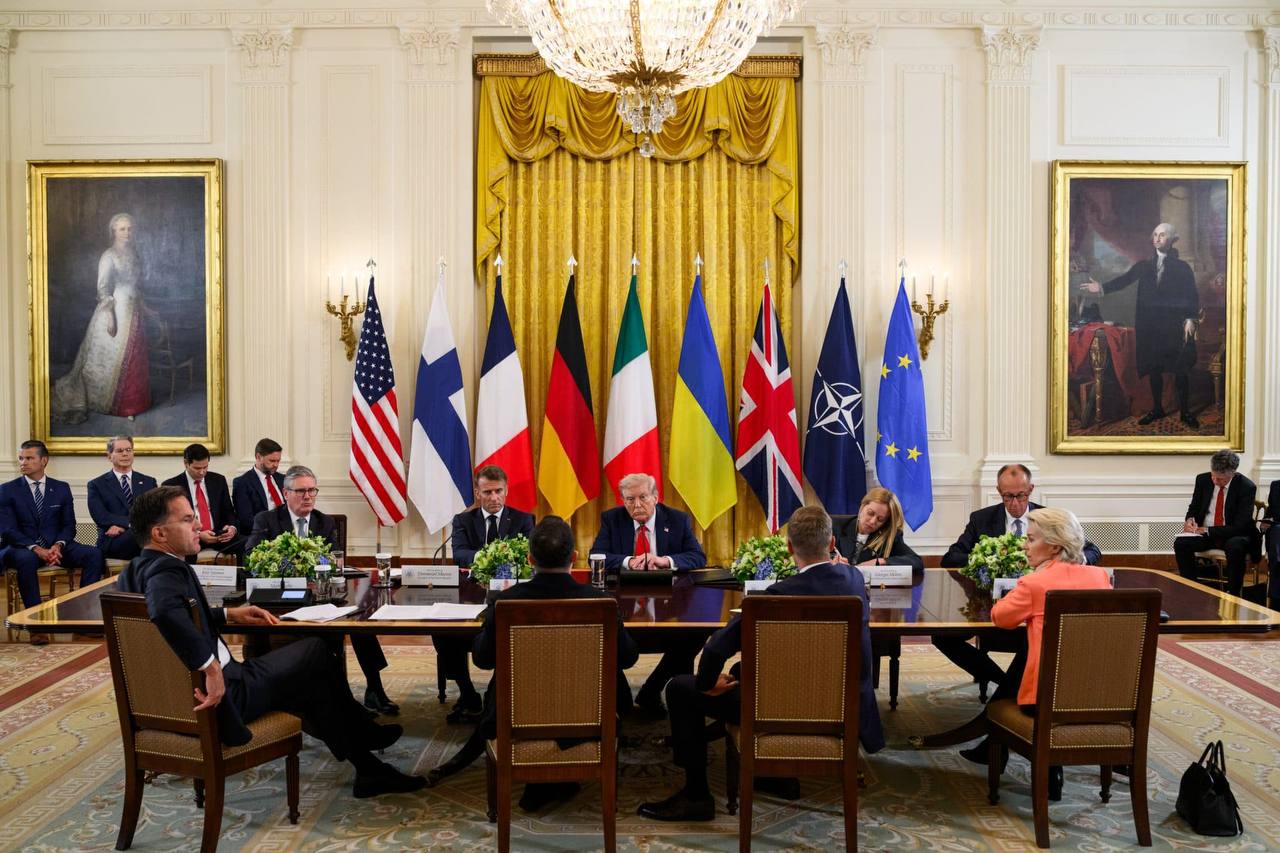
A central issue for Ukraine is security guarantees. So far, there are only discussions: Europe and the U.S. are debating what mechanisms could protect Ukraine in the future. At present, no binding agreement exists. Meanwhile, Putin shows no willingness to meet directly with Zelensky, instead delaying talks or proposing unacceptable conditions.
Possible Scenarios
A decisive Russian breakthrough. If Russia manages to cut Ukraine’s supply lines and overwhelm its defenses, it could seize large parts of Donbas. This would be a major political victory for Moscow but would come at an enormous human and material cost.
Ukrainian stalemate defense. Ukraine holds fortified positions and inflicts heavy losses on Russian forces. The front stabilizes, turning Donbas into a prolonged battlefield with no decisive outcome for either side.
Ukrainian counteroffensive. With sustained Western support and continued strikes on Russian infrastructure, Ukraine could regain the initiative. Success would undermine Russia’s military credibility and strengthen Kyiv’s hand in future negotiations.
Conclusion
The future of Donbas is being determined not only by military power but also by global politics. Moscow’s hardened rhetoric after the SCO summit, the active behind-the-scenes negotiations, and Washington’s ambiguous stance create a tense diplomatic backdrop. Ukraine understands that without firm security guarantees, any settlement would be an illusion.
The outcome of the decisive battle for Donbas depends on the resilience of Ukraine’s forces, Western support, and Russia’s ability to sustain its war effort amid internal crises. But it also depends on the role Washington chooses to play: whether the U.S. will increase pressure on Moscow or push Kyiv into concessions for a quick peace.
Artem Kasparian