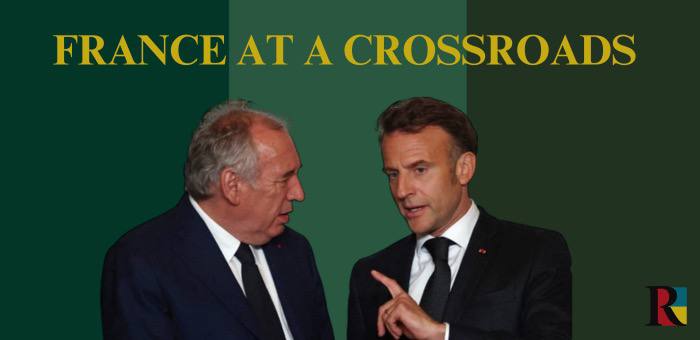


On September 8, 2025, the French government led by Prime Minister François Bayrou faced collapse. A confidence vote, initiated by Bayrou himself, is almost certain to end in defeat. This resignation would be the third in just eighteen months — a symptom of the deep crisis of the French political system. The question now is not only who will head the next cabinet, but also which political forces will strengthen their positions — and how this will affect Europe, Ukraine, and Bayrou’s own political future.
In the summer of 2024, President Emmanuel Macron dissolved the National Assembly and called snap elections. The result was a “hung parliament” — no party gained a majority. This set the stage for a series of government crises.
François Bayrou, appointed Prime Minister in December 2024, was already the fourth to serve under Macron in a short time. His main mission was to implement austerity measures worth €44 billion in order to reduce the budget deficit (≈ 5.8% of GDP) and stabilize public debt (≈ 114% of GDP).
His program met fierce resistance from across the spectrum — from the left to the far right. In the end, Bayrou went all in by putting his government to a vote of confidence, fully aware of his likely defeat.
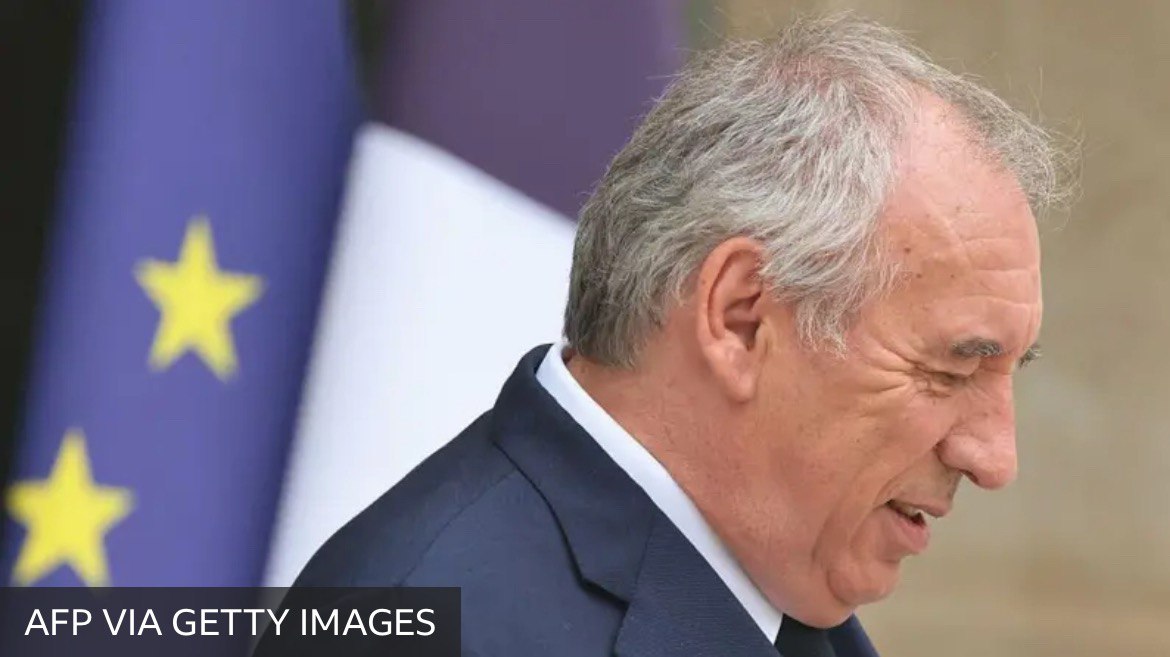
Today’s Events
In his speech, Bayrou insisted that this was “not a political but a historical question,” arguing that the country stands at the edge of both fiscal and institutional collapse. Yet his chances of survival are minimal: Socialists, conservatives, and populists alike have already announced they would vote against him. The fall of the government has become inevitable.
At the same time, it is not excluded that Bayrou himself sees leaving the premiership not as defeat but as an opportunity — to prepare for a presidential bid in 2027. By stepping away from the paralysis of parliament, he may attempt to rebrand himself as an “alternative to Macron” and a candidate of stability.
France has traditionally been one of the key “engines” of the European Union. But political instability weakens its leadership. Italy, under Giorgia Meloni, is filling the vacuum created by Paris’s crises. Economic uncertainty threatens financial markets: rating agencies warn of risks, and investors are already pricing political turbulence into their forecasts.
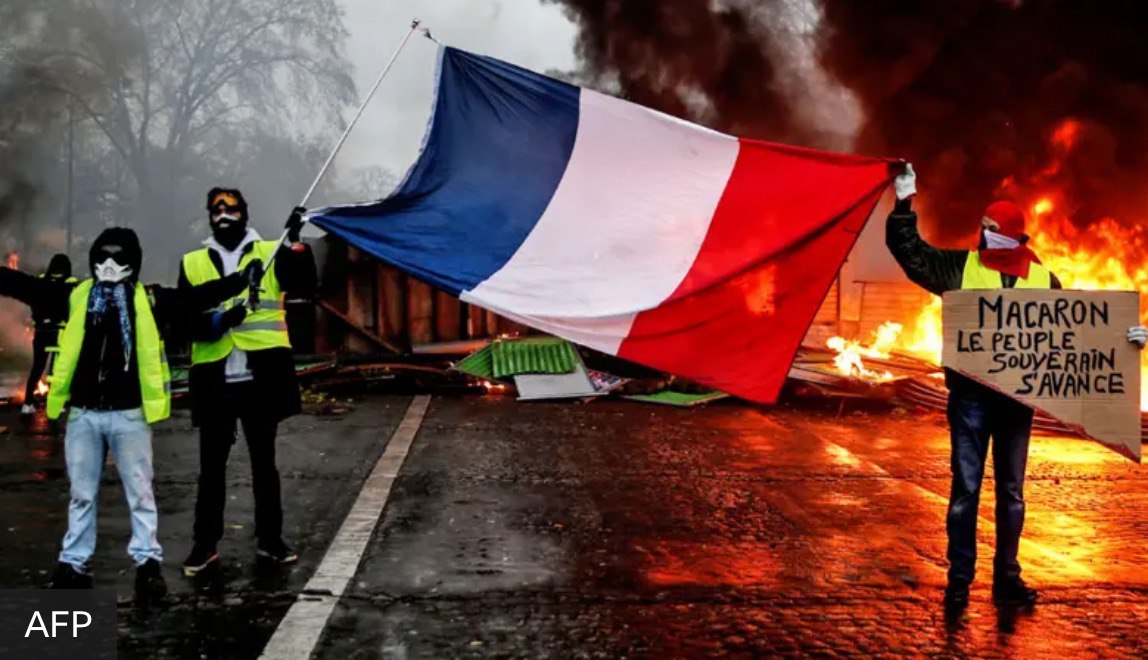
Who Gains Inside France
National Rally (RN) — Far-Right Populists. Under Jordan Bardella’s leadership, the party is pushing for snap elections. Following Marine Le Pen’s conviction and political ban, Bardella has become the face of the movement.
RN now leads polls with 32–34% and openly demands parliament’s dissolution. Their strategy of “detoxification” has been surprisingly effective: former President Nicolas Sarkozy has even declared that RN is “no longer toxic.”
New Popular Front (NFP) — The Left Alliance. A coalition of Socialists, the radical left (France Insoumise), Greens, and Communists. Their platform: raise the minimum wage, repeal pension reform, reintroduce the wealth tax.
In the midst of the crisis, they are likely to press harder for redistribution and social spending.
Les Républicains (LR) — Conservative Right Opposition. A rising figure is Interior Minister Bruno Retailleau, who has gained support through tough rhetoric on immigration and “civilizational politics.” LR could grow in influence as a compromise force if centrists and populists fail to bridge their divide.
Macron’s Centrists (Renaissance, MoDem, etc.). Their grip is weakening. Gabriel Attal and Bruno Le Maire are struggling to hold the center, but continuous crises have eroded trust in Macron’s bloc.
Impact on Ukraine
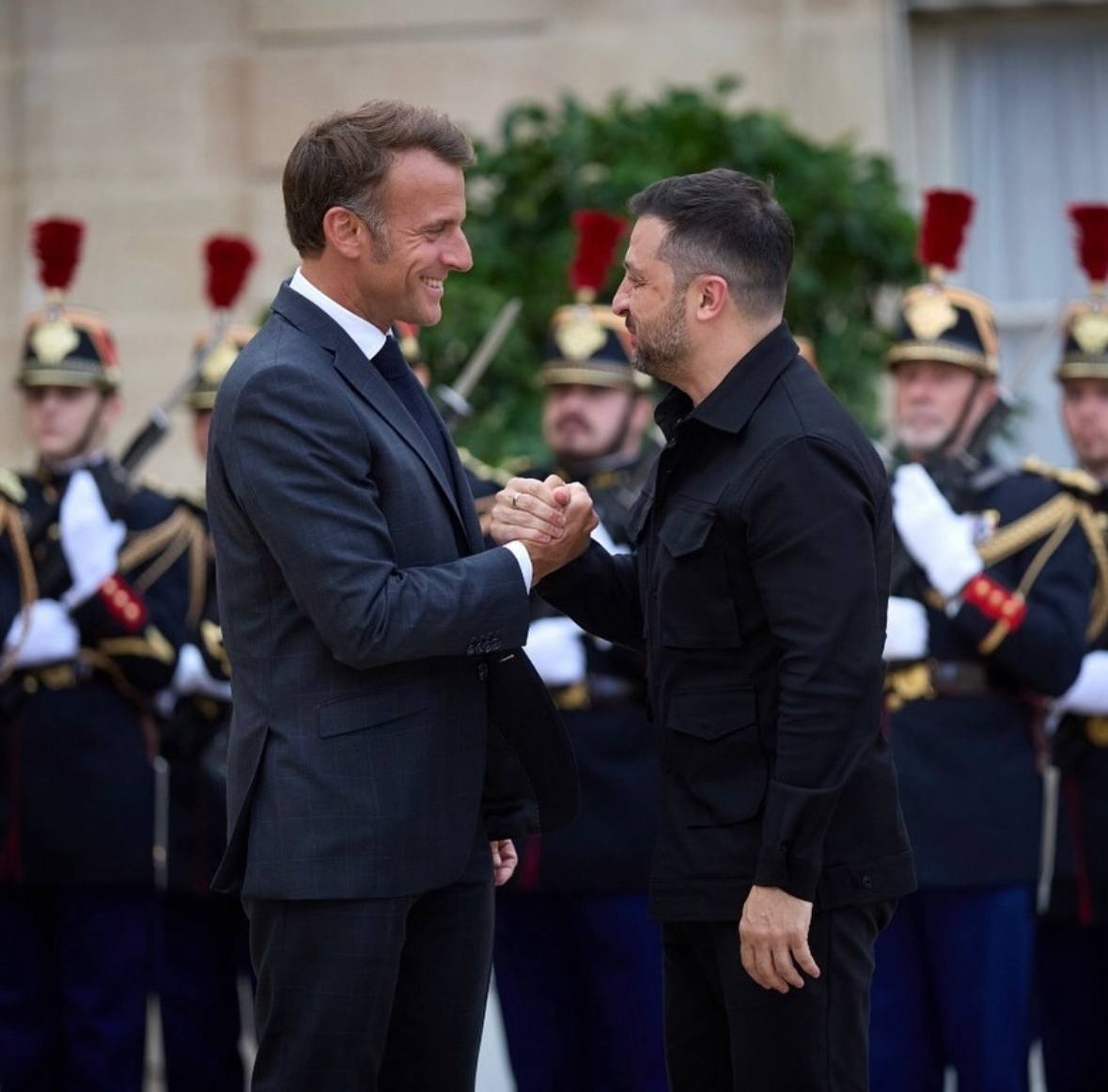
France is one of Ukraine’s key partners: Paris plays a central role in the “Coalition of the Willing,” has floated the idea of a peacekeeping mission, and continues to provide military aid. The rise of RN is concerning: their skepticism toward NATO and Ukraine aid could slow or restrict support.
The leftist NFP may push for redirecting funds to domestic social priorities, which could also weaken international commitments. If centrists or conservatives retain control, France will likely continue supporting Ukraine, though under stricter budgetary conditions and with reduced initiative.
What Comes Next?
Macron will have to appoint his fifth Prime Minister in less than two years. The Constitution bars another dissolution of parliament until 2025, meaning the political deadlock will persist. Two scenarios are most plausible: a “technical government” to keep the budget afloat, or snap elections (if constitutional hurdles can be bypassed). Meanwhile, Bayrou himself may reemerge as a central political figure, positioning for a 2027 presidential campaign.
Conclusion
Bayrou’s resignation is not merely another episode in French politics but a reflection of the systemic crisis of the Fifth Republic. Populists on both the right and left are gaining strength, while Macron’s centrists are losing ground. Yet Bayrou himself may not be leaving as a defeated politician but as a strategist, preparing his own bid for the presidency in 2027. For Ukraine, the message is sobering: the longer Paris remains paralyzed, the weaker its voice will be in supporting Kyiv and shaping a coherent European strategy.
Artem Kasparian