

Drones have become a crucial component of modern warfare. German Defence Minister Boris Pistorius announced that Germany will allocate €400 million for the production of Ukrainian long-range drones. Meanwhile, Estonian Defence Minister Hanno Pevkur stated that Estonia will provide Ukraine with tens of millions of euros worth of drones this week.
Ukraine’s partners increasingly recognize the potential of this new type of weapon.
Partner Initiatives
According to the UK Government’s website, more than 85,000 military drones produced by British companies have been delivered to Ukraine over the past six months. Together with Ukraine, the UK is also developing the Octopus interceptor drone designed to destroy Shaheds.
The Netherlands has invested €200 million in joint drone production with Ukraine. This initiative not only supports Ukraine’s defence needs but also advances its strategy to export battle-proven drone technologies to NATO allies, covering both interceptor and strike drones.
In September, the first joint drone production line was launched in Denmark. The country plans to allocate €1.26 billion this year to manufacture long-range drones in Ukraine.
This spring, Latvia sent a new batch of 1,500 attack drones to Ukraine as part of the international Drone Coalition.
The list of such collaborations continues to grow.
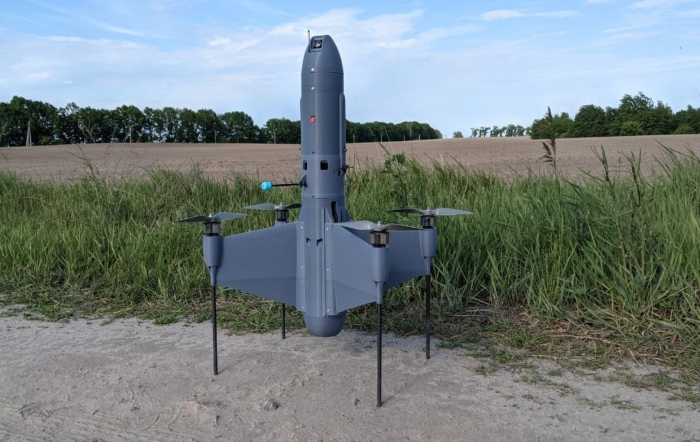
Ukrainian interceptor drone in 2025 / “Militarnyi”
Successful Applications
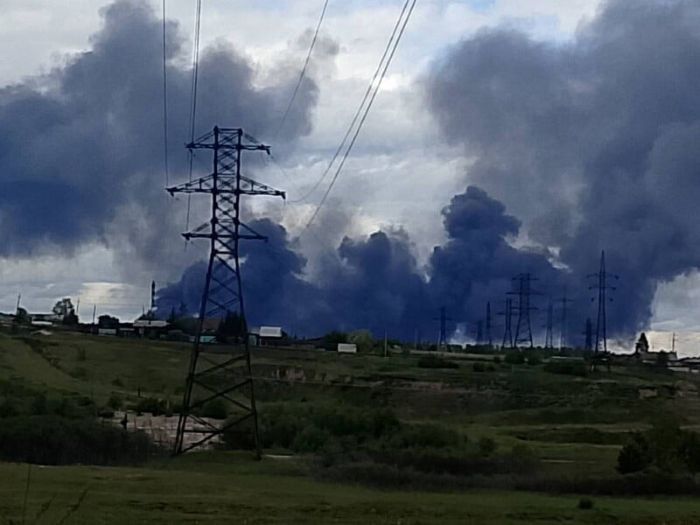
Ukrainian attack and long-range drones have repeatedly targeted and destroyed oil processing facilities within the Russian Federation. These strikes temporarily disable production capacities, undermine fuel reserves, and disrupt enemy logistics.
On the tactical level, the mass and systematic use of reconnaissance and attack drones has created a “kill zone” — areas where enemy movement becomes extremely risky. Russia’s attempts to launch large waves of Shahed and similar strike drones are regularly repelled by Ukraine’s air defence systems and integrated countermeasures. However, as Russia has increased production tenfold, conventional air defence methods are no longer sufficient, leading to broader use of interceptor drones — a cheaper and faster alternative.
Conclusion
Not highly demanded at the beginning of the full-scale invasion, drones have now become a top investment priority. Ukraine’s allies are witnessing their effectiveness firsthand — on the frontline, in cities, and in efforts to weaken Russia’s war machine. Also, as noticed in partner reports, this increment of production creates new workplaces.
Though drones cannot replace all other types of weapons and Ukraine still need diverse support, they can stabilize and even change the situation with relatively cheap price. What is more, Ukrainian developments and observations would help to advance European technologies, particularly in the framework of a drone wall concept.