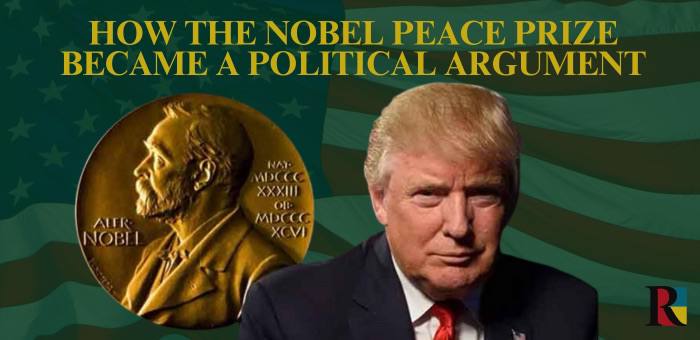
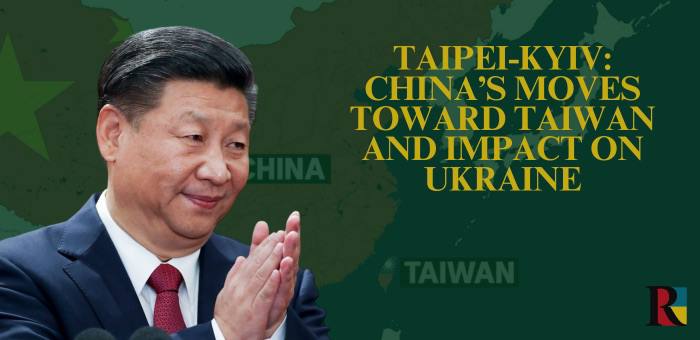


Taiwan’s President Lai Ching-te said that if U.S. President Donald Trump manages to convince Xi Jinping to renounce the use of force against Taiwan, he deserves to be awarded the Nobel Peace Prize.
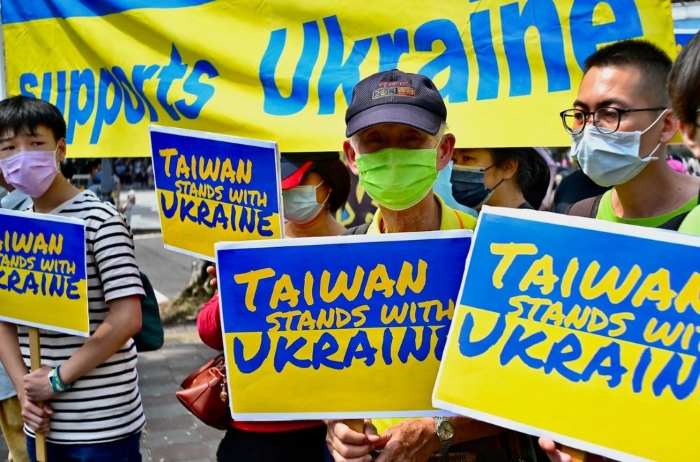
In this context, understanding the importance of reducing dependence on Russian energy sources to strengthen alliances, private refineries on the island are prepared to stop purchasing Russian naphtha products, although an official ban has not yet been implemented. All government-owned factories ceased buying Russian energy in 2022, and Taiwan officially supports Ukraine, though Ukraine has not recognized Taiwan de jure. In late summer 2025, Taiwan hosted the first Ukrainian parliamentary delegation in 20 years.
China’s preparation
According to analysis by the Royal United Services Institute (RUSI) in London, recently uncovered documents reveal contracts for high-altitude parachute equipment and amphibious landing vehicles, supplied to China by Russia.
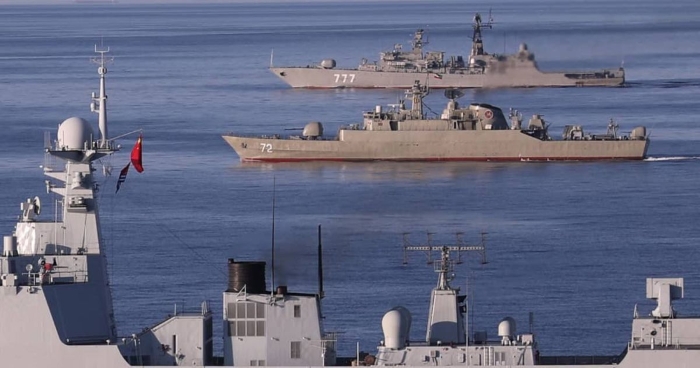
The People’s Liberation Army (PLA) has been modernizing its land, sea, and air forces for years with the Taiwan scenario in mind, spending roughly eleven times more on defence than Taiwan. Chinese naval vessels are constantly patrolling near Taiwanese waters, maintaining a persistent sense of threat.
Taiwan and Ukraine
Despite the geographical distance, the potential developments in Taiwan and Ukraine are closely interlinked. Instability in Taiwan could shift international attention toward the Asia-Pacific, while China continues to draw lessons from Russia’s invasion of Ukraine, particularly from the often-muted global response to Russian war crimes. Ukraine’s experience also serves as a case study for assessing whether sanctions can effectively deter a major aggressor and whether the international community can maintain unified pressure.
A report by the European Council on Foreign Relations notes that while the threat of sanctions may have a deterrent effect, it does not guarantee prevention of aggression. The European Union’s strong economic ties with China further complicate any potential response. At the same time, China is closely watching how modern warfare evolves, from the use of sea drones to cyber operations, and NATO officials warn that a simultaneous attack on Taiwan and Europe could be used to disperse Western defence efforts. This scenario was highlighted by Supreme Allied Commander Europe Alexus Hrynkiewicz during a meeting with military leaders and defence industry representatives in Wiesbaden in summer 2025, and later reiterated by a Taiwanese officer during a security forum in Poland in October 2025.
Conclusion
The likelihood of a Chinese attack on Taiwan continues to grow. Beijing is strengthening its military capabilities, often in coordination with Russia, refining its doctrine, and applying diplomatic, informational, and economic pressure. The prospect of a meeting between Donald Trump and Xi Jinping has already raised concerns, recalling the tension that preceded Trump’s meeting with Putin in Alaska.
Although not officially recognized by many countries, Taiwan remains a crucial geopolitical partner for democracies. Its fall would signify not just a regional crisis, but a decisive victory for autocracies worldwide.
Daria Maslienkova