

This is how the Olympic story of Ukrainian skeleton racer Vladyslav Heraskevych began — an Olympic journey that did not end on the podium of the 2026 Winter Olympics in Milano-Cortina.
With tears in her eyes, IOC President Kirsty Coventry announced the decision to disqualify skeleton racer Vladyslav Heraskevych even before his first heat. The reason was a “memorial helmet” that Heraskevych intended to wear during his runs. It served as a reminder to the entire sporting community of all the athletes whose lives were taken by Russia. It was also meant to draw attention to the gradual lifting of sanctions and the return of privileges for “neutral” athletes from the Russian Federation and Belarus.
Vladyslav Heraskevych and the entire Ukrainian skeleton team announced they are filing a lawsuit regarding the groundless disqualification, which likely cost the Ukrainian national team a place in the medal standings.
However, the problem is much larger than medals. This case demonstrated that Russian and Belarusian athletes are slowly returning to the arena—and no longer just in a “neutral” status—while any attempts to express dissent are harshly punished. Moreover, their positions are beginning to be taken into account and even justified. Our task remains unchanged: to prevent this and to remind the sporting community of what Ukrainians are sacrificing for the sake of global security.
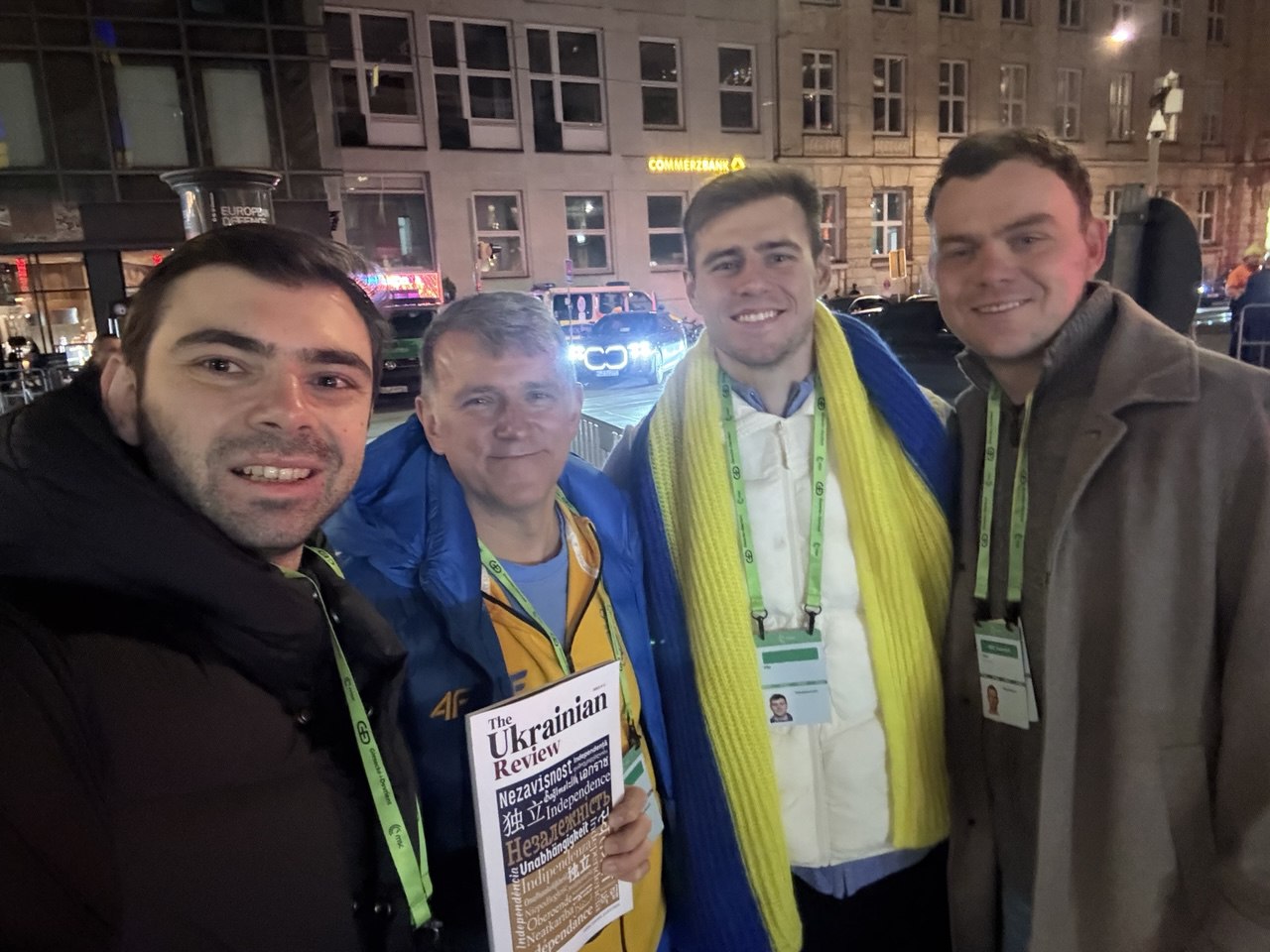
“I think in these crazy times, considering what I’ve had to deal with over the past few days, the brightest moment has been the unity around Ukraine. And I hope we can maintain this for as long as possible: unity around Ukraine and the memory of the people who sacrificed their lives. Thanks to this sacrifice, we can be at the Olympic Games today as the Ukrainian team, and I am very grateful for that,” Heraskevych noted at the Munich Conference.
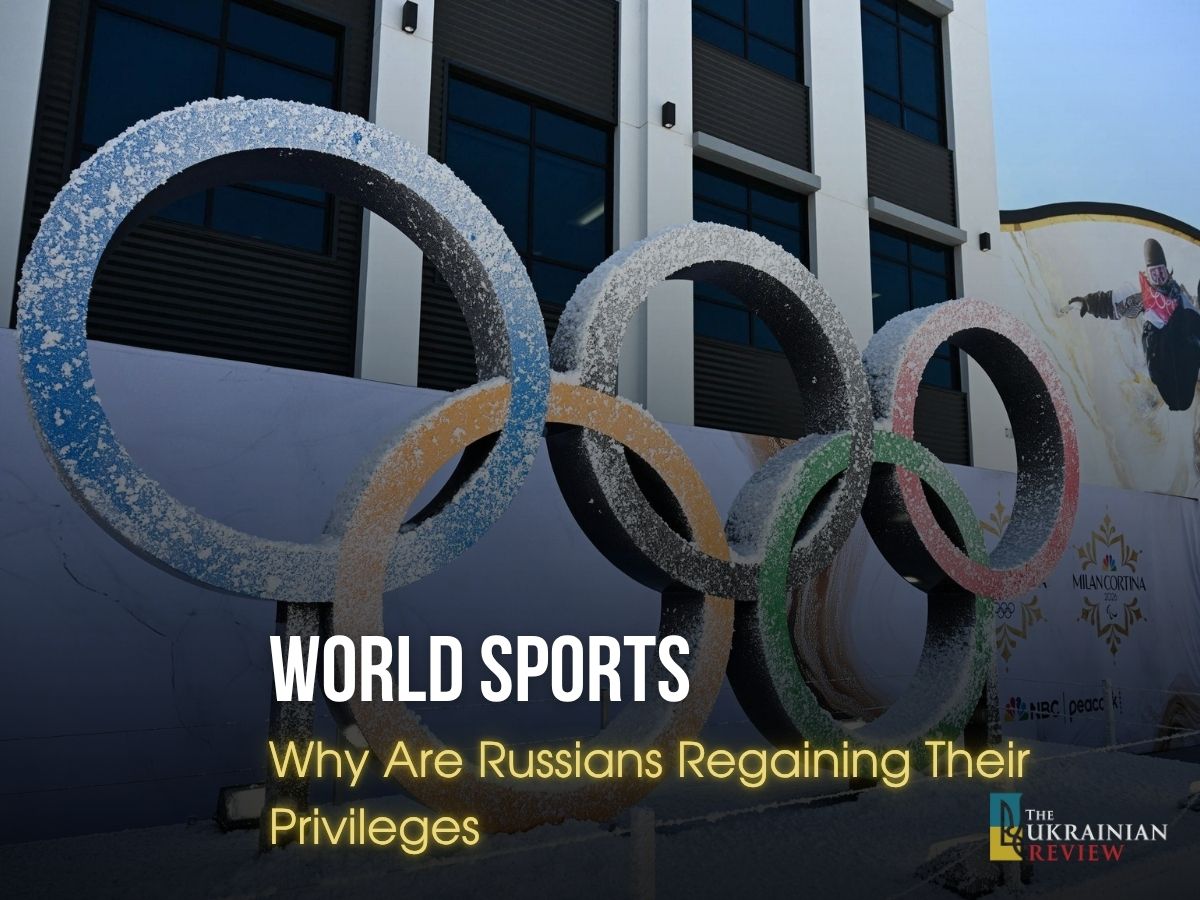
The Struggle for Sports Continues
“Neutral” athletes, who are in fact anything but neutral, continue to compete on equal terms with Ukrainians. For instance, WTA world number one Aryna Sabalenka has openly supported the Lukashenko regime and has never once condemned the Russian-Ukrainian war. Her protégé, 19-year-old Mirra Andreeva, publicly supports the President of the Russian Federation and has even received awards directly from the dictator.
The main reason for such protection is the commercial success of Russian and Belarusian tennis players within the ATP and WTA federations. If a player generates views and profits, political factors are ignored. In contrast, the representation of Ukrainian players on media platforms is sometimes even artificially restricted.
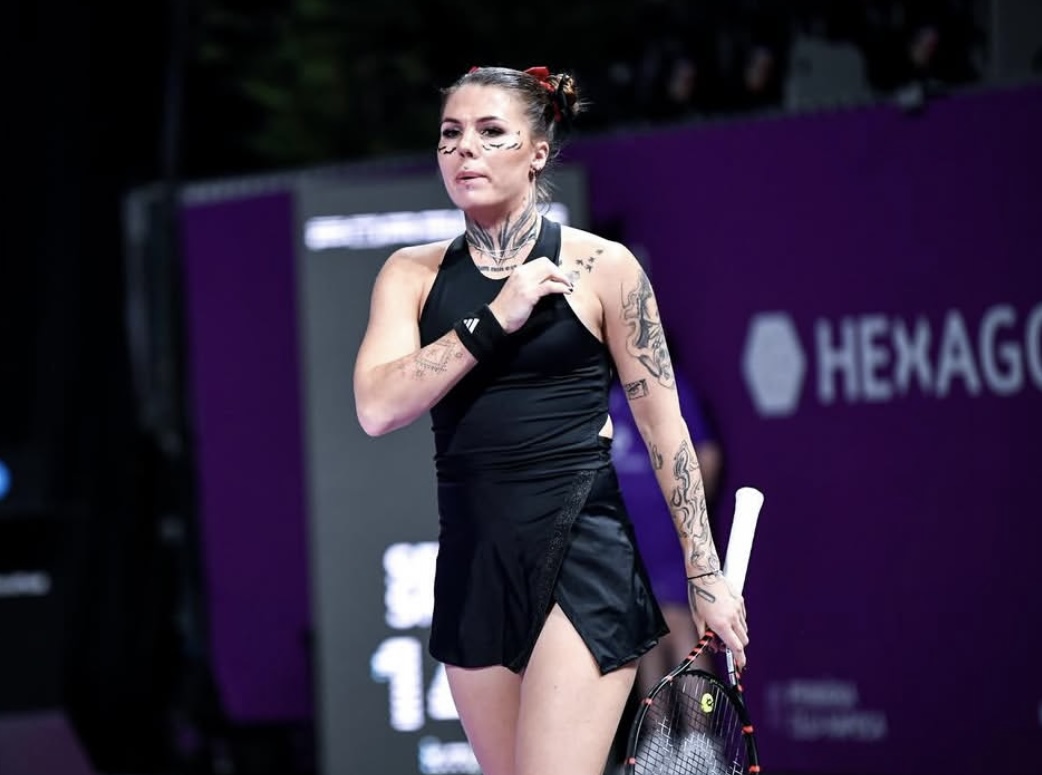
Ukrainian tennis players have repeatedly criticized the organizations’ inaction. In particular, Oleksandra Oliynykova (WTA 66) constantly emphasizes the inadmissibility of “neutrals” participating in official competitions, and for some, she even proposes a review of their neutral status and subsequent disqualification.
Double Standards of the Paralympics
This year, the story of permissiveness escalated at the 2026 Paralympic Games. Spectators saw the medal standings on the official website featuring the flags of Russia and Belarus instead of the neutral abbreviation “AIN” (Individual Neutral Athlete).
The International Paralympic Committee (IPC) explained this by stating that while such sanctions were necessary until 2022 and during the Beijing Paralympics due to Russian military propaganda, there is allegedly “less of it” now; therefore, they should be allowed to represent their countries again. At the same time, the IPC prohibited Ukrainians from using uniforms featuring a map of Ukraine, labeling it a “political gesture.”
Conclusion
The predictions of Ukrainian athletes are, unfortunately, coming true. Sports organizations are growing “tired” of the war and are removing their masks of “performative activism.” Our athletes receive formal support, but simultaneously, their right to a voice is restricted, and support is categorized into “correct” versus “too political.”
The probability that other federations will follow the IPC’s path and return the aggressors under their national flags is extremely high. So far, most associations have been held back from such decisions only by pressure from the sporting community and fans around the world. One thing is certain—sport never exists outside of politics, and any concession to the aggressor in this sphere will become another act of destabilization for international sports.
By Liudmyla Pylypenko