


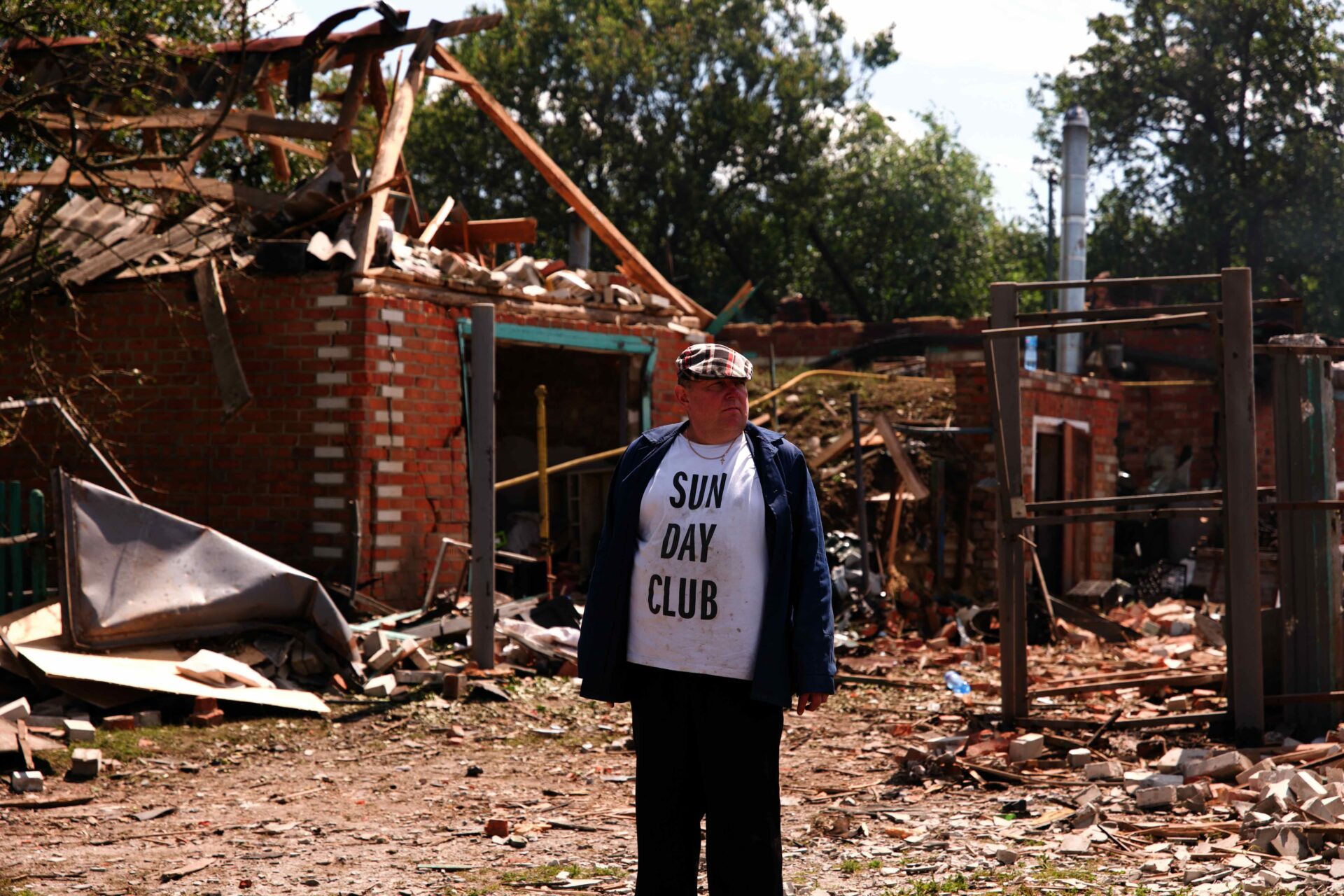
Sumy. A warm summer’s day, bright blue sky, birds whistling from the bushes and trees. “Sun Day Club” is written in black letters on the white T-shirt of a man in his 60s. The blast wave has simply torn the gate away. He stands forlornly between two posts, a cap with a tartan pattern shining on his head.
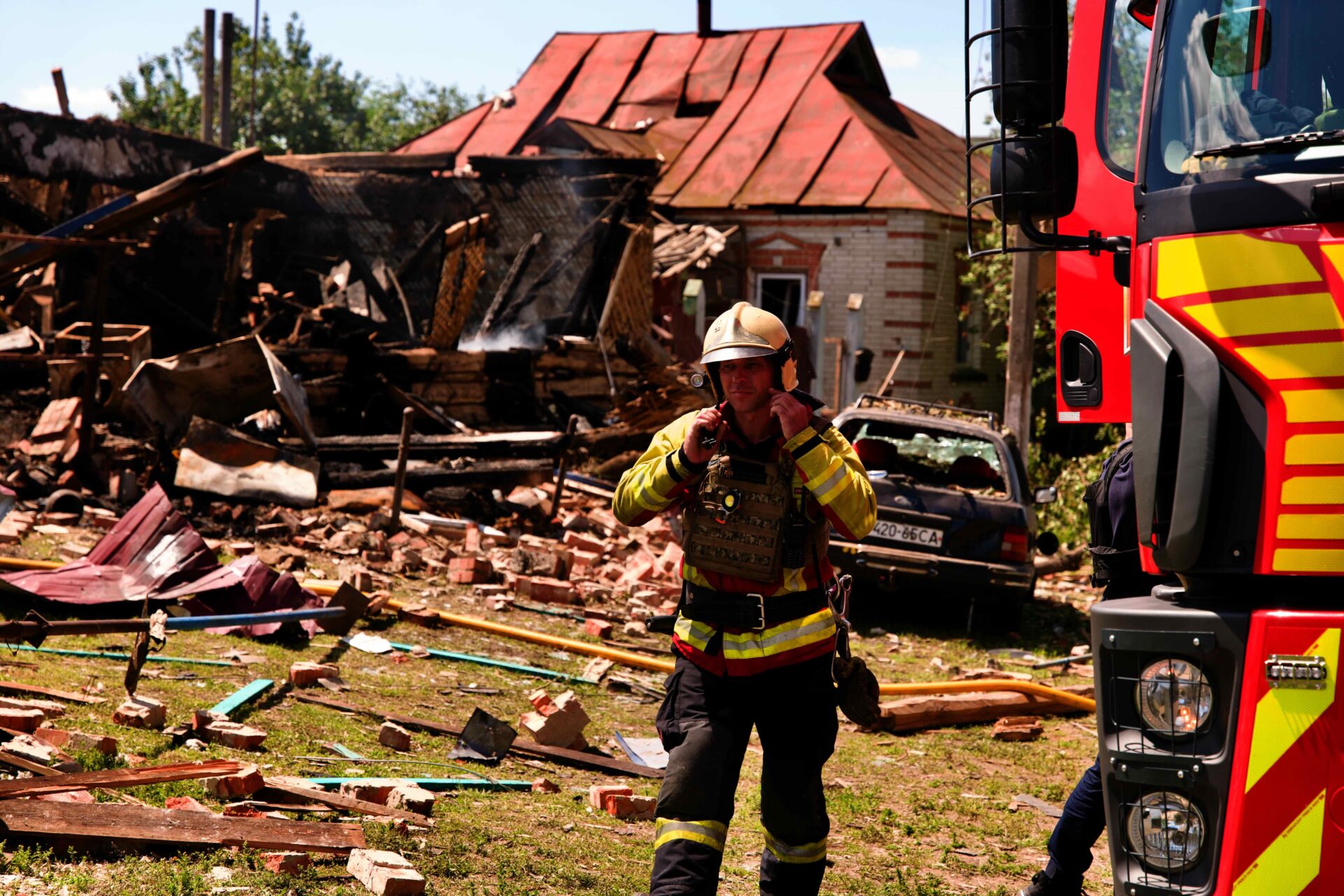
The man gazes in bewilderment at what is left of the house. Smoking rubble. Two firemen drag a hose past him. A nest of embers in the ruins catches fire again. A jet of water presses against charred beams.
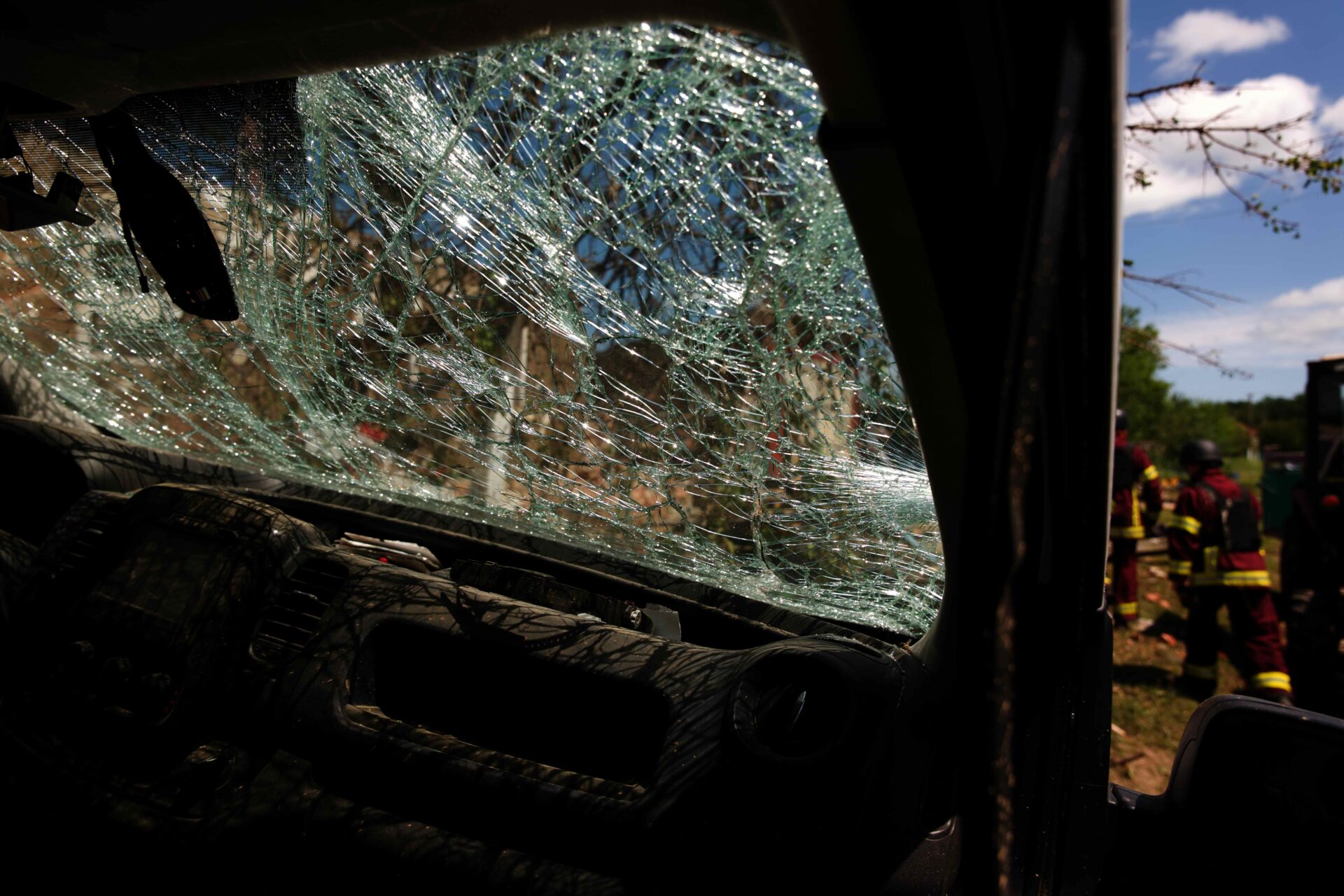
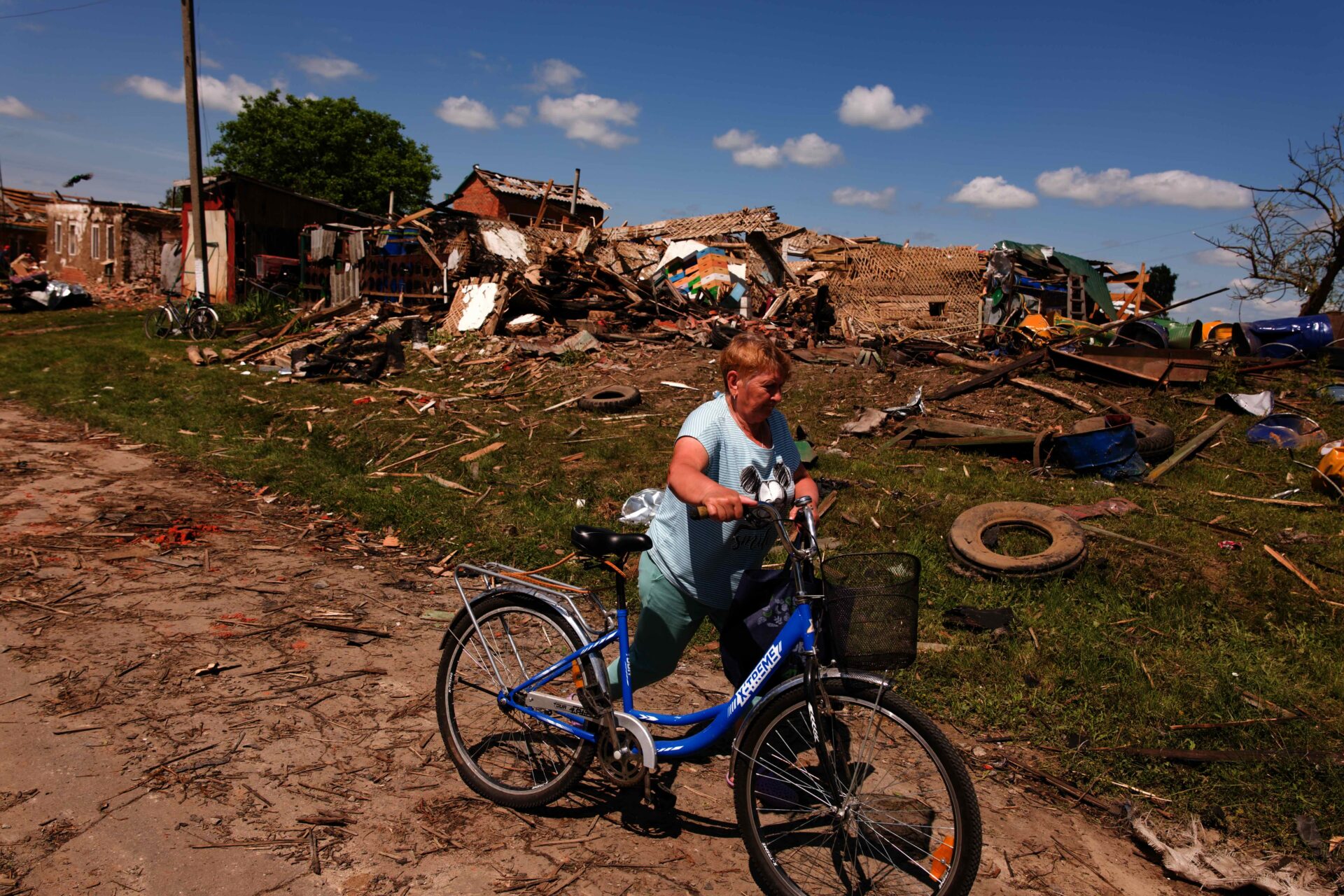
Half a dozen houses in the village of Velykiy Bobryk (Sumy region) had been severely damaged or reduced to rubble by Russian Shahed drones a few hours earlier. Three people died, including an eight-year-old child. Too few to appear as a news flash in the international media. Even the attack on a train near Dnipro on the same day caused little stir in the world press. The situation in the Middle East dominates the news that day.
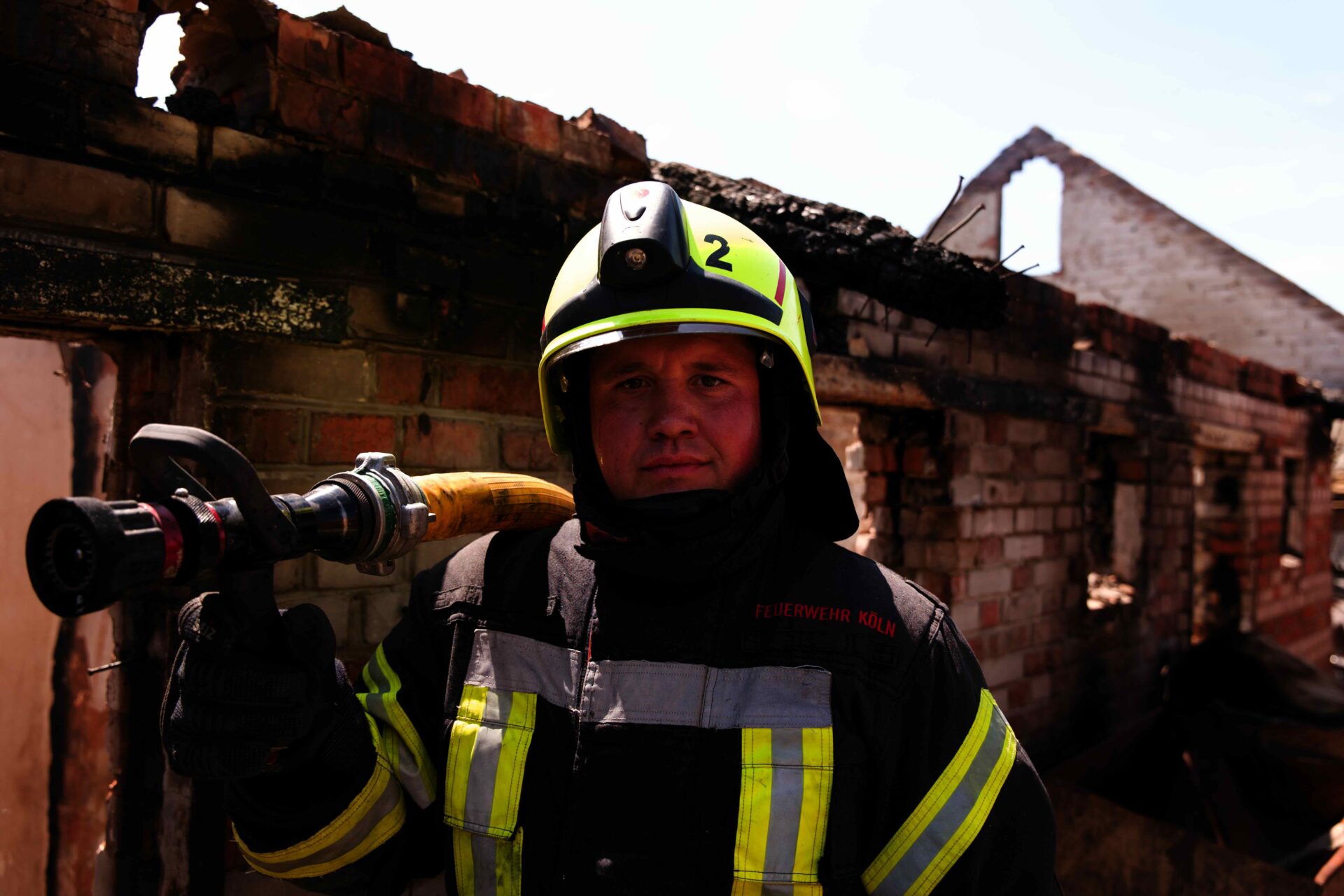
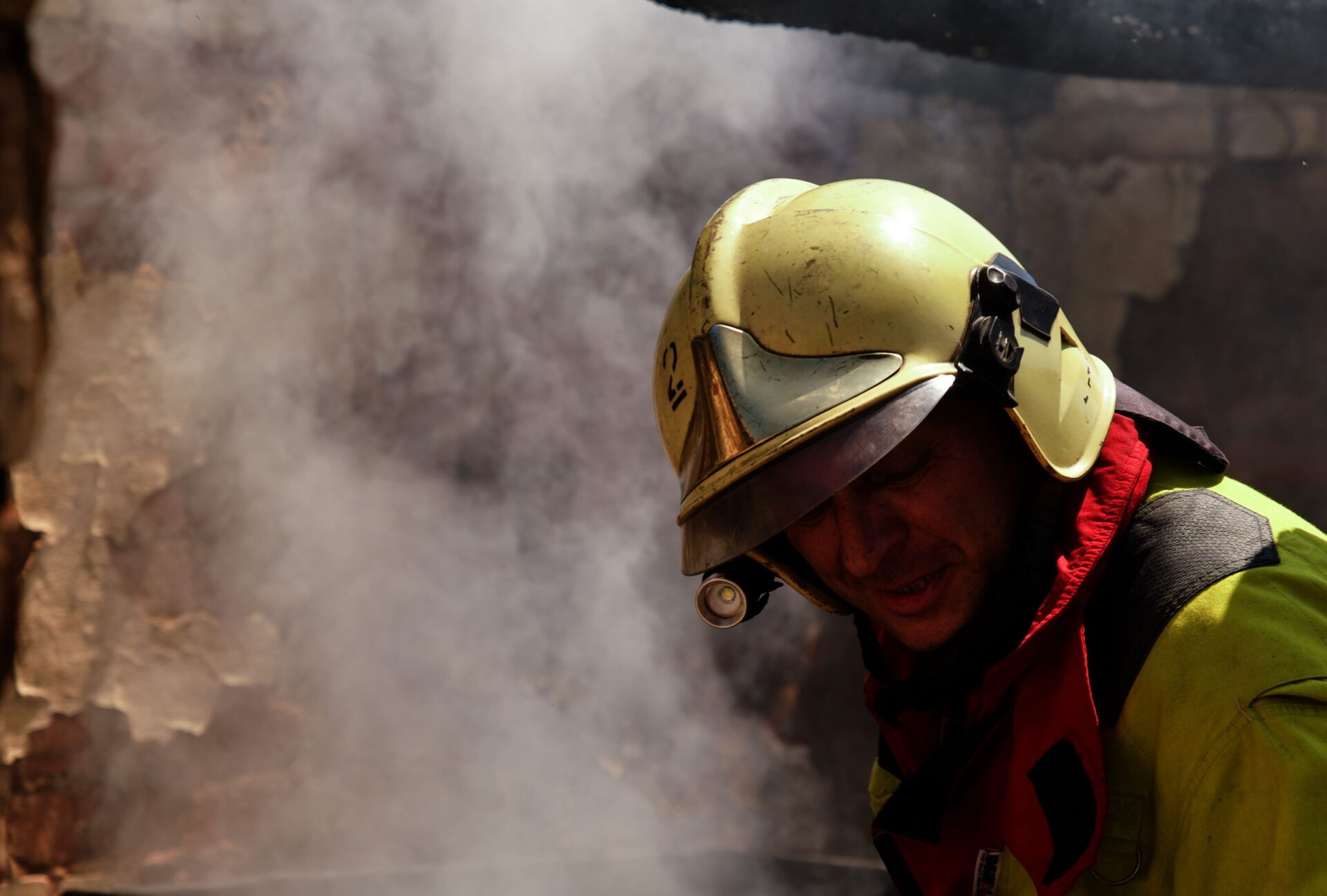
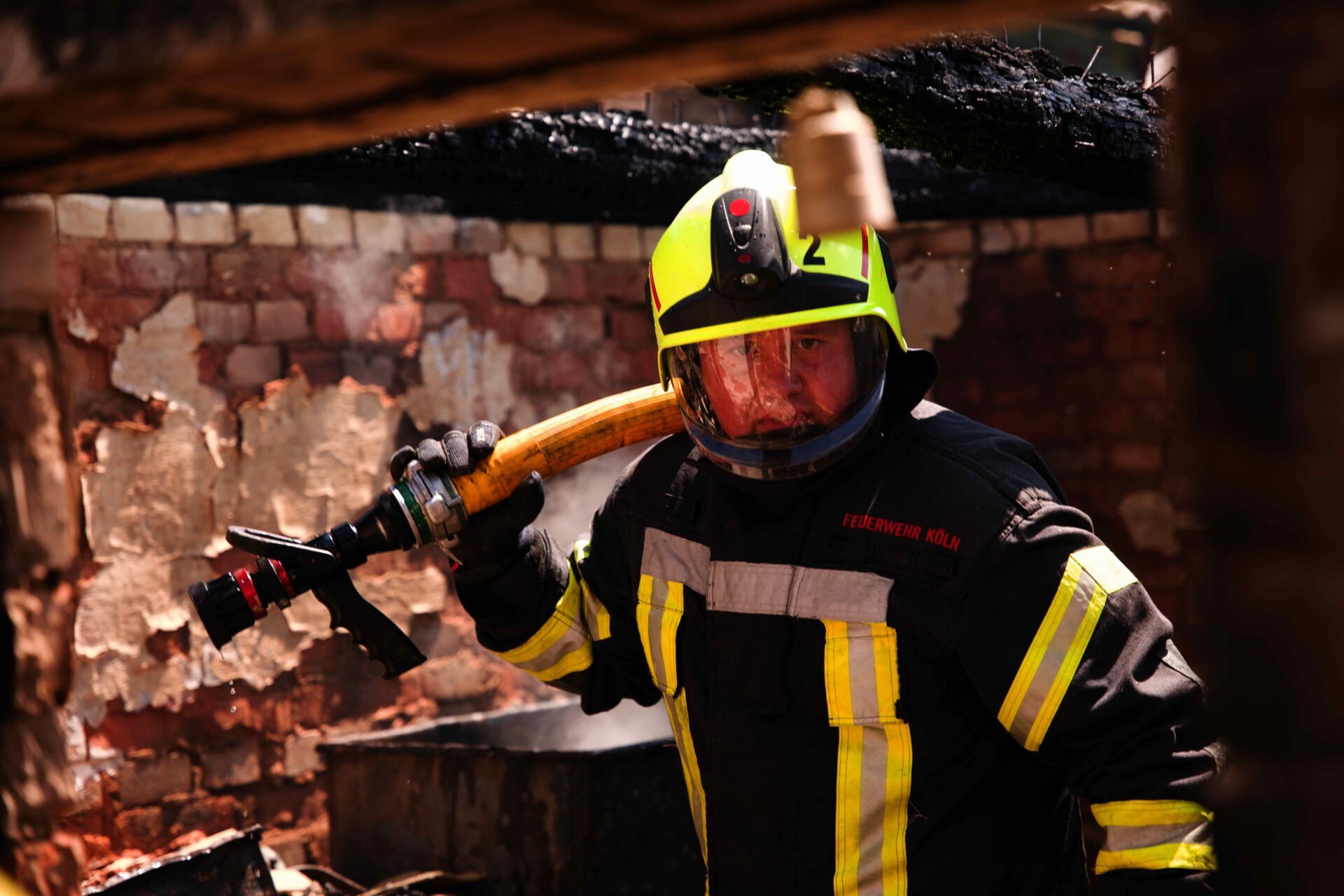
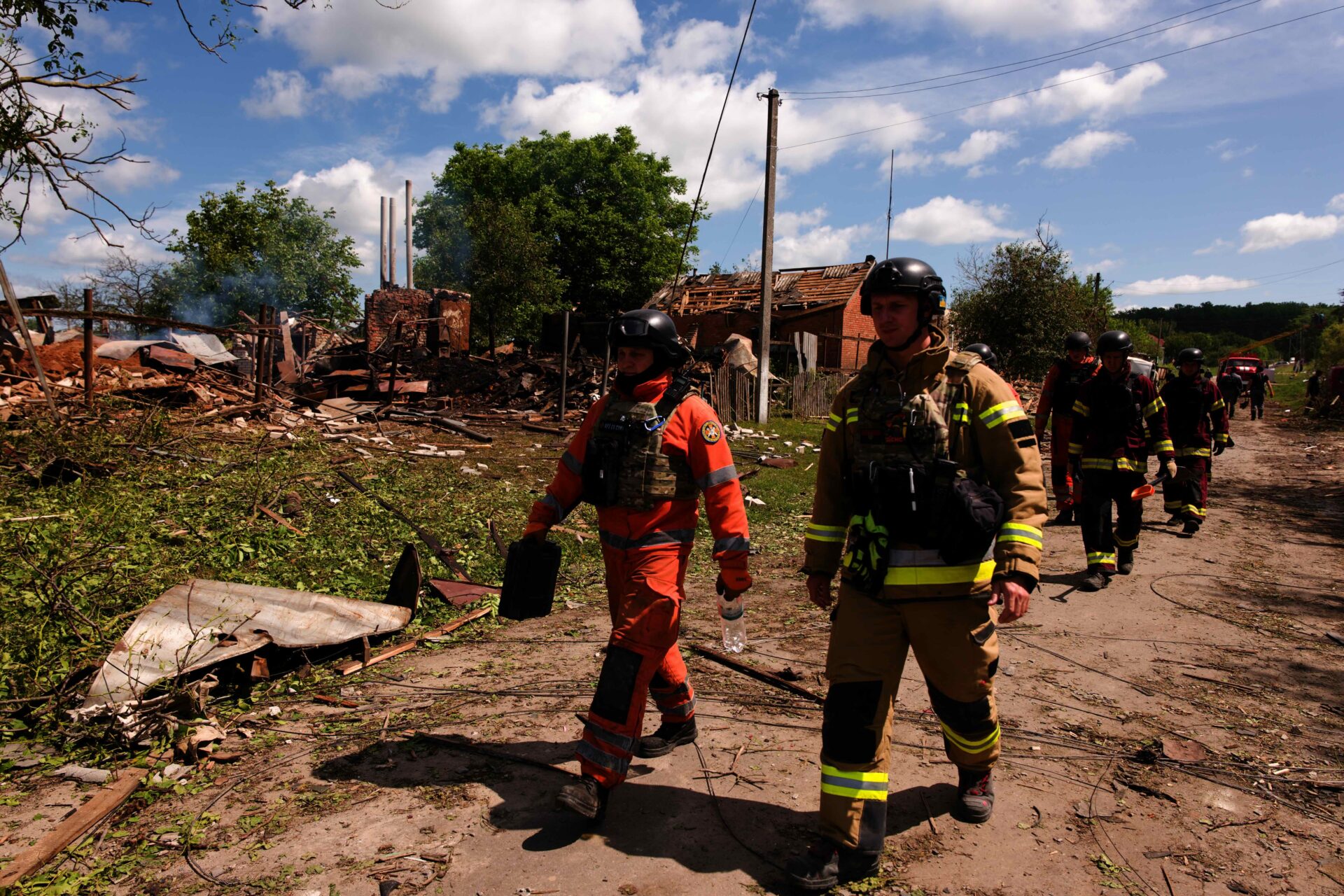
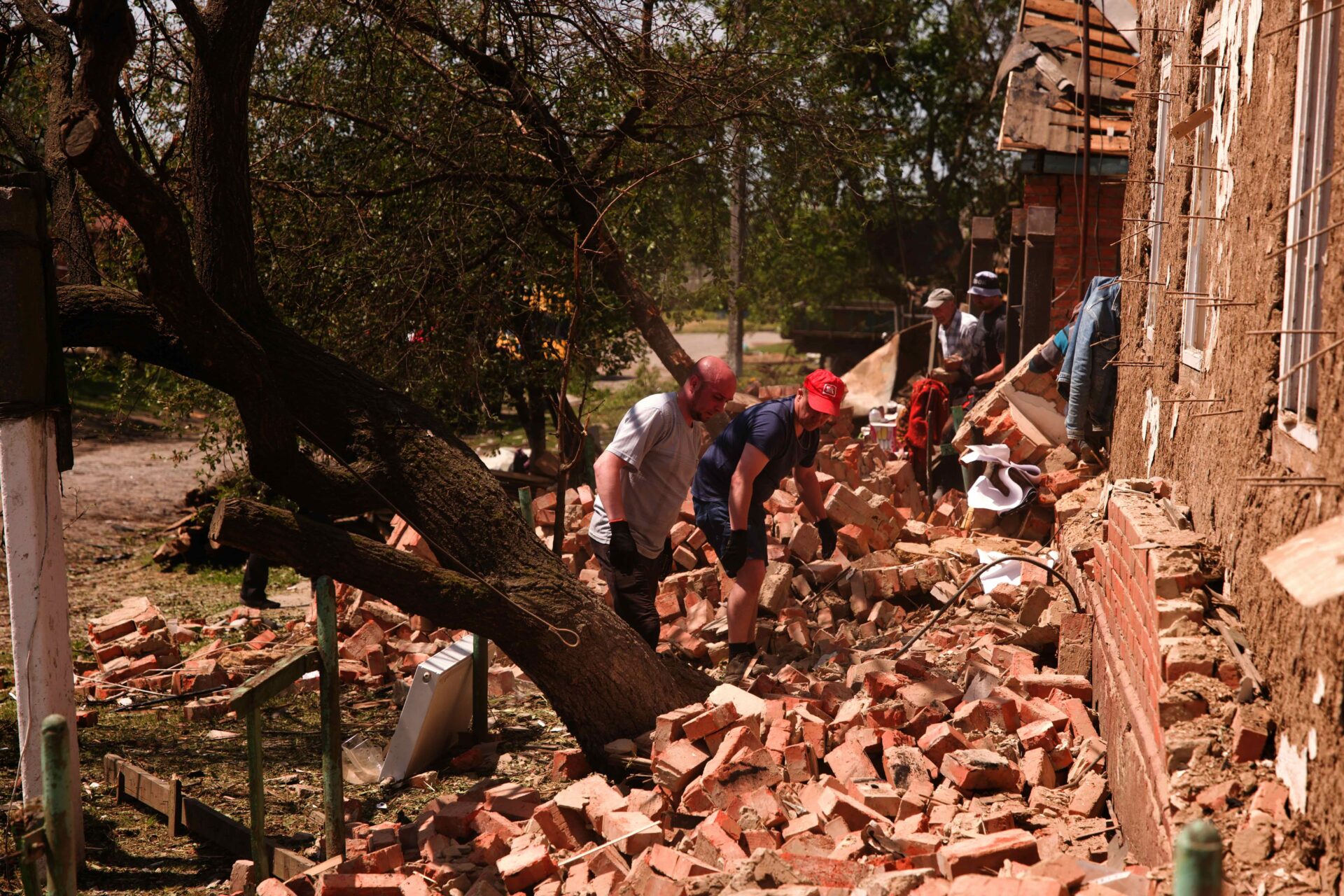
But on the side of a dusty road in Sumy Oblast stand the people who have been robbed of their livelihoods by the attack. The wheels of a wheelchair protrude from a pile of rubble.
Tamara (56) and Tetyana (51) are sitting in a café in Sumy. They have just ordered an espresso each.
Unbelievable, now we’re sitting here drinking coffee. Our villages are turning into rubble. None of this is real anymore? – says Tamara and swallows.
Two weeks ago, the couple fled from Kiyanytsya and Ivolzhanske, less than 20 kilometers away as the crow flies. From drones, glide bombs, artillery shells and the approaching Russian soldiers.
The Russian army has opened up a new front in north-eastern Ukraine. The invaders have reached as far as 25 kilometers from Sumy. Now the Ukrainian troops appear to have stabilized their lines. Meanwhile, people living close to the fighting, like the two women, are fleeing.
Tamara worked as a community nurse until she fled.
In the end, I was the last person who could give medical help to the few who remained, – she says. – Then a glide bomb hit her street. It was terrible, my husband and I knew we couldn’t stay any longer”.
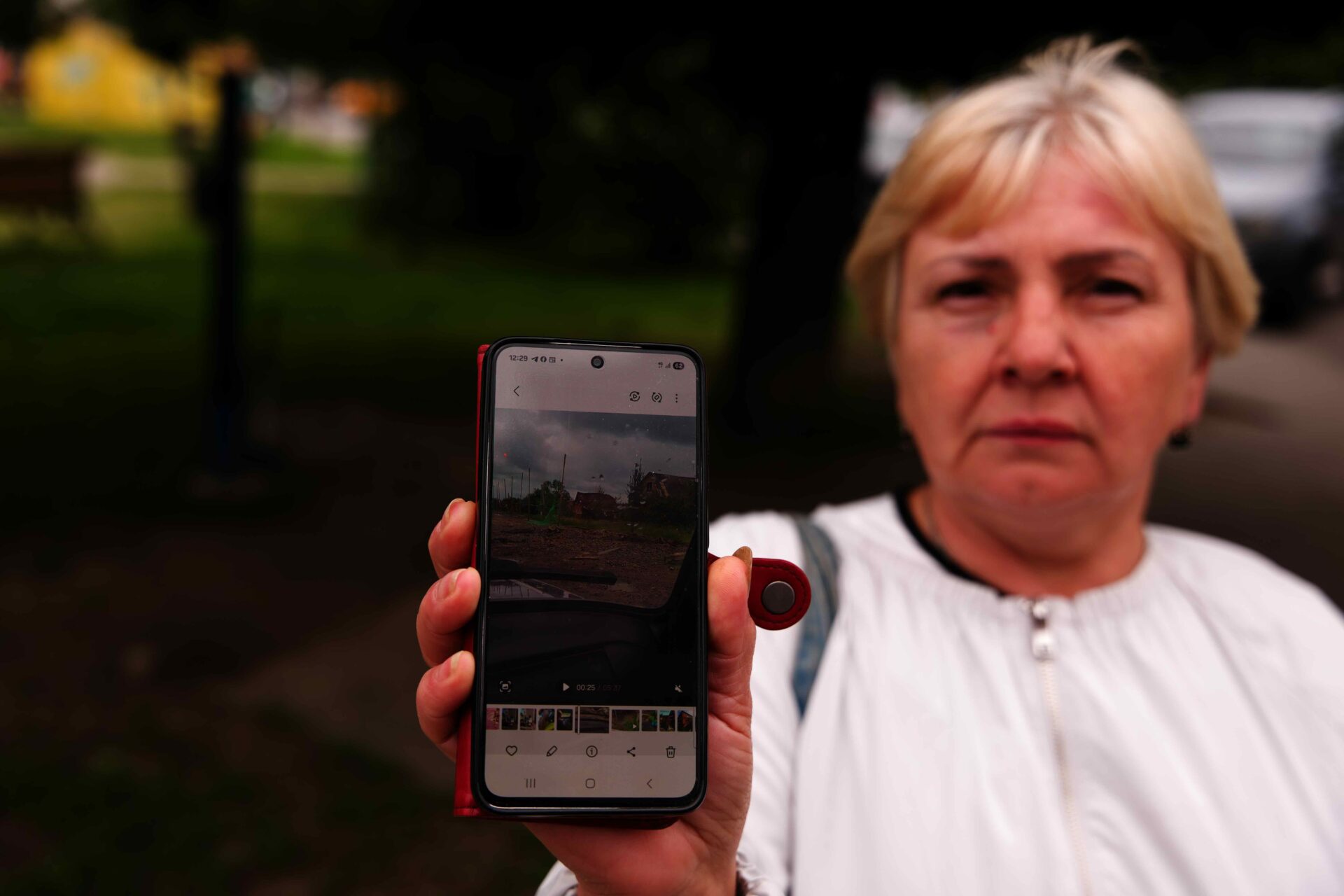
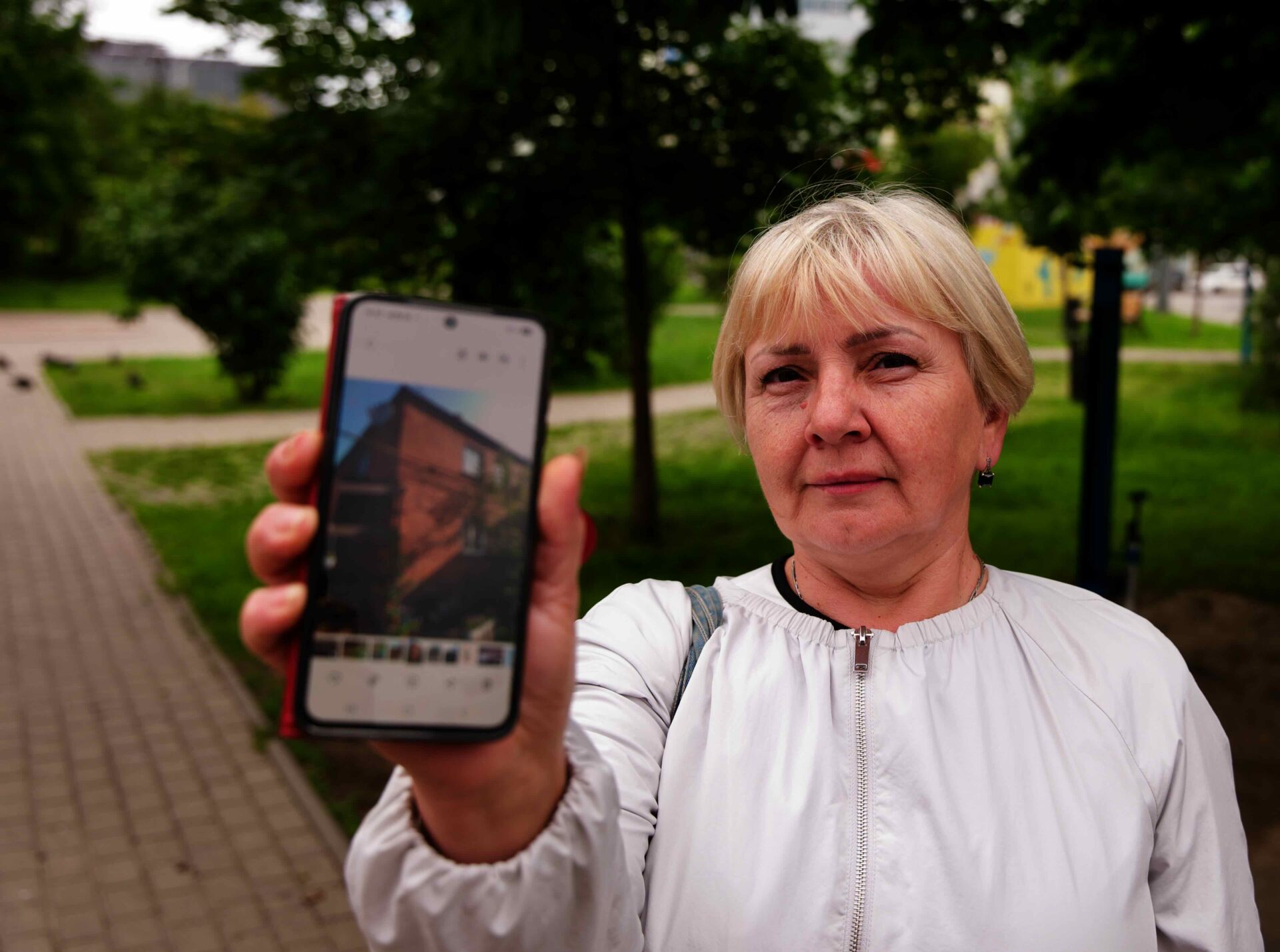
Tetyana takes out her smartphone and opens the photo folder. There are pictures of destroyed houses. The screen of Tamara’s phone also starts to light up. The screen shows a village street. To the left and right are poles with nets hanging from them. Some are still stretched across the road. Others have fallen torn to the ground.
The nets are supposed to intercept the kamikaze drones. They buzz in the air and could strike at any moment, – explains the 56-year-old and sighs.
I still drive home every two days. It’s a dangerous journey. But we feed our chickens and the pig, – she explains. – Then there is an old and frail man who doesn’t want to leave the village.
So I’ll look after him too, – says Tamara. The next day, she plans to go again.
Each time I think to myself, maybe this is the last time I’ll see my house. Will I be able to come back to the village? Will the Russians destroy it? Will my village come under occupation? – she asks.
At an economic forum in St. Petersburg these days, Putin spoke frighteningly plainly. Once again, he referred to Russians and Ukrainians as one people, thus denying Ukrainians their statehood. “In this sense, the whole of Ukraine belongs to us”? – the dictator concluded verbatim in a press conference. At the same time, he does not rule out advancing further into the Sumy region and even taking its eponymous “capital”. Until the latest Russian offensive, Sumy had a population of over 250,000.
Tamara and Tetyana shake their heads.
We are certainly not one people. Brothers and sisters don’t come to murder and destroy, – says the 51-year-old.
Tamara talks about a cousin who married into Russia a good 30 years ago.
At the beginning of the invasion, she wrote to me on Telegram that it was good that Russia was now cleaning up Ukraine, – says the trained nurse. – Clean up your dictatorship yourselves, I wrote back. Since then, there has been silence.
Her cousin’s parents’ house was recently destroyed by a shell.
I didn’t get a reply from her when I wrote to her on Telegram, – says the 56-year-old.
Both women no longer feel safe in Sumy. Tetyana is a widow.
I might want to go to Germany. I hope I can get a job there. But I hear it’s difficult to find an apartment, – she says.
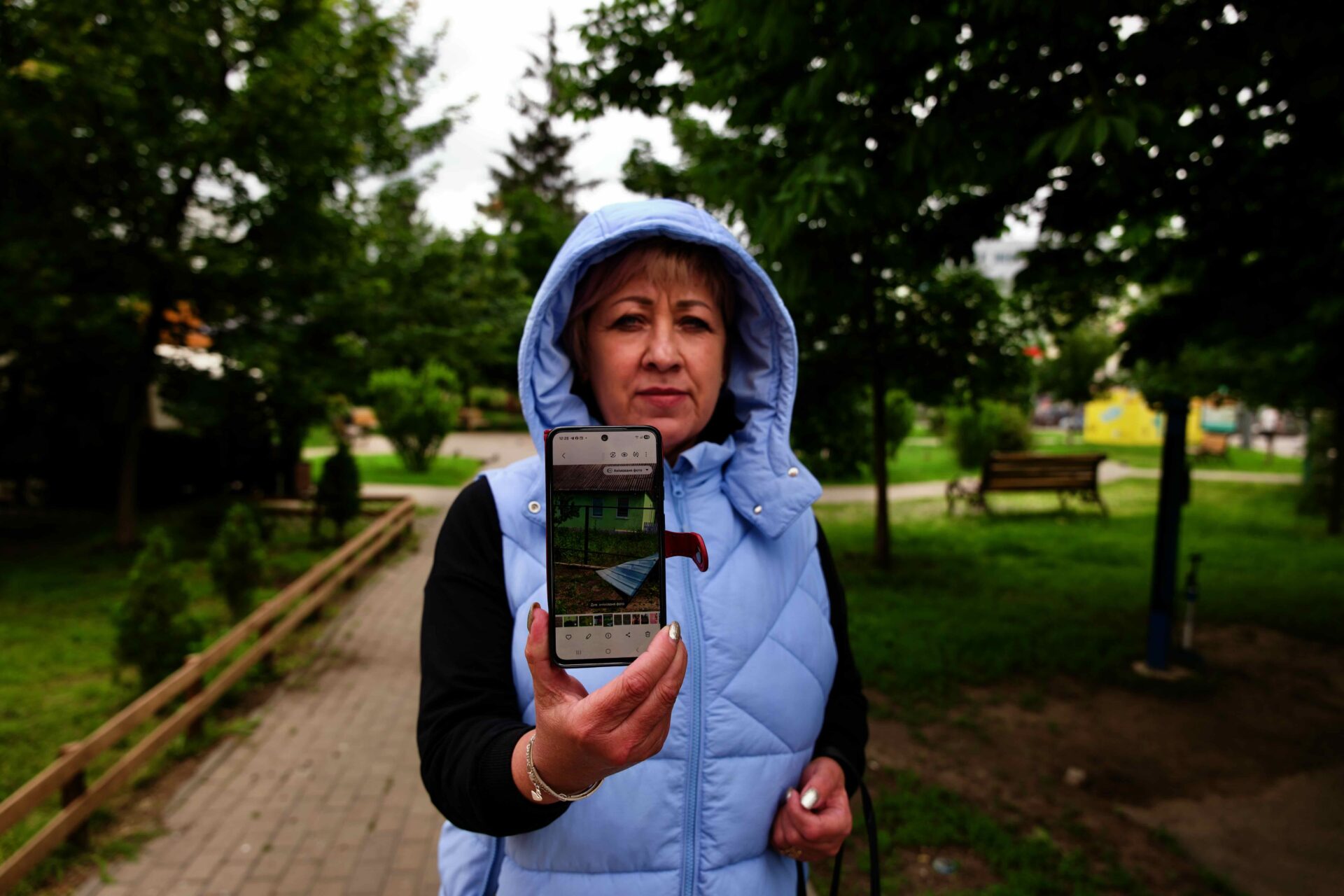
Tamara wants to go to Poland with her husband. Her daughter lives there.
My God, it hurts to leave Ukraine. We have survived over three years of war, – she says quietly. Tetyana nods. In the evening, Tamara calls the journalist. Glide bombs have hit her village again. – My husband says it’s too dangerous to go back there now. At least our old neighbor has finally left the village. But what about the animals…
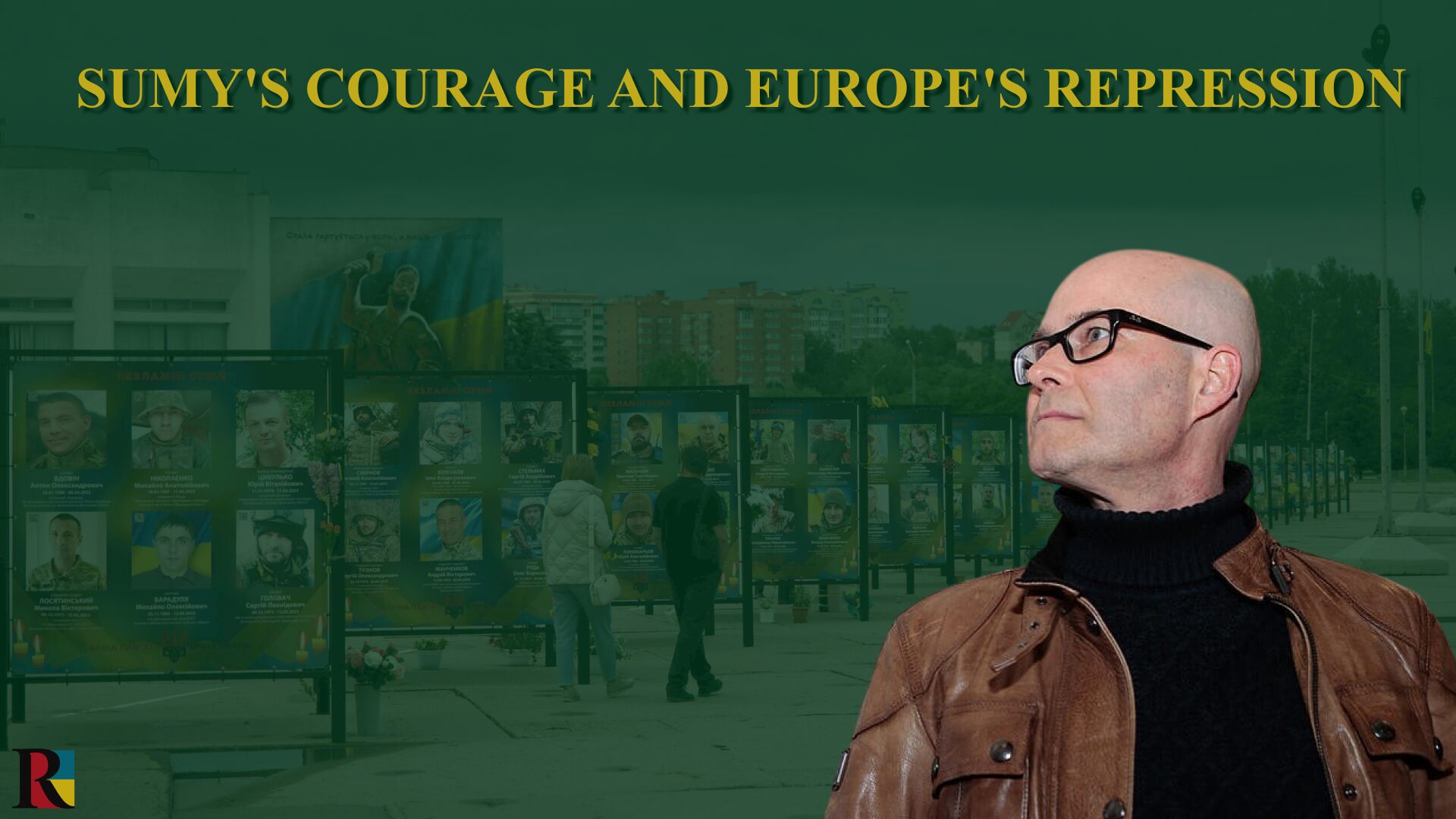
A short walk from the café through Sumy leads to Nezalezhnosti Square. An unadorned concrete giant towers there, the administrative headquarters of the region. A long row of billboards stretches across the large square. Hundreds of faces look out at the viewer: the city’s fallen soldiers. An axis of pain that stretches over 100 meters. Next to it is a container-sized concrete block with an open door: an air raid shelter.
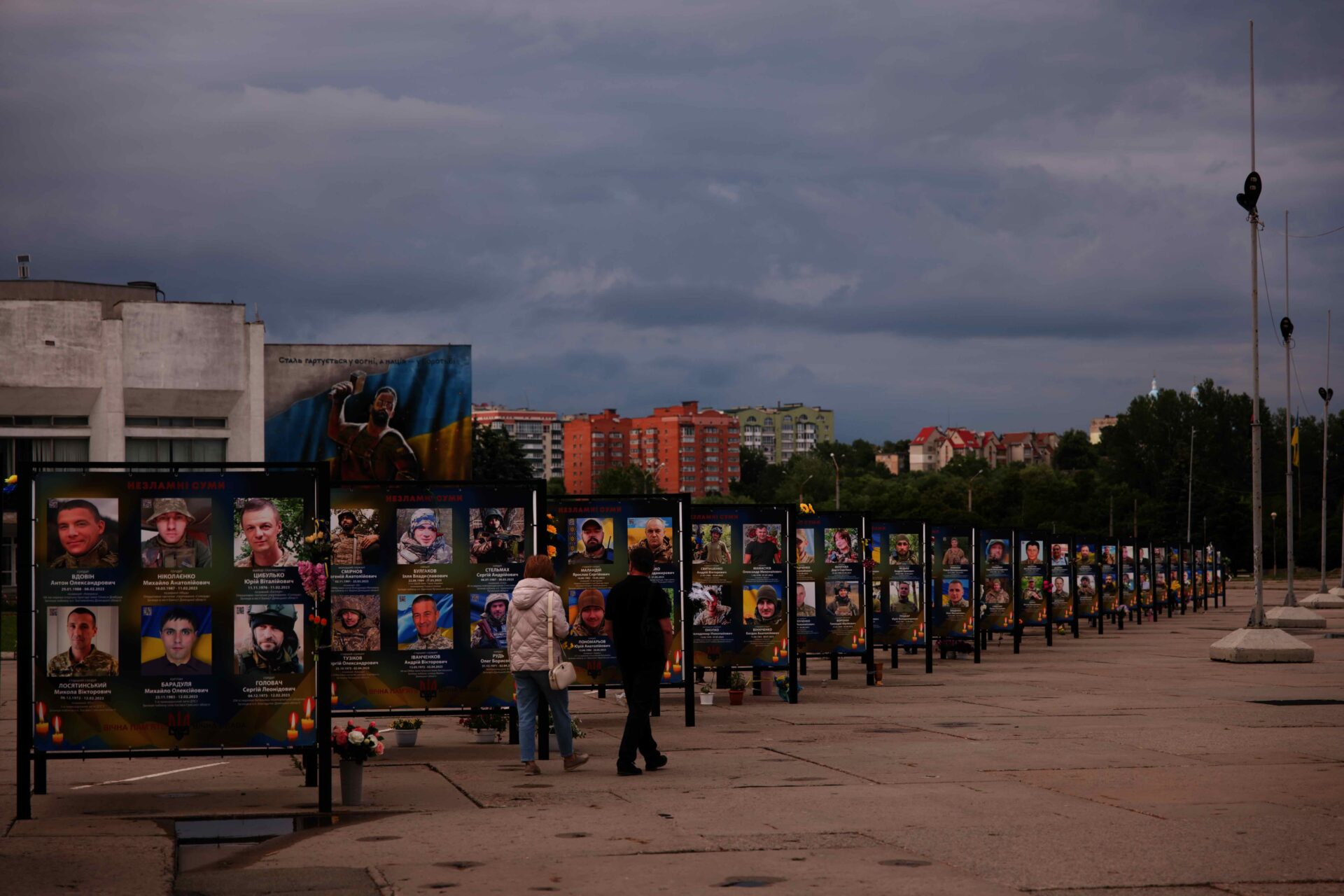
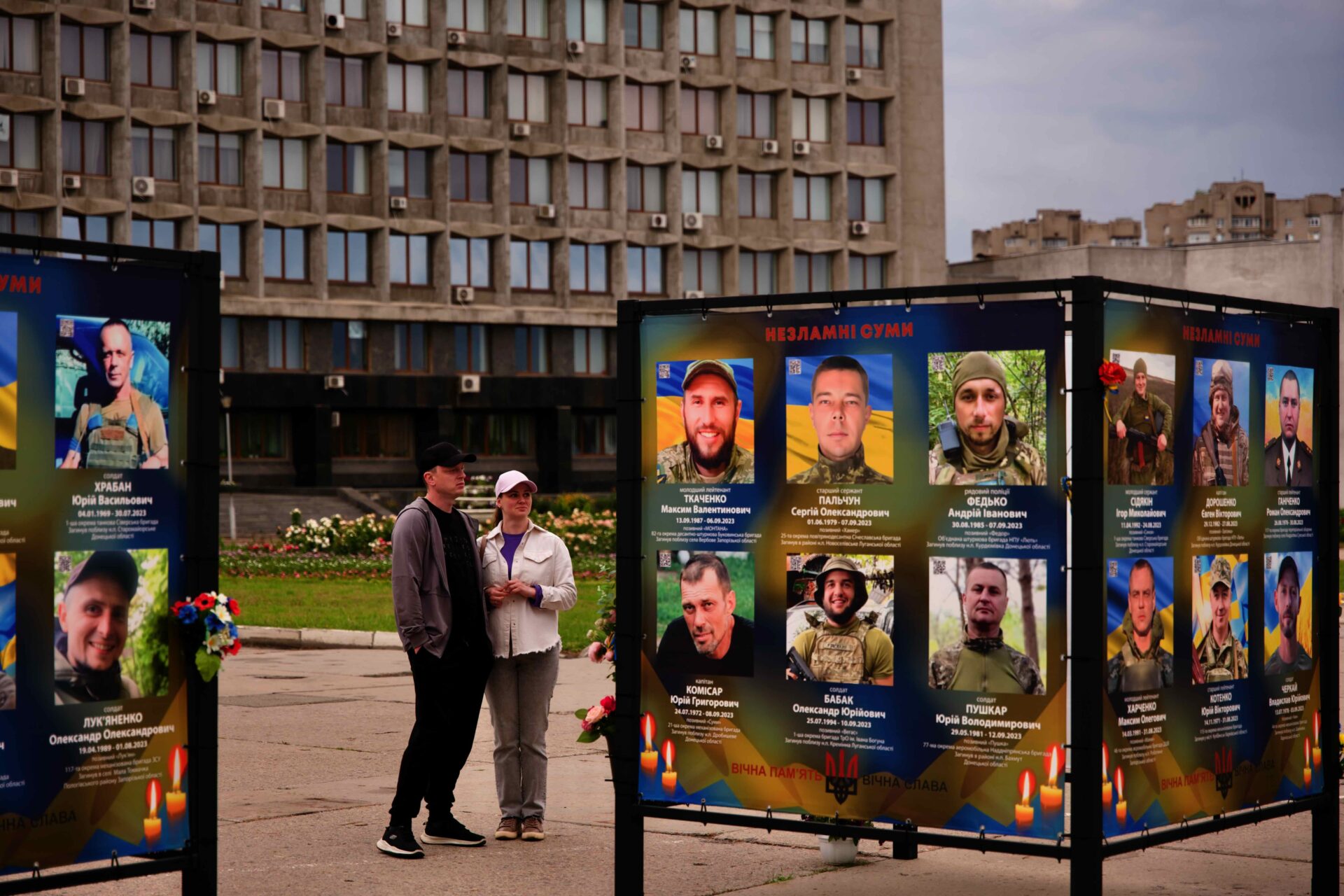
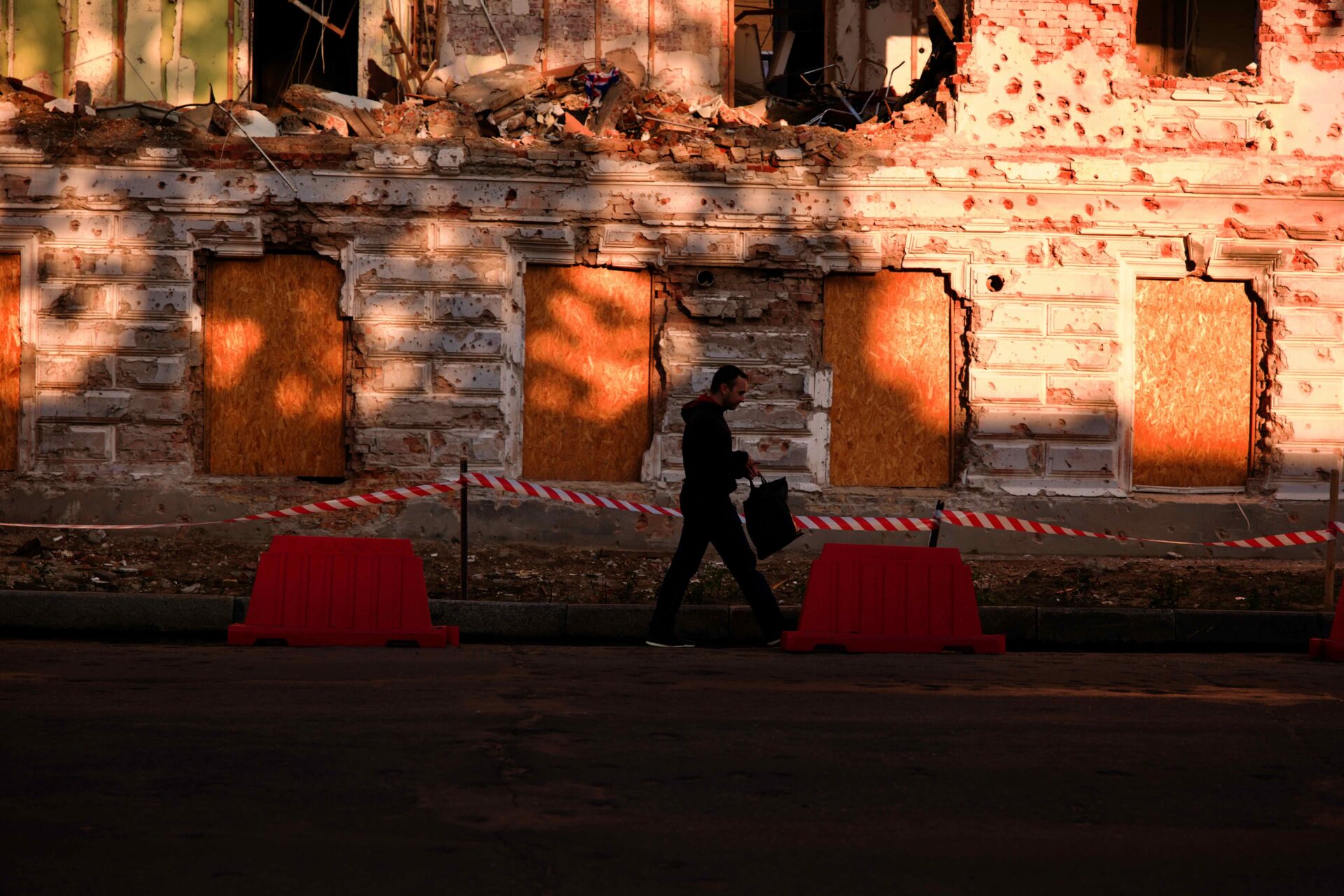
The square leads into a street that runs right through the old city center. Past the sky-blue Church of the Resurrection of Christ with its gleaming golden spire and stores behind historic facades. Some of them have closed and secured the glass of their shop windows with plywood panels. Barely 20 minutes later, the pedestrian reaches a place that is a painful wound for the people of the city.
More than 34 people were killed in a Russian missile attack on April 13. Among the approximately 100 injured were two 13-year-olds: Misha and Ivan. The two are best friends. Now they are standing with their mothers Tanya (42) and Alla (44) in front of a badly damaged university building. Ivan is in a wheelchair.
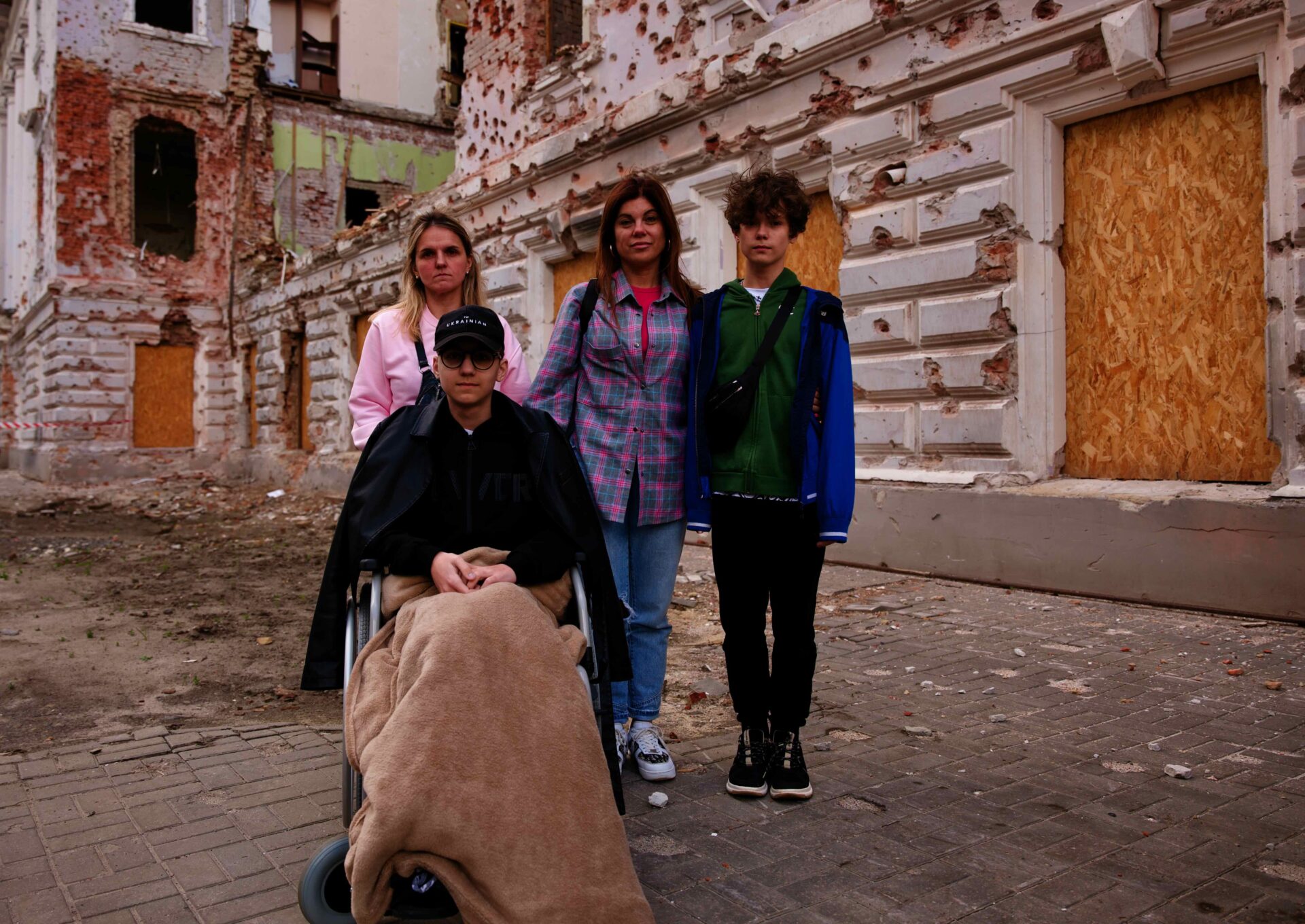
Together with the help of doctors and his family, he is fighting to be able to walk again. Splinters injured his spine and penetrated his lungs. Misha’s injuries are not visible. But among other things, his stomach was badly injured. Splinters cut into his entire body.
We regularly go to a specialist clinic in Kyiv so that our sons can be treated there, – explains Alla.
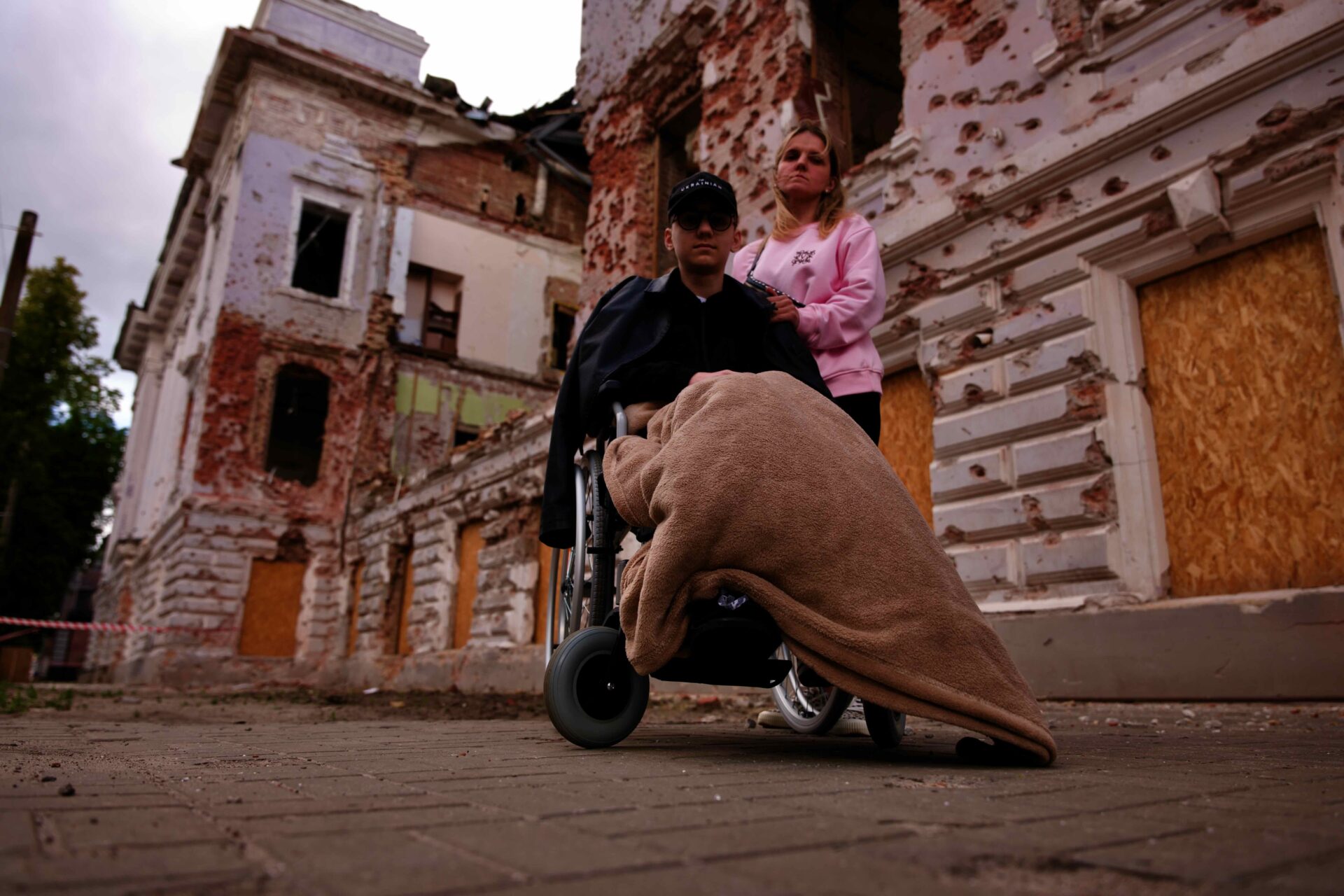
But the war is catching up with us there with the nightly air raids. Unfortunately, that’s the way it is, – explains Tanya.
One reason to be concerned. Clinics and hospitals are always targets for Russia’s military. In the summer of 2024, Russian missiles hit a children’s oncology clinic in Kyiv, the largest of its kind in Ukraine. According to official figures, almost 2,000 medical facilities have been destroyed or damaged by Russian attacks.
The war demands a lot of pain from families. Give up, give in? Neither Alla nor Tanya give it a second thought.
Our children should live in a free Ukraine. Not in a dictatorship, – the two mothers agree.
But the nearby front is causing the parents increasing concern. The sound of war can be heard in the background, a dark rumble.
My husband and I worry about whether we’ll have to leave the city soon. Just like half of our friends and acquaintances have already done, – says Tanya.
Alla nods in agreement. But Sasha and Ivan see things differently. They want to stay.
It’s our city and we don’t want to be separated, – explain the two teenagers, who are best friends.
Alla wants to give the journalist a message to take back to Germany.
When the first rocket hit, our boys were still unharmed. I wish I could have stopped them. But they wanted to go and help the people, – reports Alla.
Then came the next rocket, loaded with shrapnel. Delayed to hit the arriving aid teams. Russia’s military was not interested in destroying a military target. The second missile was intended to kill people, to shred their bodies.
The German government and EU officials are making the usual statements of consternation. 34 dead civilians and over 100 injured is not enough to justify a commitment to supply Taurus missiles from Germany. On the part of the USA, there was a brief pause in Trump’s madness.
My Ivan and his friend Misha have both shown courage. Two brave boys who took action. I am a proud mother, – she countered, without making accusations. But it’s clear what she wants to say.
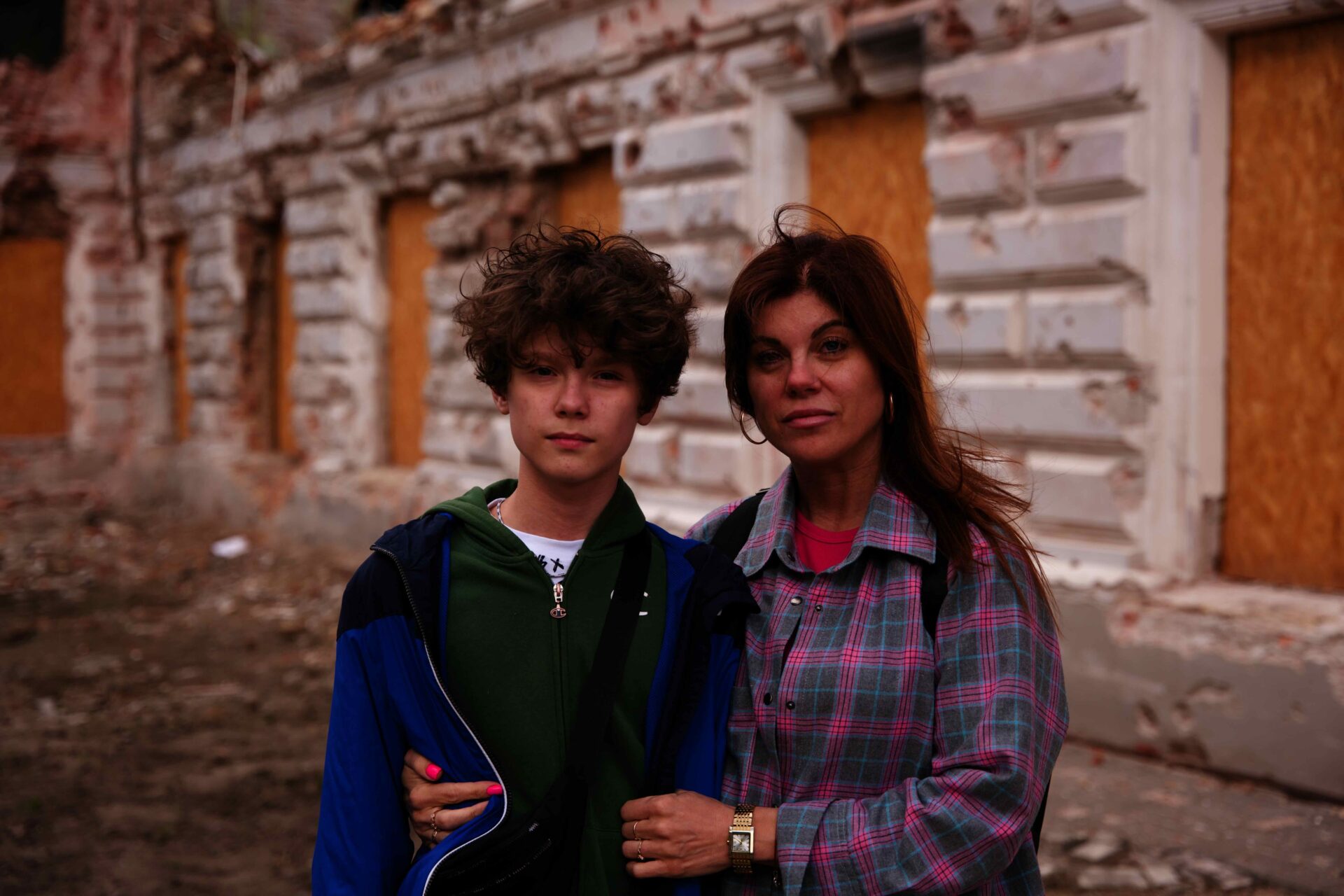
Tanya, Alla, Tetayna and Tamara – people in Ukraine increasingly feel that their fate, their war, is being suppressed in Germany and Europe.
Over 20,000 air defense missiles destined for Ukraine go to Israel. Although Kyiv is regularly attacked with hundreds of drones. Or Odesa, or Dnipro… Meanwhile, Putin makes it clear: “Wherever a Russian soldier sets foot, it’s ours”. The Kremlin ruler says this literally in front of the cameras. Doubts are spreading in Ukraine as to whether Germany has sufficiently understood what this sentence means for Europe.
By Till Mayer
The author:
(Photo) journalist Till Mayer (www.tillmayer.de) has been documenting the war in eastern Ukraine since 2017. Since the start of the full-scale invasion in February 2022, he has regularly reported on the consequences of the Russian war of aggression on Ukraine for our editorial team. He has won several awards for his photos and reports. His volume of reportage “Europe’s Front – War in Ukraine” was recently published by ibidem.