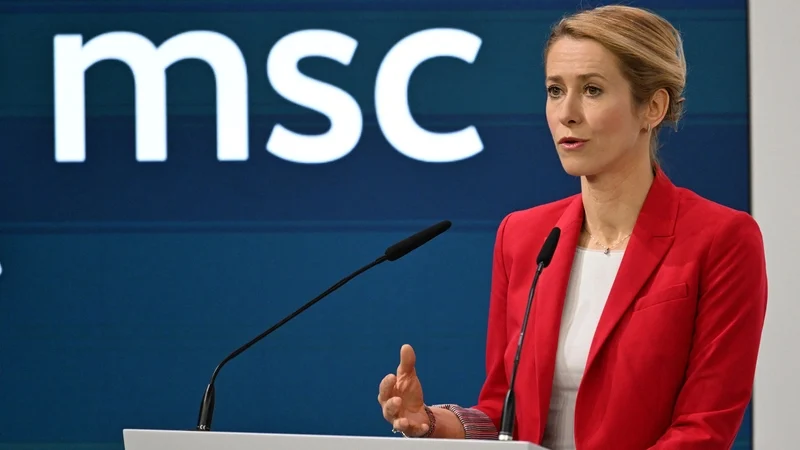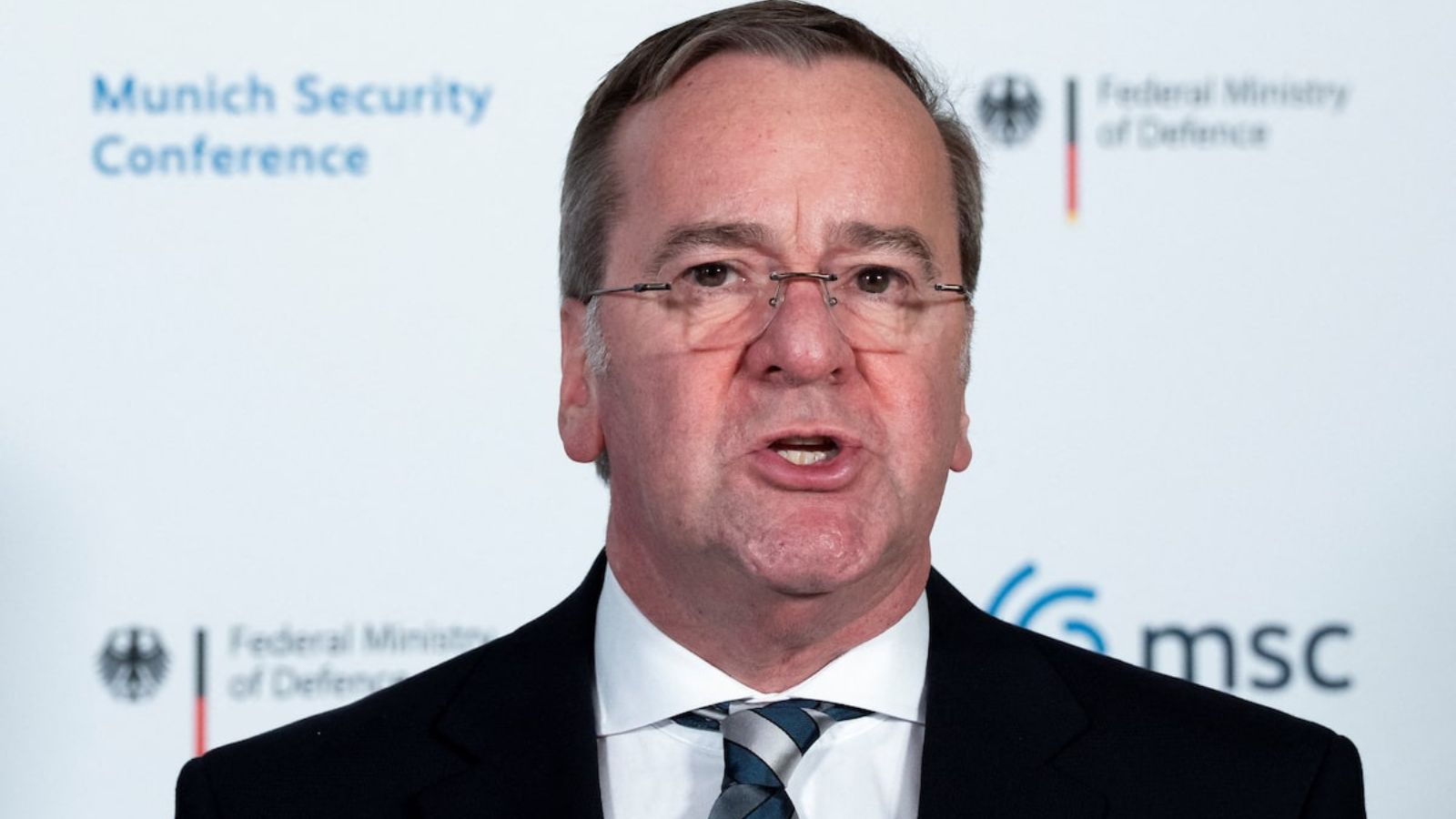


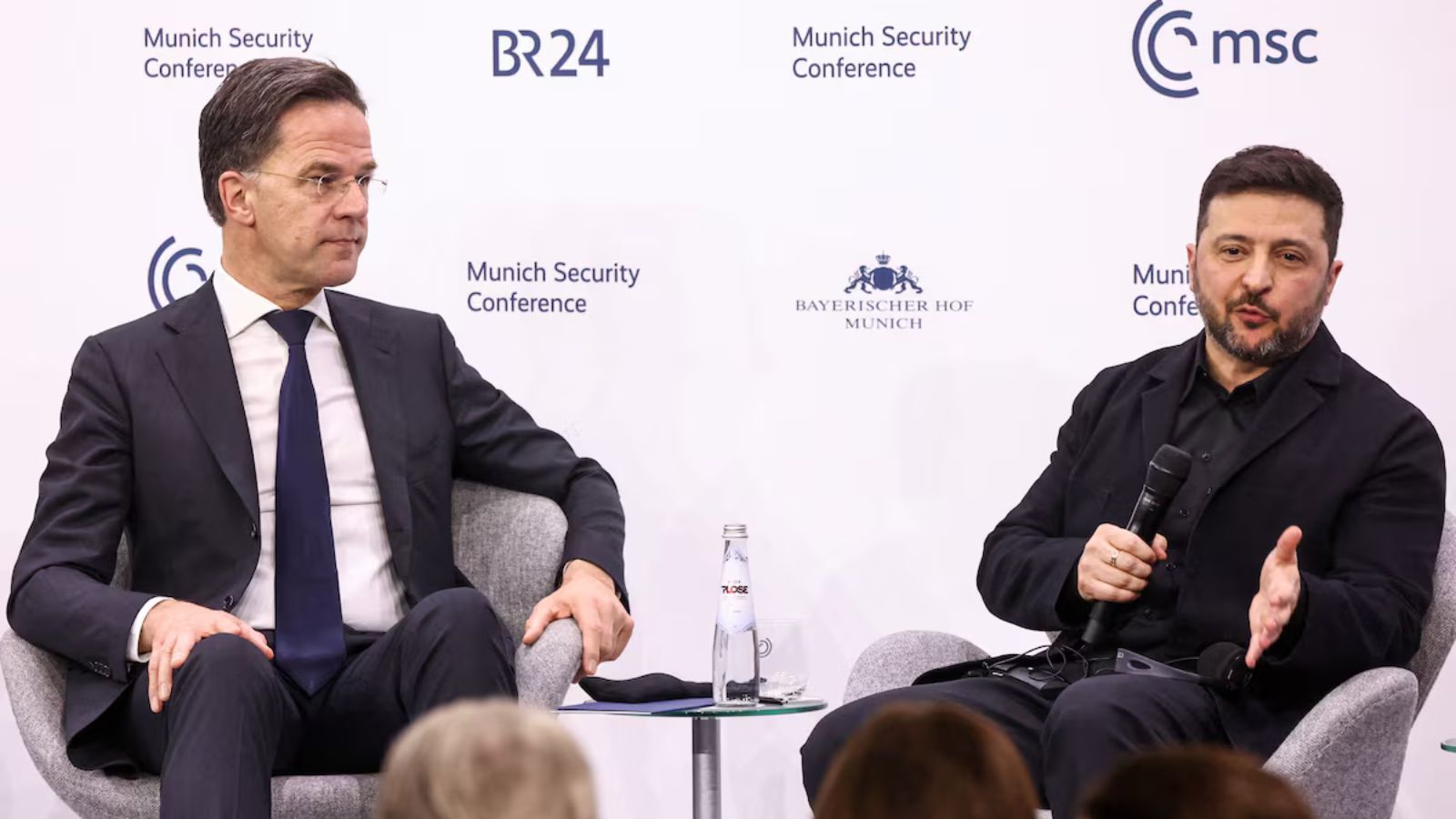
Munich Security Conference participants discussed strategies to deter Russian aggression and provide Ukraine with effective defense tools. German Defense Minister Boris Pistorius and NATO Secretary General Mark Rutte emphasized long-term support to prevent new conflicts in Europe. Japanese Defense Minister Shinjirō Koizumi drew particular attention to the involvement of North Korean troops in the full-scale war against Ukraine.
Future security guarantees for Ukraine must be meaningful and reliable to avoid the fate of the Budapest Memorandum. Boris Pistorius stated this during his speech on Saturday. The Minister stressed that the world must ensure a lasting peace when the day of truce approaches. According to him, Germany and Europe are ready to contribute to protecting Ukraine from any potential future aggression by Vladimir Putin.
“So the lesson for us, ladies and gentlemen, must be that we must not allow another ‘paper tiger’ like the Budapest Memorandum. And to provide reliable security guarantees, all of us – everyone, both Europe and the US – must contribute to this. Europe and Germany are ready to do their part,” Pistorius emphasized.
Frontline Situation and Global Threats
During the last two months of the full-scale invasion, the Russian army has suffered “insane losses” totaling about 65,000 soldiers. NATO Secretary General Mark Rutte reported this at the Munich conference. He emphasized that the Alliance has sufficient strength to deter the Kremlin.
“We would win every single battle with Russia if they were to attack us now, and we have to make sure that in two, four, six years’ time, that is still the case,” Rutte noted.
The involvement of over 10,000 North Korean soldiers whom Russia sends to the war has become an additional escalation factor. Japan’s Defense Minister Shinjirō Koizumi emphasized that North Korean troops are learning modern warfare methods across every domain, using drones, AI, and cyberspace. They may later use this experience for other purposes upon their return. “That is why I say that Ukraine is not a distant problem,” Koizumi concluded.
Earlier, The Ukrainian Review reported that senior officials from the EU and China called for joint efforts in response to Russian aggression.