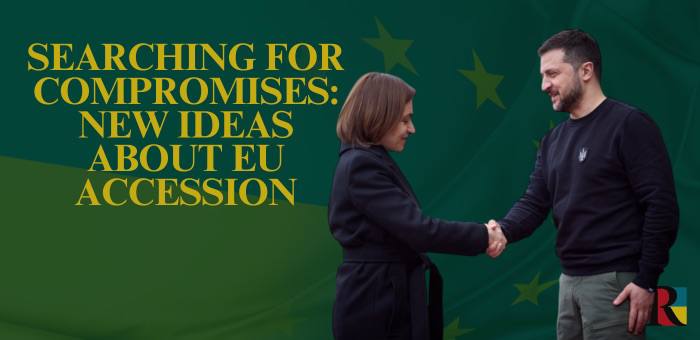


The European Union is considering allowing new countries to join the bloc without full voting rights, Politico reports. This mechanism is expected to serve as a compromise that could reduce skepticism among some EU member states. According to the proposal, new members would initially have limited voting rights, with full rights granted later—after the EU reforms its internal decision-making system to make it more difficult for individual countries to use their veto power. The project remains at an early stage of development.
Crisis of EU Rules
Since Russia’s full-scale invasion of Ukraine, the veto mechanism within the EU has become a major obstacle to ensuring European security. When an EU decision contradicts a member state’s national interests, that country has the right to block it. On one hand, this tool allows smaller or less economically powerful nations to protect their interests and prevents domination by stronger members.
However, the same system often delays critical decisions, such as sanctions packages against Russia, and now obstructs Ukraine’s European integration. Hungary continues to block the opening of Ukraine’s first negotiation cluster. Part of Prime Minister Viktor Orbán’s electoral narrative, portraying Ukraine as a threat to Hungarian citizens and the national economy.
Currently, the EU accession process requires unanimous approval from all member states at every major stage—opening negotiations, clusters, or chapters. This means a single country can veto and halt the entire process, which increasingly appears outdated and counterproductive in the modern geopolitical context.
The Path of Candidate Countries Toward the EU
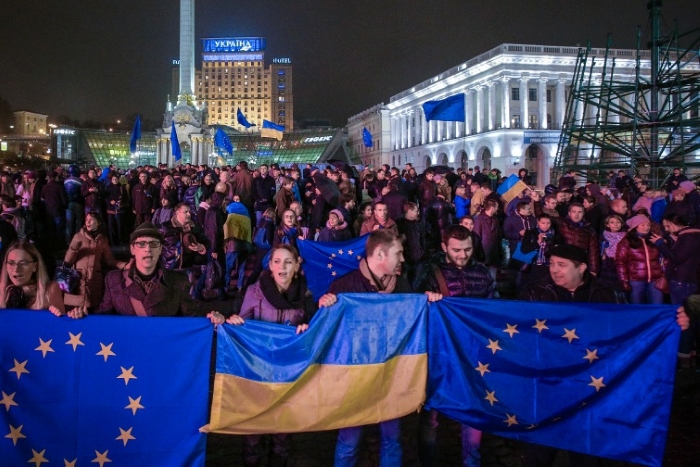
Several countries are currently candidates or potential candidates for EU membership: Albania, Montenegro, Serbia, North Macedonia, Moldova, Georgia, Ukraine, Bosnia and Herzegovina, and Turkey (and potentially Kosovo). Among them, Montenegro and Albania are the forerunners.
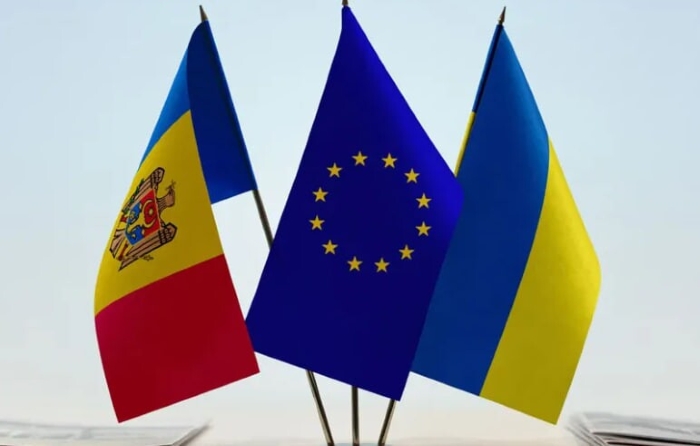
Meanwhile, Moldova and Ukraine are moving toward accession side by side. In December 2023, EU leaders agreed to open accession talks with Ukraine. However, further progress was blocked by Hungary, while Moldova has a chance to proceed faster under the current circumstances. For North Macedonia, none of the negotiation chapters have been opened yet as well. Serbia has been negotiating for over 11 years, with 21 chapters plus one additional already open. Historically, EU enlargements tend to occur in waves, when several countries join simultaneously—a model that might once again become relevant.
Conclusion
The proposed mechanism could ease concerns that Ukraine’s accession might disrupt the EU’s internal balance, while allowing gradual integration and continued domestic reforms. At the same time, this idea signals that the veto concept must be re-evaluated. The rise of Euroskeptic leaders across the continent challenges both European unity and security.
Any reform of EU rules will be a complex and delicate process, as the potential risks of misusing new tools must be carefully assessed.