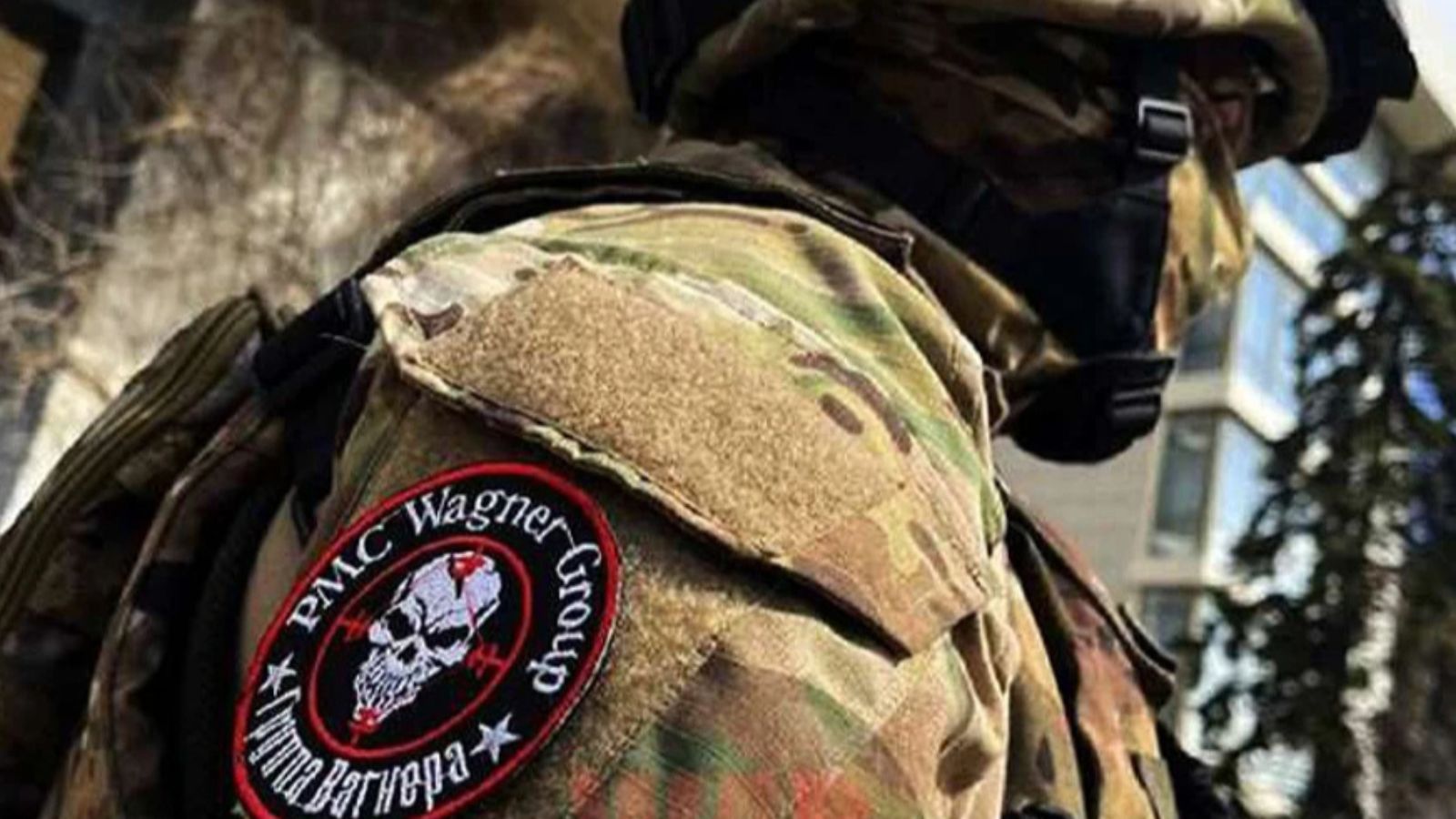


Russian intelligence services use the recruitment network of the former Wagner Group to organize sabotage across Europe. Following the death of Yevgeny Prigozhin, these structures integrated into the operations of Russia’s General Staff Main Directorate (GRU). These units now focus on recruiting Europeans to conduct attacks on NATO territory.
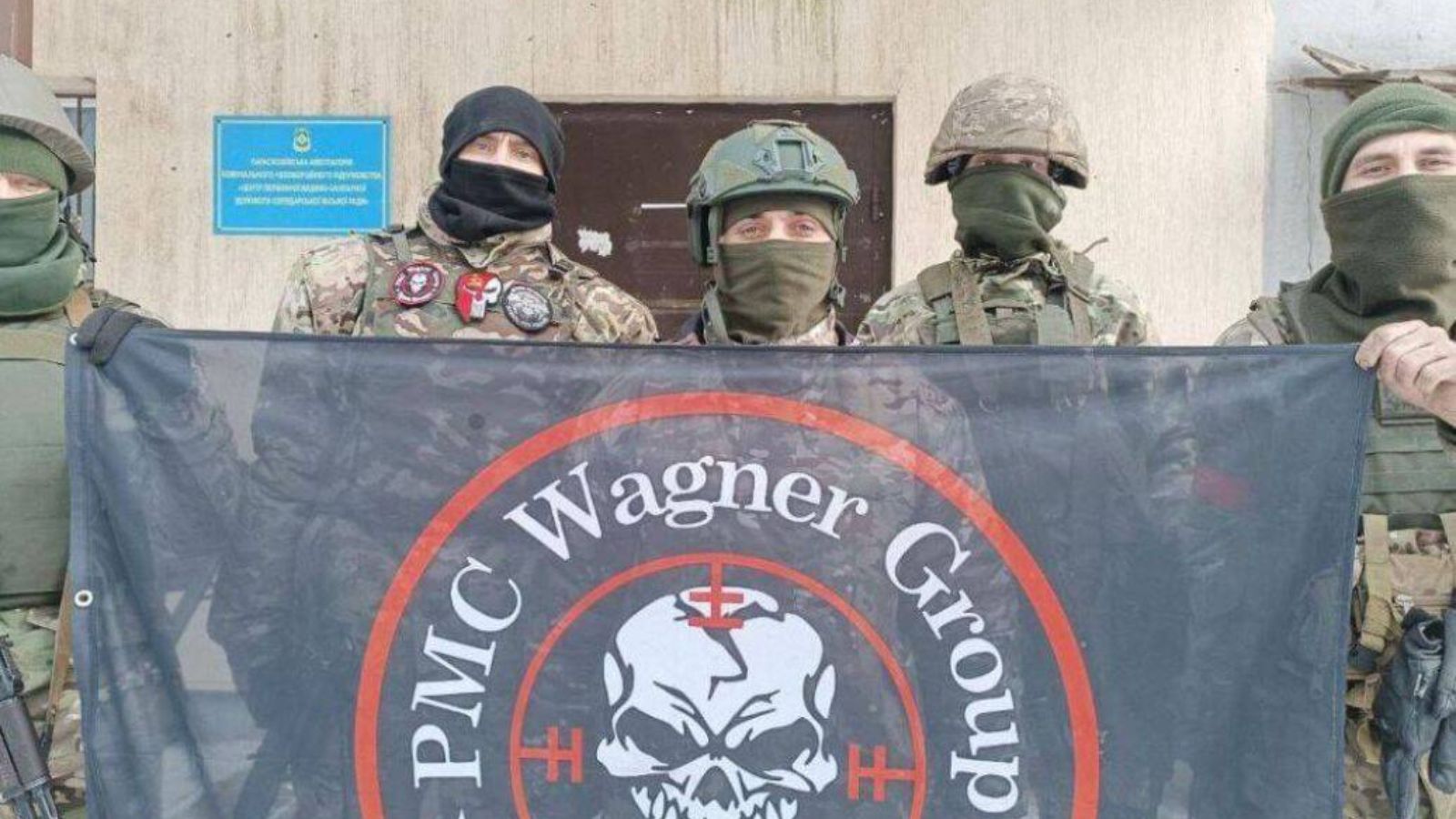
The Financial Times reported this development, citing Western intelligence officials. Previously, these units sought volunteers for the frontline, but their priorities have shifted significantly. Recruiters now target individuals to set fire to warehouses containing aid for Ukraine or cars belonging to politicians. Additionally, they organize large-scale disinformation campaigns.
Recruitment Methods and Targets
Recruiters primarily target economically vulnerable and marginalized residents of European countries. Operatives use Telegram channels and encrypted chats to offer money for criminal acts. Western officials describe these recruits as “disposable” agents because they lack professional training. Consequently, Russian handlers easily replace them if an operation fails or the agent is caught.
The use of the Wagner network allows the Kremlin to maintain plausible deniability regarding these attacks. This strategy creates multiple layers of separation between Russian intelligence officers and the actual perpetrators. Due to the loss of many traditional spies in Europe, the GRU relies on these cruder methods. Nevertheless, Wagner’s digital tools remain effective for mass recruitment via online platforms.
Consequences and Countermeasures
Experience from “troll farms” helps Russians create engaging content for radicalized youth. For instance, a 21-year-old British man, Dylan Earl, organized an arson attack on a London warehouse in March 2024. He acted under the direction of anonymous Wagner-linked handlers. A court later sentenced him to 23 years in prison for his involvement in this terrorist activity.
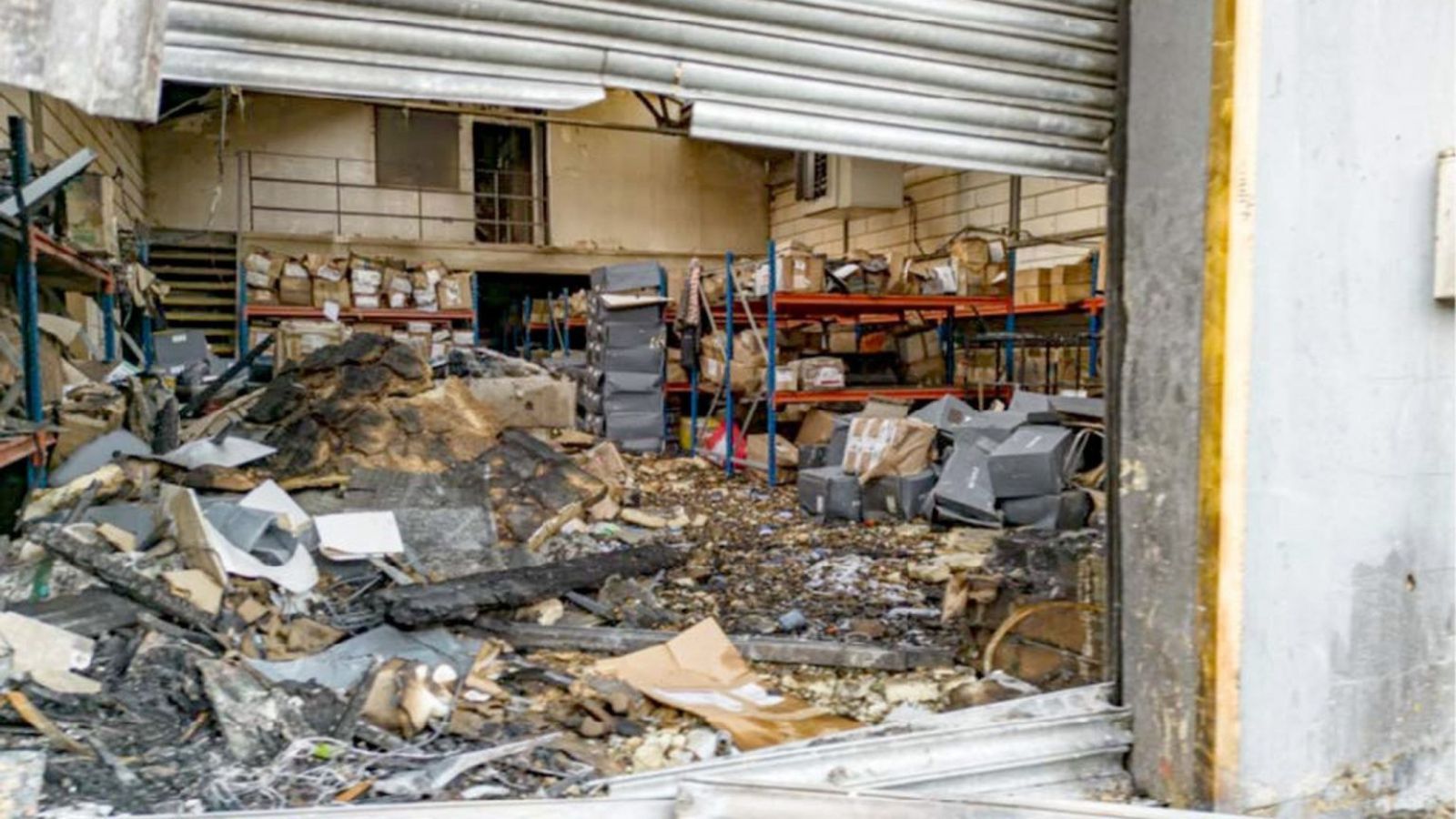
Currently, European security services successfully detect and prevent most sabotage attempts during the planning phase. The use of amateurs often leads to poor execution and mistakes that help investigators. The primary goal of these attacks remains weakening Western resolve during the full-scale war against Ukraine. Russia aims to provoke social instability within European nations through these proxy actions.
Earlier, The Ukrainian Review reported that UNESCO encourages scientists to apply for Russian-funded prizes.