

UNESCO encourages scientists to apply for the UNESCO–Russia Mendeleev International Prize in the Basic Sciences. The Russian government funds the award.
UNESCO Announcement
UNESCO wrote:
“UNESCO invites nominations for the 4th edition of the UNESCO–Russia Mendeleev International Prize in the Basic Sciences, recognizing exceptional contributions in chemistry, physics, mathematics and biology – disciplines at the heart of innovation and sustainable development.”
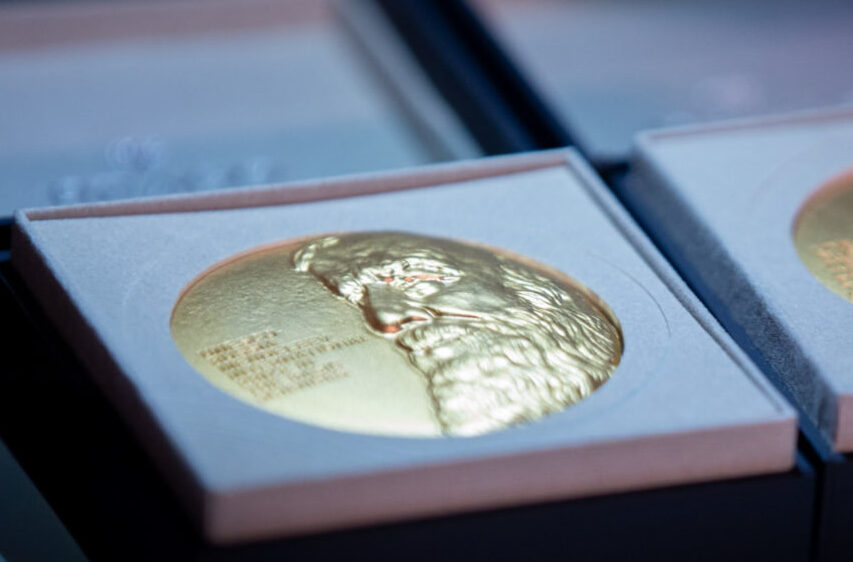
Russia launched the prize in 2019 and continues to finance it. Previous winners were Russian scientists. The prize offers $250,000 in prize money. Laureates also receive a gold medal and a diploma. UNESCO noted that it awards the prize to two laureates each year. It honors “outstanding achievements in the development, dissemination, and international cooperation of the basic sciences.”
Ukraine’s Reaction
The National Museum of the History of Ukraine urged UNESCO to cancel the Mendeleev Prize. Museum representatives said Russia has promoted its own greatness for centuries. They argued that the prize helps spread Russian narratives adding that Russia uses the slogan “science beyond politics” to whitewash its reputation. The Museum also warned that this approach pressures the world to forget Russia’s crimes against humanity.
“While Russian missiles and drones destroy research institutes and universities in Ukraine, Ukrainian scientists die under shelling, in Russian captivity, or while defending their country. At the same time, one of the world’s most influential organizations rewards scientists with money from Russia’s bloody government,” the museum wrote.
They pointed out that the prize’s official website claims it aims to build peaceful and prosperous societies. The museum called this statement cynical, as Russia has waged a full-scale war against Ukraine for almost four years.
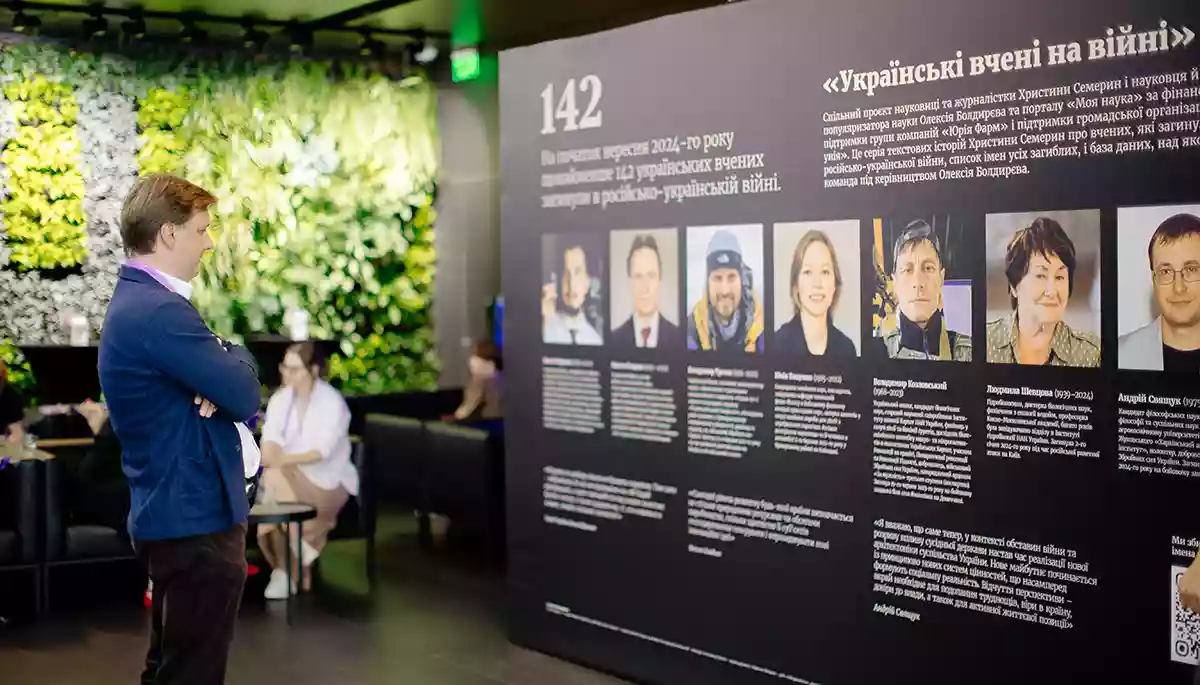
Ukrainian Scientists Killed by Russia
The museum also highlighted an initiative that honors fallen Ukrainian scientists. The project is called Ukrainian Scientists at War. As of November 2025, the list included 167 names. It features researchers from many fields, including professors and PhD students. Some scientists were civilians that Russia killed during attacks on Ukrainian cities. Others paused their careers to join the army and were killed in battle.
Scientist and journalist Khrystyna Semeryn created the project. She writes a “portrait of memory” for each person on the list.
“Behind every name stands an entire universe and immense pain. We must replace the fragility of the body with the strength of memory. My colleagues and I want the memory of each person to live. It is our responsibility to remember and to testify about everyone Russia has killed,” Semeryn wrote.
Earlier, The Ukrainian Review reported that the IOC disqualified Ukrainian skeleton athlete Vladyslav Heraskevych from the 2026 Olympics. Officials banned him after he wore a helmet with photos of Ukrainian athletes killed in Russia’s war.