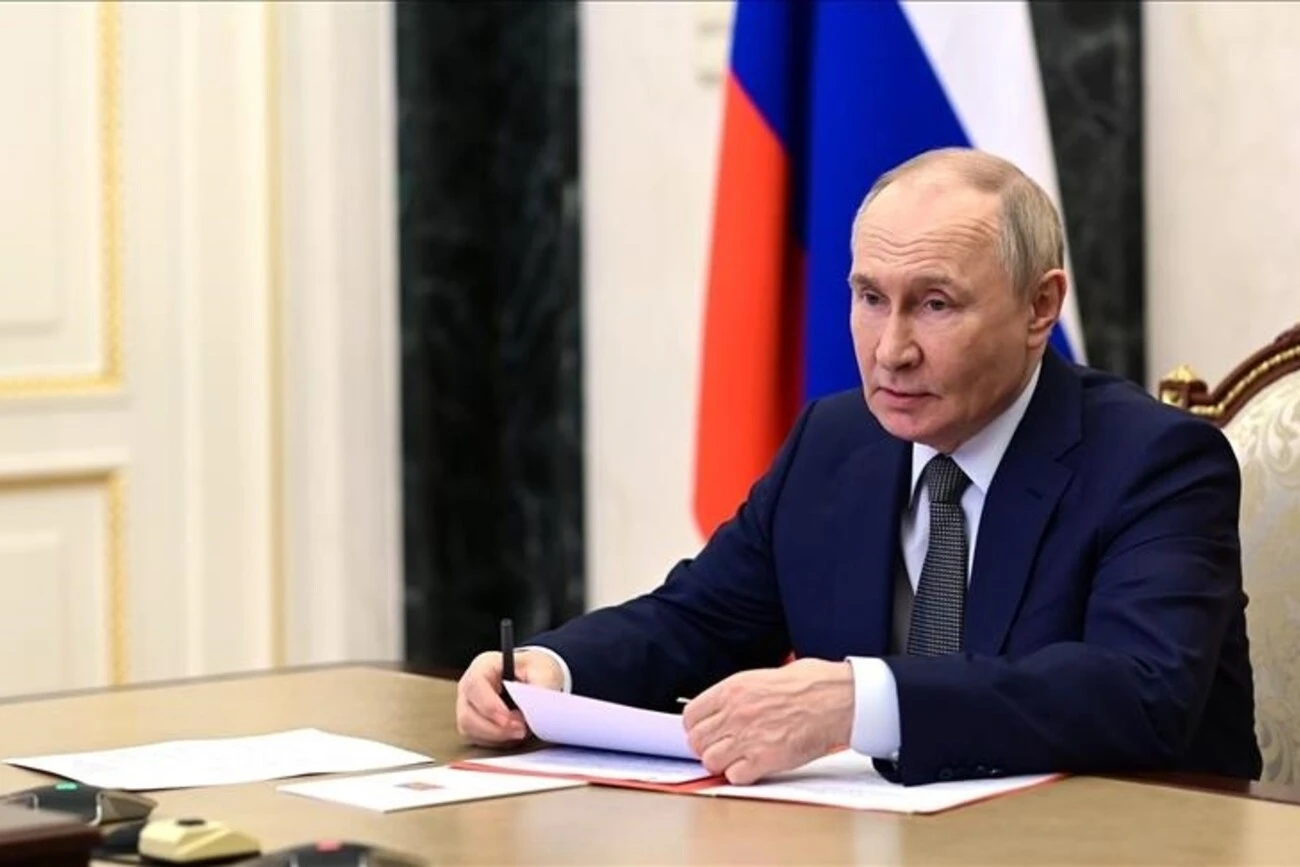


Vladimir Putin has signed a package of amendments to the federal law on the judicial system, which prohibit the enforcement of foreign criminal court decisions in Russia if those rulings were made without the participation of the Russian side.
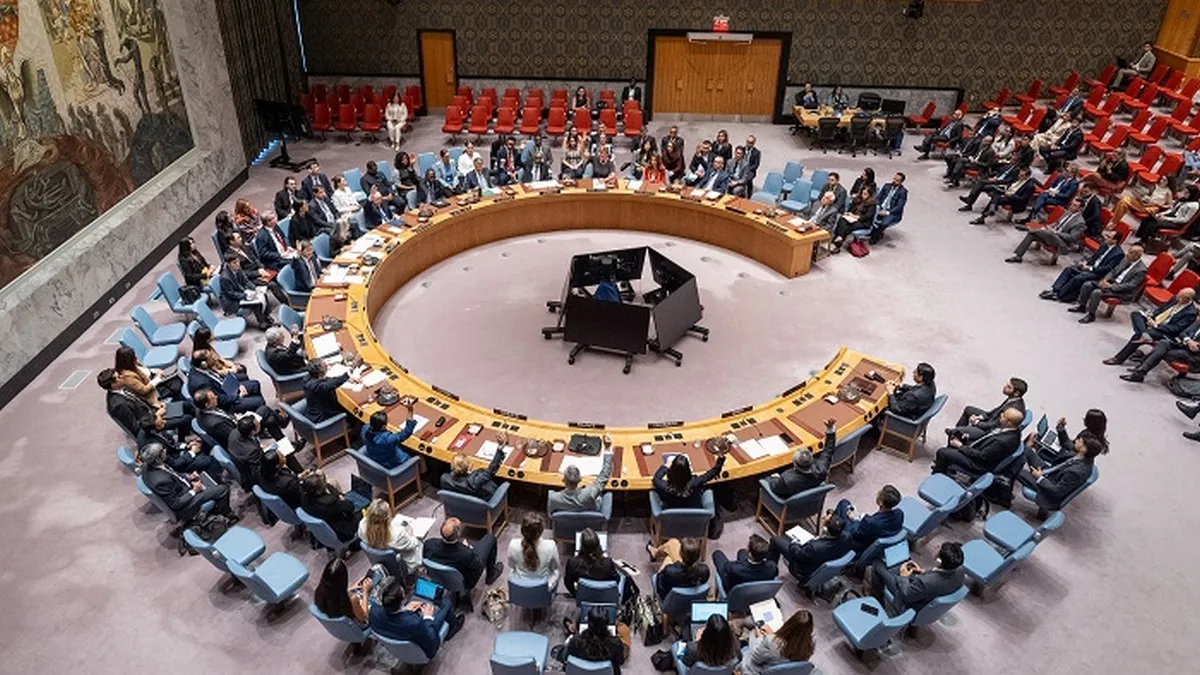
Furthermore, the law explicitly states that verdicts and rulings of international judicial bodies without a treaty or UNSC sanction will also not be enforced in Russia – this specifically applies to international tribunals or judicial initiatives created without Russia’s participation or consent.
What this means in practice
These changes significantly strengthen the Kremlin’s legal sovereignty in matters of international justice and effectively place Russia outside the jurisdiction of foreign criminal courts, even if those courts are internationally recognized or issue rulings against Russian citizens or officials.
The new prohibition also complicates the work of international legal initiatives. Representatives of several countries and international institutions had previously initiated the creation of tribunals and mechanisms to hold individuals accountable for international crimes, including in connection with the war in Ukraine – but now, these mechanisms will effectively have no legal force within Russia.
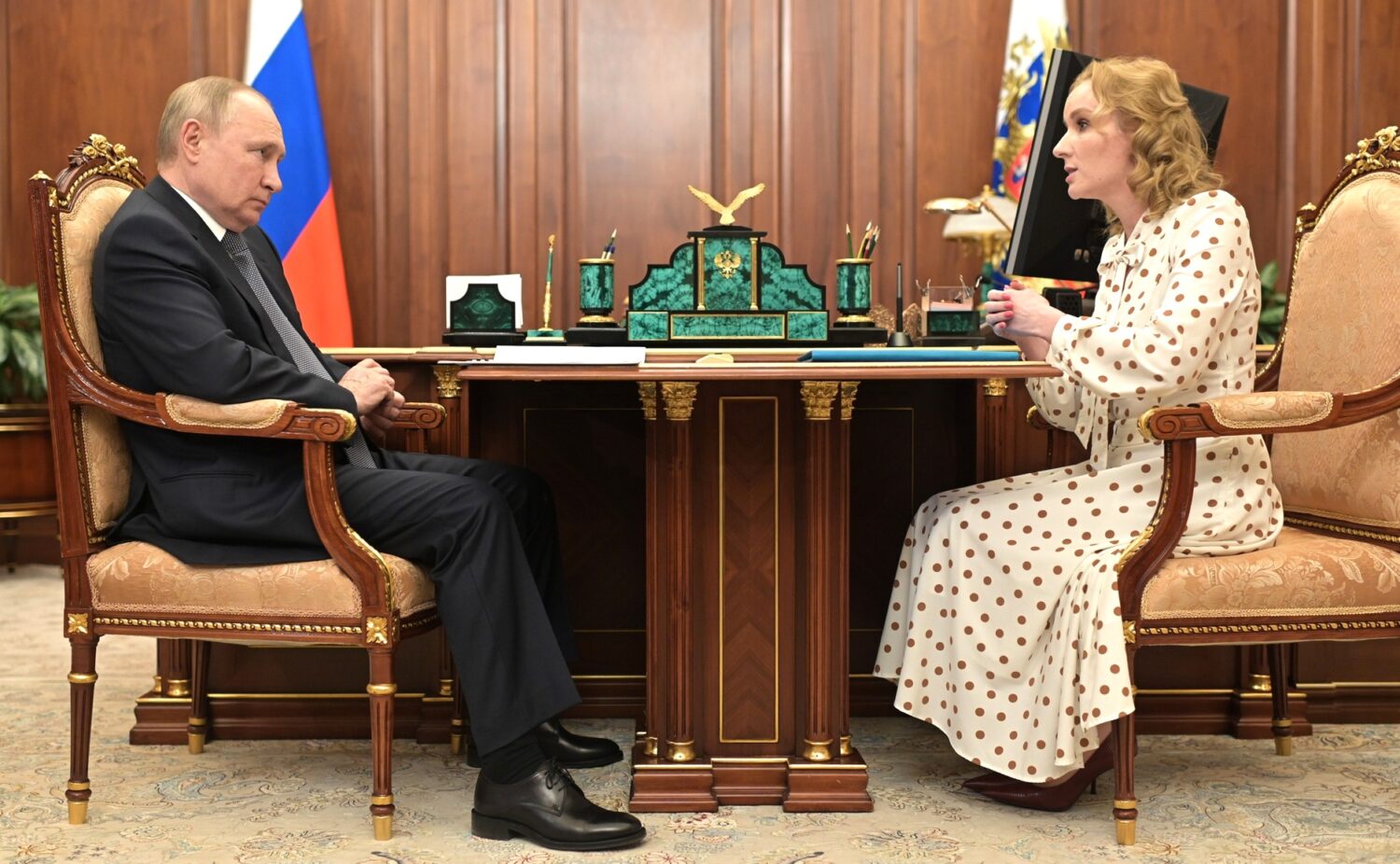
One of the main targets of the law is the International Criminal Court (ICC) in The Hague. Since Russia has withdrawn its signature from the Rome Statute, any arrest warrants – including those targeting Vladimir Putin and Maria Lvova-Belova in the case of deportation of Ukrainian children – are now officially declared illegal in Russia.
At the same time, although Russia does not recognize the ICC’s jurisdiction, Putin would still need to consider the risk of arrest if he travels to a country that is a signatory to the Rome Statute.
For the international community, the new law represents a legal barrier to holding individuals accountable whose cases have been adjudicated by foreign states or judicial bodies.