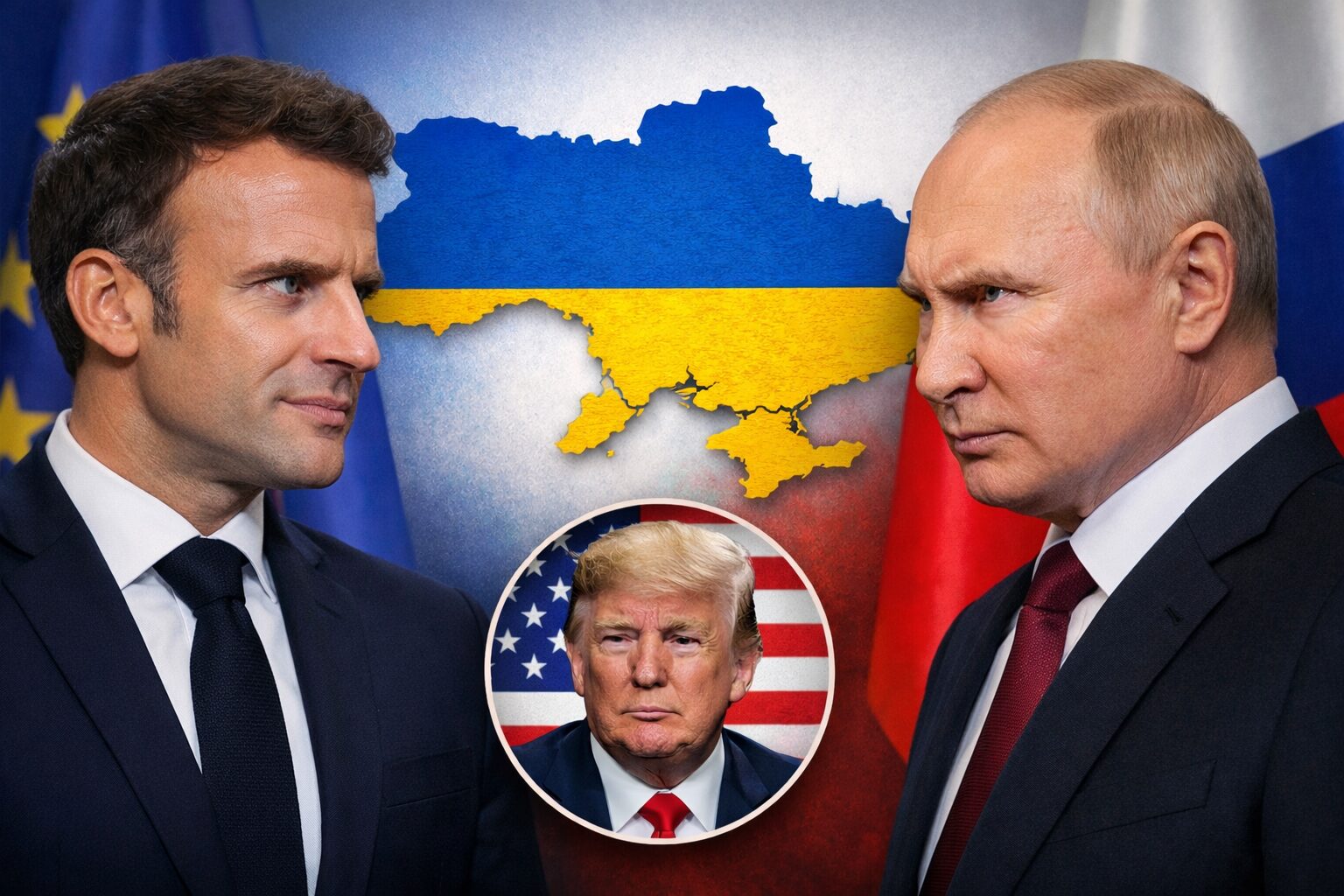


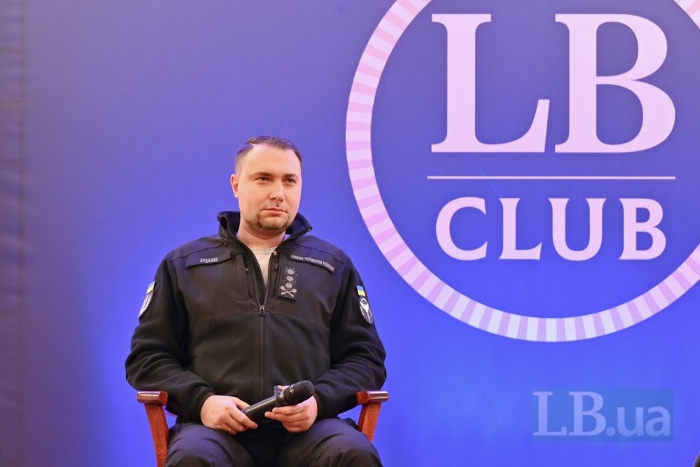
The head of the Main Intelligence Directorate of Ukraine’s Ministry of Defense, Kyrylo Budanov, stated that Russia plans to occupy the Baltic States has moved toward considering the potential timeline to 2027, shortening it by three years.
Budanov also disclosed that Russia has developed operational plans concerning Poland. At this stage, these plans do not include direct occupation. Instead, for now, Russia views Poland as a target for strikes.
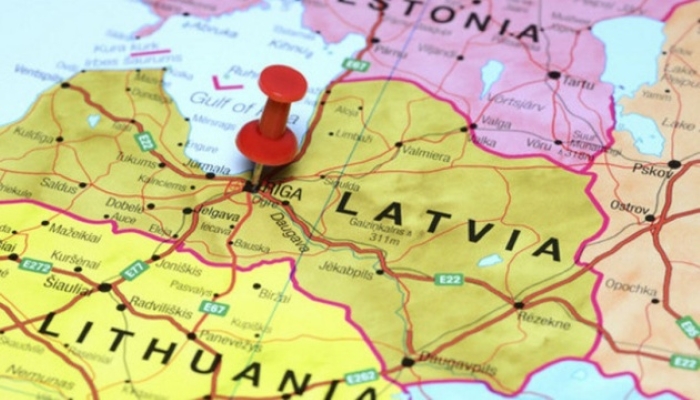
The Baltic States as a Primary Target
The ongoing peace-focused discussions ignore the nature of a terrorist state. Russia functions as a modern empire whose central goal remains territorial expansion. The Baltic States attract particular attention for several reasons. They are small, geographically exposed, and formerly part of the Soviet Union. However, they successfully dismantled Soviet ideology and integrated into Western political and security structures.
Most importantly, the Baltic States symbolize the Kremlin’s concept of the “hostile West.”
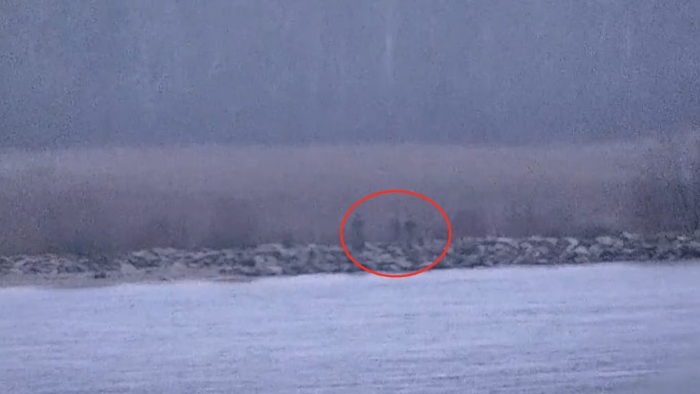
Russia has already demonstrated an escalation in provocative actions. On December 17, by 10:00 a.m., Estonia’s Eastern Prefecture recorded the movement of a hovercraft from the Russian side. The vessel stopped near a pier in Vasknarva. Three uniformed men disembarked, walked along the pier, and crossed the control line into Estonian territory before returning.
Russian border guards then reboarded the vessel and withdrew. Estonian patrols arrived after the incident had ended. This event marked the first symbolic instance of Russian personnel crossing the border on foot.
Poland in Plans
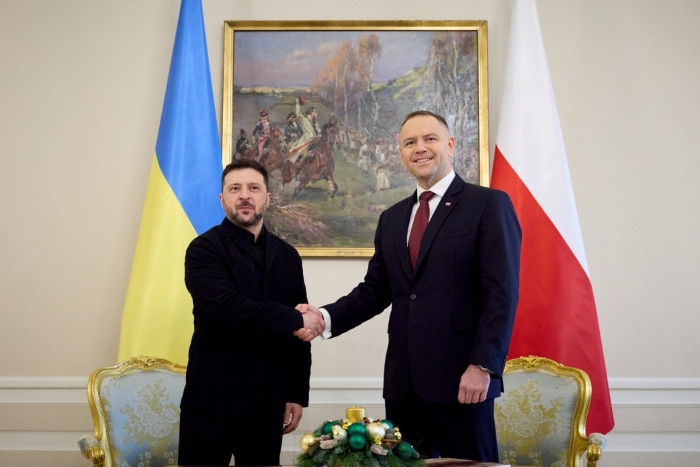
Poland so far understands the scale of the threat posed by Russia. Despite political tensions following Karol Nawrocki’s rise to power, President Volodymyr Zelenskyy’s visit to Warsaw sent a strong signal of unity.
On strategic issues and on security issues, Poland, Ukraine, and other democratic states stand together, Nawrocki stated.
By the end of the year, Poland had become a primary target of Russian hybrid operations, threatening the country with drones. However, Poland’s size, location, level of militarization, and economic capacity significantly reduce the feasibility of direct occupation in a year. For now, Moscow has postponed such dreams, yet planning to terrorize Poland. However, Polish position depends on the Ukrainian one.
Conclusion
As expected, attempts to appease an authoritarian regime have only intensified its expansionist appetite. Russia now plans future aggression on a shorter timeline than previously anticipated. Europe faces a decisive moment.
Either Russia weakens to the point where it cannot commit future war crimes, or it gains the resources and time needed to prepare multidimensional attacks.