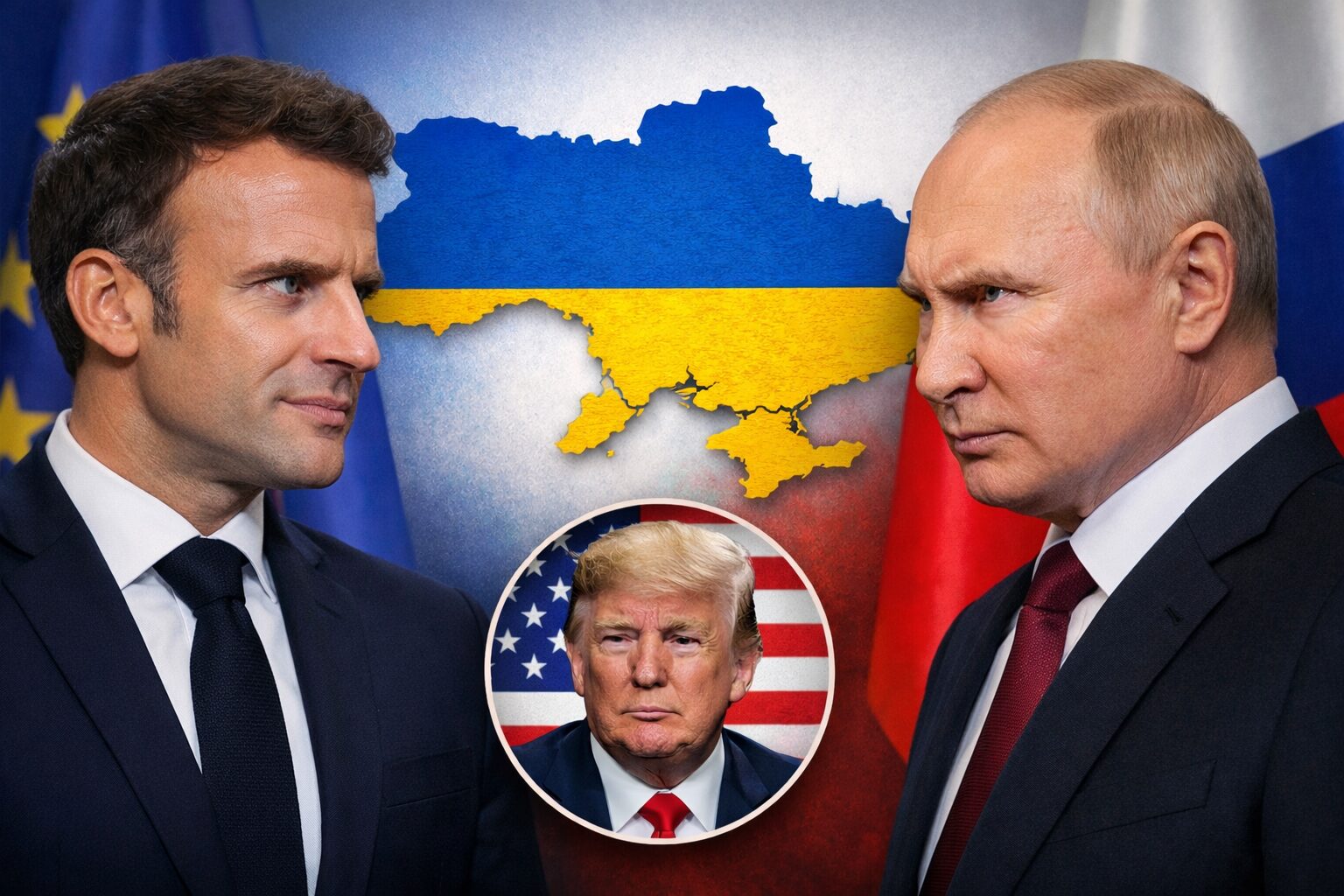


If US-led peace talks on Ukraine fail, Europe will have to engage directly with Russian President Vladimir Putin. French President Emmanuel Macron said this in Brussels, Bloomberg reports.
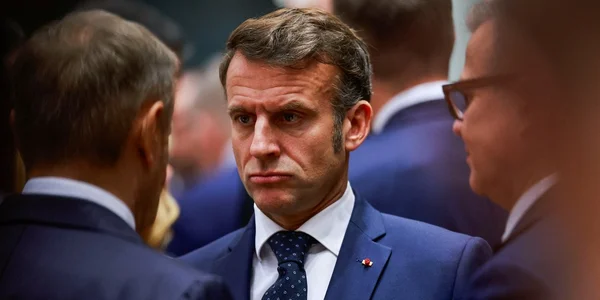
Two Paths for Europe
Macron emphasized that there are two possible scenarios: either a strong and lasting peace is achieved with the necessary security guarantees, or Europe will have to find its own way to engage in full dialogue with Moscow.
Either a strong and lasting peace with the necessary security guarantees is reached, or we will have to find ways for Europeans to re-engage in full dialogue with Russia, Macron said, adding that “such direct communication with Vladimir Putin could be useful.”
The French president stressed that the EU cannot deny itself direct contact with Russia if the US administration maintains such a line of communication. Macron also underlined that any dialogue must be transparent and include Ukraine.
Europe on the Sidelines of Negotiations
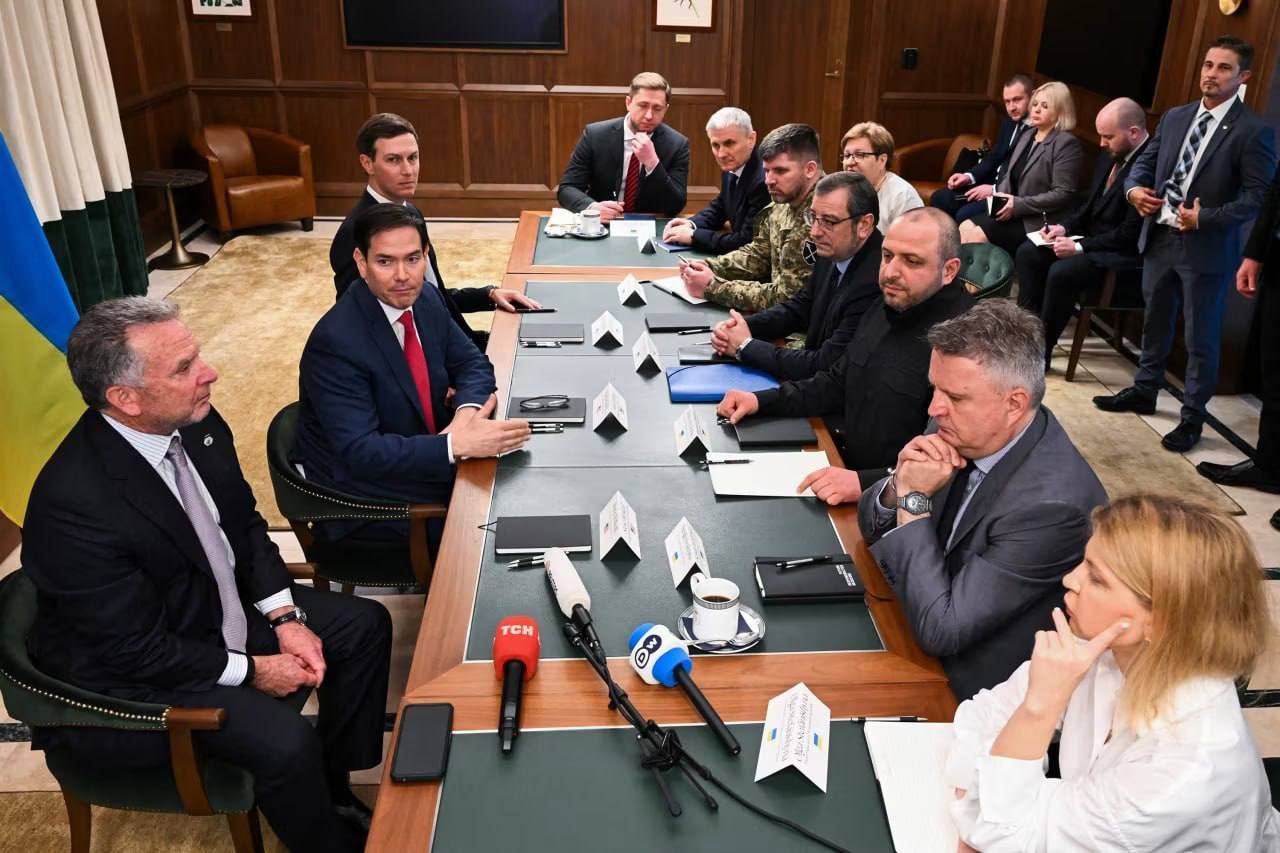
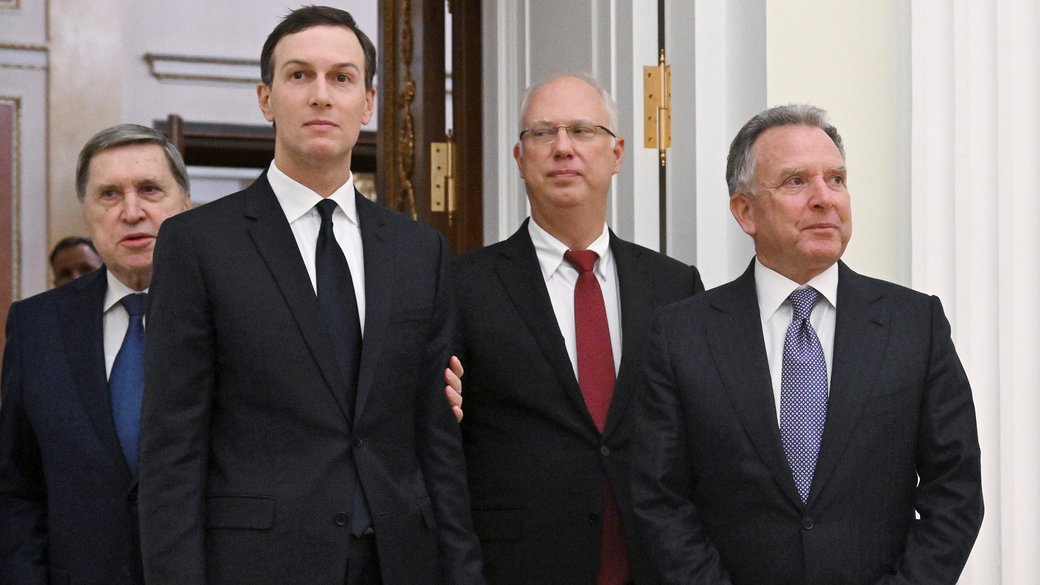
Most European countries have not had direct contact with Putin since Russia’s full-scale invasion of Ukraine. European nations have not yet joined the peace process directly, as the US coordinates it. Macron warned that without creating their own negotiation framework with Moscow, European leaders risk isolating themselves, discussing issues only among themselves and with intermediaries who deal directly with Russia.
War Fatigue and Risks for Ukraine
Some EU leaders warn that it is becoming increasingly difficult over time to maintain high levels of public and political support for efforts to assist Ukraine.
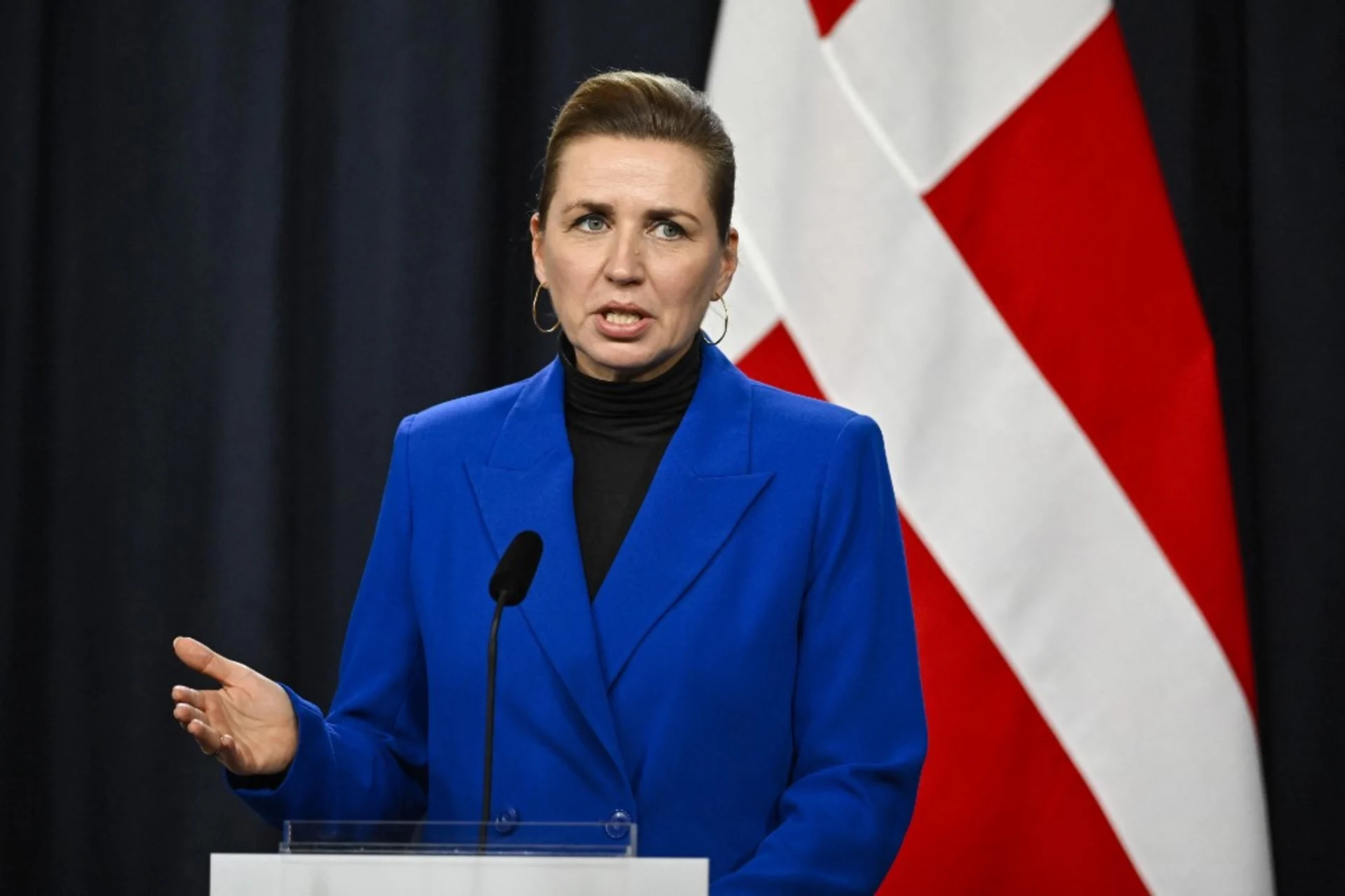
This is what Putin is hoping for: a combination of war fatigue and a hybrid war that brings much uncertainty and insecurity into our societies, said Danish Prime Minister Mette Frederiksen.
Growing political pressure on EU governments could encourage the search for compromise solutions with Russia. Therefore, it is important that Ukraine is directly involved in the negotiations, and the process should remain open. This will help preserve Ukraine’s position in future peace agreements. Involvement of Kyiv in any dialogue and transparency of the process remain key factors for ensuring fair and balanced outcomes.
Conclusions
Macron’s statement highlights the complexity of the diplomatic situation for Europe. If US efforts do not succeed, Europe will have to find its own ways to engage with Russia. This creates both challenges and opportunities: the chance to influence the course of negotiations and the risk of compromises that may not fully reflect Ukraine’s interests.
According to Bloomberg, France’s position reflects a balance between the desire for peace and the need to support Ukraine in its war against Russian aggression. Transparent dialogue, Ukraine’s inclusion, and the preparation of a European diplomatic framework remain key elements of the upcoming negotiation process.