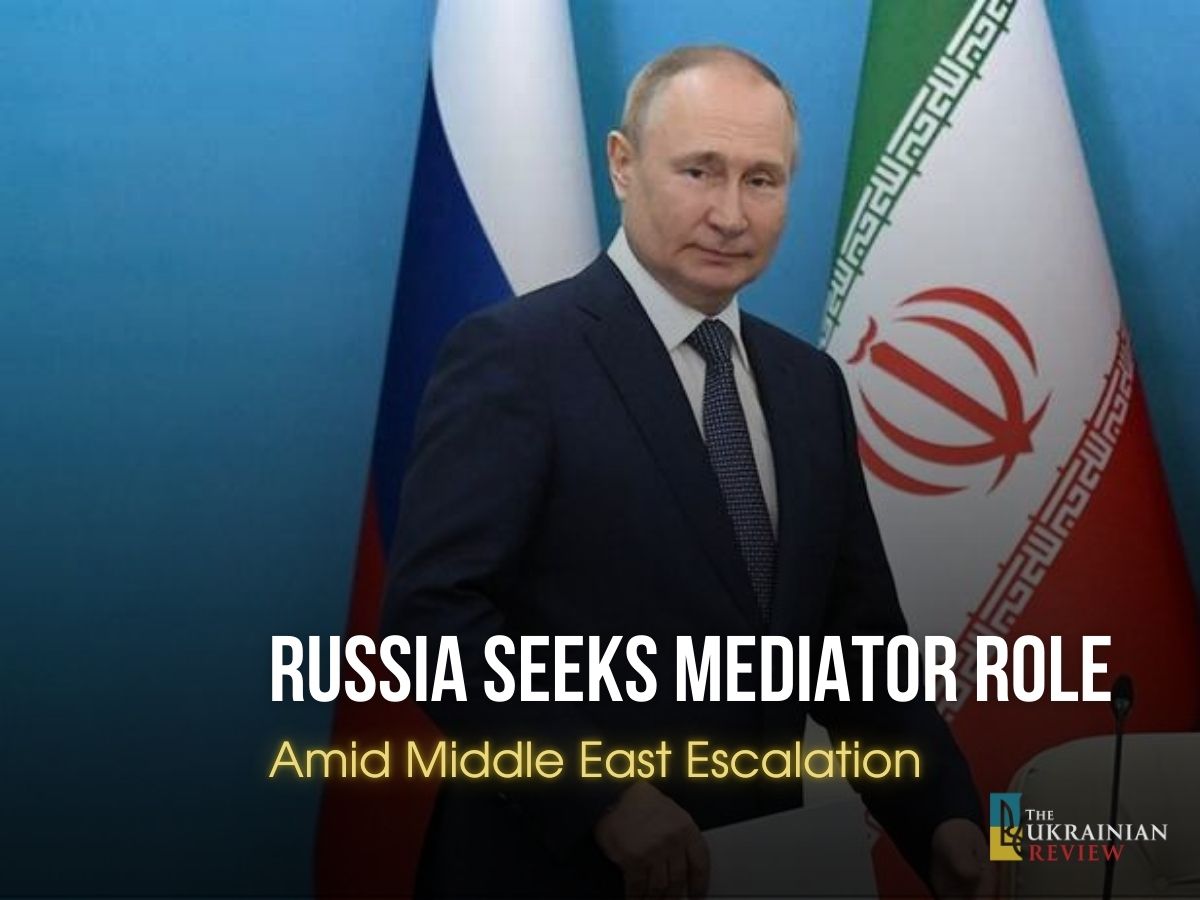


According to sources familiar with ongoing diplomatic contacts, Russia has recently intensified informal discussions with several key actors amid the continuing Middle Eastern crisis, seeking to assume a central mediator role and facilitate a ceasefire in the coming days.
Moscow is believed to be maintaining parallel communication channels with representatives of the United States, Israel, Iran, and a number of regional states. According to diplomatic observers, the objective may be to develop a framework de-escalation agreement that could potentially be backed by guarantees at the highest political level.
Kremlin Steps Up Regional Diplomacy
Recent media reports indicate that Russian President Vladimir Putin has been actively engaging with regional leaders, expressing Moscow’s readiness to contribute to stabilizing the situation and emphasizing the need for urgent diplomatic solutions amid ongoing U.S. and Israeli actions.
Interfax reported that on Monday, March 2, Putin discussed the situation surrounding Iranian aggression with UAE President Mohammed bin Zayed Al Nahyan, Emir of Qatar Tamim bin Hamad Al Thani, King of Bahrain Hamad bin Isa Al Khalifa, and Saudi Crown Prince Mohammed bin Salman Al Saud. According to the Russian news agency, the main focus of those conversations was the growing regional tension and the risks of further escalation.
Russia’s Foreign Ministry has also publicly condemned recent strikes on Iran, describing them as a dangerous escalation threatening regional stability. At the same time, the Kremlin has stated its willingness to use Russia’s diplomatic channels with Tehran, Gulf states, and other regional actors to help reduce tensions and explore negotiated solutions.
These developments fit into a broader strategic effort by Moscow to strengthen its status as a mediator, drawing on its existing ties across the Middle East and its ability to maintain dialogue with opposing sides simultaneously.
Observers note that Russia’s diplomatic engagement unfolds against the backdrop of complex relations with Western countries. Some analysts suggest that Washington may view any Russian mediation initiative through a broader geopolitical lens, particularly in light of the ongoing war in Ukraine.
In my view, Russia’s increased diplomatic activity in the Middle East appears to serve multiple strategic purposes. Beyond immediate de-escalation efforts, Moscow may also be seeking to reposition itself internationally as a constructive global actor and, in doing so, reduce external pressure related to Ukraine while strengthening its broader negotiating position on the world stage.