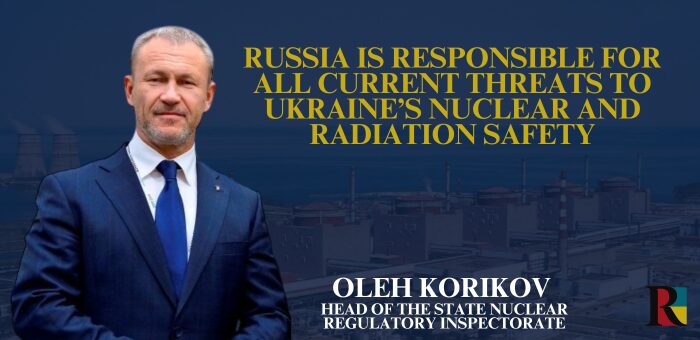


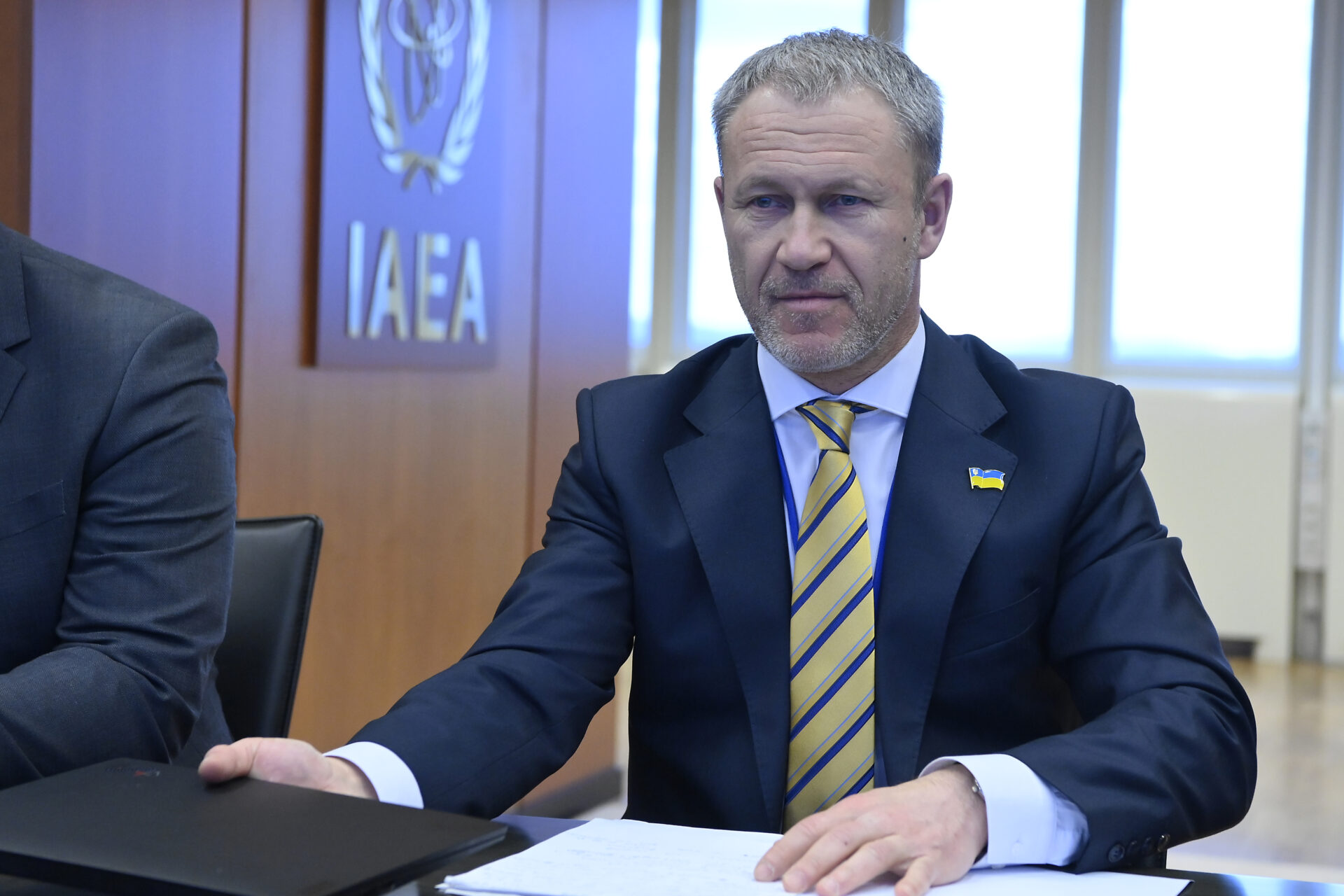
The situation at the Zaporizhzhia Nuclear Power Plant has been in a critical state for three years due to the occupation. Despite the presence of the IAEA at the facility, the Ukrainian side still cannot get access to all the necessary information. Even the IAEA representatives themselves are subjected to blackmail and intimidation, as Oleh Korikov, Head of the State Nuclear Regulatory Inspectorate (SNRIU), told us. He emphasized that all current threats to Ukraine’s nuclear and radiation safety are the result of Russian aggression.
Tetiana Stelmakh: What is the current situation with safety measures at ZNPP? Is there a threat of a major accident or radioactive waste leak into the environment at the plant?
Oleh Korikov: The Zaporizhzhia NPP has been under occupation for more than three years. This is a very long period of time during which the plant has been in the hands of ignorant people who do not even understand what nuclear and radiation safety is or what responsibility means. Over the past three years, there has been degradation at all levels: from the management system, which is not based on the principle of responsibility by the operator of nuclear facilities but relies on instructions from Moscow to the degradation of systems and equipment, which may reach the point of no return.
The plant does not carry out proper maintenance and repair, which are key factors in maintaining an adequate level of safety. In addition, there is no one capable of performing these operations, as they require highly qualified, trained, experienced and licensed personnel, who are currently available only at JSC NNEGC “Energoatom”. And now ZNPP is in the hands of people brought in by the occupation administration from everywhere, whose level of competence is highly questionable.
There are no legitimate, qualified staff at ZNPP. This factor has had a negative impact on the maintenance of equipment that is essential for ensuring the safety of the plant.
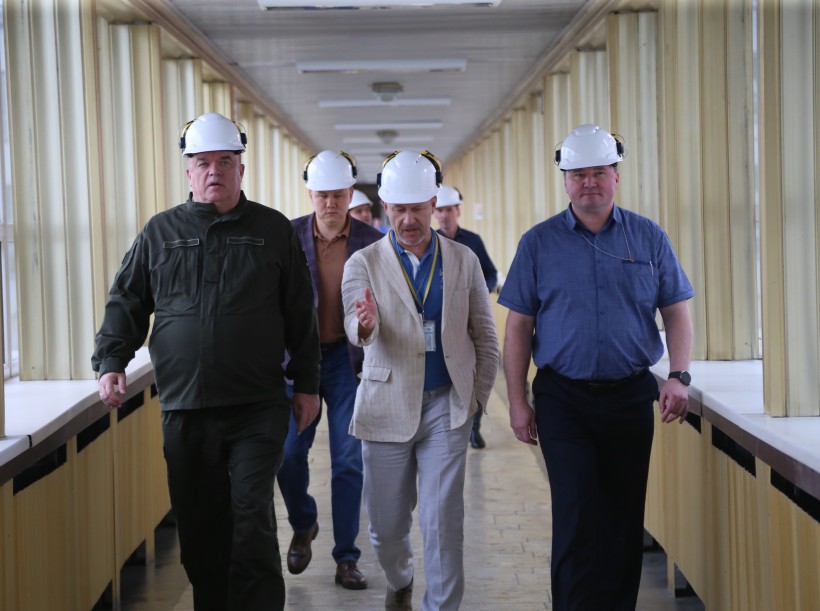
The Zaporizhzhia NPP has been turned into a militaristic base by the occupiers: with Russian troops, military equipment, weapons, explosives, etc.
There is no proper external power supply to ZNPP. The occupiers have blocked data transmission through the automated radiation monitoring system. The information and emergency centre is not functioning, and the emergency preparedness and response system has been destroyed.
In fact, the occupiers have desecrated the very concept of nuclear and radiation safety when it comes to the Zaporizhzhia NPP. The only way to restore nuclear and radiation safety at ZNPP is to demilitarise and de-occupy it, and return control over ZNPP to the legitimate operating organisation, JSC NNEGC “Energoatom”, and the legitimate nuclear regulator, the State Nuclear Regulatory Inspectorate of Ukraine.
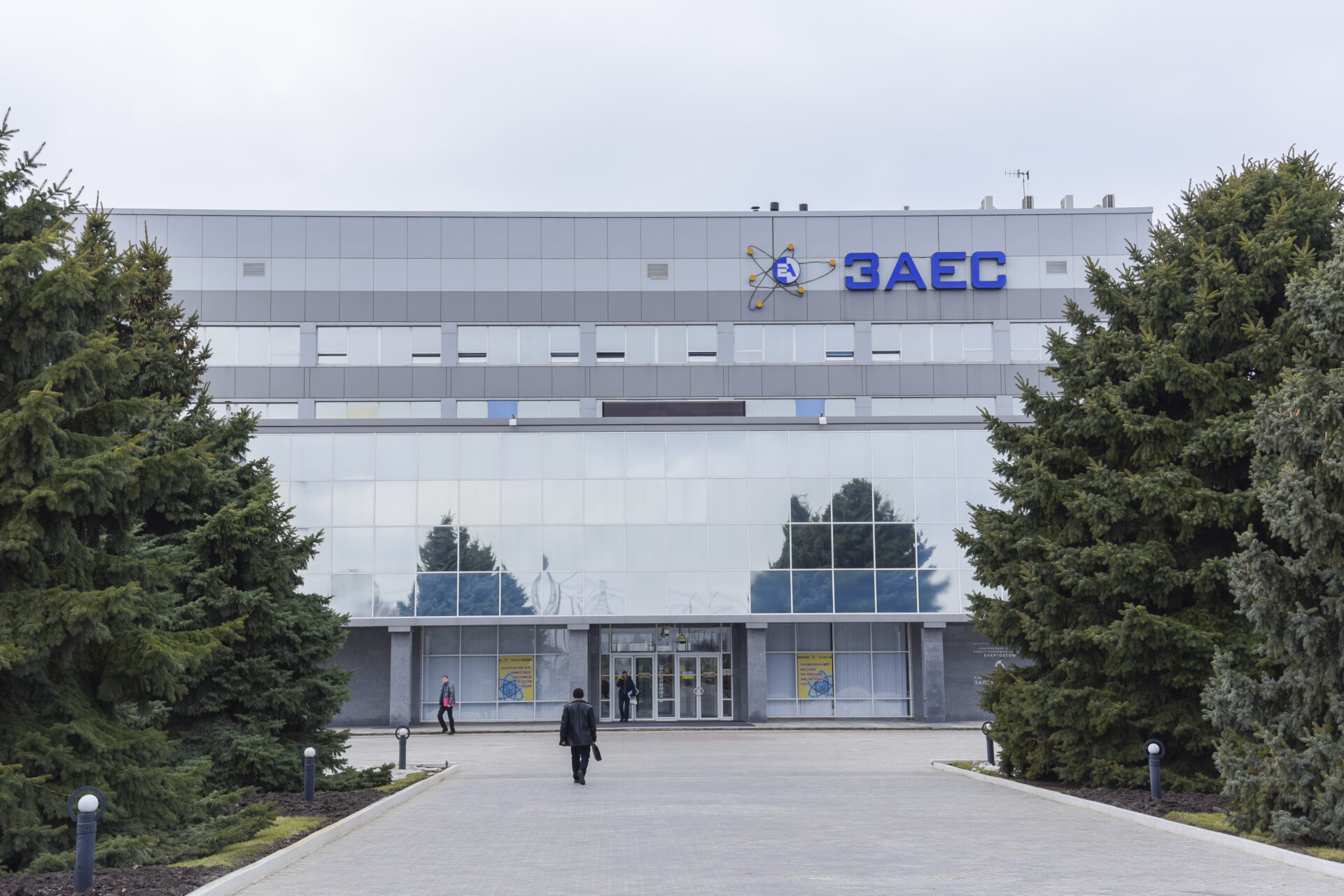
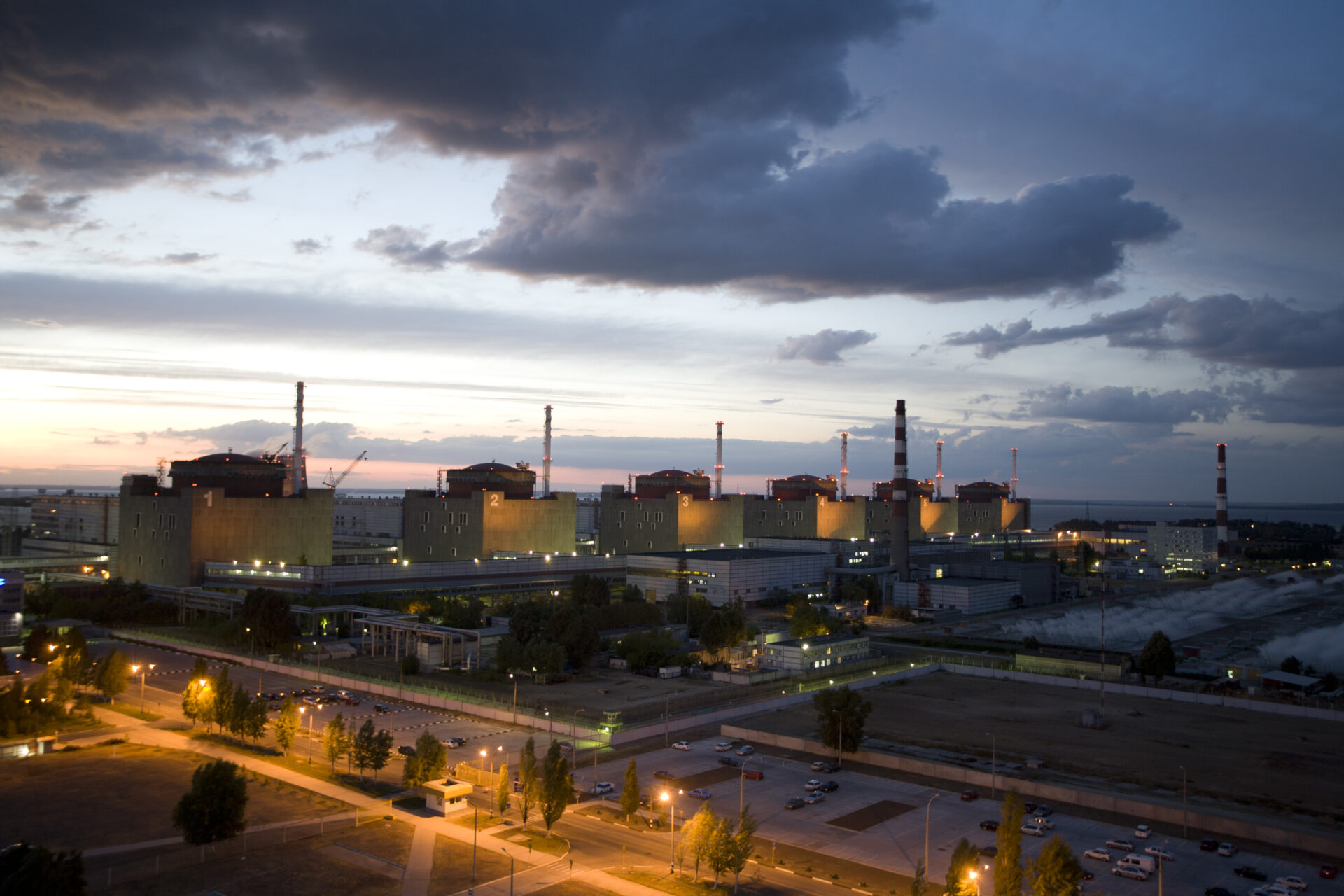
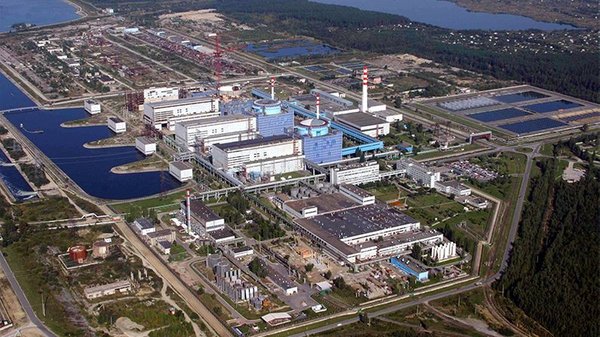
The Zaporizhzhia NPP consists of six power units, a spent fuel storage facility, and fresh fuel storage areas. The plant contains weapons, military equipment, explosives, and mines. As long as the war and occupation continue, the threat of an accident with radiation consequences will remain.
T.S.: If ZNPP returns under full control of Ukraine, what are the first 3 decisions/actions SNRIU will take regarding the plant?
O.K.: After ZNPP returns under the control of Ukraine, as the state nuclear regulatory authority, we must first and foremost return our inspectors to the plant. At the beginning of the ZNPP occupation, we were forced to evacuate the personnel of our Nuclear Safety Inspectorate at ZNPP to the city of Yuzhnoukrainsk. Had our experts remained at ZNPP, they and their families would have faced nothing but pressure, torture, beatings and death.
Restoring state regulation and resuming the work of the Nuclear Safety Inspectorate at ZNPP is the first step.
Next, it will be necessary to check the technical condition of key systems and equipment, which, as I said, have degraded under the conditions of prolonged occupation. It is essential to verify what repairs or replacements of components and parts have been carried out and whether they meet established requirements. This is a very important and painstaking process that may take a considerable amount of time.
And, if we are talking about three steps, the third is to verify the licensing requirements and personnel: their number, the quality of their training, their level of professionalism and knowledge, and their readiness to perform their functions. I am referring to the Ukrainian personnel who, after de-occupation, will be responsible for ensuring the safe operation of the Zaporizhzhia NPP.
T.S.: Back in 2023, the SNRIU reported that ZNPP could no longer take water from the Kakhovka Reservoir, which could become a problem in the future. Almost two years have passed, what is the current situation with water consumption at the plant? Have alternative sources been found or has the situation been resolved in another way?
O.K.: I would like to remind you that the SNRIU amended the operating licences for ZNPP units to limit their operation to the “cold shutdown” state. This means that the reactor units are not at power levels, do not generate electricity, and no nuclear reaction occurs in the reactors. Under such conditions, the plant does not require a significant amount of water. The current needs of the plant are met by the existing reserves in the cooling pond, as well as by water extracted from wells on the industrial site.
However, if ZNPP is to be restarted and electricity production is to be resumed, a reliable water supply source – previously the Kakhovka Reservoir for 40 years – is essential. Keeping power units at power levels requires a huge amount of water: one to one and a half cubic metres of water per second per unit. And ZNPP has six power units. No wells can provide such volumes.
T.S.: The SNRIU and other government structures have also repeatedly emphasised the torture of ZNPP personnel by Russians. Is this problem still relevant? What is the scale of the problem?
O.K.: This problem will remain relevant as long as the Zaporizhzhia NPP and its satellite city of Enerhodar are under occupation. It is currently difficult for us to receive information. Since February last year, the occupiers have not allowed Ukrainian personnel to enter the plant because they refused to sign contracts with the fake operating organisation.
As for the city of Enerhodar, I believe the occupiers are pursuing the same policy of genocide there as in other occupied Ukrainian territories, persecuting those who have remained loyal to the Ukrainian state.
The numerous cases of torture, persecution, and murder of Ukrainian nuclear workers that took place, especially in the first year of the occupation, were documented by the relevant Ukrainian law enforcement agencies, and I am convinced that those responsible for these crimes will certainly be brought to justice.
T.S.: Recently, the IAEA’s scandalous rotation through the occupied territories took place. German Galushchenko said that the Russian Federation actually forced the Agency to violate Ukrainian legislation by keeping the delegation at the plant for more than 80 days. Could you tell us more about what happened to your colleagues and whether you tried to help them?
O.K.: For the sake of clarity, I would like to note that the SNRIU has no authority to conduct any negotiations with the occupation administration at ZNPP, the fake operating organisation in Moscow, Rosatom, or anyone else involved in the occupation of the Ukrainian nuclear power plant.
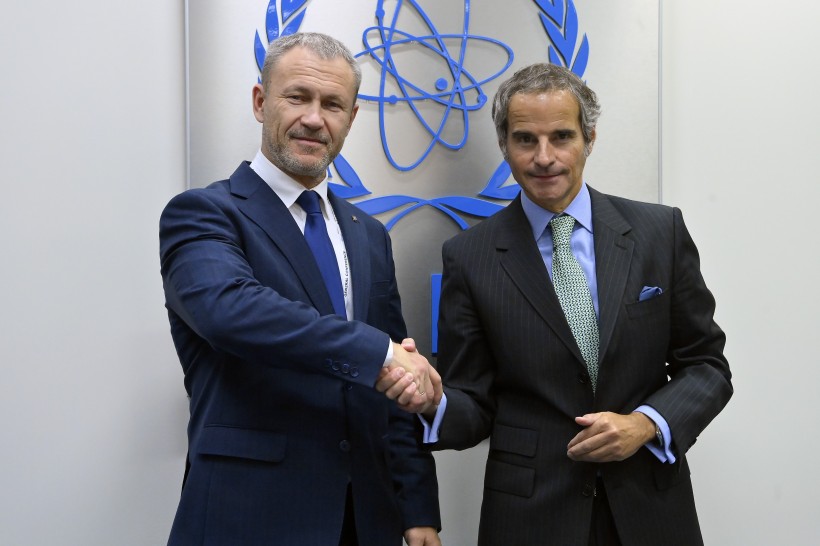
Ukraine has repeatedly offered a safe and legal route for IAEA experts to rotate through government-controlled territory, as has always been the case since September 2022, when the IAEA permanent monitoring mission to ZNPP was launched. And there were no obstacles. However, the occupiers refused to provide security guarantees during this extreme rotation.
The Russian Federation actually blocked the IAEA experts at ZNPP for 80 days, keeping them under unprecedented psychological pressure. Undoubtedly, this must be regarded as blackmail. By creating artificial obstacles to the IAEA’s activities, Russia forced the IAEA to violate Ukrainian legislation and bilateral agreements with Ukraine. It should also be understood that the IAEA experts were being held under conditions that threatened their lives and health, and they needed to be replaced.
Let me remind you that on 10 December last year, the Russian occupiers attacked an escort vehicle that was part of the convoy providing the next rotation of IAEA experts at the occupied ZNPP with a drone. Fortunately, there were no casualties or injuries.
I would consider both that incident and the blocking of the IAEA experts’ rotation for 80 days as part of the same logical sequence: systematic and consistent blackmail and intimidation of the Agency’s experts, who are carrying out an important mission at Ukrainian NPPs. It is also a clear manifestation of Russia’s contempt for the international institution of which the aggressor country is still a member.
T.S.: Can the above-mentioned incident between the IAEA and the Russian Federation be considered a violation of their rights, in particular, the right to freedom? Should we expect decisive action from the Agency after such actions of the occupier?
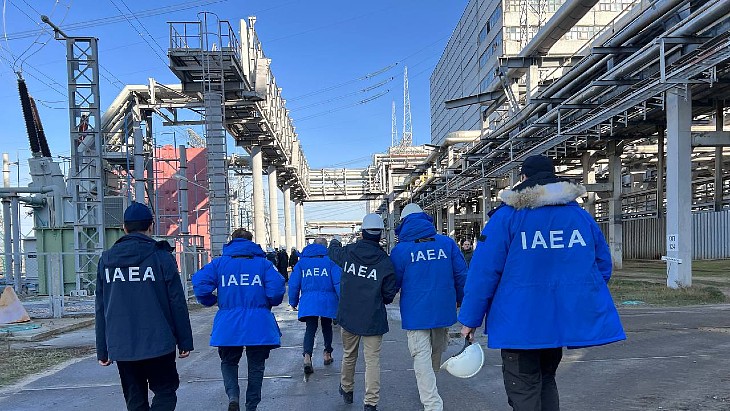
O.K.: In fact, this is a violation of rights and freedoms. It is a clear demonstration of complete disregard for an institution that is part of the United Nations structure. Since the beginning of the ZNPP occupation, the IAEA General Conference and the IAEA Board of Governors have adopted a number of resolutions calling on the aggressor country to de-occupy the plant and withdraw military and other illegitimate personnel from there. However, none of them has been implemented, and the Russian Federation cynically and shamefully ignores all the calls of the international community.
The IAEA is a collegial body where all decisions are made by consensus, while the Russian Federation is a member state and holds significant influence within the Agency.
In a situation where the aggressor country blatantly ignores international law and all internationally recognised rules and principles of nuclear and radiation safety, while shelling and occupying peaceful nuclear facilities of a neighbouring state, it has become clear that the IAEA lacks real instruments of influence or enforcement mechanisms to bring such an aggressor country back into the legal field. In my opinion, the IAEA needs to be strengthened, reformed and expanded in terms of its capabilities and mechanisms of influence.
As for decisive actions, they should have been taken when occupying Russian troops invaded the Chornobyl Exclusion Zone and seized the Chornobyl Nuclear Power Plant, taking the plant’s personnel hostage, along with the Ukrainian National Guard servicemen who were protecting the facility. Determination was needed when Russian troops shelled and occupied the Zaporizhzhia NPP, when the nuclear subcritical facility in Kharkiv, the Neutron Source, was repeatedly de-powered as a result of Russian shelling and when Russia deliberately attempted to destroy Ukraine’s energy infrastructure, thereby posing a serious threat to nuclear and radiation safety at peaceful nuclear facilities in Ukraine.
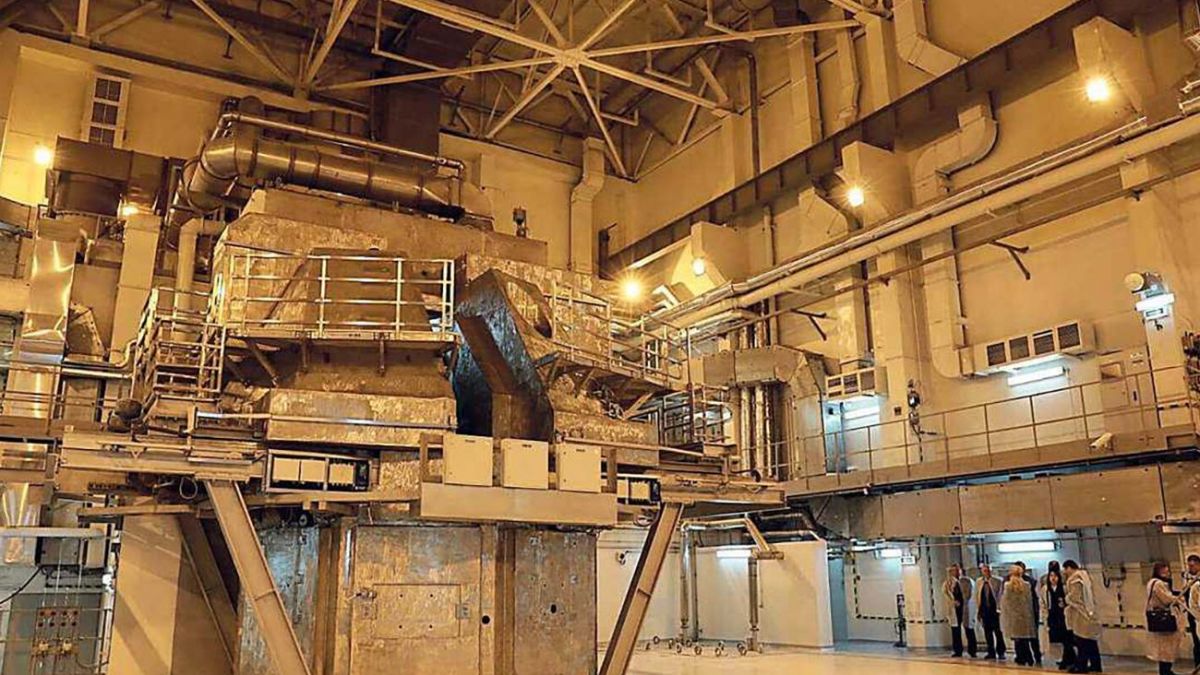
None of these crimes resulted in any real punishment for the Russian Federation. And impunity, as we know, breeds permissiveness.
T.S.: What effective solutions/actions has the IAEA implemented to demilitarise ZNPP? In your professional opinion, is the Agency doing enough to ensure the safety of the plant? What decisions/actions should be taken but have not yet been implemented?
O.K.: The establishment and ongoing operation of a permanent monitoring mission at the Russian-occupied. Zaporizhzhia NPP, initiated at Ukraine’s invitation, is a significant achievement. Today, the IAEA experts at ZNPP are practically the only source of information on the situation at the ZNPP industrial site, the radiation situation, etc.
As of 4 March 2022, all nuclear material that was located at ZNPP remains at the site, according to IAEA monitoring conducted under the Safeguards Agreement between Ukraine and the IAEA.
However, the occupiers significantly restrict the work of IAEA experts. For example, they decide at their own discretion whether to grant the requested access or not. Sometimes, the Agency’s experts have to wait months to gain access to certain important premises or to systems and equipment. This is absolutely unacceptable.
The occupiers do not allow the Agency’s experts to communicate directly with the staff. Obviously, this is to prevent the IAEA from gaining a clear picture of the occupation personnel’s professionalism – individuals brought in from everywhere, with no relevant training, qualifications, or experience.
Information on the condition of equipment and systems from the occupation administration is fragmentary, which makes it impossible to have an objective view of the safety situation at ZNPP.
What actions do we expect from the IAEA and what should be done now? First of all, through the efforts of the IAEA and other international organisations, it is necessary to force the occupiers to resume the transmission of safety data through the automated radiation monitoring system from the ZNPP industrial site.
IAEA experts should be granted immediate access to all premises, equipment, and safety and security systems. It is necessary to strengthen international control over nuclear material at the plant: the spent fuel storage facility and fresh fuel storage areas.
I will not disclose all the details, but we have developed and presented a clear step-by-step plan to the IAEA, whose ultimate goal is to de-occupy and demilitarise ZNPP, restore state control, and return the plant to its rightful owner, JSC NNEGC “Energoatom”.
How can we influence Russia to force it to de-occupy the plant? The world should stop any cooperation with Russia in the use of nuclear energy. The world market should be closed to Russia for their nuclear fuel, equipment, reactors, etc. The aggressor country should lose the opportunity to earn money in the area of nuclear energy and then spend this money on armaments, on killing Ukrainian citizens, on trying to destroy Ukraine as a country.
Ukraine was able to refuse Russian nuclear fuel, and this process was quite successful. We can be an example for other countries. And I must say that a number of European countries have already begun the process of curtailing cooperation with Russia, searching for and signing agreements with alternative nuclear fuel suppliers. This is a very positive signal.
T.S.: “Ukraine has reliable evidence that Russia has not abandoned its plans to restart ZNPP and illegally integrate it into the power system of the temporarily occupied territories”, – Galushchenko said. Will Russia be able to do this and will this electricity be enough for all the occupied territories? In your opinion, is this desire a purely political demonstration of “concern for the temporarily occupied territories” or a desire to “ideologically” join ZNPP to Russia and complicate its return to Ukraine’s control?
O.K.: It is difficult for me to imagine what guides the Russian political leadership: symbolism, ideology or simulated concern for the occupied territories. If such plans are indeed being considered, they are certainly not guided by common sense or the natural instinct of self-preservation.
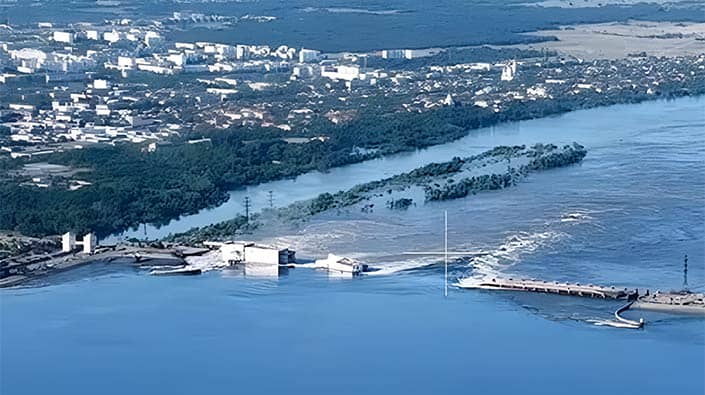
Today, it is impossible to operate the Zaporizhzhia NPP at the energy levels of its capacity. In the absence of a reliable source of water supply – after the destruction of the Kakhovka reservoir by the occupiers – without a secure connection to the power grid, and with only two out of ten power lines remaining, it is not safe to operate the plant.
Any attempts by the Russians to restart ZNPP and resume electricity production should be regarded as an act of nuclear terror that can lead to catastrophic consequences for the entire world.
T.S.: What measures to improve safety at NPPs under Ukrainian control have you implemented since 2022? What problems have you identified and solved in this process (outdated equipment, lack of personnel, incompliance with standards, etc.)
O.K.: The safety level is improved by implementing the measures envisaged by the Comprehensive (Integrated) Safety Improvement Programme for Nuclear Power Plants (C(I)SIP), which was approved by Governmental Resolution on 7 December 2011. According to this resolution, JSC NNEGC “Energoatom”, as the operating organisation of Ukrainian NPPs, develops and agrees annual schedules with the Ministry of Energy, SNRIU and, in terms of fire prevention measures, the State Emergency Service of Ukraine, indicating the timeframes for consolidated measures to improve the safety of power units.
Large-scale military aggression by the Russian Federation directly affected the activities of JSC NNEGC “Energoatom”, particularly the implementation of the comprehensive programme. The war resulted in damage to industrial enterprises and infrastructure, disruption of logistics and reduction in the number of personnel at design, construction, installation and commissioning organisations due to mobilisation and forced evacuation.
The consequences of the military aggression of the Russian Federation against Ukraine made it impossible to complete the implementation of the C(I)SIP within the established timeframes, by the end of 2025. Therefore, JSC NNEGC “Energoatom” initiated amendments to Cabinet Resolution No. 1270 dated 7 December 2011 to extend its validity until 31 December 2030.
As of today, 1295 measures are planned to be implemented under the C(I)SIP, 1107 of which have been completed – more than 85% of the planned activities – with reports for these measures approved by the SNRIU.
T.S.: Nuclear energy is an area in which Ukraine could become a key partner for Europe. However, taking into account the EU’s course towards a “green” approach, can Ukraine also count on the development of cooperation in radioactive waste management? (For example, similar to the way Germany uses the services of France and the UK to process its spent fuel). Tell us what forms of such cooperation with other countries already exist?
O.K.: Currently, Ukraine does not use the services of other countries for spent fuel or radioactive waste management. According to the requirements of Ukrainian legislation, generated radioactive waste should be minimised. Therefore, the main radioactive waste producers – ChNPP and JSC NNEGC “Energoatom” – process radioactive waste at their own radioactive waste management facilities. The relevant radioactive waste management facilities are operated at ChNPP and at certain NPPs.
Other radioactive waste producers, in particular medical institutions, transfer radioactive waste (mainly disused radiation sources) to specialised radioactive waste management facilities – interregional affiliates of the State Specialised Enterprise “Radon Association” and the State Specialised Enterprise “Central Enterprise for Radioactive Waste Management”.
As for the spent fuel from Ukrainian NPPs, it is not currently transferred for reprocessing to any other countries. Spent fuel generated and to be generated in the operation of nuclear power plants will be stored in the Centralised Spent Fuel Storage Facility, located in the Chornobyl Exclusion Zone. Spent fuel from the temporarily occupied Zaporizhzhia NPP is stored in the on-site Dry Spent Fuel Storage Facility at ZNPP.
T.S.: Considering the previous question, what experience in radioactive waste management in other countries can Ukraine borrow? Perhaps, on the contrary, we can become an example of effective management of such waste? What our developments can be useful to the West?

O.K.: The issues of nuclear energy development and, consequently, the issues of spent fuel and radioactive waste management lie within the political and economic domain.
From the regulator’s perspective, I can note that, in accordance with the requirements of regulatory documents, all technical and organisational solutions, technological processes and materials used in radioactive waste management prior to disposal should be tested by existing experience or their use should be proven through research findings and tests.
T.S.: Ukraine is currently on the European integration path, including in the energy sector. What reforms have already been implemented and what will be integrated into the operation of our NPPs in the near future?
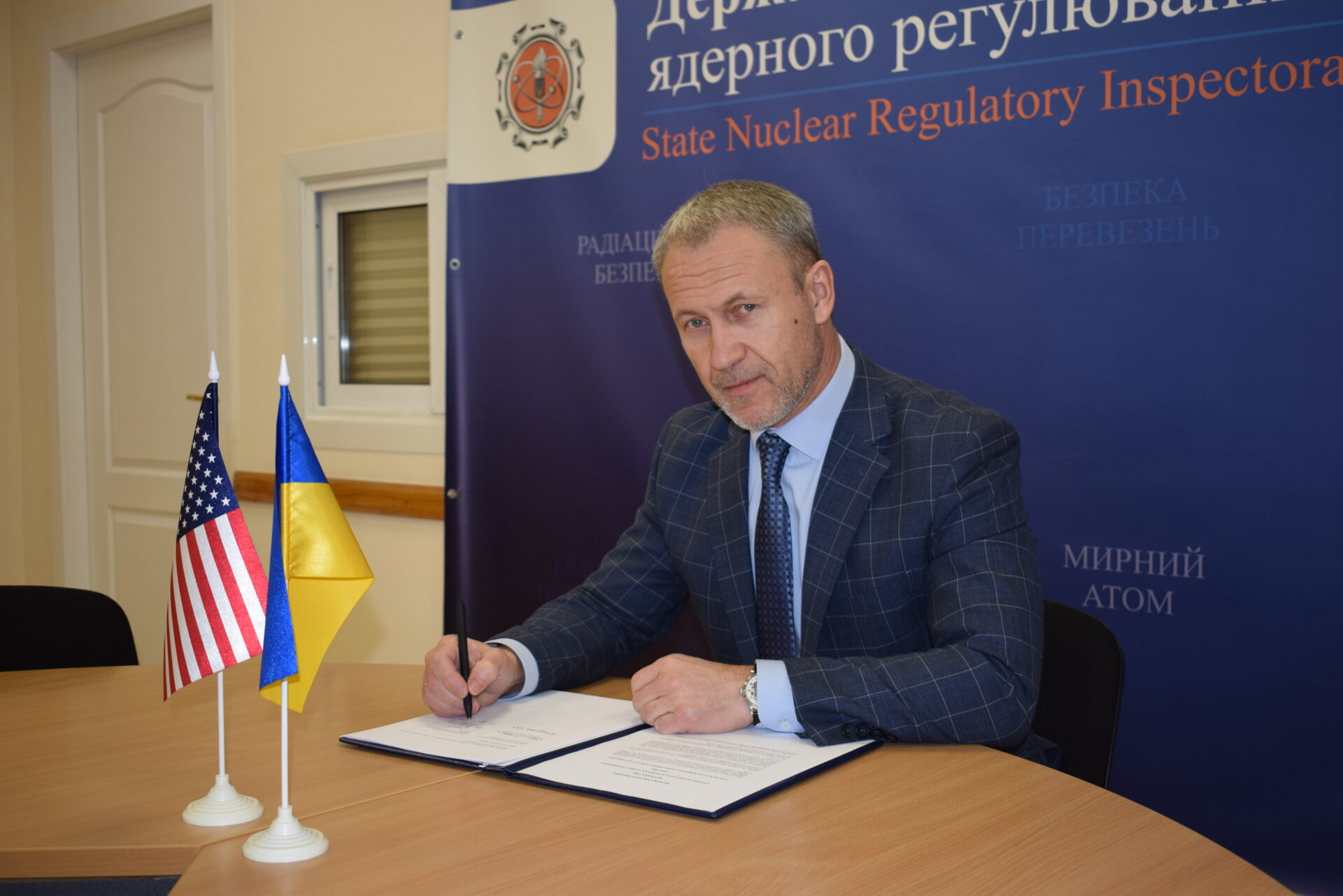
O.K.: Bringing Ukrainian legislation in line with European standards is one of the most important tasks in the process of our country’s European integration. In cooperation with the European Commission, we continue to assess the level of implementation and are constantly working to improve legislation for the safe use of nuclear energy.
As of today, five out of seven European Directives have been fully implemented in the national legislation of Ukraine regulating the use of nuclear energy. As for the remaining two directives, their provisions have been implemented to a large extent.
The SNRIU has initiated a number of legislative changes to fulfil the implementation tasks. In particular, the Ukrainian Parliament adopted the Laws of Ukraine “On Amendment of the Law of Ukraine on Nuclear Energy Use and Radiation Safety Regarding Radiation Protection Expert”, “On Amendment of the Law of Ukraine on Nuclear Energy Use and Radiation Safety”, “On Amendment of Some Laws of Ukraine for Improvement of Licensing Activities in Nuclear Energy” and “On Amendment of Some Laws of Ukraine on Human Protection against Ionising Radiation”.
For each of the adopted European integration laws, the SNRIU developed, and the Government approved, implementation plans to incorporate them into the national legislation of Ukraine. The purpose of these plans is to align the subordinate Ukrainian legislative acts – such as orders, resolutions, and regulations – with the above laws and, accordingly, with the relevant EU directives.
The implementation of these plans is currently at various stages.
T.S.: France is considered a leader in nuclear energy on our continent. Today, it is actively helping Ukraine develop this industry. What benefits and prospects does it pursue? What is its ideological interest in creating a new competitor?
O.K.: I would not consider this issue in the context of competition. Indeed, France is the second largest country in the world in terms of nuclear power generation, after the United States. France has relied on the development of nuclear energy since the end of the Second World War and has become one of the leading countries in the use of nuclear energy.
At the United Nations COP29 climate conference held in Baku, Ukraine was among 31 countries that confirmed their intention to develop nuclear power in the near future. The United States, France and the United Kingdom confirmed their intention to triple nuclear power capacity by 2050. The entire civilised world relies on nuclear energy.
The development of nuclear generation ensures energy independence, independence from oil and gas, which were primarily supplied to Europe by Russia before the full-scale invasion of Ukraine and used as instruments of energy and political blackmail to advance Russia’s own interests.
Ukraine has clearly made its European integration choice. Ukraine’s energy system has already been integrated into the European one, which largely enabled us to endure the winter periods with light and heat in the face of war, despite all attempts by Russia to cause a complete blackout. Therefore, the emergence of another powerful nuclear power producer in Europe will only strengthen European energy resilience.
As you know, a nuclear power plant is not just a reactor. It includes modern equipment, systems and thousands of mechanisms and components, while France is one of the largest and most recognised manufacturers of such equipment, already in use at Ukrainian NPPs today.
The SNRIU, as the national nuclear regulator of Ukraine, is interested in cooperation with the French Authority for Nuclear Safety and Radiation Protection in terms of studying regulatory experience and frameworks, the operation of radiation monitoring and control systems, emergency preparedness and response systems, as well as new technologies and research in the area of nuclear and radiation safety.
Tetiana Stelmakh