

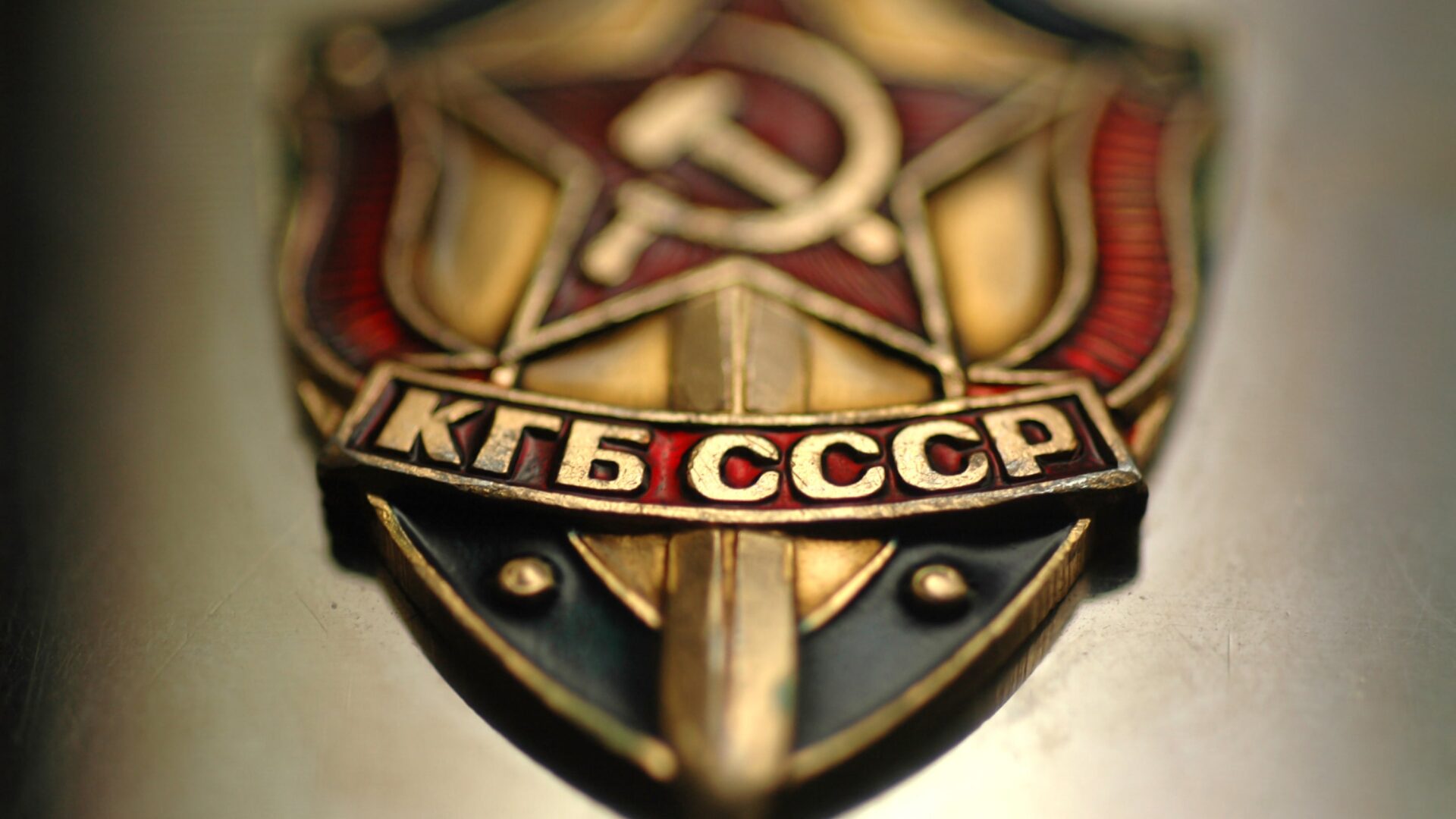
The war between Ukraine and Russia has been going on for 10 years, while Russian information aggression has been going on for decades. Unlike physical attacks, the informational one is aimed not only at Ukraine but also at Western countries. Back in the 1980s, the Soviet KGB spread rumours that AIDS was the result of secret developments by the US Army. Of course, this was untrue, but there were many similar cases of spreading lies.
Unlike in the 1980s, it is now much easier to spread disinformation because of the development of the Internet. In 2022 alone, Russia spent $1.9 billion on media propaganda. This money was spent by propagandists.
Since the problem of Russian information influence and manipulation is common to both Ukraine and the West, we need to fight this invasion together. The Ukrainian Review, together with the Center for Strategic Communications and Information Security, has prepared an article explaining the importance of creating an international coalition to counter Russian information weapons.
What is the International Information Coalition?
Ukraine needs a platform to bring together politicians, communication professionals and media experts from Ukraine, the EU, the UK, the US, and other countries to discuss problems and consolidate efforts to counteract harmful information influence. The goal is to limit, at least, and ideally, to neutralise the influence of Russian information weapons.
This is a Ukraine-centered story, promoting Ukraine’s unique expertise in countering Russian disinformation and its information influence operations, which should strengthen the resilience of other countries, regions, and the free world as a whole.
Ukraine is globalising existing problems and challenges by engaging partners in countering the Russian threat.
It should be understood that Ukraine acts more as a donor here: it contributes to strengthening partners’ actions to overcome their vulnerabilities to Russian disinformation. It also contributes to global security in the context of information security as a provider of unique expertise.
The platform is not only a fundraising platform but also a horizontal structure: a space for conversations between partners to develop global solutions and effectively counter information weapons.
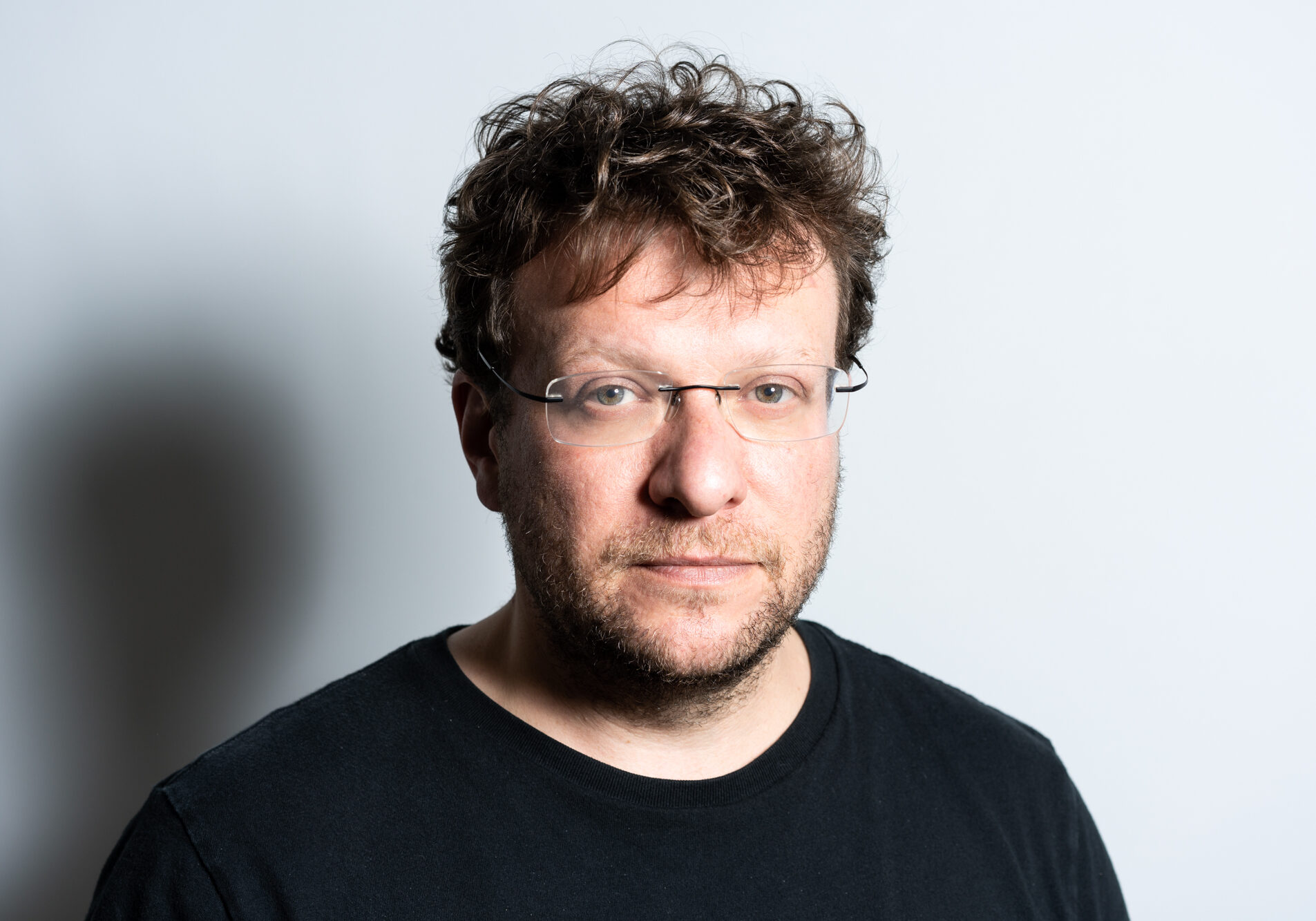
Here’s how Peter Pomerantsev, Professor at the Institute of Global Affairs at the London School of Economics and journalist, commented on the importance of this event for Ukraine:
“Right now, in 2024, we really have so much evidence of how Russia, Iran, China, and other dictatorships are coordinating their information rather disinformation efforts. Both in terms of the messages they push and the technology they use. Both in terms of censorship and spreading disinformation. Their messages are often repeated, and they’re targeted strategically at Western allies and democratic allies across the world. So the question is, how do democracies respond, whether in America, in Europe, or in Asia, when we face such a common threat? How can we collaborate in the space of strategic communication and information integrity?
I think we have to if we hope to compete with these very, very focused adversaries. And we have to work out what our model of collaboration in this space is. We know what they do. They use troll farms and conspiracy-spewing state media and hacking attacks on election systems, and all sorts of things”.
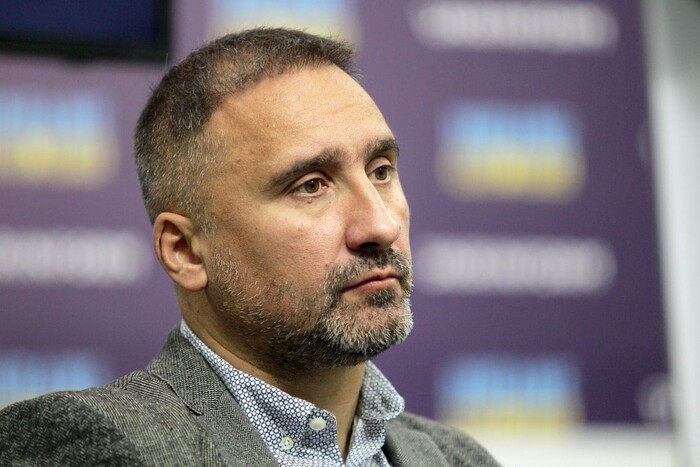
Ihor Solovei, head of the Center for Strategic Communications and Information Security, emphasises that Russia’s information aggression against the West has long been underway:
“The entire Western world needs to understand that the Russians are already at war against you. For the Russians, information is a weapon. And they use it against Ukrainians, Europeans, Americans and the entire civilised world. If the West does not come to this war, it does not mean that the Russians will stop. Whether you like it or not, you have been declared at war and will have to participate in it. Therefore, our common interest is to unite as soon as possible and give a consolidated response on the information front.”
Potential directions and scheme of work
The Center for Strategic Communications proposes the following areas of work for the future international information coalition:
Criminalisation of Russian propaganda and information crimes
In particular, it is proposed to introduce the concept of the crime of using information weapons at the EU level, to introduce liability for military (Russian) propaganda in international law, and to adopt new international norms based on Russia’s information support in the war in Ukraine.
Blocking Russian disinformation platforms
Such measures aim to limit the Kremlin’s disinformation channels’ ability to influence foreign society. In the EU, the relevant processes began in 2022. For example, the Union banned “Russia Today” and “Sputnik” in March. Later, other media resources were added to the list. Therefore, it is important to continue encouraging partners to limit propaganda resources promoting toxic narratives.
Creating alternative content and combining its media assets and communication influence to distribute it globally
Combining the efforts of Ukrainian and foreign media, experts and politicians to defeat Russian information aggression. Ideally, this would involve the creation of one or more new resources/platforms that would actively engage the individuals mentioned above to cover relevant topics, as well as financial support for existing media outlets that are involved in such activities.
It would also be advisable to take appropriate measures to improve the population’s media literacy. It is important to monitor what narratives Russia is promoting and explain in simple terms to the reader why they are not true.
Encouraging social platforms (Google, Facebook, Amazon, etc.) to counter Russian disinformation on their own
This mainly refers to the fight against Russian bot farms. This includes blocking enemy accounts and posts that spread Kremlin propaganda. However, information from such accounts should be saved to record information crimes. These platforms can also be used to monitor the accounts of the occupiers on the territory of Ukraine.
“I would really like to see us force tech platforms to register and open representative offices. It is difficult for us to do it alone. If this is a consolidated position of all EU countries and almost the entire European continent – to force tech platforms to open representative offices and detect networks [bots] using hardware and software methods – it will be much easier to do this together than for Ukraine alone,” – said Ihor Solovei.
Earlier, The Ukrainian Review wrote an article about the cyberwar between Ukraine and Russia. The article describes in detail the enemy’s tools to inflict maximum damage, including in the media space.
What can Ukraine give to its coalition partners?
Ukraine’s unique expertise is that we know how the Russian Federation contributes to the transition of the free world to autocracy and populism. This knowledge allows us to respond to attacks more quickly and comprehensively, strengthen systems’ resilience, and minimise vulnerabilities.
- experience in developing and implementing regulatory solutions for the use of social media for destabilisation and attacks;
- expertise in strategic communications during wartime;
- knowledge of the specifics of information and psychological special operations of the Russian Federation.
This expertise addresses the problem of protecting societies and minimising Russia’s attempts to exploit existing vulnerabilities in social and political processes through information influence. It will include such proposals:
- appropriate technological solutions to counter Russian disinformation;
- analytics and synchronisation of data exchange, protocols for working with social networks;
- advising on the nature of Russian influences and operations in the context of attacking existing vulnerabilities and destabilising the situation (dividing narratives, elections, etc.);
- standardisation of approaches and protocols for countering and responding to Russian disinformation based on existing experience;
- identification and inventory of Russian special operations;
- “message box” for exchange between partner countries;
- proposals for regulatory acts in this area;
- exposing influence/destabilisation networks abroad;
- building a joint alarm model for partner countries;
- arguments for imposing sanctions against propagandists;
- educational products;
- experience of the public sector in countering fakes.
This can be a multi-level platform, with participants corresponding to the levels and directions of the international coalition. Representatives of sectors:
- state;
- corporate;
- international and national public organisations operating in this area;
- regulators;
- media (European Public Broadcasting Network).
Ukraine’s added value is helping countries (including friendly governments that have to go through elections) more effectively counter Russia’s attempts to interfere in this process. This is not about PR but advice on countering Russian interference in electoral processes. Given the trend of rising populism and authoritarianism, democratic politicians/governments in partner countries may find arguments to “reproach” the Kremlin-backed opposition.
Media’s view on the creation of the Coalition
The Ukrainian Review is an English-language analytical media outlet that fights Russian propaganda and tells the international readership about the state of affairs in Ukraine. Our task is to engage Ukrainian or foreign experts in the context of writing high-quality analytics that are understandable to everyone.
The creation of the Coalition is a new format of cooperation not only between Ukraine and Europe but also international cooperation as such. The joint fight against disinformation is a way to weaken the influence of terrorists and prevent them from imposing false ideologies, such as Islamism.
From the side of the media engaged in activities that align with the principles of the Coalition, we can point out its importance for our development and, of course, for our colleagues. In particular, for the existing media, both financial support in the form of grants and competitions and assistance in the form of “human resources” are important. We are talking about involving experts, scholars, politicians, and journalists in joint activities and the development of quality journalism. These people can become ambassadors for certain media and report on their activities for their audiences.
“The international information coalition must first of all fight disinformation, which is now being used by the terrorist country, the alliance of evil, to split Western society. Today, the West is very relaxed, while Russia, on the contrary, is highly mobilised and uses not only missiles but also information weapons. Residents of neighbouring countries who only know about the war in Ukraine from the news are at the highest risk of falling victim to disinformation. Especially if they consume content from dubious sources. Disinformation aims to split and significantly weaken our allies.
That is why Ukrainian news, which are now working in a time of war, and the Western press should help each other. That is, Ukrainians should help and express solidarity with those countries whose journalists are defending the Ukrainian information space. Just as the Western world should support our initiatives and share their point of view with The Ukrainian Review,” – commented Volodymyr Savchenko, founder of The Ukrainian Review.
As a reminder, The Ukrainian Review regularly debunks not only Russian fakes but also propaganda spread by famous American journalists who flirt with Moscow.