

Russian officials are worried that state spending this year could exceed planned levels if additional funds are needed for the war in Ukraine. Bloomberg reported this, citing its sources.
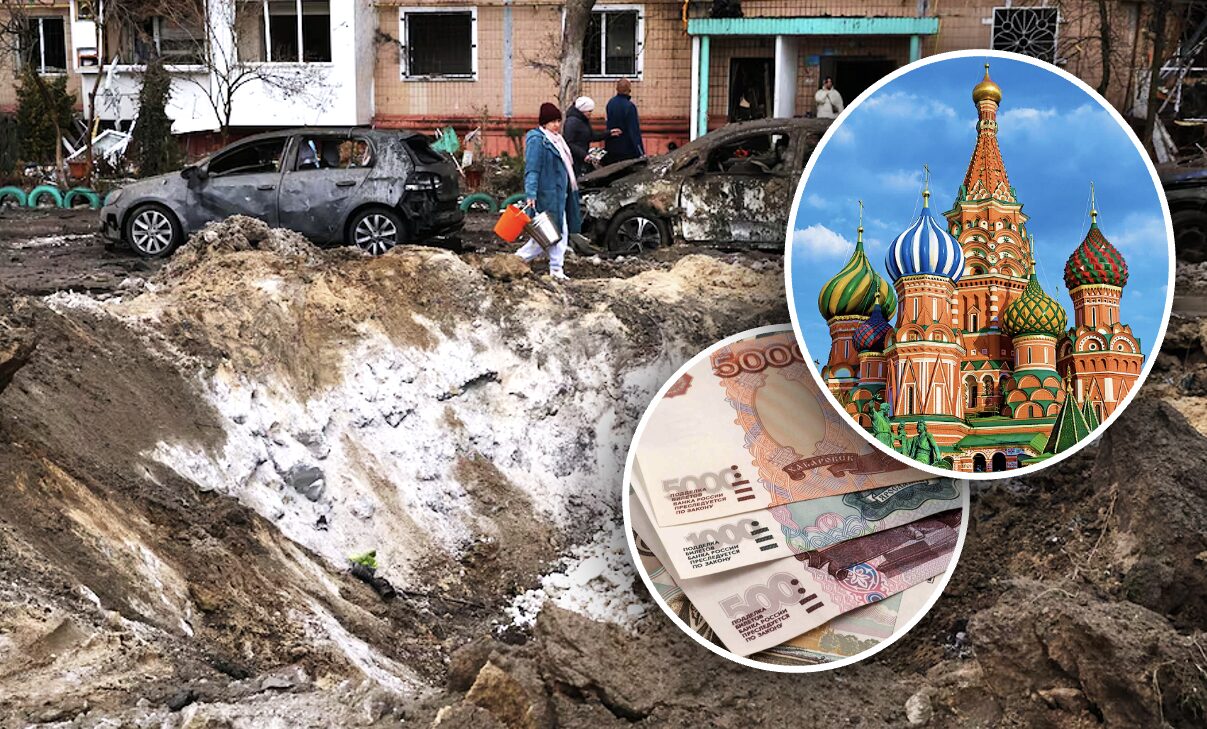
This concern comes as Russia faces high costs for the war while its revenues from energy exports fall and the ruble fluctuates. The government wants to keep the deficit within the planned range. It is looking for new sources of revenue of up to 1.2 trillion rubles (around $16 billion). This amounts to about 0.5% of GDP on top of the planned deficit of 1.6% of GDP for 2026.
Additional Spending and Territorial Issues
The Kremlin is trying to maintain key budget targets. However, the economic situation is complicated by falling oil and gas revenues. Bloomberg forecasts that energy revenues could reach only 6.75 trillion rubles. This is based on current Urals crude prices at $55 per barrel and the ruble at roughly 75 per dollar. The planned revenue was 8.9 trillion rubles. This creates a potential shortfall of nearly 2.2 trillion rubles.
At the same time, President Vladimir Putin is not willing to back down from maximalist demands for territory in eastern Ukraine. Moscow sees little chance of a breakthrough in talks with the U.S. and Ukraine. The main issue remains control over Donetsk and Luhansk regions. Ukraine insists that any withdrawal of its forces is possible only if Russian troops also pull back.
Earlier reports described the talks in Abu Dhabi as “constructive”. They included discussions about implementing a possible ceasefire. However, without a political decision on territories, the chances of ending hostilities remain low.

U.S. Influence and Economic Risks
Bloomberg notes that the U.S. political calendar could affect the Kremlin’s position. President Donald Trump’s proposals to end the war, according to experts cited by the outlet, are the most favorable for Putin in the last four years. Uncertainty about the upcoming U.S. congressional elections may limit future proposals from the American administration.
Russia’s budget position is also worsened by U.S. sanctions, which force oil companies to sell crude at lower prices. Previously, the government had to raise the deficit from 0.5% to 2.6% of GDP and cut spending, covering the gap by issuing costly bonds.
European Pessimism over Negotiations
Meanwhile, European diplomats and German officials view the prospects for Ukraine negotiations pessimistically. German Foreign Minister Johann Wadephul said during a visit to Latvia that “without flexibility from Russia, the talks could drag on or fail entirely.”
Bloomberg reports that Europe has limited insight into changes in Russia’s stance during talks in Miami, where only U.S. and Russian representatives participate. Diplomats emphasize that Russia insists on resolving the territorial issue in eastern Ukraine, and without it, any ceasefire is unlikely.
In addition, U.S. officials note that the territorial issue is the “last point” that needs to be decided at the leadership level.
Earlier, The Ukrainian Review summarized the main points from President Zelenskyy’s interview with Czech radio. It also analyzed possible scenarios for the war in 2026.