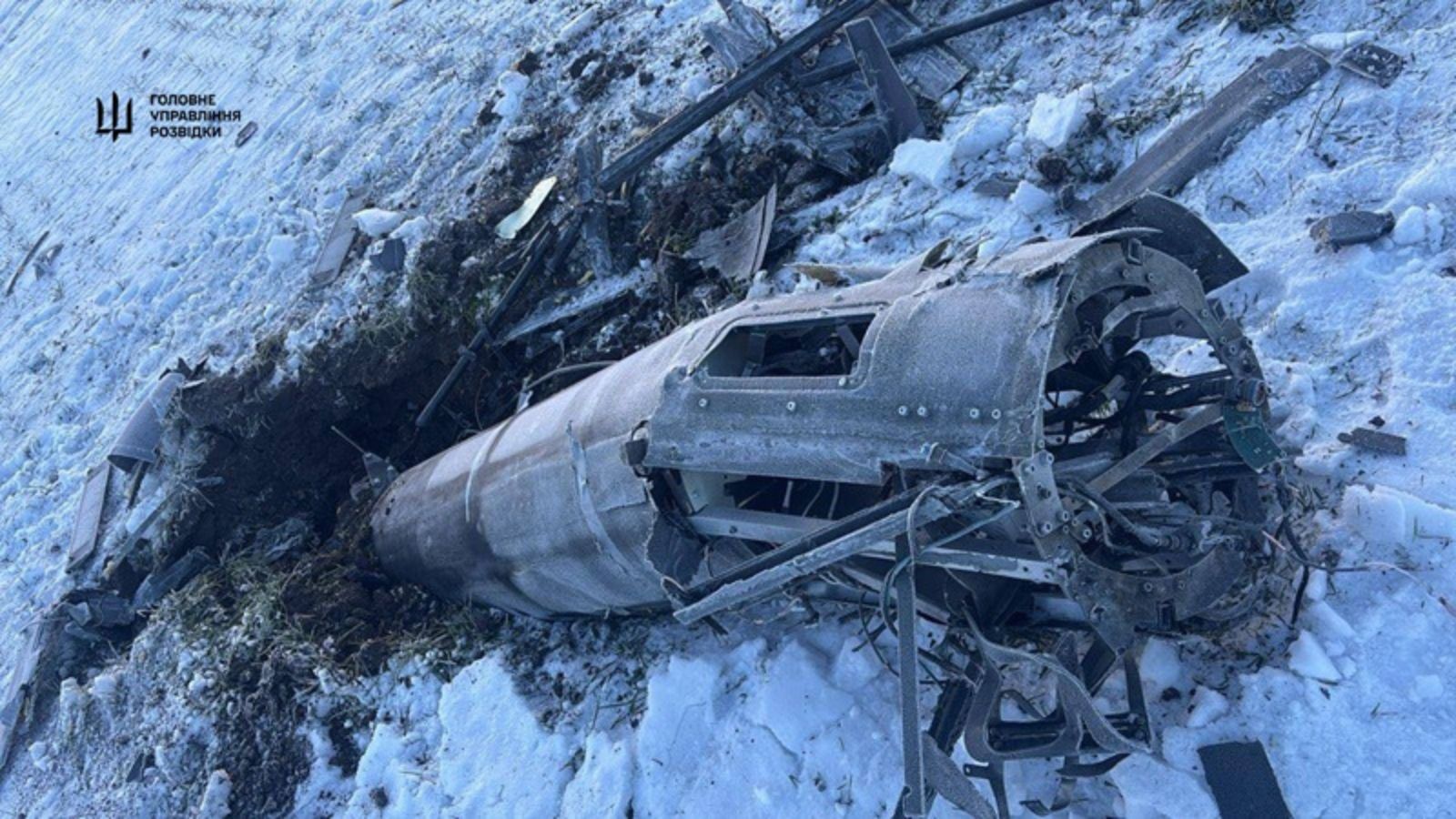


Russian forces recently started using the new Geran-5 jet-powered kamikaze drone on the front. The DIU of Ukraine officially reported this development. This aircraft features Iranian technology and carries air-to-air missiles. Meanwhile, Ukrainian engineers successfully introduced their own Salut interceptor drone. Currently, it effectively destroys enemy strike UAVs. Consequently, these developments mark a new stage of technological air warfare.
Technical Features and Origins of Geran-5
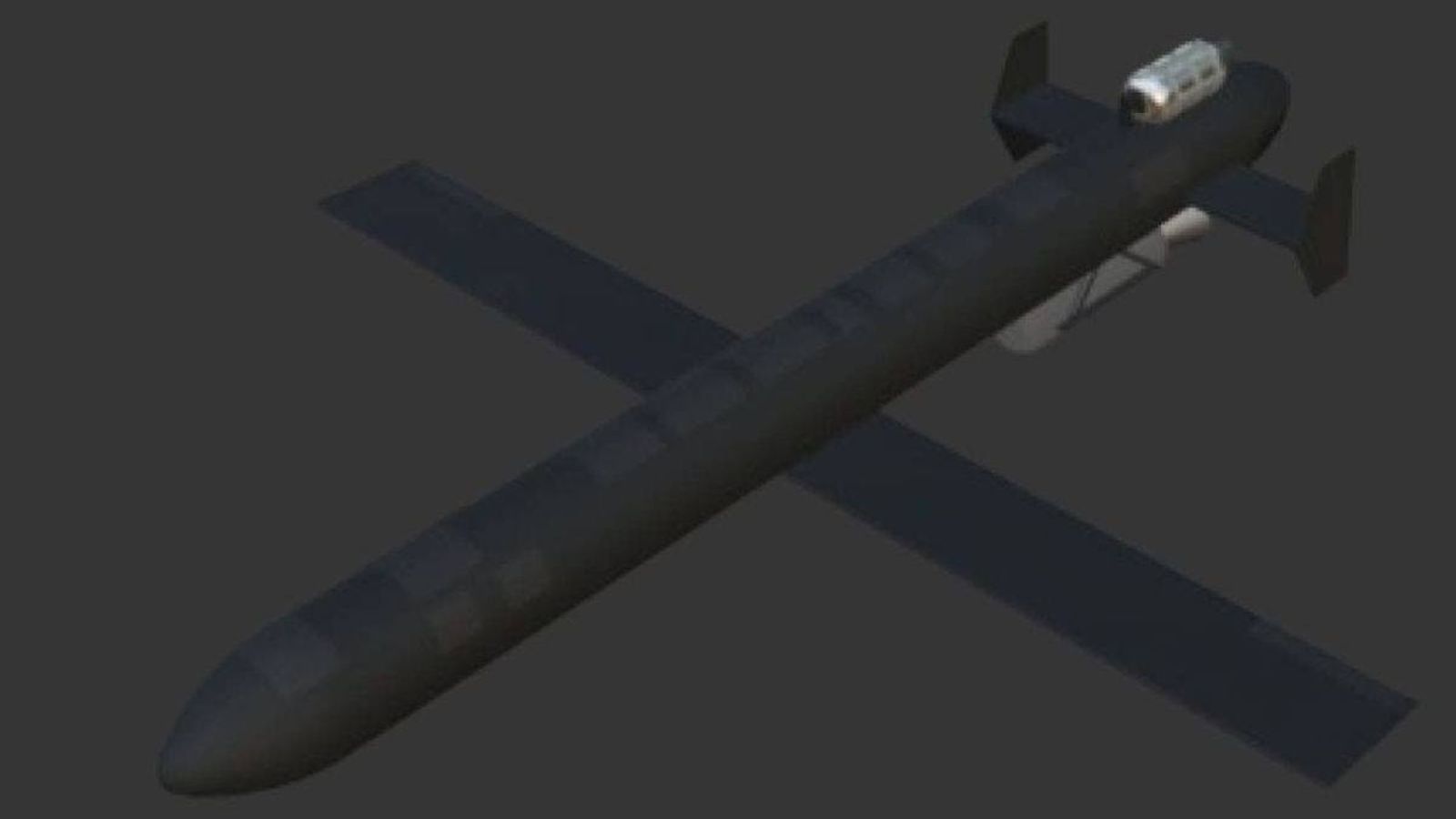
According to intelligence data, the Geran-5 drone differs significantly from previous models. Its aerodynamic shape resembles a cruise missile with a length of 6 meters. For navigation, the enemy utilizes the “Kometa” system and a Raspberry microcomputer.
Furthermore, a Chinese-made Telefly jet engine provides high flight speed. The drone carries a 90 kg warhead and has a range of 1000 km. Notably, Russian forces can launch the Geran-5 from Su-25 ground-attack aircraft. Additionally, the drone carries R-73 missiles to engage helicopters and aircraft. Finally, technical analysis confirms a strong resemblance to the Iranian Karrar drone.
Ukraine’s Response: The Salut Interceptor Drone
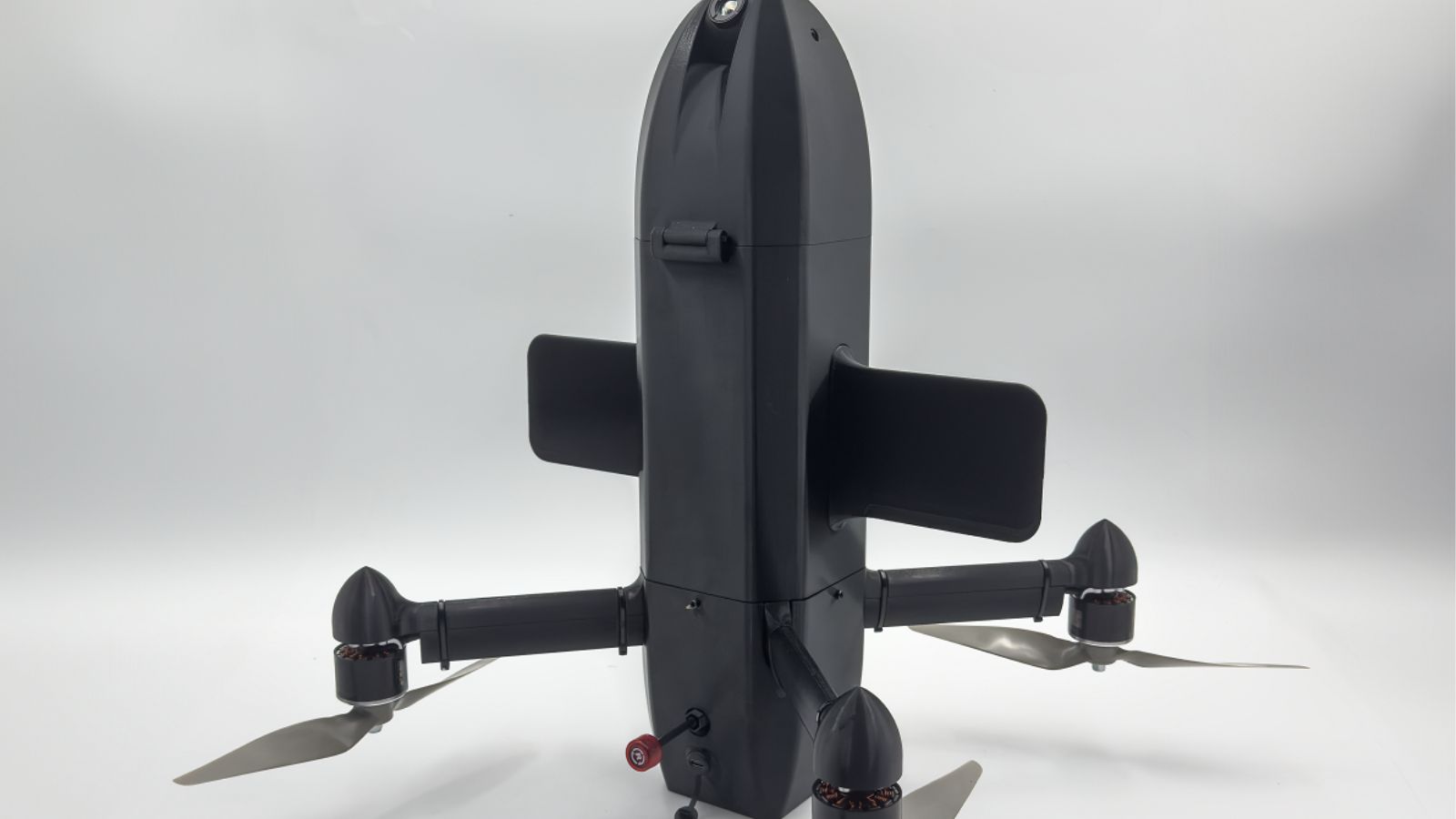
The Ukrainian defense sector responded to new threats by developing the Salut interceptor. Militarnyi reports that the project reached its first combat kill in just two months. Engineers worked closely with air defense units directly near the front lines. They used 3D printers and stationary PCs for rapid design improvements.
Currently, the Salut successfully intercepts Zala reconnaissance drones and Shahed-type munitions. Firstly, the project maintains stable serial production. Secondly, developers integrated the system into the sine.link management network. Therefore, the team can implement technical changes within a few days.
Conclusion
Jet-powered kamikaze drones with aviation weaponry present a serious challenge to mobile fire groups. The high speed of the Geran-5 makes interception by traditional means very difficult. However, the rapid deployment of Salut systems demonstrates Ukraine’s ability to provide asymmetrical responses. Future success will depend on production scales and automated targeting advancements.