

The peace process has become a kind of calling card for US President Donald Trump. The desire to be a global peacemaker, especially when it comes to protracted and extremely bloody conflicts, is a priority for Trump. At the same time, the businessman’s vision is based on a belief in his own exceptionalism and his ability to be indispensable in the process of establishing harmony in world relations. The full-scale war in Ukraine has become extremely important to Trump personally. This is hard to miss in the rhetoric in general and in individual statements by the current US president. Firstly, because it had to be resolved by the head of the White House as soon as possible, as ‘a war that would never have started if he had been President of the United States.’
One of the main features of the war in Ukraine during the Trump era is that the entire peace process is focused not only on the position of the United States as a leading country, but also on his position personally. The fate of a potential decision to support Ukraine and potential peace talks depends on President Trump’s literally changeable mood, on who is the first to bring information to his attention and in what form. Trump’s political behavior regarding the war in Ukraine periodically resembles a kind of ‘pendulum’, where pressure is exerted on one side and then the other.
At the same time, it does not matter that one of the parties is the aggressor, as recognized by most countries in the world. The White House’s own strategy today is focused on resolving the situation, even if it is contrary to the interests of Ukraine, which has been invaded and is defending itself thanks to the efforts of its army and people.
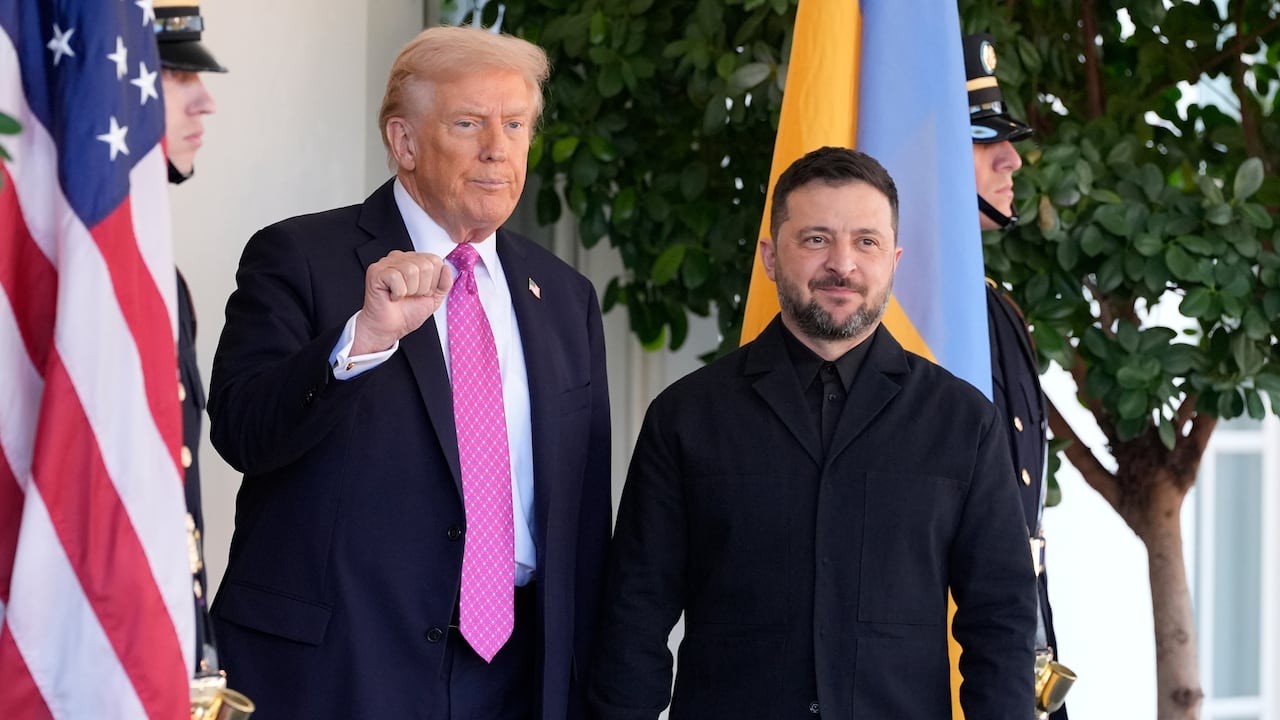
Perceptions of Russia and its capabilities changed in 2025. Donald Trump is increasingly less likely to attempt to build communication in a ‘business-benefits’ style, which should be mutual. The meeting with Russian dictator Putin in Anchorage on 15 August 2025 clearly demonstrated the Russian side’s unwillingness to end the war in exchange for beneficial economic cooperation. The failure of the face-to-face meeting for the head of the White House effectively meant the partial closure of a possible negotiation case and general disbelief in Russia’s adequacy in the geopolitical situation. Against this backdrop, the ‘team’ meetings between the American and Russian sides in 2025 were futile.
Donald Trump`s logic in politics
The main questions that arose at the beginning of 2025 are What is the logic behind Donald Trump’s behavior? What guides him when making important decisions? Undoubtedly, this logic is based on an understanding of the White House leader’s life path and the connections that currently form a system of loyalty to him. Trump is not a politician in the classical sense, nor does he try to be one. He is a businessman and showman, a man who is used to being in the spotlight and trusting those closest to him, including making decisions within his family circle. Direct access to Trump has become more important than any other lever of influence. Playing golf with the US president means having priority in conveying the necessary message to him.
Donald Trump’s formation of his political team involves seeking out and trusting people who are either close to him or who can be useful (or appear to be useful) in resolving issues. Donald Trump relies on personal contact both in forming his own team and in diplomacy.
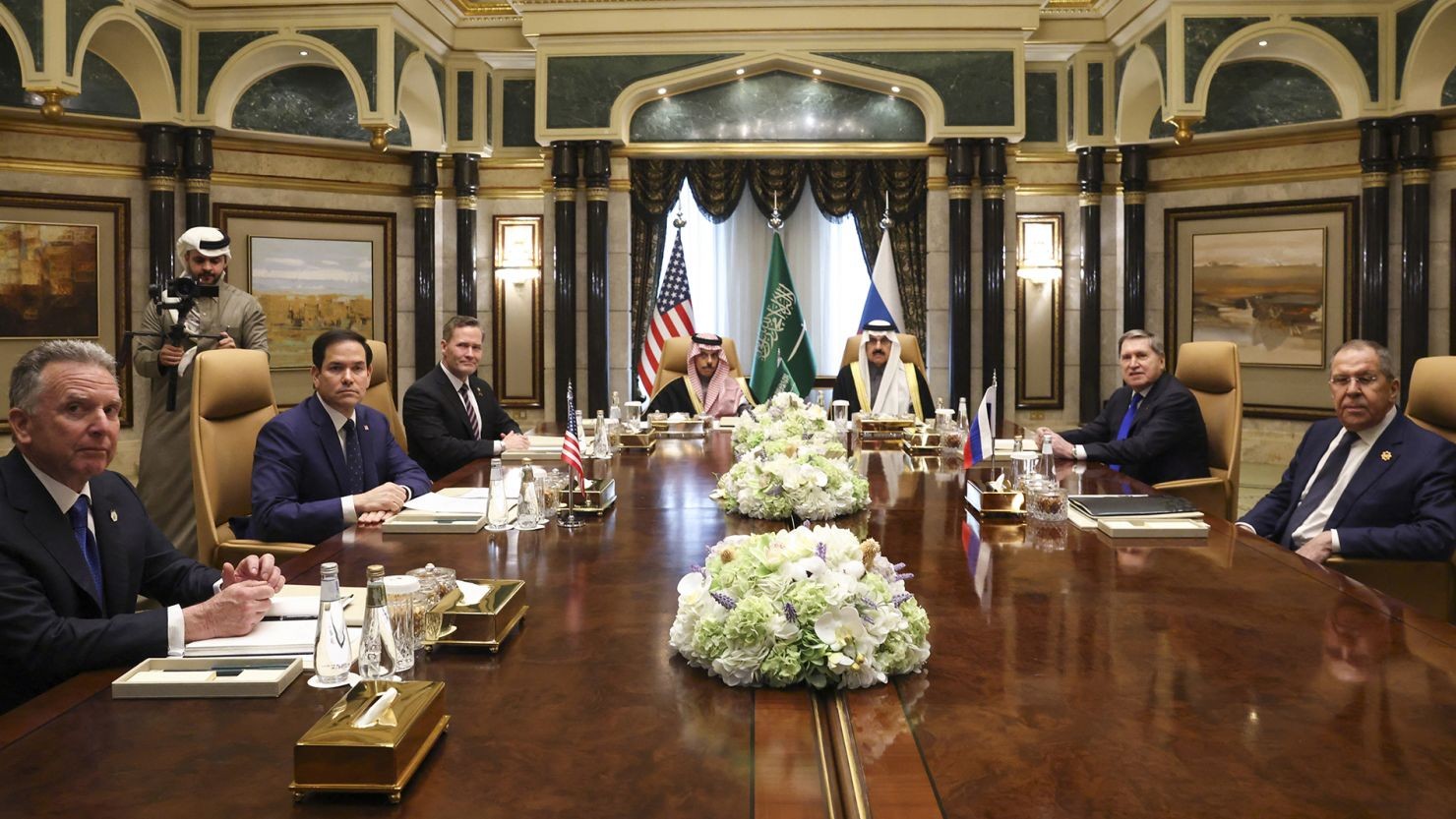
In the context of the negotiation process on the war in Ukraine, the Trump pendulum – a series of sharp fluctuations in his position in the public sphere – is very evident. These shifts depend on the information the US president has received beforehand and the person who conveyed it. The US president makes a series of statements, which are then widely interpreted by the world’s leading media outlets. However, in each of Trump’s statements, there is always a certain favorite and outsider, and they often switch places. Directly opposite theses may be heard.
Donald Trump has already marked the difficult and lengthy process of negotiations on the war in Ukraine with his key phrases many times. The ‘big deal’ has been replaced by ‘disappointment’ and vice versa. Donald Trump’s logic regarding a peaceful settlement in Ukraine is based on the principles of ‘peace through strength’ and a ‘business deal’ approach. This is particularly evident in the format of so-called ‘shuttle diplomacy,’ when it is necessary to emphasize the role of arbitrator and mediator in the negotiation process as much as possible. He has the opportunity to communicate with both sides on his own terms. In addition, the mediator actually chooses the venue for the negotiations. This creates a special and controlled atmosphere, which is an important component in the White House leader’s understanding.
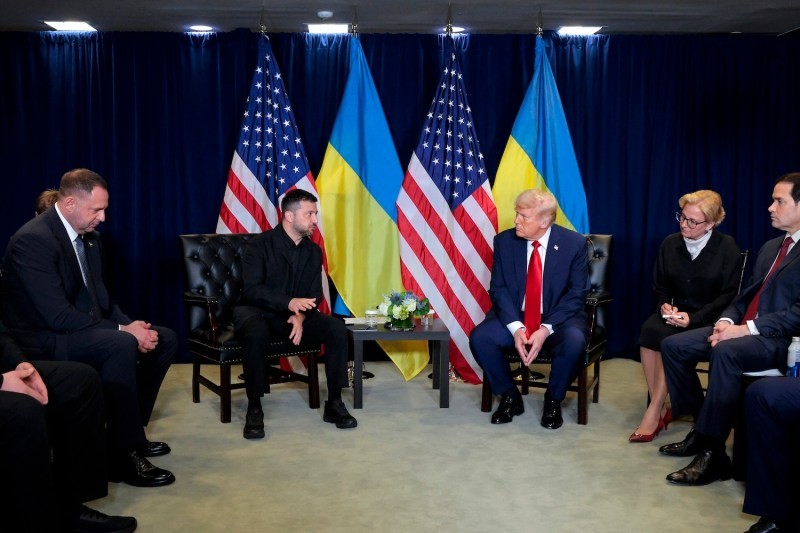
Donald Trump is betting on the strong. His team includes both “doves” and “hawks.” Conveying information to influential members of the US president’s team is the right move, given the circumstances and conventions of White House politics today. Secretary of State Marco Rubio is one of the pragmatists on Trump’s team. He is a key American diplomat on issues related to the Ukrainian peace process. Rubio insists on achieving a fair, rather than temporary, solution that respects Ukraine’s sovereignty. He is a consistent critic of Joe Biden’s strategy on the war in Ukraine. Rubio considers the war to be a stalemate. At the current stage, the Secretary of State’s statements are becoming more prominent, and above all, Rubio assesses the reality and strategy of what is possible.
President Trump with Secretary of State Marco Rubio in the Netherlands in June. Haiyun Jiang/The New York Times
Marco Rubio plays a key role in promoting a peace initiative for Ukraine, promoting a 20-point plan and emphasizing its importance as a basis for negotiations involving both Russian and Ukrainian data, with the aim not only of ending the war but also of ensuring Ukraine’s long-term sovereignty and economic development.
The peace process and window of opportunity in 2026
The prospects for the peace process following the end of a full-scale war involving the United States are the only possible option in 2026. Focusing on specific signals from Donald Trump remains an option that the Ukrainian side should use. Donald Trump’s vacillation is likely to continue. After demonstrating his strength in the Venezuela issue, a successful military operation and the arrest of dictator Nicolas Maduro, the White House leader may show demonstrative confidence in the need to put pressure on the Russian side.
The media and analysts remain quite cautious in their assessment of the prospects for peace in Ukraine in 2026. In January 2026, Politico assessed the chances for peace in Ukraine as low.Politico suggests that an end in 2026 is possible, but may be disadvantageous for Ukraine, given the Kremlin’s maximalist demands and Kyiv’s political constraints. The odds of Trump’s peace efforts are estimated at 4:1. For its part, The Washington Post assesses the situation as very unstable, emphasising the problematic nature of the time limits on US security guarantees to Ukraine, which will allow the Russian aggressor to resume hostilities. Even with active diplomacy, as The Guardian notes, peace remains unattainable without a change in strategic approaches. Overall, global publications assess the situation in Ukraine in 2026 as complex and uncertain. They emphasise that true peace requires reliable agreements, not just a ceasefire.
The US in a New World Order
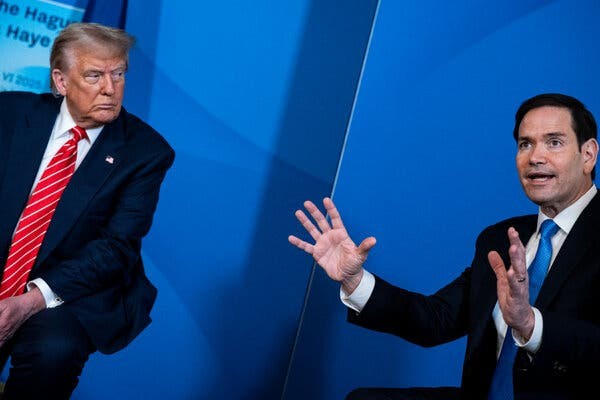
Blogger and public figure Yuriy Kurat (USA) provided us with his commentary. He runs his own blog, Thoughts of Passers By. In his work, Yuri analyses international politics, the full-scale war in Ukraine, and changes in American politics during the Donald Trump era.
Many accuse Trump of disrupting the world order: instead of upholding international law and agreements, he openly pursues a cynical policy of self-interest. I join the chorus of critics, but with one big ‘but’ — Trump became president when international law was already dead; he only stated this fact with his foreign policy. It is unfair to place all the blame on him alone. For years, the EU has prioritised trade preferences, energy security and political stability over international obligations, and our Budapest Memorandum is the first example of this. So yes, we have to admit that the world order is dead and realpolitik rules the roost, but along with Trump, Angela Merkel, Gerhard Schröder, Nicolas Sarkozy, François Hollande and many others on this tragic list are also to blame.
But does this mean that we are doomed to be a bargaining chip in geopolitical games in 2026? It seems to me that after an endless year of vacillating between ‘Ukraine is to blame for Russia’s attack’ and ‘Ukraine has a chance to win the war,’ the US presidential administration is beginning to develop the right approach to solving not only the Russian problem, but also the coalition of dictators that has formed around the war in Ukraine.

Political analyst Yuriy Kurat believes that recent international events demonstrate an attempt by the United States to move towards a tougher, multi-vector strategy of containing authoritarian regimes. In his view, Washington is trying to limit the resources and global influence of China, Russia and Iran in order to force them into negotiations from a position of strength, particularly in the context of the war against Ukraine. At the same time, the expert emphasises that the West remains vulnerable due to economic interdependence and technological imbalance, which limits its ability to engage in direct confrontation:
As fantastic as it may sound, neither the US nor the EU can oppose the unholy alliance of these countries, mainly because they are economically dependent on them, and in the case of the US and China, even in armed conflict due to the latter’s significant technological advantage (see Overmatch Brief). Seen through this prism, recent events in Venezuela are taking on a global character and appear to be one of the first steps towards curbing the relentless march of world dictators — the destruction of the Russian-Chinese enclave on the doorstep of the US. There is hope that Trump has finally realized that neither personal relationships nor economic incentives work to curb the imperial ambitions of dictators. Only the old conservative principle of ‘peace through strength’ works. Isn’t it ironic that we can see President Trump becoming more politically conservative before our very eyes?
Yuriy Kurat associates the prospect of a peaceful settlement of the war against Ukraine in 2026 primarily with the foreign policy course of the United States and the ‘America First’ ideology promoted by Donald Trump’s administration:
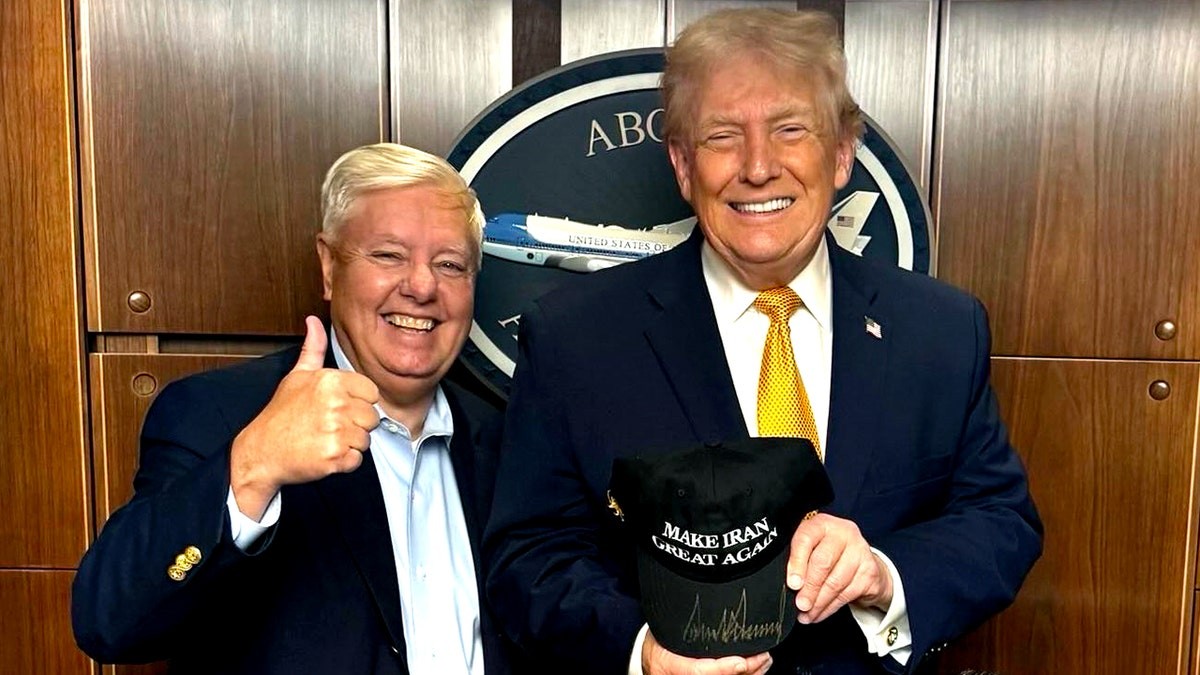
Europe and Ukraine are unable to repel Russia, China and Iran on their own; we need a strong America to return in the short term. I am optimistic about 2026 and support the new mood in US foreign policy. As for Donald Trump, his tendency to slip into ‘Trump First’ has so far been successfully corrected by his cabinet and European leaders, and his latest decisions in South America signal that America is returning to the world stage.
Conclusion
Overall, the level of negotiations on the war in Ukraine during Donald Trump’s presidency can only be assessed by taking into account his characteristics as a leader. Trump wants to be a winner and likes quick decisions that make him more prominent and visible. These traits were evident during his first term in the White House, and they are even more apparent at the present stage. The White House under the 47th US president does not balance American and European interests, but rather presents European partners with a fait accompli and the need to accept it. The US seeks to emphasize as much as possible the responsibility of Europeans for military and financial assistance to Ukraine. Donald Trump’s team’s post-isolationism is structured around this aspect.
The November 2026 Senate elections are a key event, and Donald Trump may once again resort to direct rhetoric accusing the Democrats. This means that his support for Ukraine will depend on the right diplomatic balance and information policy on the part of our state. At the official level, the US realistically assesses the complexity of the task but remains optimistic about developing a roadmap.