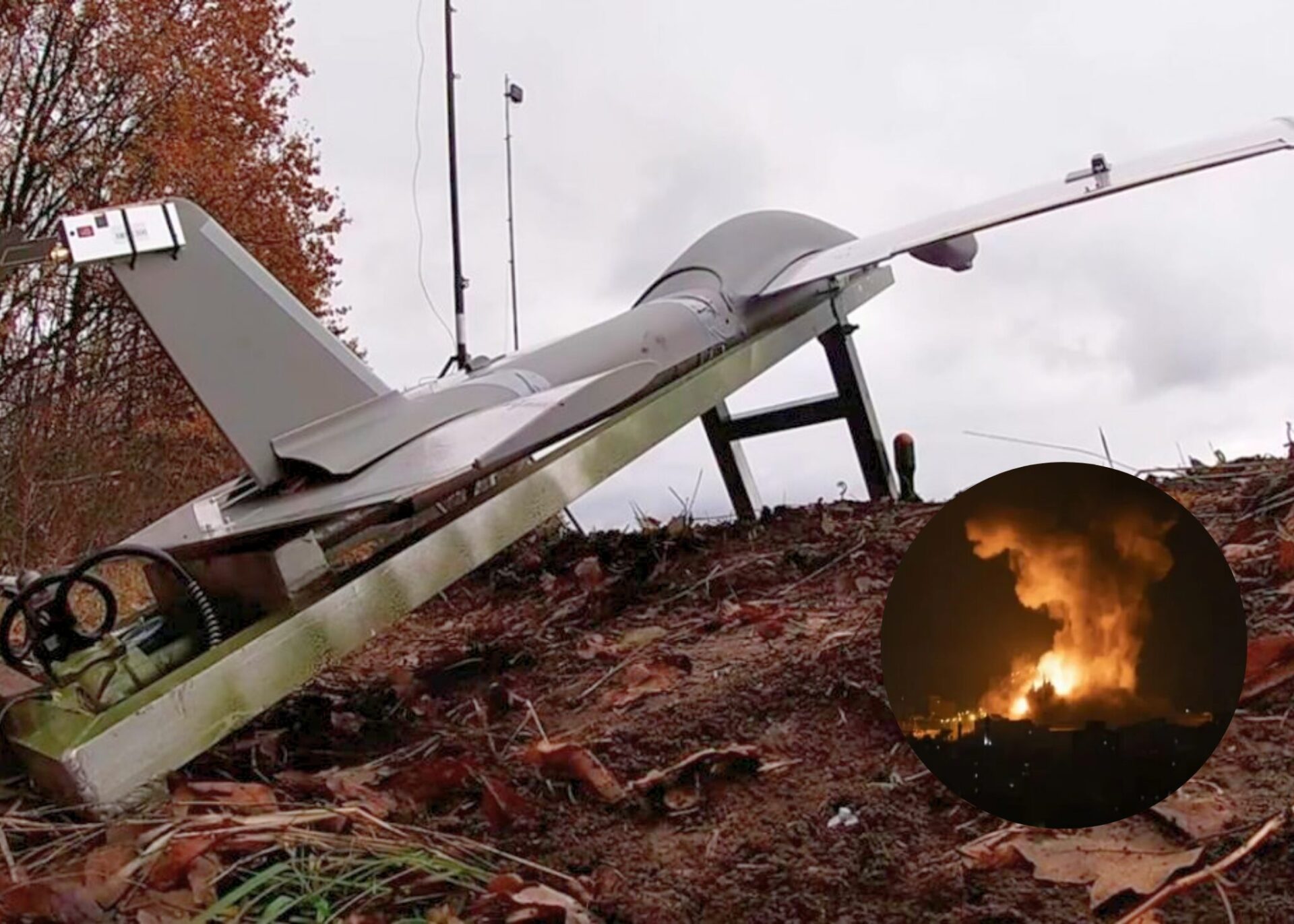
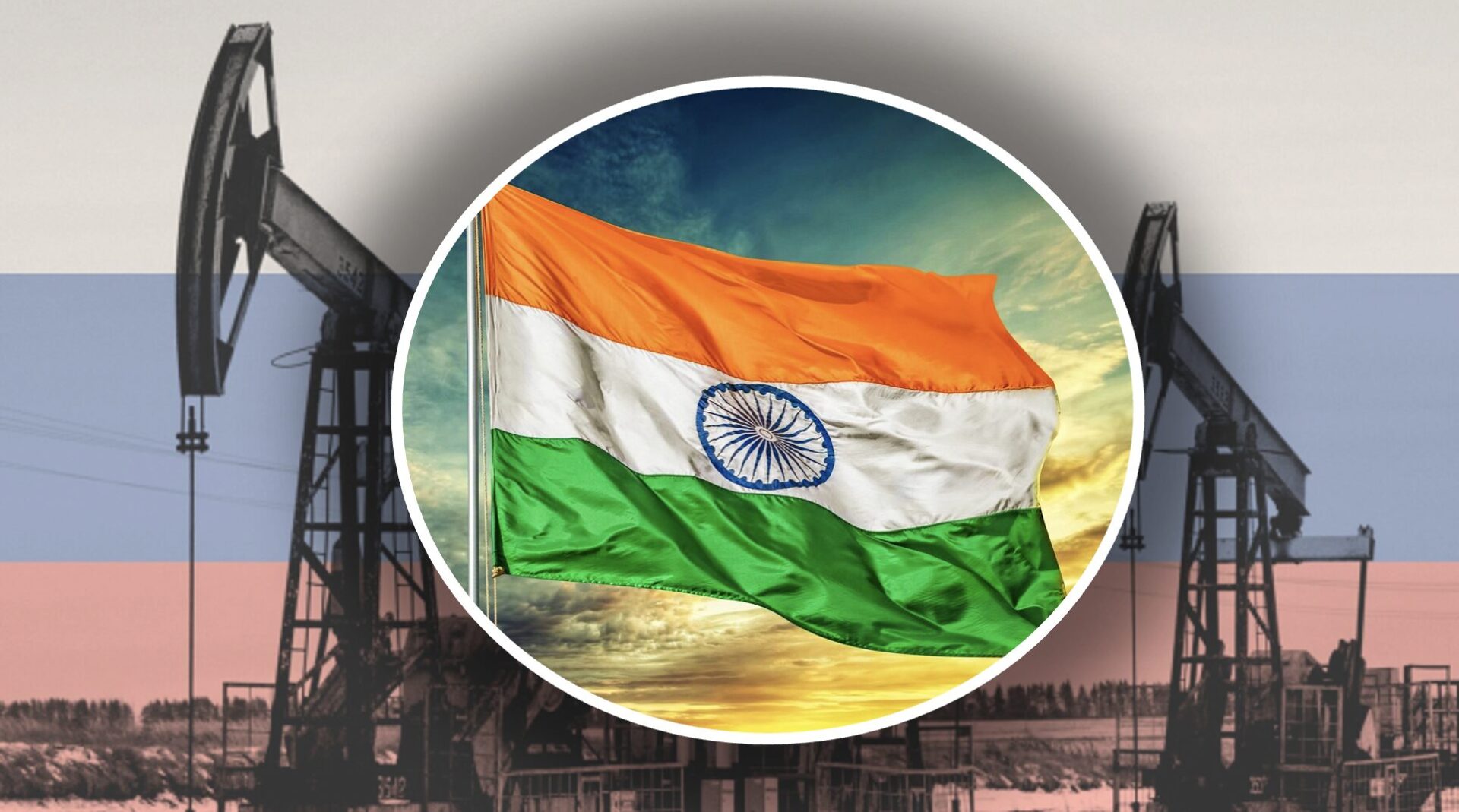


Russia is already restructuring its oil supply chains so that India can continue buying cheap Russian crude despite new US sanctions, The Guardian reports, citing industry analysts.
According to the report, since the start of Russia’s full-scale war against Ukraine, India has become the world’s second-largest buyer of Russian oil. Western sanctions forced Moscow to sell crude at heavy discounts. This made Russian oil attractive for Indian refineries.
US Sanctions and Pressure on India
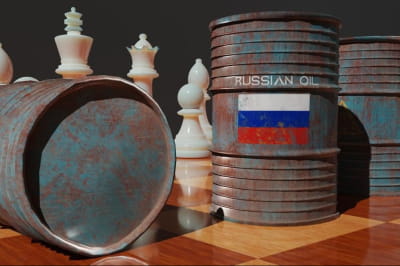
Relations between the United States and India have sharply deteriorated after the administration of Donald Trump demanded that New Delhi stop buying Russian oil, The Guardian writes. US officials say these purchases help finance Russia’s war against Ukraine.
In August, the United States imposed a 25% tariff on Indian imports in response to India’s cooperation with Russia in the energy sector. The Indian government refused to change its position. It said energy policy is a matter of national sovereignty. Trade talks between the US and India later failed to produce any agreements.
New Intermediaries and Market Restructuring
Industry analysts cited by The Guardian believe the impact of the new sanctions may be limited. Even after the restrictions were introduced, four of India’s seven largest oil refineries continue to rely mainly on Russian crude.
Export data show that Russia has started creating new oil-exporting companies. These firms are not formally linked to Rosneft or Lukoil. This allows oil supplies to continue, as US sanctions apply only to transactions involving those two companies.
Kpler analyst Homayoun Falakshahi said the new intermediaries already account for a large share of Russian exports. He added that a full restructuring of the supply chain could take only a few months. Falakshahi also said buying discounted Russian oil could save Indian companies up to $4bn a year.
According to The Guardian, even after sanctions, Russian crude is still $9–10 per barrel cheaper than oil from Saudi Arabia or Iraq. For India, which imports about 90% of its oil, this price gap is significant.
Conclusions
Experts say the new US sanctions are unlikely to stop cooperation between India and Russia in the long term. As The Guardian notes, Moscow has repeatedly adapted to restrictions by changing logistics and export structures.
After the start of Russia’s full-scale war against Ukraine, Western countries imposed wide-ranging sanctions on the Russian energy sector. The goal was to reduce the Kremlin’s oil revenues. As previously reported, India and China have since become the main markets for Russian crude.
At the end of November, the United States imposed sanctions on companies and refineries that buy oil from Rosneft and Lukoil. In December, this led to a drop in India’s imports of Russian oil from 1.7 million barrels a day to about 1.2 million barrels a day.
At the same time, the market expects Russian oil supplies to India to rise again. This could happen through new intermediaries and continued large discounts, The Guardian reports.