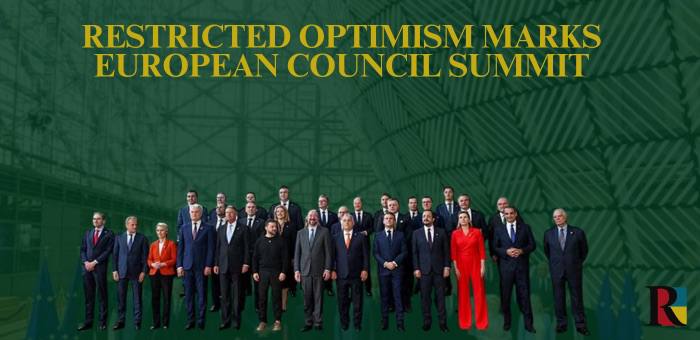


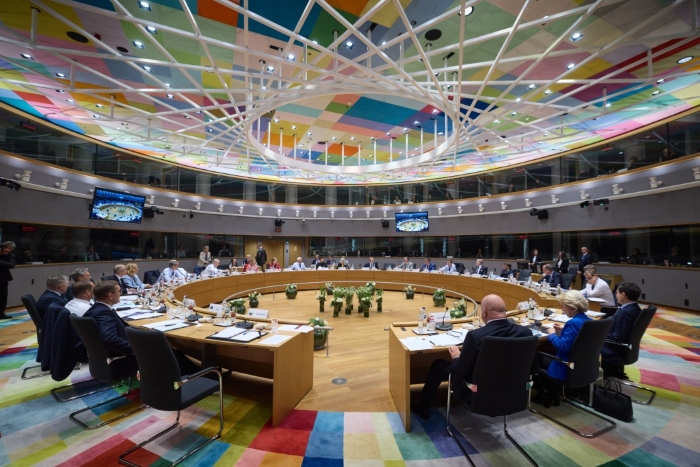
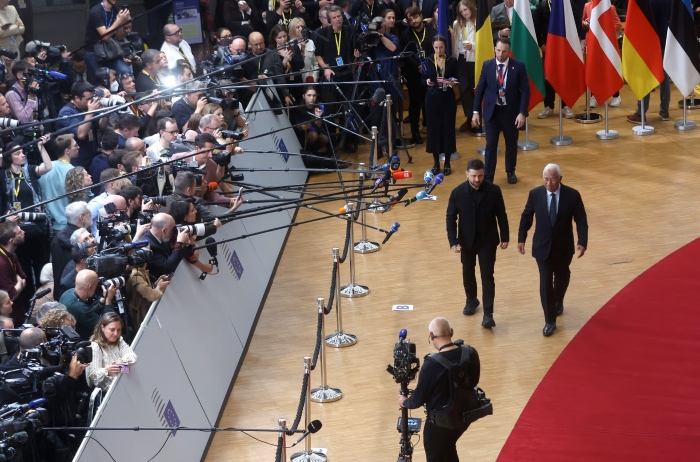
The topic of support for Ukraine became one of the key focuses of the European Council meeting in Brussels. At the beginning, President Volodymyr Zelenskyy thanked European leaders for one of the most important decisions — agreeing on the 19th package of sanctions against Russia. Discussions included security questions, particularly the damage inflicted on Ukraine’s energy sector, which remains high on the agenda.
Defence Initiatives
Spain and Finland have joined the NATO-coordinated PURL (Prioritised Ukraine Requirements List) programme. Among the top priorities are air defence systems, missiles, and ammunition. Spanish Prime Minister Pedro Sánchez also confirmed that Madrid would join the joint arms procurement initiative for Ukraine. Petteri Orpo has determined the amount of financial contribution that Finland will provide under the PURL initiative — 100 million euros.
A day earlier, during a conversation between U.S. President Donald Trump and NATO Secretary General Mark Rutte, Trump emphasized that NATO would purchase a significant amount of U.S. weapons for Ukraine.
Another important topic was the Security Action for Europe (SAFE) financial instrument. It is supported by EU member states willing to invest in defence manufacturing through joint procurement, focusing on the development of priority capabilities.
During the meeting of the European Council, President Zelenskyy emphasized that long-range missiles are not exclusive to the United States — Europe also possesses them, including Tomahawks. This way, he urged partners to reconsider their decisions on supplies and not wait for U.S. approval first. Moreover, he called for reprioritizing the queue for the purchase of Patriot systems, stressing Ukraine’s urgent need. He assured that Ukraine is ready to return or replace the systems after its turn.
Leaders’ Conversations
Volodymyr Zelenskyy held bilateral discussions with several European leaders: President of the European Council António Costa, Czech Prime Minister Petr Fiala, Polish Prime Minister Donald Tusk, French President Emmanuel Macron, German Chancellor Friedrich Merz, and Chairman of the Council of Ministers of the Italian Republic Giorgia Meloni.
With Macron, they discussed coordination before the upcoming “coalition of the willing” meeting in London. The same topic was raised in a conversation with German Chancellor Friedrich Merz.
Another important issue raised during these talks was the use of frozen Russian assets — also discussed with Italian Prime Minister Giorgia Meloni. Europe is preparing to begin utilizing these frozen assets to support Ukraine, while the Russian Foreign Ministry has already labelled the move as “theft to kill Russians.” EU Council President António Costa stated that the European Union would agree in principle to finance Ukraine for the next two years.
Conclusion
The European Council summit brought Ukraine several positive outcomes. At the same time, other significant issues, such as the use of frozen Russian assets and strengthening of Ukraine’s air defence, remain under discussion.
The topic of unblocking the first cluster of Ukraine’s EU accession negotiations was also raised. Compared to the informal leaders’ meeting in Copenhagen, where many key points remained unresolved, this official summit offered more tangible progress and renewed hope for collective European security.