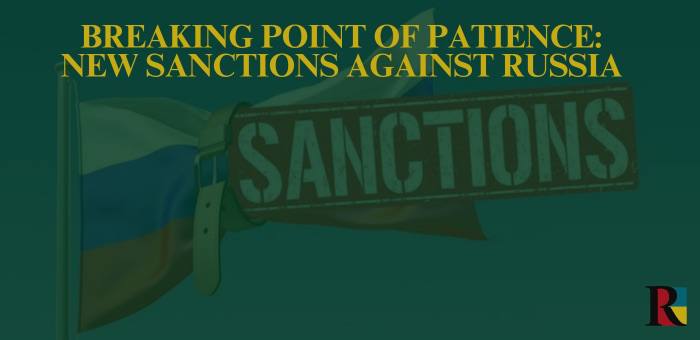


The United States of America is introducing new sanctions against Russia, as reported on the website of the U.S. Department of the Treasury. The restrictions will affect major Russian companies Rosneft and Lukoil.
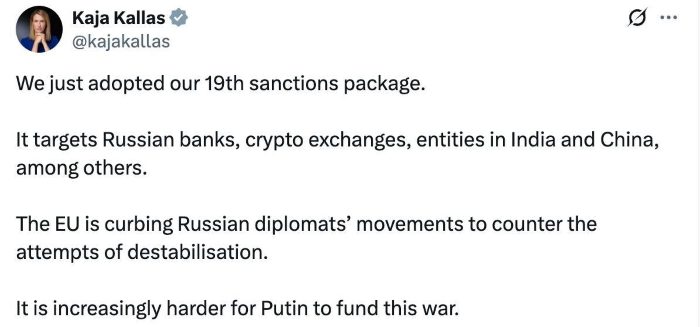
At the same time, the European Union has finally adopted its 19th sanctions package. It introduces a complete ban on the import of liquefied natural gas from Russia. The measures also target more than 100 vessels belonging to Russia’s shadow fleet and restrict the movement of Russian diplomats within the EU.
For the last moths, Russia has been challenging the tested the limits of patience by intensifying terror and rejecting all peace proposals, and finally there is a response to that.
Possible Outcomes of U.S. Sanctions
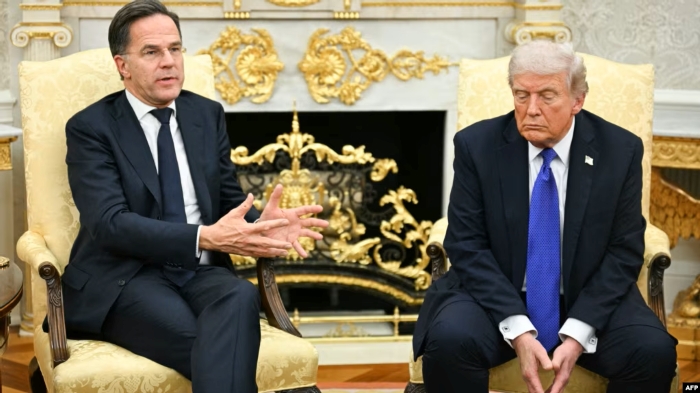
The planned meeting between Donald Trump and Vladimir Putin in Budapest will most likely not take place. Earlier, the Russian side claimed the meeting details had not been sufficiently prepared. Now, Trump has announced its cancellation—though he added that it might happen in the future. In response, Deputy Chair of the Security Council of the Russian Federation and former so-called president Dmitry Medvedev has already called the United States a “Russian enemy.”
Meanwhile, the news on weapons is less promising than in the economic field: Washington will not provide Tomahawk missiles to Ukraine for now. According to Trump, Ukrainian forces would need at least six months to learn how to operate them. Yet, Zelenskyy expressed his hope, as the sanctions were also not on agenda a few days before.
With sanctions now formally in place, Indian refineries appear indeed ready to sharply reduce their imports of Russian oil.
The EU’s 19th Sanctions Package
The new EU package complements the American one. Earlier discussions revolved around the issue of secondary sanctions, as the EU cannot easily sever economic ties with India or China. Nevertheless, organizations from both countries have been included in this package.
For the first time, the EU is also banning the cryptoplatforms, which Russia uses for manipulations with money to avoid restrictions. This complex package is designed to significantly limit Russia’s ability to finance its war.
Conclusion
Although the U.S. had been reluctant to impose new sanctions on Russia, a series of diplomatic humiliations and terrorist attacks on Ukraine instead forced American leaders to take decisive action. Even after the announcement, President Trump expressed hope that the sanctions would not last long and that the war could soon be “regulated.”
He also remarked that “it takes two to tango,” urging both Putin and Zelenskyy to be reasonable. Yet for any sustainable peace, even in the event of a ceasefire, Russia’s economy must be weakened to the point where it cannot rearm—otherwise, the pause would only serve Moscow’s interests. Nonetheless, the first official Russian reactions have been aggressive rather than conciliatory.