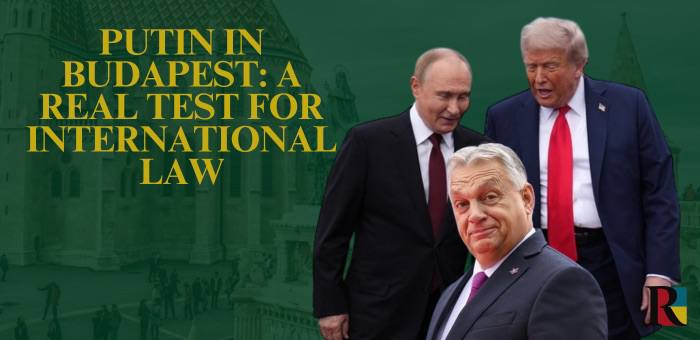


After a phone conversation between Donald Trump and Vladimir Putin, a meeting between the two presidents in Budapest was announced. The Hungarian president welcomed the initiative, writing on X that preparations were already underway.
This potential event raises even more concerns than the Alaska meeting for several reasons. Firstly, it would constitute a violation of international law, as Putin is subject to an arrest warrant. Secondly, it would represent a humiliation for the European Union, which has consistently sought to isolate the war criminal. Thirdly, the chosen location evokes the Budapest Memorandum signed in 1994, under which Ukraine gave up its nuclear arsenal in exchange for security assurances.
Dual Standards of Law
While debates continue over the use of frozen Russian assets and critics warn that doing so could set a dangerous precedent, Hungary now risks becoming the place that undermines the very concept of global justice. Hungarian authorities have already stated they will ignore the arrest warrant. More troublingly, for Putin to reach Budapest, he must enter EU airspace, as Hungary neither borders Russia nor has totally pro-Russian states between them to make such a trip unquestionable.
Hungary is currently in the process of withdrawing from the International Criminal Court (ICC) and has previously hosted Israeli Prime Minister Benjamin Netanyahu, who also faces an arrest order.
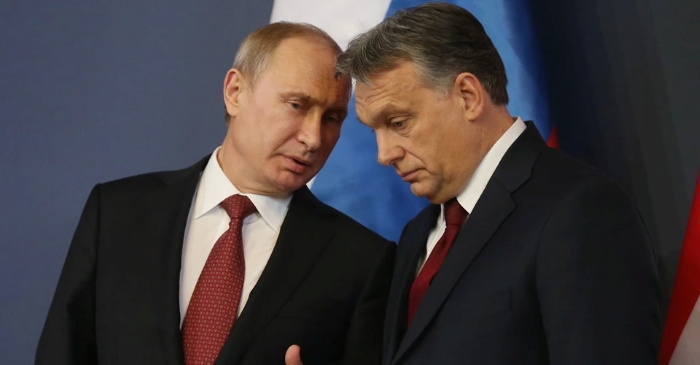
EU spokespersons have said that the bloc must support any steps that might lead to peace in Ukraine—therefore, they “welcome” such a meeting. Prime Minister Viktor Orbán, who called his country “an island of peace,” would likely benefit domestically from this campaign ahead of the upcoming elections. Despite the EU’s repeated insistence on being included in all peace initiatives concerning Ukraine, the collective EU will not be represented at the summit—though it will still be partially funded by the European Union.
Political Shift
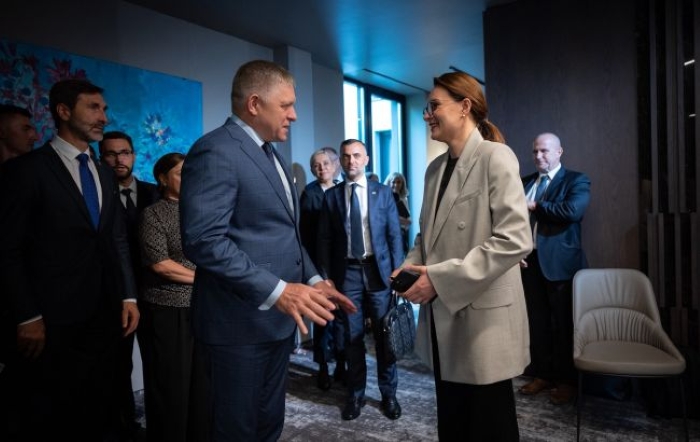
During the Ukrainian–Slovak intergovernmental consultations in Košice, Slovak Prime Minister Robert Fico expressed support for the Budapest meeting and even offered Slovakia’s help in organizing it. Such a swift reaction appears suspicious and leaves room for doubt whether the meeting was planned before it was publicly announced.
Noteworthy that in response to a journalist’s question about the choice of location, the White House press secretary gave a dismissive answer: “Your mom did.”
Conclusion
International law—and global stability—are facing serious threats. The powerful continue to dictate which rules can be broken and which must be upheld. Although the meeting has not yet been officially confirmed by both sides, the enthusiasm surrounding its preparation suggests it will likely take place.
Even knowing that a ceasefire would only allow Russia time to rearm—and that Putin would likely reject it anyway—the EU continues to follow Washington’s lead. Every decisive move by Ukraine’s partners is weighed through the lens of “avoiding escalation,” while Russia’s impunity is treated as a necessary compromise. In reality, every such “diplomatic” step only emboldens Russia, leading to even more shelling and destruction.