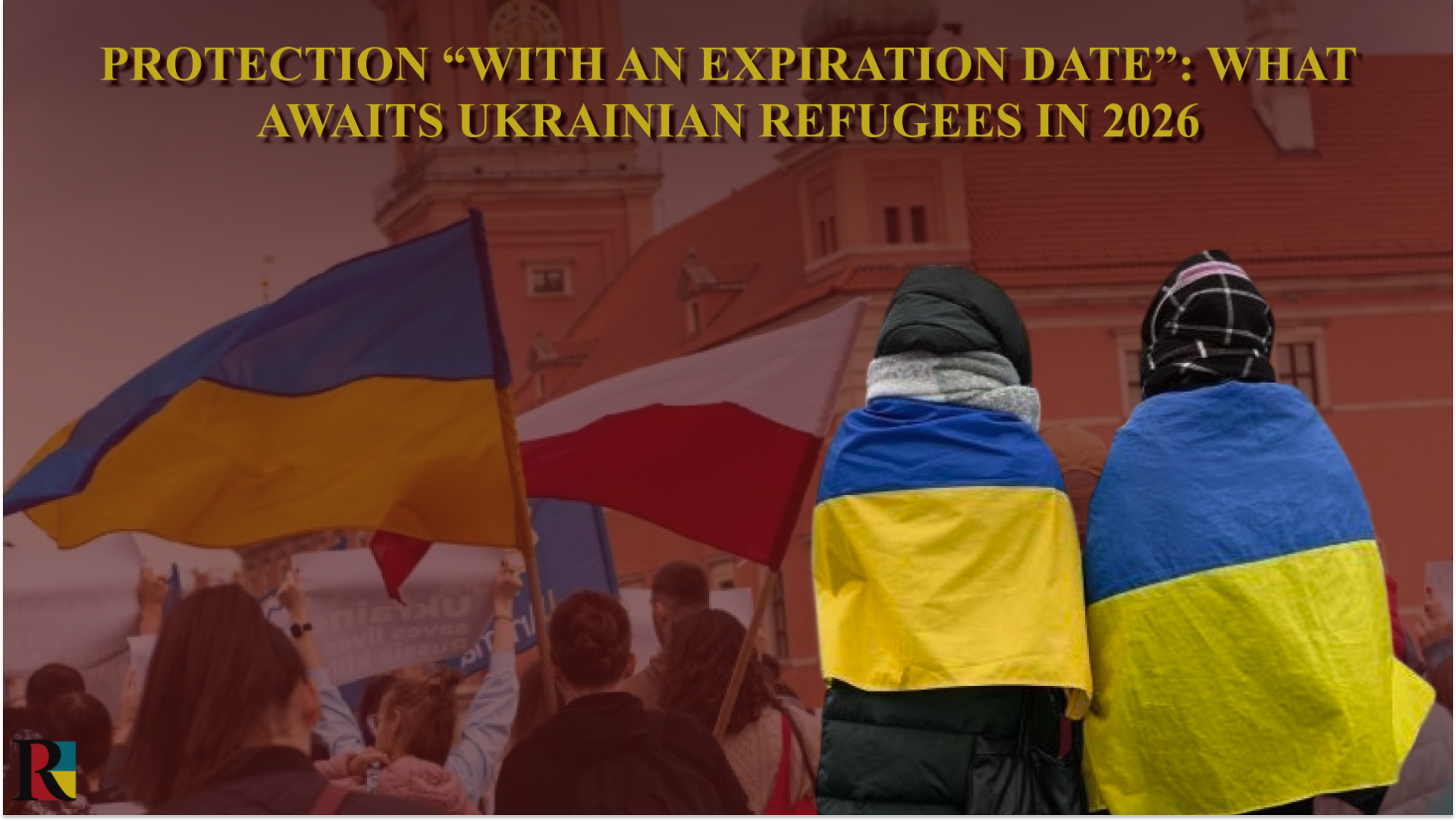


According to Ukrainian news, temporary protection for Ukrainian refugees in the European Union has been extended until March 2026. The European Union’s decision to extend temporary protection is binding on all EU member states.
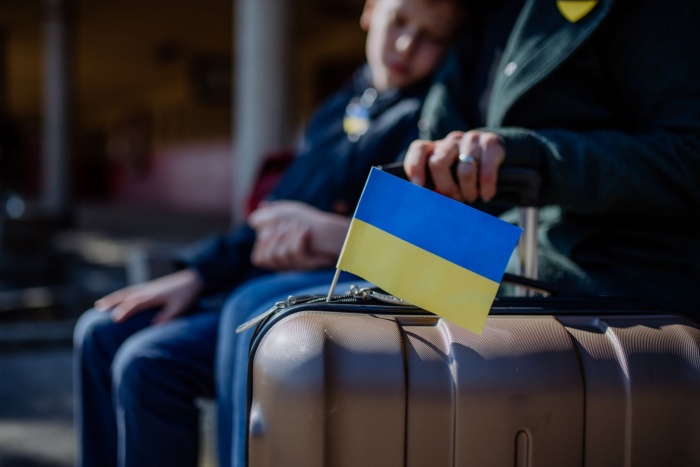
Temporary protection gives Ukrainians the right to live in any EU country (except Denmark), work, receive housing and medical care. Children and adults can study and receive social assistance.
At the same time, it is currently unknown whether the protection will be extended after its expiration on March 4, 2026.
The information that at the end of January 2025, the United States entered an indefinite pause in the consideration of immigration applications for Ukrainian citizens is alarming. In early March, Reuters reported that they plan to cancel the legal status of about 240 thousand Ukrainians. The decision may be made in April 2025.
Therefore, The Ukrainian Review analyzed whether the temporary protection program for Ukrainian refugees can really be completed, particularly during the Ukraine war now, and whether Ukraine itself is ready for the return of Ukrainian growth.
How the situation of refugees in Europe is changing
Daryna Marchak, First Deputy Minister of Social Policy of Ukraine, notes that as of the end of November 2024, there were about 5.2 million Ukrainian refugees outside Ukraine:
Most of them, 3.9 million people, are in the EU and North America, primarily in Germany (20%) and Poland (18%). Another 1.3 million are in Russia and Belarus. Among the refugees, the largest number are children and young women of working age.
Dariia Mykhailyshyna, a senior economist at the Center for Economic Strategy (CES), notes in the CES Ukraine podcast that the policies of different countries have changed:
It is worth noting first that although all Ukrainians who come to the EU countries have the right to receive temporary protection, all other policies regarding Ukrainians, what payments they will receive, what courses they should or should not attend, differ greatly from country to country.
For example, German policy is quite focused on the integration of Ukrainians – that is why in Germany the emphasis is on Ukrainians attending language courses, integration courses. When they attend them – they receive payments for going there.
Whereas, for example, in Poland or other countries, Ukrainians in principle either do not receive payments at all, or receive a fairly low level of payments, and they have to immediately look for work.
Also, the number of people receiving benefits has decreased in all countries:
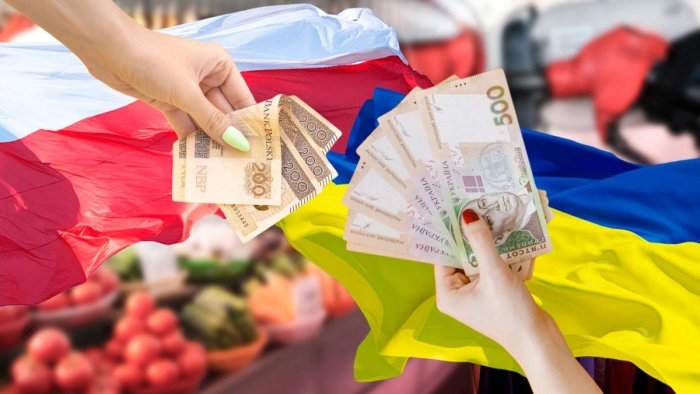
In Poland, compared to December 2022, the number of Ukrainians receiving benefits has decreased by almost 47%, that is, almost twice. In the Czech Republic – by 44%, and in Germany – by 9%.
As Daria explains, other countries are reducing the level of social benefits and the number of people who can receive them, partly because people find work, and partly because they cannot afford to continue paying these benefits:
And, for example, countries like Norway are afraid that their conditions are too attractive for more Ukrainians to come there, they do not want to attract additional people there. Therefore, the reasons are different, but the general trend is indeed in almost all countries to reduce social benefits.
How realistic is the possibility of canceling temporary protection
Jacob Kirkegaard, an expert on trade, economics and business at the Brussels branch of the German Marshall Fund, in an interview with Radio Liberty, expressed his sincere doubt that the EU will force Ukrainians to return home if the war in Ukraine is still ongoing when the directive expires. And political leaders of both the EU and the NATO Secretary General are convinced that it will not end soon.
Jacob Kirkegaard, a senior fellow at the Institute for International Economics, is convinced that other mechanisms will be invented to keep Ukrainians abroad until the end of the war:
I mean the restoration of full sovereignty of Ukraine over all parts of its territory. Including Donbas and Crimea. Until that happens, EU governments and the Commission will find ways to continue protection.
Oleksandr Volkov, a member of the board of the “Society of Ukrainians in Switzerland”, also notes that as far as he sees from the situation in Switzerland, the abolition of the status is not planned, but it is likely that it will not be extended after March 2026.
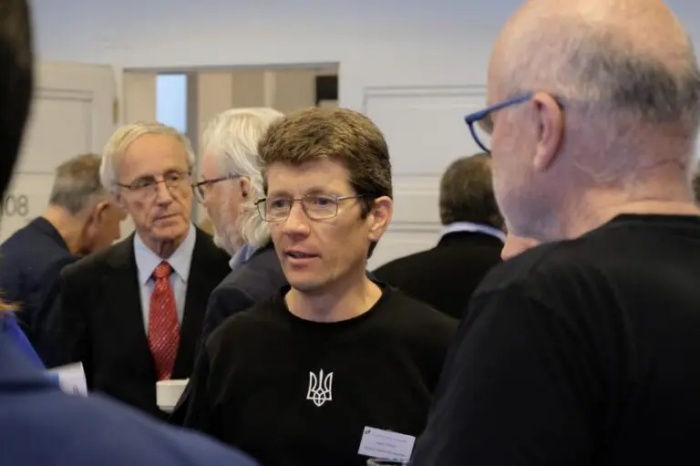
Vasyl Voskoboynyk, president of the All-Ukrainian Association of Companies for International Employment, also expressed the opinion on the air of Espresso that some EU countries are interested in Ukrainians staying in the EU and finding work:
Germany, Poland, the Czech Republic are interested in Ukrainians staying there. Because Ukrainians are not only dependents, they are primarily looking for work for themselves, they have children there who are studying and who can potentially become members of the societies of the countries where they are. And it is clear that it is better for these countries to attract Ukrainians than Syrians or residents of, for example, Asian countries.
Stanislav Zhelikhovskyi, Ph.D. in Political Science, an international expert, believes that Ukrainian citizens will still be able to stay in the United States:
But after a ceasefire is reached, especially a long-term one, this situation may change. I think that the Trump administration will look for different options to, perhaps, get someone out or somehow find support for such refugees.
In his opinion, if the rest of the countries realize that the Russian-Ukrainian war has not gone anywhere and is ongoing, there will be continued assistance or some opportunities for staying in the EU will be provided, although they may also undergo transformation:
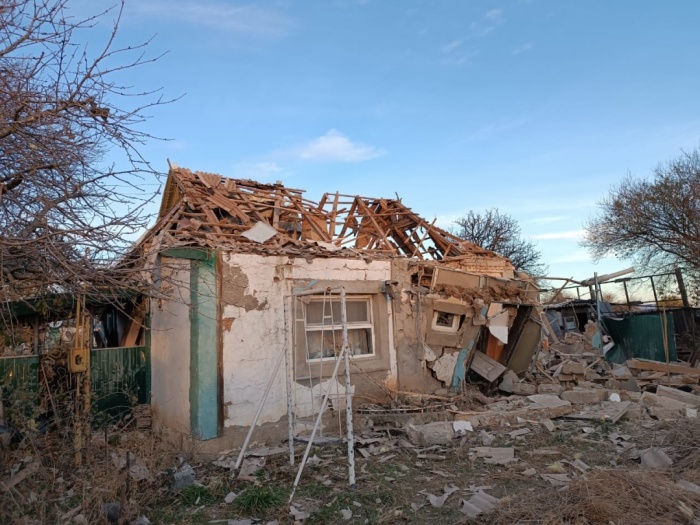
Because Ukrainians will not be able to return to their homes, for example, in the occupied territories or those homes that have been destroyed. But if some countries perceive the ceasefire as a full-fledged peace, then, perhaps, there will be some stories related to a sharp anti-migration policy.
At the same time, he believes that there may be some changes and Ukrainian citizens should be prepared:
Especially those who are not legally present (both in the USA and in European countries). Although we must understand that Donald Trump may increase migration pressure, even on those citizens who are more or less legally present, but are not US citizens. However, given the occupation and the time needed for reconstruction, Trump may not do this. Official Kyiv will work harder here.
Consequences of the abolition of temporary protection for refugees from Ukraine in the EU
Inna Dashyvets, a researcher of the Ukrainian cultural space, believes that if the EU does not extend temporary protection after 2026, it will create significant challenges for millions of Ukrainians:
They may lose legal status, access to work, housing and social services. Although some will be able to stay thanks to work or study visas, the question of their future status remains open.

At the same time, the EU will most likely find a mechanism to continue support, because many Ukrainians have already integrated: they work, pay taxes, open businesses and become part of local communities:
For the countries that have accepted the most refugees, in particular Poland and the Czech Republic, retaining these people is beneficial. At the same time, for those who, for various reasons, could not adapt and continue to receive social assistance, stricter requirements or alternative solutions may appear.
Oleksandr Volkov emphasizes that Europe is interested in retaining economically active migrants. While the future of those who still depend on social benefits remains a matter for discussion:
In this case, only those who have a permanent job, or at least are close relatives of someone who has such a job, will have a good chance of staying in Switzerland for a long time. Switzerland will encourage the return of Ukrainians to Ukraine with cash payments, which will be designed in such a way that those who agree to return immediately will receive more money. Those who wait until the last minute will receive more.
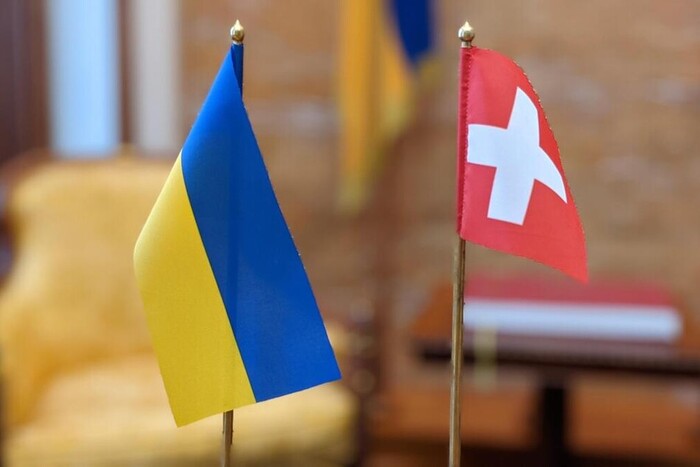
According to him, quite a few unemployed Ukrainian refugees will still try to stay by applying for political asylum:
But success here is illusory, and a lot will also depend on the situation in Ukraine and the agreements between the governments of the countries. And finally: refugees who arrived in Switzerland at an advanced age, if they stay in Switzerland without a job, will doom themselves to a very low pension by Swiss standards. Simply because they will not have accumulated enough retirement capital.
All these factors will put pressure on older people to return. But capable young people who can find work will have a good chance of staying.
The impact of refugees on the economies of host countries
The Organization for Economic Cooperation and Development (OECD) has estimated that Ukrainian refugees add +1.2% to the GDP of the Czech Republic, Poland and Estonia every year, and about +0.8% to the GDP of Hungary, Latvia, Slovakia, Lithuania and Romania. Even in the UK, the impact on GDP is +0.2% per year.

In the first half of 2024, Ukrainian refugees paid almost twice as much in taxes to the Czech budget as the state spent on their support: In total, the income from refugees amounted to 11.7 billion crowns (about 465 million euros), while the expenses were only 7.3 billion crowns. This was reported by the Czech Ministry of Labor and Social Affairs.
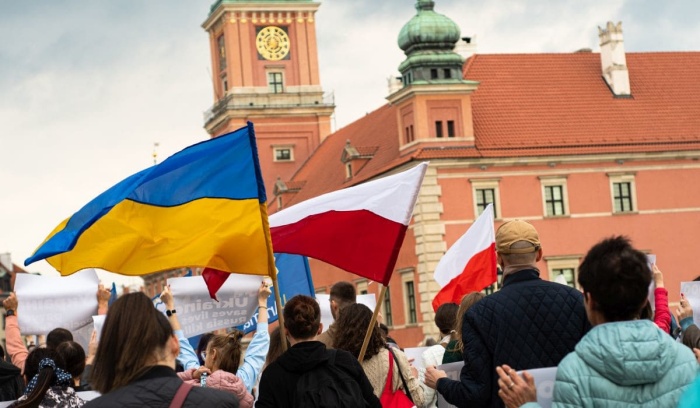
In 2024, Ukrainian migrants contributed PLN 15.1 billion ($3.9 billion) to the Polish state budget, which is five times more than the country spends on supporting them. In addition, according to the Center for Migration Studies at the University of Warsaw, employed Ukrainian refugees have already paid about PLN 10 billion in taxes to the Polish budget.
Will Ukrainians return home
According to a recent study by the Center for Economic Strategy (CES) based on a sociological survey by the Info Sapiens agency, only 31% of refugees are currently planning to return to Ukraine. Back in January 2024, 34% of refugees were inclined to return home, in May 2023 – 41%, in December 2022 – 46%.
Daryna Marchak, First Deputy Minister of Social Policy of Ukraine, confirms that the share of those planning to return is showing a downward trend:
The reason is the growing adaptation of Ukrainians to life abroad and uncertainty about the end of the war in Ukraine. According to CES estimates, today less than half of Ukrainian refugees declare their intention to return home. The main reasons that prevent them from returning are the security situation, destroyed housing, and difficulties with employment.
Daria Mykhailyshyn, a senior economist at CES, believes that people have adapted to life abroad and are starting to like it.
Economist and migration expert Andriy Haidutsky believes that after the end of a full-scale war, a maximum of 2 million people will return in the first year – mostly the elderly:
Perhaps children and those who are at the end of their migration cycle, that is, have achieved their goals abroad. The migration cycle usually lasts from 3 to 15 years.
Andriy Haidutsky also commented to Ukrinform that limiting social payments to Ukrainian refugees abroad will not force them to return home:
In every family, there will be someone who will work and support others. People have passive income, savings. According to the balance of payments, every month Ukrainians transfer about a billion dollars abroad (this refers to the movement of funds on their cards – ed.), this is most likely related to their maintenance. People support themselves if not with social assistance, then with income in Ukraine (from renting out their housing). Or men transfer money for their families.
According to the expert, Ukrainians are quite flexible and mobile, and if a country becomes unattractive for political reasons, they will move to another one that is ready to provide support.
Is Ukraine ready for the return of refugees and what needs to be done
Daryna Marchak, First Deputy Minister of Social Policy of Ukraine, says that last year the Government approved the Strategy for Demographic Development of Ukraine until 2040, which laid out long-term measures to overcome military challenges and strengthen demographic stability:
The goal of the strategy is to create conditions for Ukraine to become a reliable home for Ukrainians in Ukraine and a magnet for Ukrainians who have left abroad. These conditions include the presence of physical and psychological security in the country, affordable individual housing, the opportunity to find a job in a specialty with decent pay, developed barrier-free infrastructure, and social cohesion of society.
Stanislav Zhelikhovskyi notes that although Ukraine is in favor of our citizens returning, they must understand that Ukraine may not yet create enough jobs for such citizens:
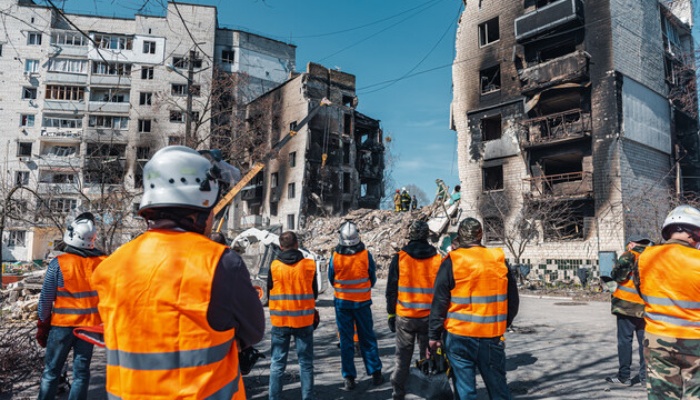
It all depends on how everything happens in Ukraine. If, for example, there are investments, new businesses are launched, etc. – there will be jobs. If not – the return of our citizens can very much collapse the labor market in Ukraine.
Oleksandr Volkov emphasizes that strategically Ukraine needs to do everything related to potential accession to the EU:
Improving the quality of Ukrainian institutions, infrastructure, increasing welfare. Investments from Europe are very important. Tactically, Ukrainians in Ukraine should be prepared for the arrival of a large number of people with additional experience, which can be very useful if they listen to it.
Ukrainian communities that are already building ties with communities abroad will also benefit now – they will be able to absorb useful foreign experience:
The main thing for both sides to understand is that people who may have been well acquainted before will meet again, but have changed a lot in 3-4 years. Some have learned something abroad, have gone through the need to settle in a completely new place. Others have lived through the war with all its challenges and hardships. Both sides will need openness and patience to “get used to” each other again.
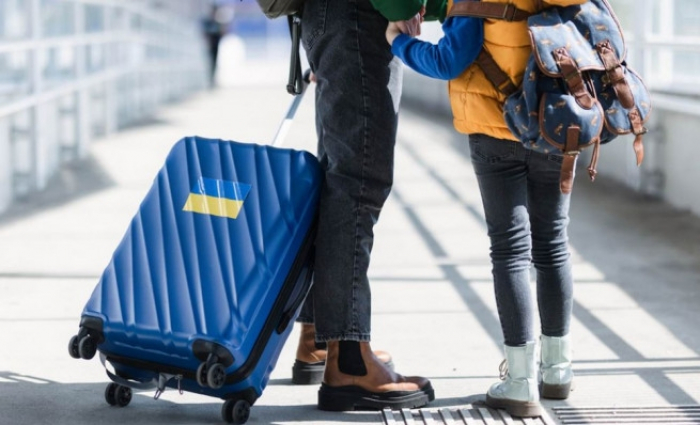
Senior economist at the Center for Economic Strategy Dariia Mykhailyshyna noted that the Center has developed certain recommendations, some of which can be done now, some after the war, so that people can return to Ukraine.
The main proposal is to provide Ukrainians with freedom of movement on a par with EU citizens. This would allow them to return to Ukraine without fear, knowing that they can leave at any time. Currently, many people are afraid of losing social benefits or the opportunity to return to the EU. Daria noted that if Ukraine joins the EU, such freedom of movement will be inevitable, so it should be introduced earlier.
Other recommendations include:
- Rebuilding the regions so that there is somewhere to return.
- Providing housing for those who left the affected areas through public-private partnerships.
- Retraining courses so that Ukrainians can work in Ukraine, not only in the EU.
- Simplifying the return of children to educational institutions without additional exams.
- Easier admission to universities for those who graduated from school abroad.
And the last thing is cooperation with EU countries in the return of Ukrainians. That is, we need to convey to European partners that the more Ukrainians return to Ukraine, the more the Ukrainian economy will grow and the less money we will need from the European Union for recovery, reconstruction, reconstruction, and so on. That is, the return of Ukrainians is a kind of help that they can do to help us.
***
The future of temporary protection for Ukrainians in the European Union after March 2026 remains an open question. Experts point to factors that may influence the decisions of EU countries: the duration of the war, the economic integration of refugees, and the political situation.
In general, the probability of a complete abolition of protection seems low, especially if the war continues, but support mechanisms may change, becoming more selective and dependent on the economic activity of migrants.
Studies also show that Ukrainian refugees have largely become an economic asset for host countries, generating more tax revenues than costs for their support. This creates an incentive for European countries to keep employed Ukrainians.
Anya Ostymchuk