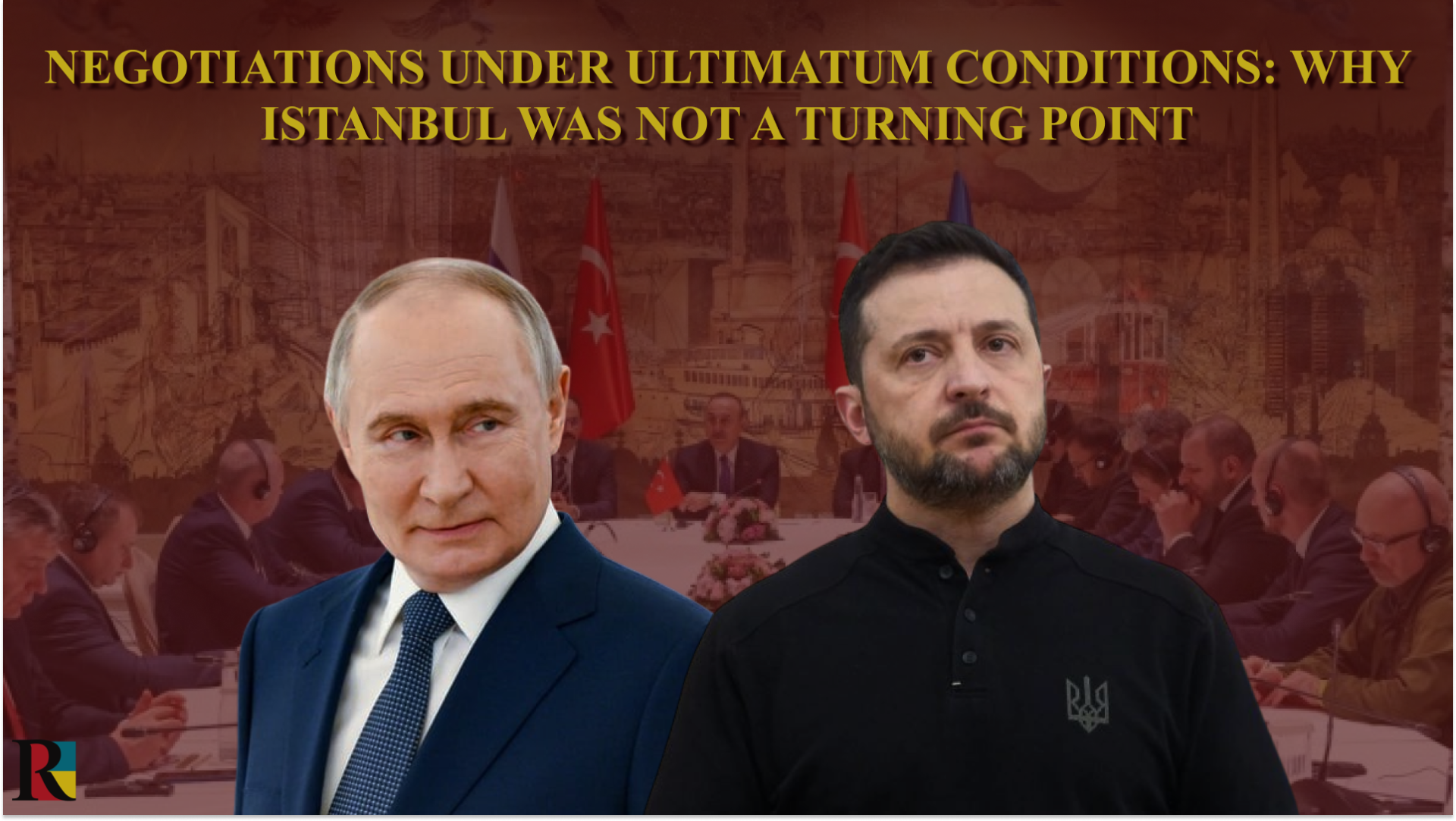


According to Ukraine news, on May 16, the first direct talks between Ukraine and Russia since 2022 took place in Istanbul. The Ukrainian delegation was led by Defense Minister Rustem Umerov, and the Russian delegation was led by Putin’s aide Volodymyr Medinsky.
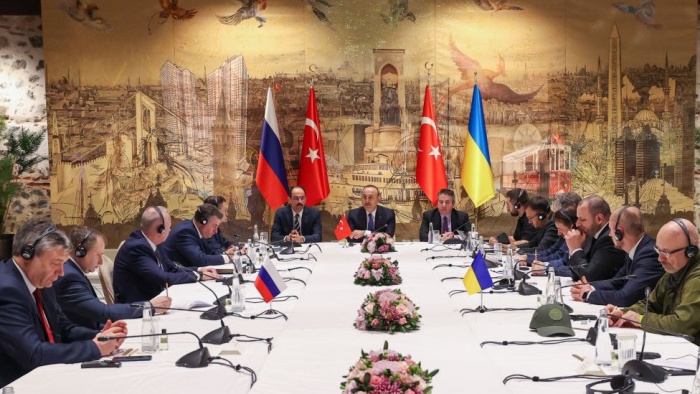
During the talks, the parties reached a preliminary agreement on the next meeting to stop war in Ukraine today. At the same time, Russia put forward tough conditions – in particular, the demand to withdraw Ukrainian troops from territories not occupied by it militarily, and threatened to attack the Kharkiv and Sumy regions in case of refusal. The Russian delegation also declared its readiness to fight “for years” in war in Russia and Ukraine.
It should be noted that on the eve of these talks, Ukraine offered Russia a comprehensive 30-day ceasefire in Ukraine war now, which Moscow effectively rejected. Zelenskyy also offered a personal meeting with Russian President Vladimir Putin, but he refused the offer.
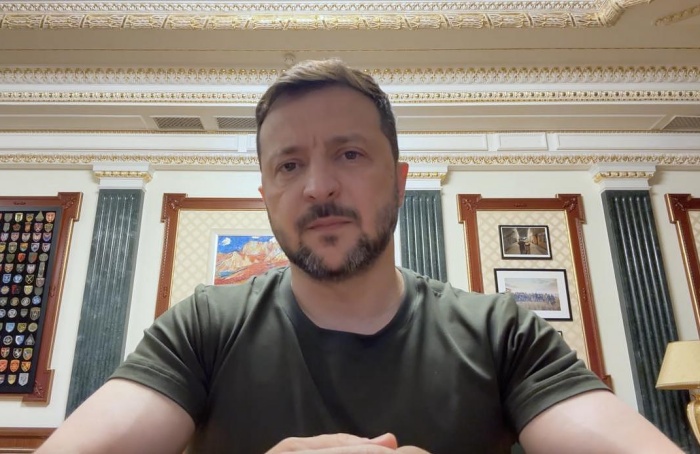
Thus, Ukraine, together with European leaders, took a step towards ending the war started in Ukraine and wanted to show Donald Trump who really does not want it to end. It was expected that after this the US would start to put pressure on Russia, including sanctions.
However, Trump had a direct telephone conversation with Putin on May 20, after which, according to The Washington Post, “Trump refuses ceasefire and allows fighting to continue.” The Russian news agency RIA Novosti published an article with the headline “Europe’s hopes dashed: Trump refuses to fight Putin”.
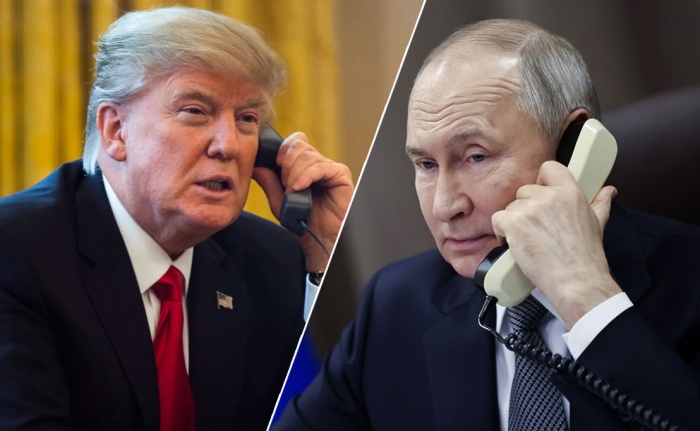
We will analyze in more detail the consequences of the Istanbul talks and what to expect further.
Istanbul Talks: What are the Conclusions
Denys Sigay, author of the international politics channel and producer of the Ukrainian news portal Liga.net, believes:
Russia will continue to drag out the process, aiming to personally exhaust Trump, who is eager for quick victories and fears the senseless routinization of reconciliation between Ukraine and Russia in his first 24 hours in office.
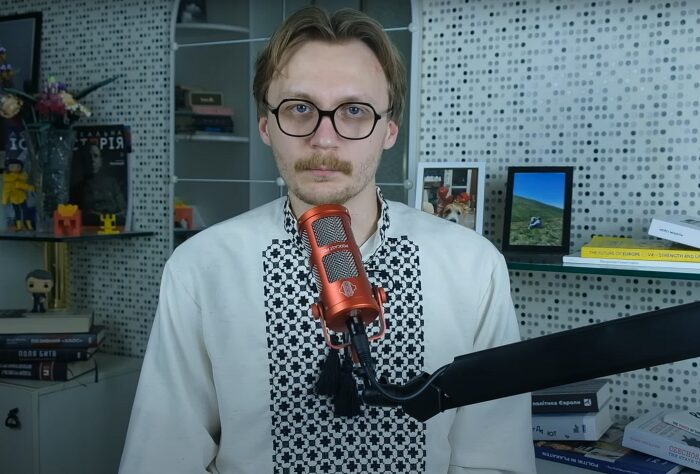
Michael Kofman, a senior fellow at the Carnegie Endowment, also believes that at this stage of the war, Russia does not have strong incentives to agree to an end to the war.
Botha Ilias, a senior analyst at the strategic intelligence firm Prism in London, says:
Putin felt more confident about being able to make maximalist demands on Ukraine without serious resistance from the Trump administration.
Bloomberg, citing a Kremlin source, believes that Putin is confident that his troops will be able to break through Ukraine’s defenses by the end of the year and completely seize the four regions that he has declared part of Russia:
That means the Russian president is unlikely to offer Trump any significant concessions, and European officials fear that Trump may try to force a deal that is disadvantageous to Ukraine. Despite talk of a ceasefire, Putin is ready for a protracted war if necessary to achieve his goals and is calm about the prospect of new American sanctions.
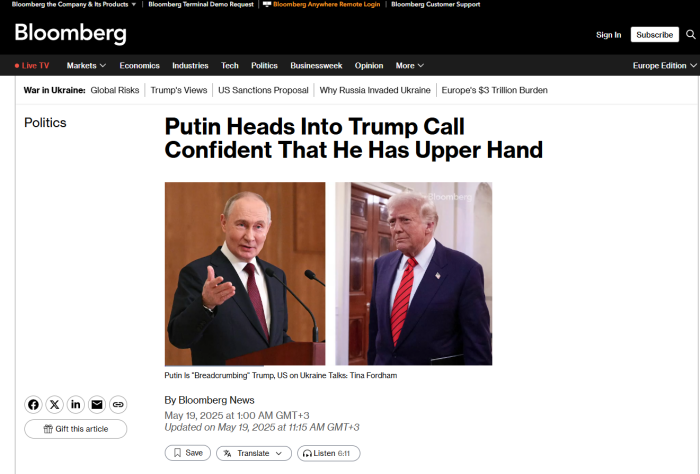
Bloomberg, citing people familiar with the negotiations, writes that Donald Trump has told European leaders that he is confident that Russia will win the war against Ukraine.
Meanwhile, Ben Barry, a senior researcher on ground operations at the International Institute for Strategic Studies, believes that the likelihood of Russia taking over four regions of Ukraine by the end of the year is very low:
If the Ukrainian defenses collapsed, it would be very easy to gain that advantage, but at the moment such a scenario seems unlikely.
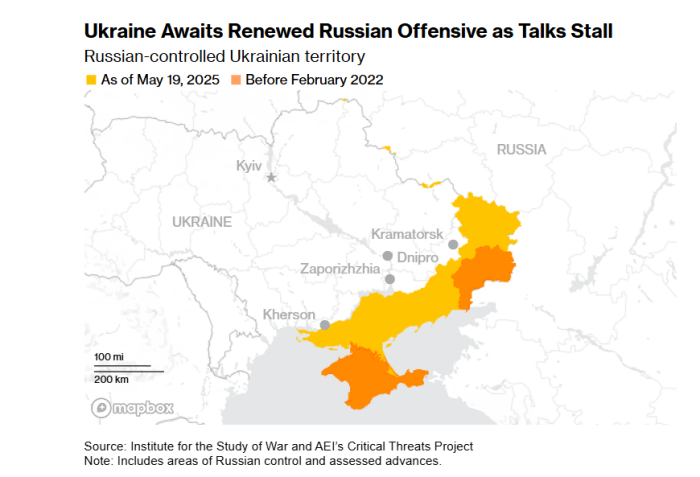
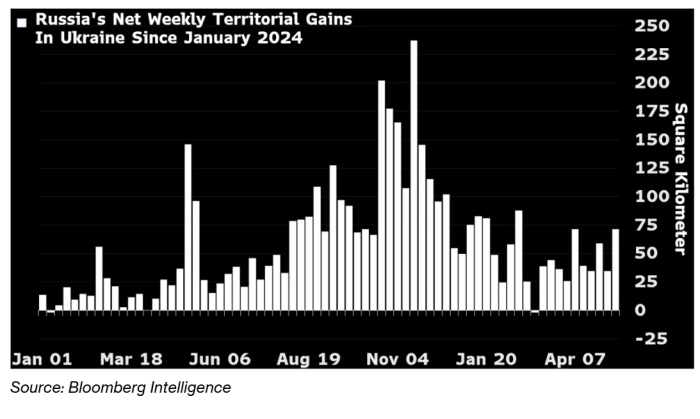
But Battlefield data shows that despite its numerical superiority in manpower and steady support, Putin’s army has so far failed to achieve its military goals. According to open-source data compiled by the mapping service DeepState, the pace of the Russian offensive in eastern Ukraine has halved since the beginning of the year compared to the last months of 2024.
Also, according to open data analyzed by Bloomberg, Russia has seized only 0.15% of Ukraine’s territory since the beginning of the year. Even in the eastern part of Donetsk Oblast, where the fiercest fighting is taking place and which has been partially occupied for more than a decade, Moscow has still not been able to establish full control. At the current pace of Russian advances in Donetsk Oblast, which is slightly smaller than Belgium, it could take several years to fully capture it.
Jack Watling, senior fellow for ground warfare at the British think tank RUSI, said the US diplomatic retreat was playing into Putin’s hands:
Russia cannot sustain operations indefinitely, but for now Moscow believes its leverage over Ukraine will grow over time. And with Trump making it clear he will walk away from the talks, the Russian military is set to step up its operations.
The War Continues: What to Expect Next
American journalist David Ignatius, in a column for The Washington Post, notes that the biggest problem is that Putin shows no signs of wanting peace:
He still wants to win. It’s his belief that Ukraine cannot be the European country it wants to be, but must remain under Russian control.
Donald Trump is also convinced that Russia is a potential source of economic growth for the United States. He has again stated that Russia has “unlimited potential” for job creation and enrichment.
Another misconception is that a weakened Ukraine can be forced to surrender. Trump has repeatedly told Zelenskyy that he “has no trump cards.” However, Ukraine has a strong advantage – support from Europe.
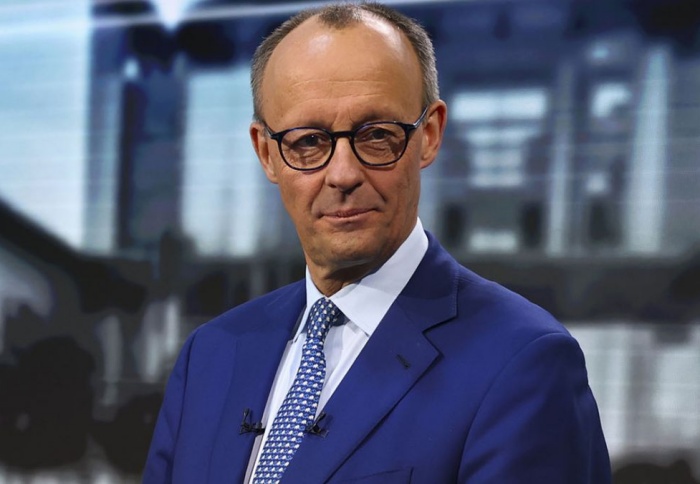
Trump will not be able to impose an unfavorable peace agreement on Ukraine, because its European allies are ready to resist and are already strengthening their defenses. For example, Friedrich Merz announced plans to increase German defense spending to 5% of GDP and make the Bundeswehr the strongest army in Europe.
Ukraine could reach an acceptable agreement with Russia if Putin sees that Kyiv is ready to continue the fight – with European support and minimal but important US assistance, such as satellite reconnaissance. Zelenskyy’s representatives in Kyiv have said they want Trump’s peace initiative to work, but are also preparing for its failure.
Oleg Berezyuk, president of the Institute of Global Policy, is convinced that the Istanbul talks were not productive:
Putin is stalling. He has changed tactics. He has moved from a blitzkrieg to a war of attrition. Such actions could have succeeded if Ukraine had been left alone with Russia.
He also notes that Europe is not at all interested in the revival of the Russian Empire, which will certainly happen if Ukraine loses the war:
Authoritarian Russia can again become the “gendarme of Europe”, as it has happened more than once in history. As for the independent geopolitical and security role, both the human resources, and the economic, and the military potential of the EU countries give grounds to assert that Europe is already a powerful geopolitical player and cannot be ignored.
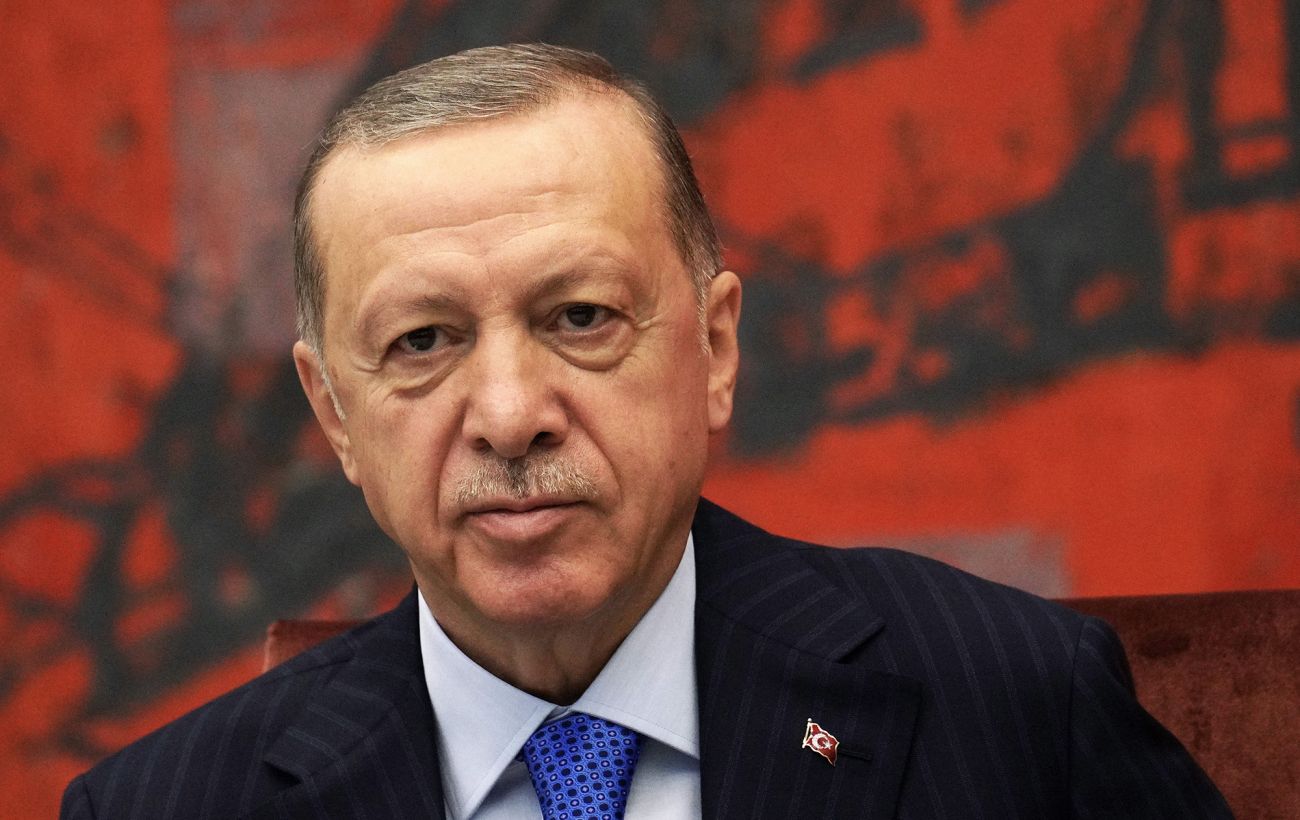
In addition, there is another powerful geopolitical player in the Baltic-Black Sea-Caspian region – Turkey:
If the EU, Turkey and Ukraine, based on common interests, can develop the same approaches to security policy and begin to coordinate their actions, then together they will be able to solve any issues, and not only at the regional, but also at the global level.
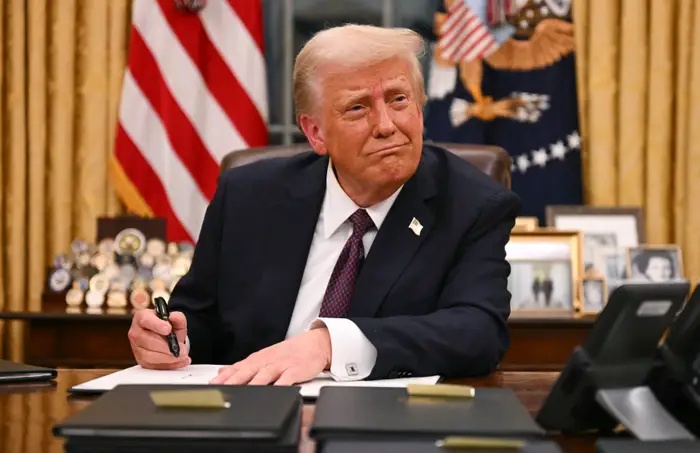
However, Trump, in turn, is not interested in the defeat of Russia:
Because it expects that it can become an ally of the US in the confrontation with China. I believe that Trump is mistaken here, because the Russians seek revenge and the restoration of their influence in the international arena. In addition, the Americans and Russians are direct antipodes on a mental level. They are completely different, and therefore in the long term they will not be able to cooperate for a long time. The union of the Russian Federation and the US may be short-term and situational.
Therefore, Trump’s diplomacy in relations with Russia also has no prospects:
The US’s refusal from global leadership will most likely end with the creation of a European army, dominated by Germany, France and Great Britain, and in the long term, possibly Ukraine.
In general, Oleg Berezyuk notes that in the future it should be expected that the Russian Federation will lose the war of attrition, and new military-political alliances and blocs will begin to form in the Baltic-Black Sea-Caspian region to counter the aggressive foreign policy of the Russian Federation.
***
The Istanbul talks between Ukraine and Russia have shown that Moscow is not interested in a real end to the war, but is only trying to impose surrender conditions on Kyiv, using diplomatic platforms for pressure.
At the same time, Donald Trump’s position has become a worrying signal for Europe, which is increasingly taking the lead in deterring Russian aggression. Despite the difficult situation, Ukraine has a chance to end the war without surrender thanks to the support of its allies.
Anna Ostymchuk