

Sanctions, financial isolation, and restrictions on transactions
The disconnection of Russian banks from SWIFT has significantly complicated standard international settlements in dollars and euros. Russia has been forced to seek alternatives: from using national currencies (such as the yuan) to barter schemes and the direct exchange of raw materials or agricultural products for goods and services. As cited in Reuters:
“Wheat is exchanged for Chinese cars, and flax seeds for building materials and equipment due to Western sanctions and Chinese banks’ fears of secondary restrictions.
After Russia was cut off from SWIFT, settlements in dollars and euros almost ceased; now deals are made on the principle of ‘grain for cars’ or ‘raw materials for services.’
Barter recalls the chaos of the 1990s, when entire industries functioned on exchange, and fraudsters made huge fortunes, making it difficult to determine the real value of goods.”
Barter
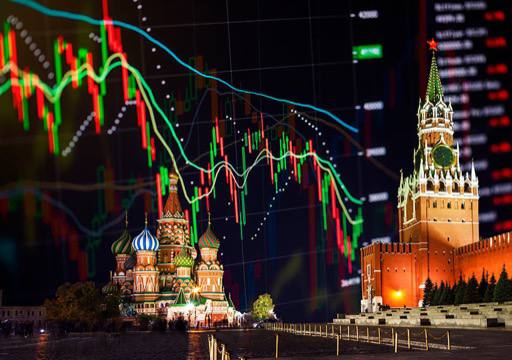
Barter as a forced alternative is a sign of deep problems in financial channels. On one hand, it allows trade to continue; on the other, it seriously undermines normal mechanisms of pricing, credit, and financial reporting.
The parallels with the 1990s are appropriate: back then, enterprises often exchanged goods or raw materials, which fueled corruption, hidden accounts, and false valuations. Under war and sanctions, barter is no longer a marginal occurrence but part of the system, weakening trust, efficiency, and creating additional risks.
Inflation, high interest rates, budget deficit
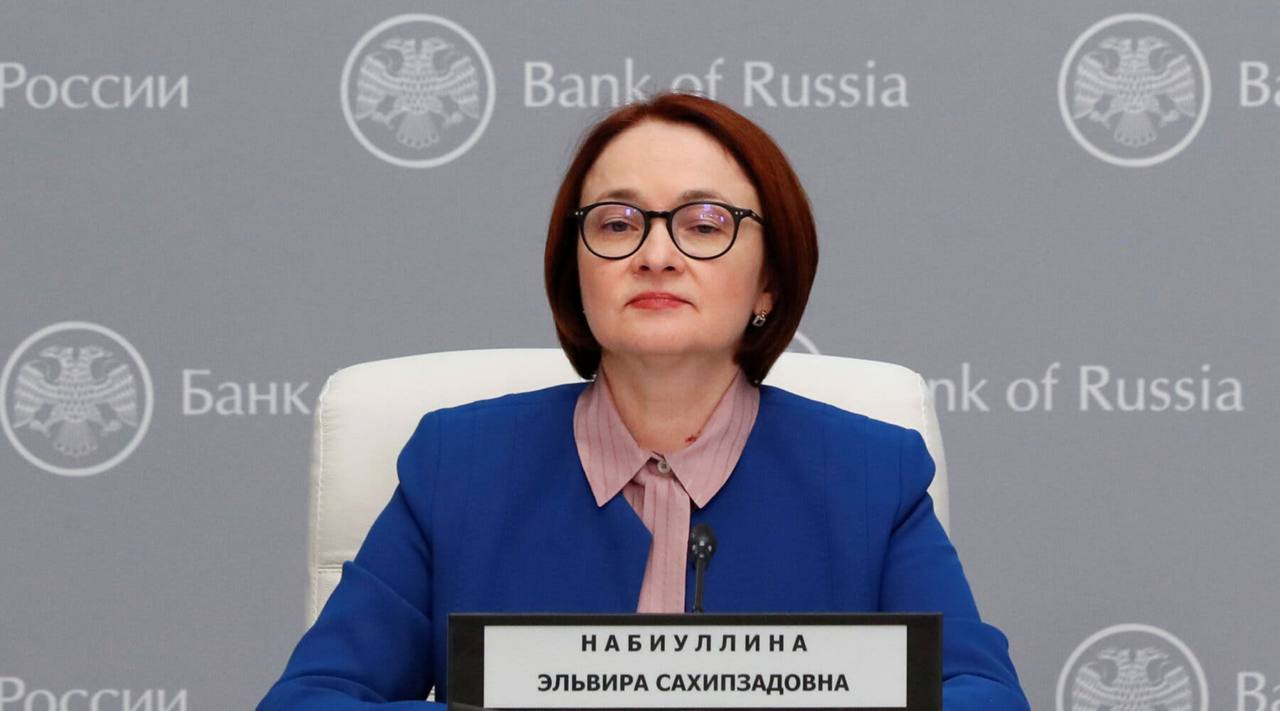
Inflation in Russia reached about 9.5% in 2024 and remains high in 2025. To curb inflation, the Central Bank keeps its key rate around 20–21%, which suppresses investments in most civilian sectors. At the same time, the budget deficit continues to grow: partly due to military spending, partly because revenues (especially from energy exports) are under pressure from sanctions and lower market demand.
Russia’s economy still relies heavily on oil and gas revenues. Yet under sanctions, it has lost a large portion of the European market and is forced to sell with discounts, through intermediaries, or to less profitable destinations. Falling global energy prices add further risks. Many industries (from machinery to civilian production) face severe export restrictions.
Demographic and labor challenges
A significant part of the working-age male population has been mobilized or is involved in combat, while others have left the country. This has led to labor shortages and the loss of skilled professionals. Enterprises report that a lack of workforce is now a central issue.
Due to sanctions, financial instability, high risks, and weak technological partnerships, investments in productive sectors are declining. This accelerates stagnation and widens Russia’s technological gap.
Forecast for 2025–2027
In 2025, Russia’s GDP growth is expected to slow to around 1.0–1.5%. In 2026, growth may weaken further to approximately 1.2–1.8%, or even less if negative shocks such as falling energy prices or tighter sanctions materialize. By 2027, unless there are major geopolitical shifts or partial relief of sanctions, Russia’s growth will likely remain around 1–2%, with a strong probability of stagnation or decline in specific sectors.
Conclusion
The Russian economy has shown a surprising level of resilience: energy revenues, demand from certain partners, and heavy budgetary spending provide temporary relief. But the fundamental problems have not disappeared — they are merely masked by war-driven stimulus.
The barter practices mentioned in the Reuters article are a clear sign that the usual mechanisms of a functioning economy — market pricing, stable financial channels, integration into global markets — are breaking down. Such arrangements may sustain activity for a time, but in the long run they distort incentives, inflate transaction costs, and breed corruption.
Unless Russia manages to secure at least partial sanction relief, adopt a more sustainable fiscal policy, and stop the erosion of its human capital, its economy is almost certain to remain in stagnation, with the risk of slipping into gradual decline.
Team of The Ukrainian Review