

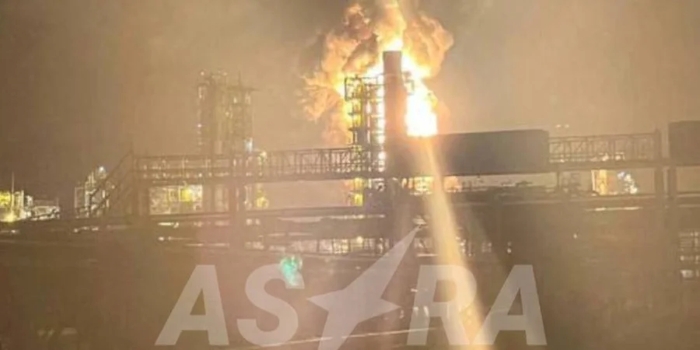
On the night of September 14, 2025, Ukraine attacked another oil refinery in Kirishi, located about 600 km south of Moscow and nearly 800 km from the Ukrainian border. Explosions caused a large-scale fire. Alongside at least 13 attacks in August, the Russian oil and oil products market suffered significant damage. The Kirishi refinery, for example, is the second largest in Russia by capacity, processing over 20 million tons of oil per year. The attack was carried out by drone operators from the 14th UAS Regiment in coordination with units of the Special Operations Forces. The frequency of strikes in August-September set new records; previously, the last comparable activity was in January, when there were seven attacks.
Internal Market Problems
Fuel shortages primarily affect Russian civilians, as the government prioritizes military needs. While social media complaints are unlikely to trigger mass disobedience, long queues and scarcity remain destabilizing factors. In late summer, Crimean collaborator Sergey Aksyonov predicted that the situation would stabilize within months and resolve completely after the so-called “Special Military Operation”, as they name the war, underestimating the risk of further attacks. These strikes also complicate frontline logistics, buying Ukrainian defenders valuable time.
Export Impacts
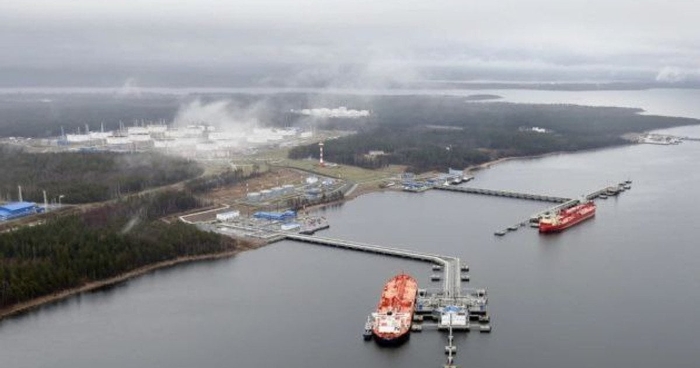
On September 12, Ukraine also struck the largest oil-loading port in Primorsk. Such attacks reduce revenue that fuels the Russian war effort. In response, the Russian government imposed a temporary ban on motor petrol exports from September 1 to October 31, 2025. According to the International Energy Agency, August attacks removed about 250,000 barrels per day (5%) of Russia’s refining capacity. While this percentage may not seem critical, the resulting disruptions are clearly visible in the market.
The Institute for the Study of War noted that these strikes are likely to push up inflation and exacerbate Russia’s macroeconomic instability. On Monday, September 15, oil prices increased following the Ukrainian attacks. Reuters highlighted rising U.S. fuel demand. Notably, President Trump has also recently claimed that he was ready to impose “major” sanctions on Russian oil, provided all NATO members did the same. This situation may encourage other countries to accelerate diversification away from Russian oil.
Conclusion
With delays in sanctions vital to Ukraine, attacks on Russian oil infrastructure remain the most effective way to weaken the key economic sector supporting Russia’s war machine. These strikes restrict exports, complicate logistics, and create civilians discomfort. They also demonstrate the effectiveness of long-range drone technology, in which international partners are interested in. After a lull since winter, a new phase of attacks has begun, targeting top-priority sites. Some governments` fear of losing fuel resources must be weighed against the dangers of Russian aggression toward NATO.