

One of the reasons Putin does not want to freeze the war is his concern that criminals recruited to fight will return to Russia with new psychological problems and a willingness to commit atrocities at home. Reuters highlighted this in an article that opened with a telling example: Azamat Iskaliyev killed his spouses twice — after the first killing he was pardoned in exchange for military service, and after returning he killed again. Such stories are not rare in Russia.
When veterans are set free
After every war, there are problems reintegrating soldiers to a certain extent, regardless of location. Following the Soviet withdrawal from Afghanistan in the late 1980s, the state largely failed to integrate demobilized soldiers. There was a massive increase in alcoholism, drug addiction, and social maladjustment; some veterans ended up in criminal circles. The Russian government’s current fears are thus historically grounded. They also never fully learned the lesson of World War II, when, for example, veterans with amputations were hidden away so as not to “distort” the state’s public image — a policy mirrored in the lack of inclusive infrastructure in many countries once under Soviet control.
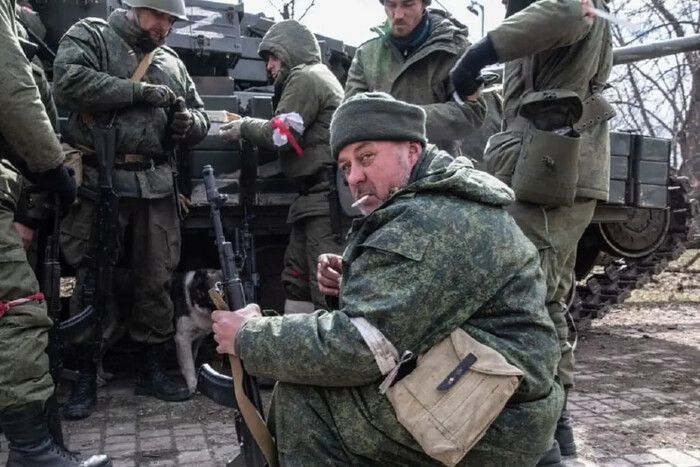
The nuance of a modern Russian-Ukrainian war is the exceptionally high amount of convicted felons in Russian army.
Is it the same with Ukrainians?
Since 2024, Ukrainian prisoners have also been allowed to join the defence forces voluntarily. The key difference is that candidates convicted of mass murder, rape, or crimes against Ukrainian state security are excluded. This is reflected in the numbers: as of April 2025, the Ministry of Justice reported about 8,000 such soldiers in Ukraine, while on the Russian side Ukrainian intelligence estimates around 180,000 by the end of 2024.
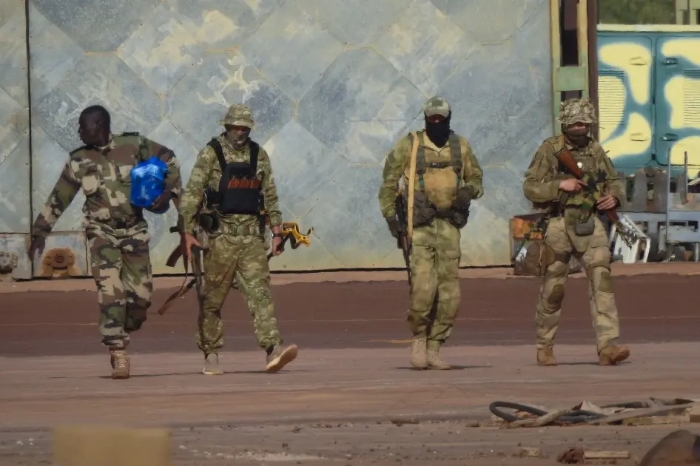
The practice was first popularized by the Wagner private military company, whose leader, Yevgeny Prigozhin, officially died in an accident – or, more plausibly, was eliminated. Superiority and chauvinism became part of Wagner’s “brand,” extending far beyond war crimes in Ukraine. Human Rights Watch reported that together with Mali’s army they committed atrocities against the Fulbe people, killing at least 12 civilians in less than a year.
Returning to Ukraine, a 2024 report from the National Police noted a decrease in murder crimes. However, what cannot be ignored is the increase in mental health issues – particularly anxiety, depression, and insomnia – among combat veterans. According to the 2024 study “Up-to-date Comorbid Anxiety and Depressive Syndromes among Servicemen Participating in Combat Operations,” the prevalence of depressive disorders among such servicemen is 44%. The sharpened sense of injustice — if Russia is not defeated or if sanctions are lifted — could exacerbate these problems significantly. This is important for Ukraine’s partners to consider when discussing potential negotiations.
Conclusion
The Russian government is afraid of its own soldiers, who have been primed for violence by propaganda and recruited from prisons. Reintegration of combat personnel is one of the most common challenges after any war. Yet Russia, as a state acting against peace, is unlikely to prepare for it and will instead continue diverting resources to attacks on Ukraine.
In Ukraine’s case, there are also risks in managing society during a prolonged or “frozen” war. However, punishing the aggressor will positively influence reintegration processes, while impunity would make the situation far more unpredictable.
Even these domestic Russian stories serve as a reminder: if Russian soldiers are so violent at home toward their neighbours, friends or loved ones, the scale of atrocities committed against Ukrainian civilians and prisoners of war is far greater — and ignoring such behaviour means tolerating evil.