

The Danish government has decided to repeal several environmental and building regulations to enable the construction of a Ukrainian rocket fuel factory. These measures are temporary, and Ukraine will have to meet requirements step by step under Danish oversight. Denmark has also become the first country to which Ukraine exports its defence technologies for production. This is not the first precedent for this new approach to cooperation: a year ago, Denmark was the first to finance weapons production by Ukrainian companies.
Green Leader
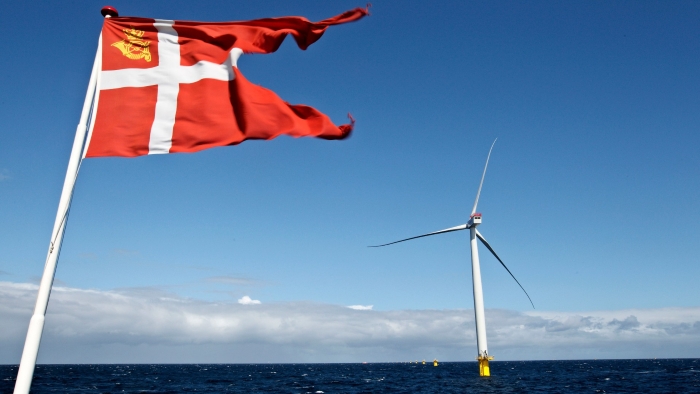
Denmark is widely recognised as a leader and trendsetter in green transformation. Copenhagen aims to become the world’s first carbon-neutral capital by 2025. Since 2014, the country has also been supporting Ukraine’s green transition, as diversifying energy sources reduces Russian influence. Through Ukraine–Denmark Energy Partnership Programme, Danish experts work directly with Ukrainian ministries, regulators, “Ukrenergo” and Gas TSO on energy efficiency, integration with European power markets, policy design and raising awareness. Denmark was also the first donor to the Ukraine Energy Support Fund.
Peculiarities of Danish Support
Denmark’s military support to Ukraine amounts to about EUR 9 billion since the full-scale invasion. According to Kiel Institute statistics, The country ranks first among donor countries by GDP share of support since the full-scale invasion.
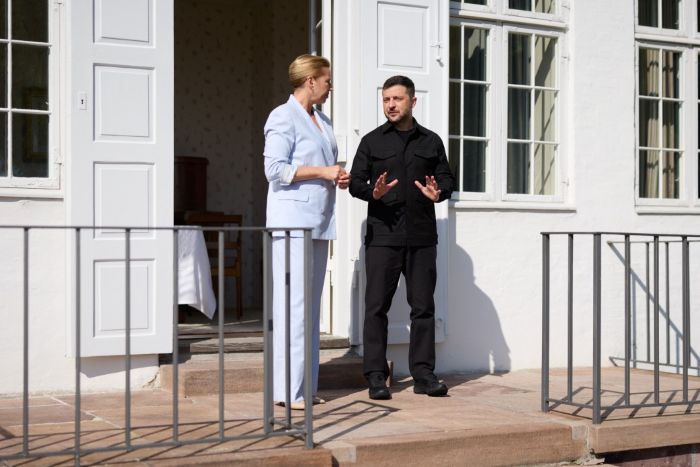
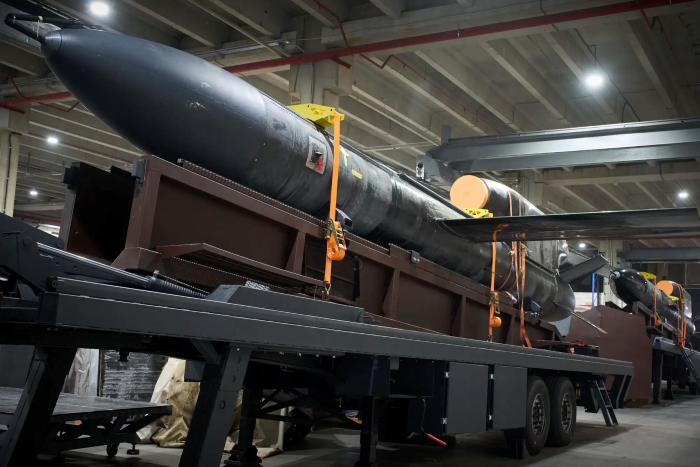
The Ukrainian cruise missile “Flamingo” was publicly presented for the first time on August 14, 2025. This innovation can strike targets at distances over 3,000 kilometres, and within a month the Ukrainian company Fire Point, which produces it, was included in Denmark’s defence infrastructure restriction suspension agenda. Earlier, during a meeting with Danish Prime Minister Mette Frederiksen in The Hague in June, President Volodymyr Zelenskyy announced that Ukraine and Denmark would launch joint production of long-range drones, which now play a decisive role in damaging the economic component of Russia’s war machine. The meeting in Marienborg on September 3 marked a new stage of this collaboration.
Conclusion
This Danish decision demonstrates that in the face of security threats, all necessary measures can be taken quickly and compromises are inevitable to strengthen European defence. Moving production abroad protects Ukrainian facilities from attacks, creates new safe workplaces, and ensures a two-way exchange of technologies. Denmark also objectively assesses the risk of escalation on the Baltic borders and prioritises its actions accordingly.
Daria Maslienkova