

Russian propaganda employs media personalities, influencers, and opinion leaders to further its aims. Often, these individuals are citizens of Western countries with large audiences who are sympathetic to Moscow.
We have analysed the activities of three pro-Russian media figures who are citizens of the United States. We have examined the messages they propagate, their possible motivations, and strategies for countering this propaganda.
“Ukraine has already lost” – the usefulness of former marine Scott Ritter to Russian propaganda
Former American intelligence officer Scott Ritter is known for his sympathies toward the Kremlin and his criticism of US policies. He frequently appears on Russian television as a “military commentator”. Moreover, Ritter is known for his predictions of the “swift collapse of Ukraine” and the “clear victory of Russia.” It is noteworthy that at the beginning of the full-scale war, he claimed that the National Police of Ukraine was responsible for the massacre in Bucha. Russian forces occupied the city in late February and March 2022. After Ukrainian forces regained control of Bucha in early April 2022, evidence emerged of mass killings and atrocities committed against civilians during the occupation.
Ritter also referred to US President Joe Biden as a “war criminal”.
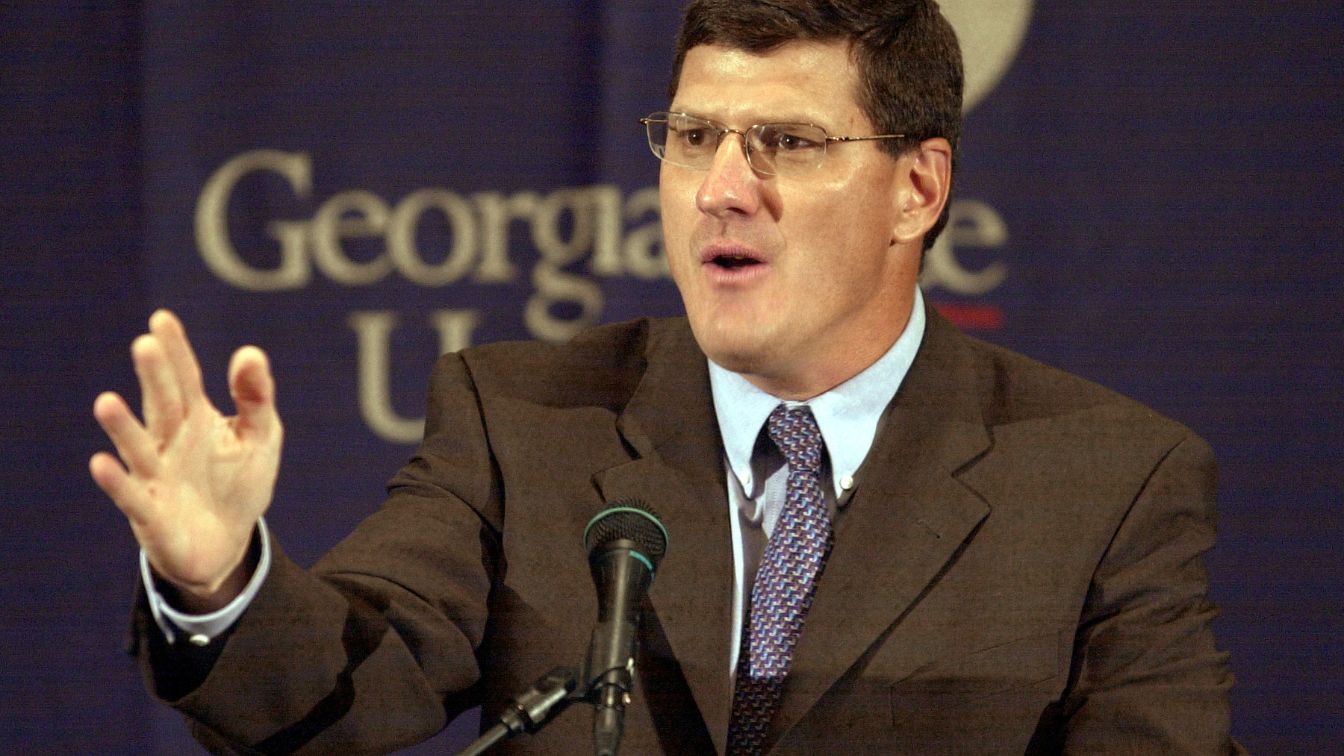
Russia finds Ritter valuable for advancing an ostensibly expert opinion into the Western media space. Consequently, his comments are predominantly broadcasted on international Russian channels such as RT and Sputnik.
In early 2024, Scott Ritter illegally entered the occupied territory of the Kherson region. There, he met with collaborator Volodymyr Saldo, whose agencies were later actively covered by Russian media.
In general, most of Ritter’s statements can be found primarily in Russian media resources. The most prevalent message he promotes for Russia is: “Ukraine cannot win the war”. This narrative aligns with rhetoric about the “separation of eastern regions” and “NATO involvement in the country’s combat actions”.
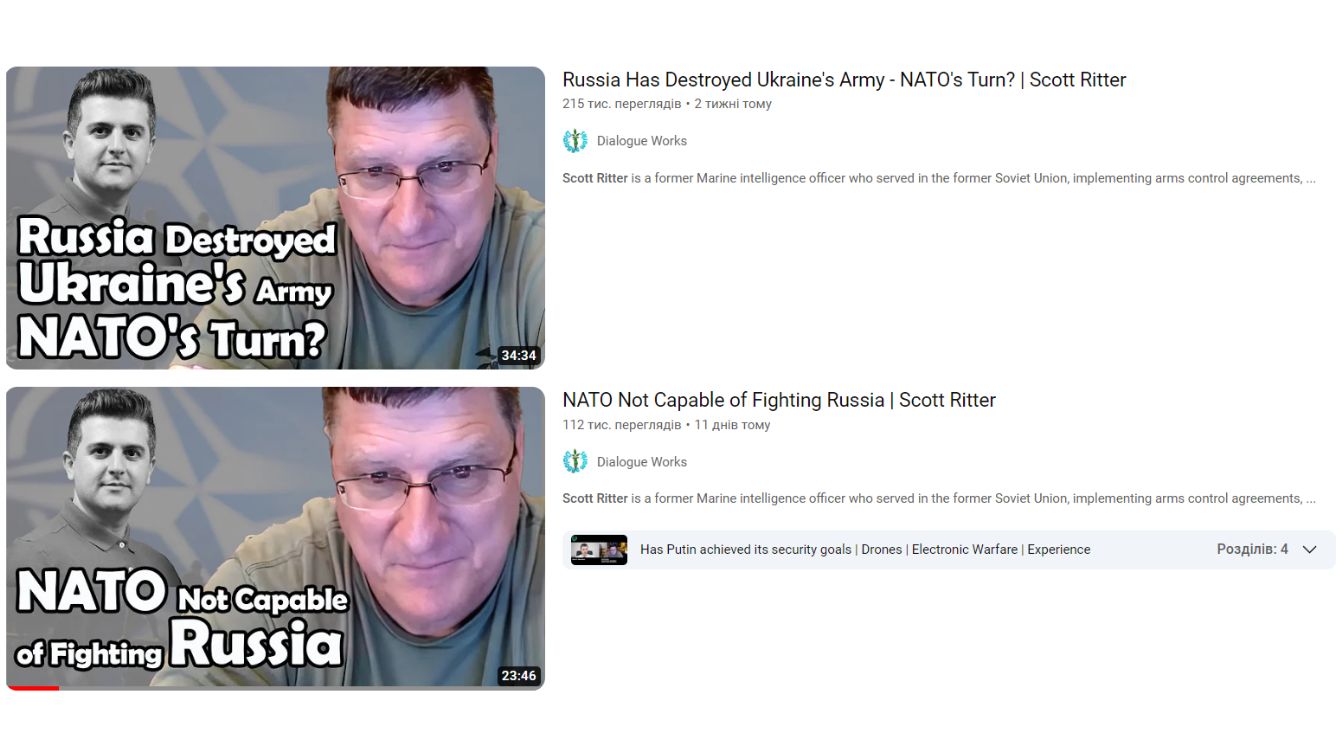
Russia needs propagandists like Scott Ritter for several reasons. First, it wants to fracture the unity of Ukraine’s allies by promoting a narrative of its “inevitable” defeat in the international information space. Second, it wants to disseminate such narratives to a mass audience.
Taras Zhovtenko, an analyst on international security and defence at the Democratic Initiatives Fund, believes that figures like Ritter create a convenient space for spreading disinformation:
“The primary task is communicating with the so-called ‘grassroots’ audience. That is, disseminating the necessary interpretation of certain events or even fabricated events to this audience. Typically, communication with such an audience is used in Russian propaganda to legitimise certain disinformation that Russia will subsequently disseminate officially”, – Zhovtenko notes.
Clearly, Ritter’s objective within the context of his activities is to undermine the West’s confidence in Ukraine’s military capability and to sow doubts about the need to continue providing support.
“War crimes in Ukraine” and the justification of Russia’s actions: how “war correspondent” Patrick Lancaster plays into propaganda
Blogger and influencer Patrick Lancaster has been actively interested in Ukraine news since 2014, following the annexation of Crimea. He actively covers events in the occupied territories of Donbas and gained prominence through his collaboration with Russian state media, including RT, “Zvezda,” and RIA “Novosti”.
His activities are often criticised for providing a one-sided view of events. Although the blogger claims that his materials are based solely on facts and evidence, many of his stories have been utilised by Russian propaganda.
Lancaster settled in occupied Donetsk, got married there, and even converted to Orthodox Christianity. He actively worked for Russian state-owned media outlets, including RT and “Zvezda”, covering the war in Donbas. Later, he began developing his own YouTube channel.
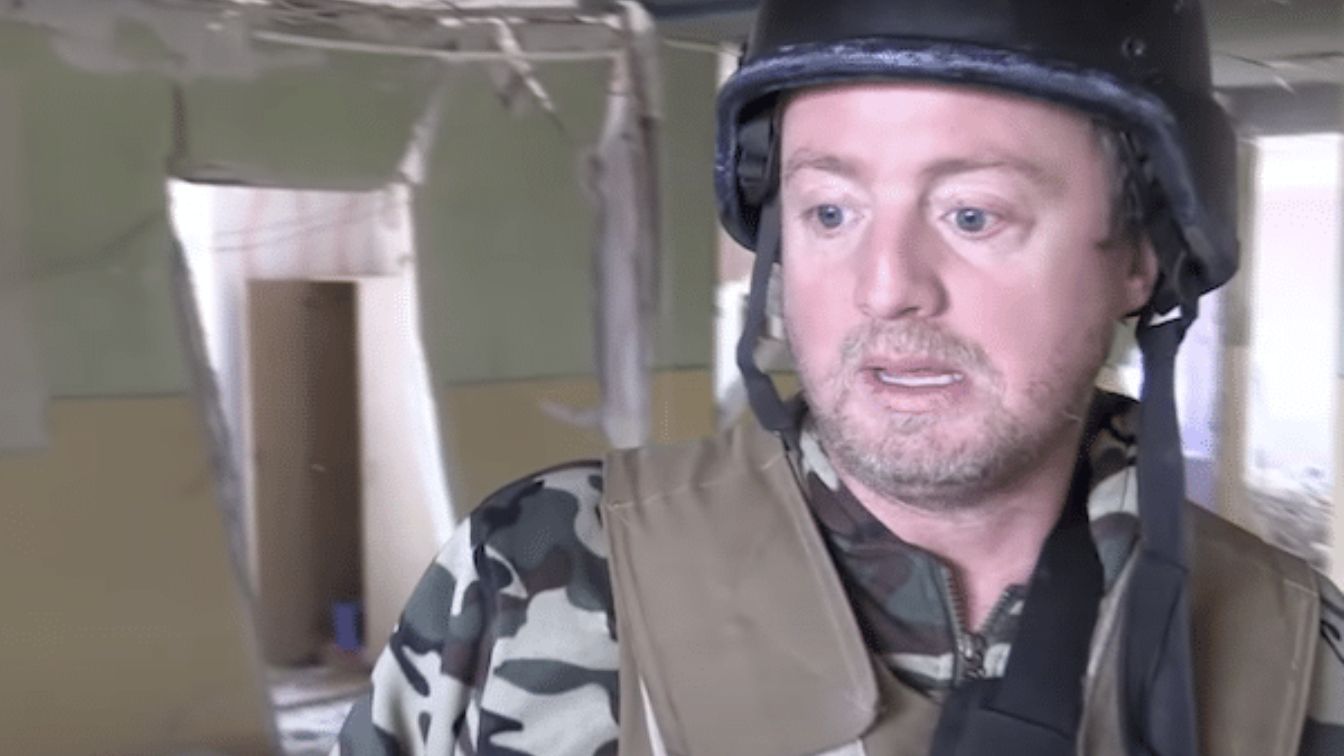
After the full-scale invasion, Lancaster’s audience significantly expanded. He has a large following on YouTube and other social media platforms, where he shares content from the occupied territories. His videos often feature Russian military personnel, and their thumbnails have an aggressive red colour. The blogger claims to be combating so-called fake news spread by Western media outlets like CNN and Reuters.
Among the main messages he promotes are:
- Accusations against the Ukrainian Armed Forces of attacks on civilians.
- Accusations against the “Azov” Battalion of killing civilians.
- Refutation of messages about Russian war crimes on Ukrainian territories.
Independent international organisations such as Human Rights Watch and Amnesty International have repeatedly reported that it is Russia that commits crimes against civilians in Ukraine. In his publications, Lancaster avoids analysing the military context and presents it in favor of Russia.
Russian propagandists have yet to find any factual evidence of the actions they label as “criminal” by “Azov”.
“The West tolerates Nazis who staged a coup in Ukraine”
There aren’t as many mentions in the media about American blogger and journalist Max Blumenthal as there are about Ritter and Lancaster. However, he has openly propagated Russian narratives for quite some time.
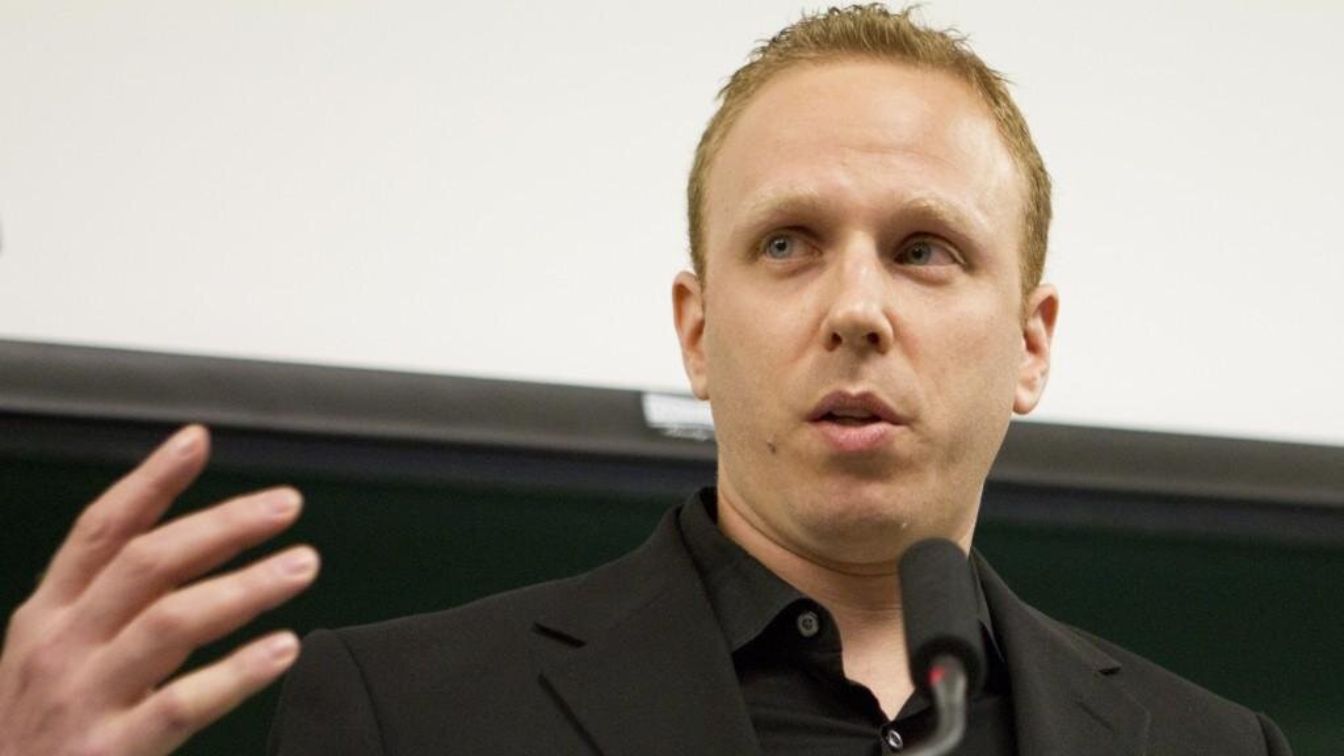
His publication, The Grayzone, is known for its heightened focus on dictatorial regimes. The publication either denies the use of chemical weapons in Syria, downplays the oppression of Uighurs in China, or discredits Israeli military forces by spreading fakes and manipulations. Some of his assertions criticise US policy, which Blumenthal portrays as “colonial and imperialist”.
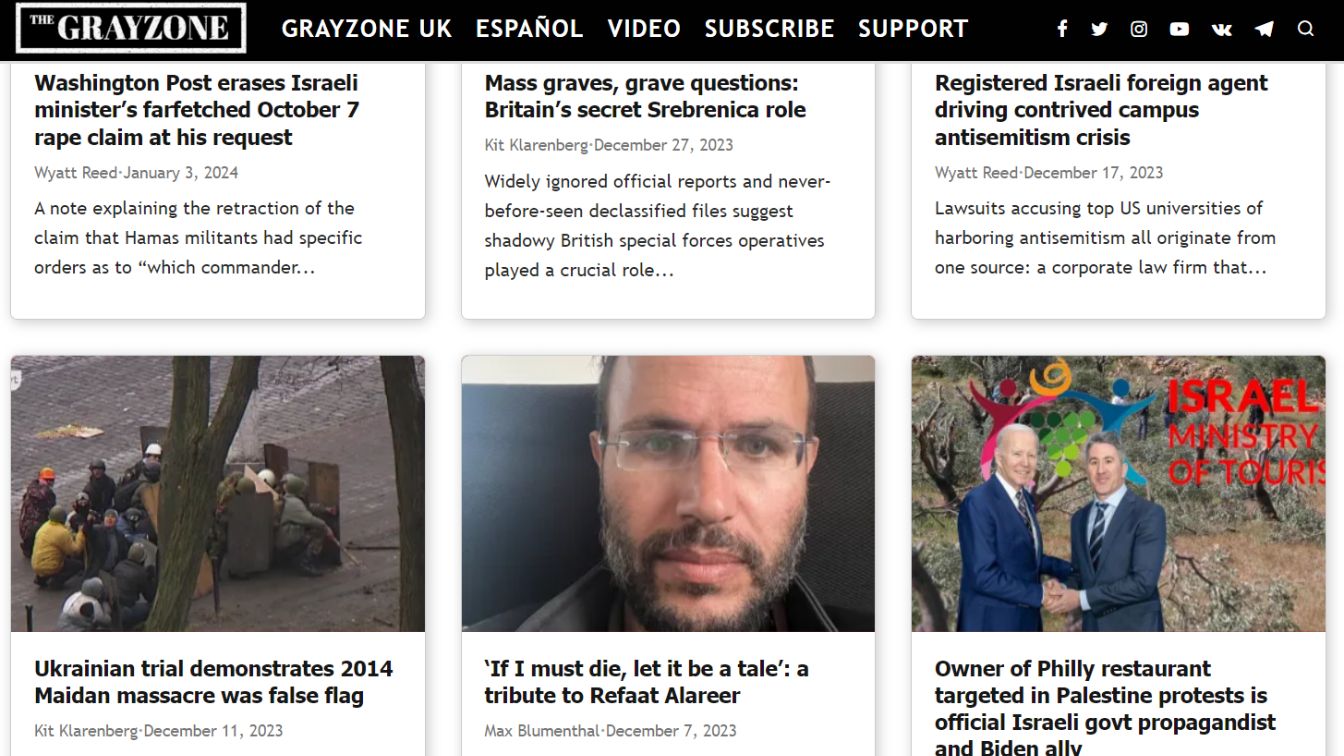
The war in Ukraine today has not escaped Blumenthal’s attention. Since 2014, he has echoed Russian rhetoric about “ultra-right radicals and neo-Nazis trying to seize power.” However, he became more actively involved in covering Ukrainian issues after the escalation of the war on February 24, 2022.
At the beginning of the invasion, media researchers from the Molfar group found that more than half – 55% – of Blumenthal’s posts and retweets about Ukraine conflict news were found to be fake. For example, he spread narratives about the sponsorship of Ukraine by the US and NATO and about “ethnic cleansing” occurring in the country.
Indeed, these narratives have hardly changed after over two years of full-scale war. Although publications about news from Ukraine now rank lower in quantity compared to those about Israel, The Grayzone continues to spread manipulations about “radical Nazis financed by the West.”
Such publication was about the Maidan. Several more concerned rallies took place in support of Ukrainian prisoners of war, where the publication’s authors allegedly saw Nazi symbolism on posters and flags.
Narratives about “Nazism” in Ukraine were popular in Russian propaganda at the beginning of the invasion in 2022. They aimed to reinforce the rhetoric of “genocide,” which sought to discredit Ukrainians in the eyes of Russians. The fact that Ukraine secured powerful support from the US and the EU continues to perpetuate the propagandist narrative that the “West sponsors ultra-right ideologies”.
Discrediting the USA and Shifting Focus
What unites the three individuals mentioned above is their criticism of US policy, which is yet another consistent message from Moscow. While Ritter tries to convince that the USA sponsors war crimes by “Nazis,” Blumenthal speaks of the West “provoking nuclear war.”
“The threat of a Third World War is a narrative spread on both sides of the Atlantic. Russian propaganda hits on the idea that supporting Ukraine will inevitably lead to a nuclear war with no winners. Consequently, this propaganda is fueled by political statements at various levels,” – explains analyst Taras Zhovtenko.
Financial gain or personal interest?
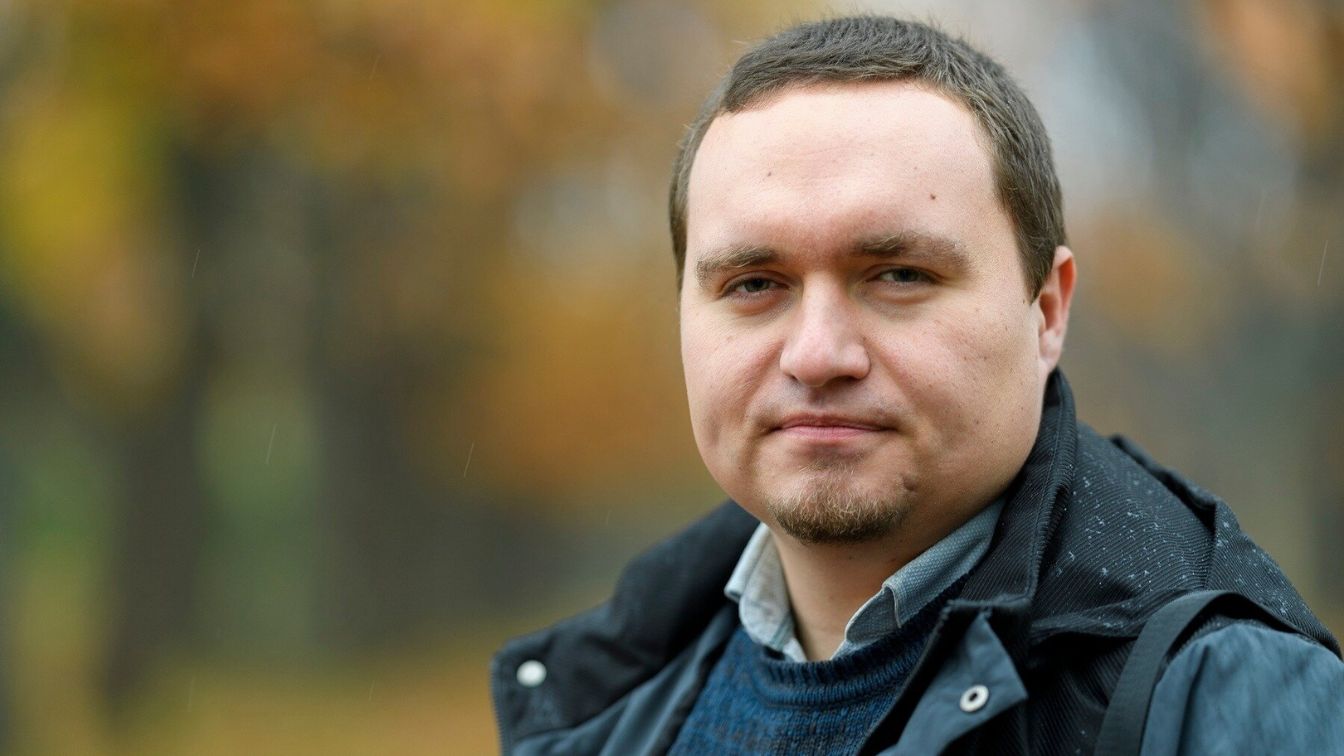
Political analyst and head of the Center for Analysis and Strategies (CAST), Igor Chalenko, believes that for many media personalities, Kremlin disinformation has become a business.
“Journalists and influential bloggers with American passports actively engage with millions of viewers. Many of them center their content around ‘hyped’ topics, aiming to earn and expand their influence. They target audiences with certain views, attempting to capitalise on popular trends to increase their popularity. For instance, criticising the White House for helping Ukraine can be used as a way to divert attention from domestic issues in the USA, presenting it as an attempt to camouflage internal shortcomings through foreign policy actions. Thus, by highlighting corruption in Ukraine, they may hint at similar problems in the United States, creating analogies and directing the discussion in a desired direction”, — explains the political analyst.
Another type of propagandist are politically engaged influencers who may hold radical views and do not support US policy.
“These politically engaged influencers are involved in campaigns against the current White House. It’s particularly interesting that these individuals appeal to the most radically inclined information consumers. And, of course, such messages often contain elements of conspiracy”, — adds Taras Zhovtenko.
The third type of propagandist consists of former emigrants who left Russia but continue to support the country’s policies and cooperate with agencies such as the FSB or GRU. Within such cooperation, they may execute specific “orders” and promote Russian narratives in Western society.
How Propaganda Messages Have Changed During the Full-Scale War
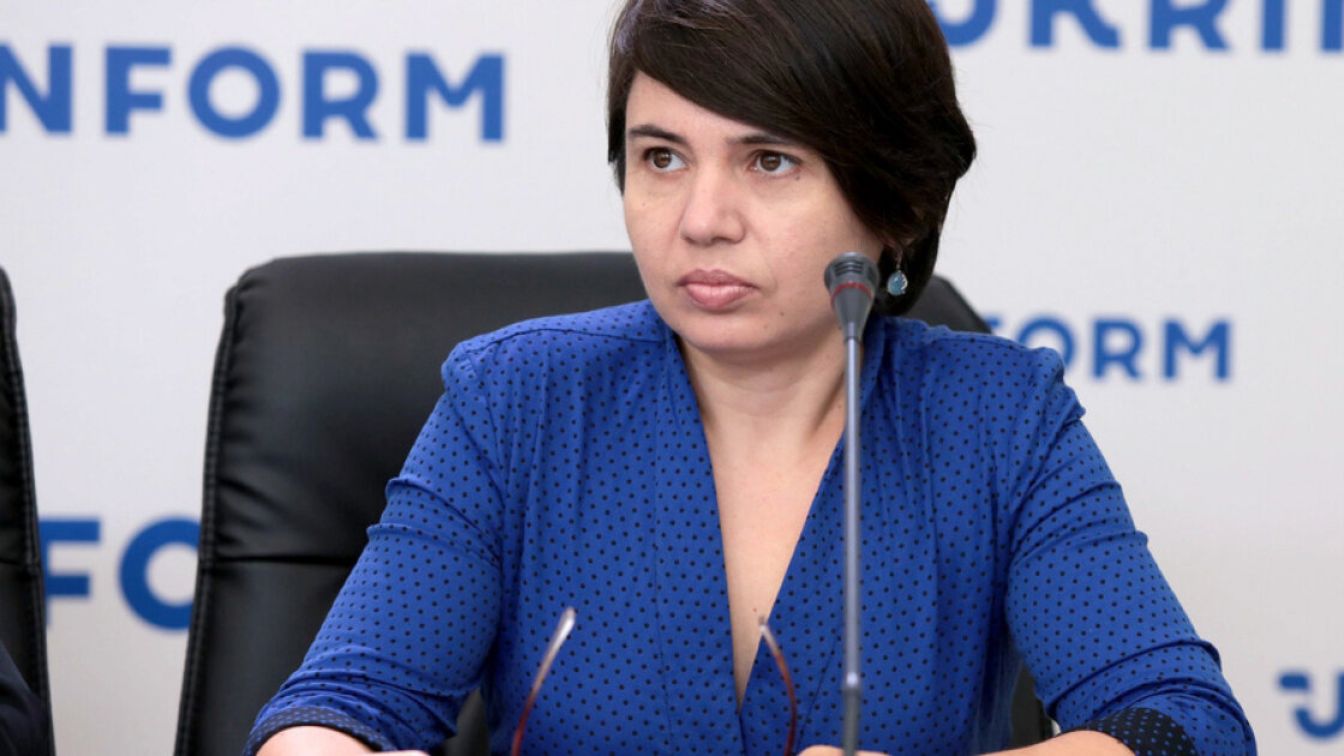
Media analyst at the Mass Information Institute, Olena Holub, explains that the goals of Russian propaganda have dramatically shifted since the beginning of the Ukraine war history. Initially, the messages targeted the internal audience, namely Russians. For instance, narratives about “Nazism” in Ukraine were popular in Russian propaganda at the start of the invasion in 2022. They aimed to reinforce the rhetoric of “genocide,” which sought to discredit Ukrainians in the eyes of Russians.
“But as the war didn’t end as quickly as hoped, Kremlin rhetoric has changed. It became clear that, besides the need to influence the internal Russian audience, there was an important strategy to influence the Ukrainian audience. At that moment, the sharp genocidal rhetoric disappeared, and the messages changed. For example, about how ‘Ukraine is a pawn of the West’ or ‘the Kyiv regime is ready to sacrifice Ukrainians to retain power”, — explains the media expert.
Individuals like Lancaster are used to confirming the “victims among the Ukrainian population” in the Russian media space. They are presented as “reliable sources on the ground.”
Moreover, the Russian media knows how to press on trigger issues. For instance, Blumenthal’s messages about the “Third World War” aim to spread fear and doubt about resisting Russia in the West.
Igor Chalenko adds that Russian propaganda always aims to polarise opinions, strengthening right-wing views to ultra-right and left-wing views to radical left. Overall, Russia finds support among left-wing circles dating back to the Soviet Union era.
“It’s no secret that the global leftist movement has a kind of anti-American flavour. Generations of people work directly with the Kremlin, particularly in the informational and cultural spheres,” – explains Igor Chalenko.
Strategies for countering propaganda
Experts emphasise that it’s practically impossible to eradicate Russian narratives from the Western media space completely. It should be a combination of measures aimed not only at combating fake news and disinformation but also at promoting one’s narratives.
It’s also crucial for Ukraine to maintain its visibility on the Western agenda. Currently, the focus of attention is shifting to other issues, such as electoral races in US and European Parliament or the issue of supporting Israel. Literally, Russia touches on topics that are trigger points for the Western public. And even these topics don’t exclude speculation on the subject of war. For instance, when talking about the elections in the USA, Russia promotes the “call” to stop supporting Ukraine, to which vulnerable audiences may respond at one point or another.
The Kremlin conducts an information war on various levels and appeals to different audiences. Accordingly, it invests significant resources to ensure that its supporters are not only in the state structures of other countries but also in the media. According to experts, Ukraine should do the same. Additionally, it should work not only in its own Western information space but also in the Russian one.
Dariia Podvyshenna