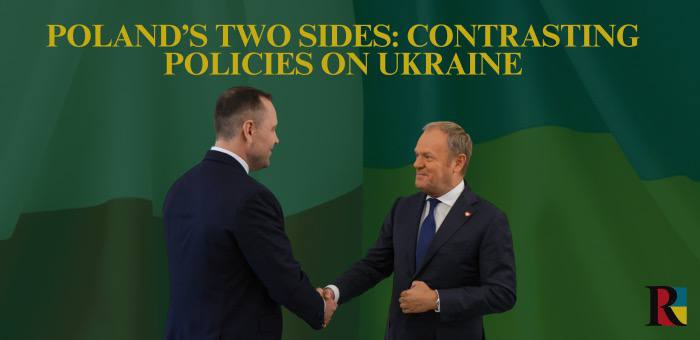


Two significantly different political power majorities in Poland often refer to Ukraine in their ideological confrontation. Polish government, lead by Donald Tusk, has taken a proactive stance on NATO security. By contrast, the new Polish President’s office has traditionally framed Ukraine in the context of national security, demographic risks and “historical issues”.
Deepening defence cooperation
The Polish government has acknowledged the need to receive training from Ukraine in countering Russian drones. After Russian Shaheds violated Polish airspace, Ukrainian President Volodymyr Zelenskyy offered Warsaw assistance and training to shoot them down. So, Ukrainian specialists train their Polish colleagues to combat Russian drones at a NATO centre in Poland, Foreign Minister Radosław Sikorski said. In an interview with the German newspaper Frankfurter Allgemeine Zeitung he added that Poland and NATO allies should consider the possibility of neutralizing Russian targets in Ukrainian airspace. Also, he emphasized that Ukraine has the most valuable experience in such operations.
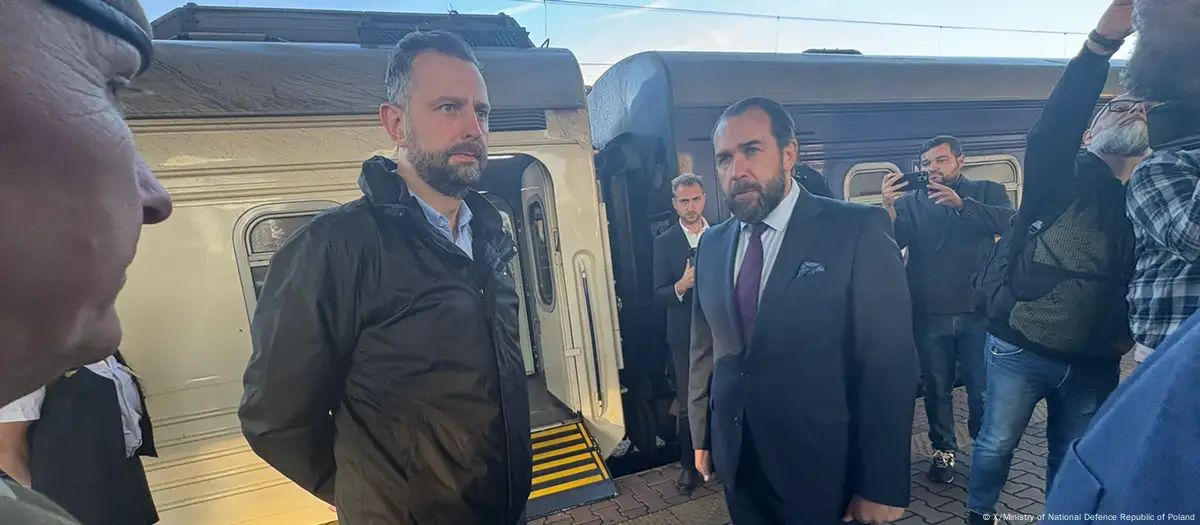
On Thursday, September 18, Polish Vice Prime Minister and Minister of Defence Władysław Kosiniak-Kamysz arrived in Kyiv with a delegation. Special attention is being given to military assistance, exchange of experience and coordination in the security field.
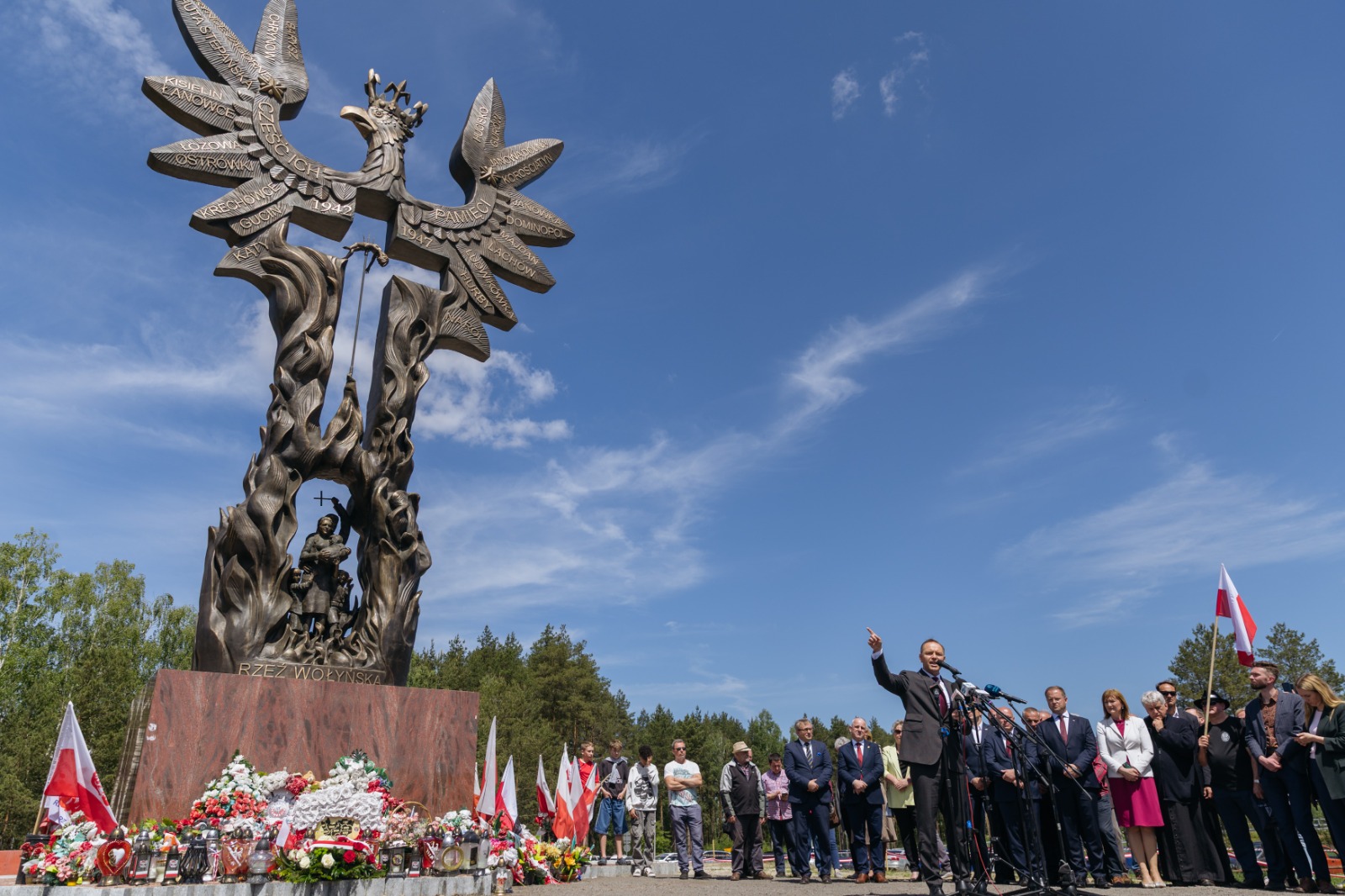
Historical tensions and refugee issues
Historical disputes and questions about refugees have been amplified in right-wing narratives, distracting attention from security threats. After Zelenskyy congratulated Karol Nawrocki on his election victory, the new Polish President responded:
Poland has been Ukraine’s strongest supporter against Russian aggression; no other nation understands this threat more than we do. I hope we will continue to work together for the common good, to settle the unsettled past and build a safe future together.
Soon after, however, Nawrocki stated that Ukrainians in Poland are sometimes treated better than Poles themselves, particularly in healthcare and social payments. In his inauguration speech, he referred to “the war beyond Poland’s border” without naming the countries directly. This approach was reflected in his initial veto—later reversed—of a bill providing assistance to Ukrainians.
Conclusion
Following recent Russian hybrid attacks on Poland, the country faces heightened risks, making intensified cooperation with Ukraine essential. During his visit to Kyiv, Defence Minister Władysław Kosiniak-Kamysz stressed that Poland’s security line runs along Ukraine’s front line, pointedly addressing his ideological rivals at home. He again highlighted the idea that the Polish army must learn from the Ukrainian one.
While historical disagreements continue to be discussed at the level of historians, the overriding priority now is to secure a shared future.
Daria Maslienkova