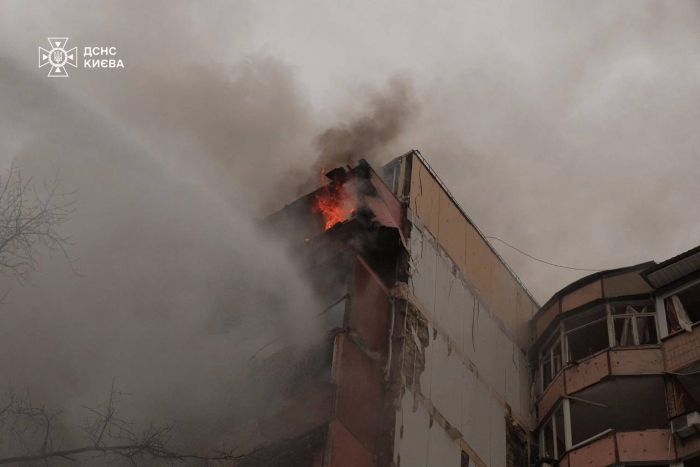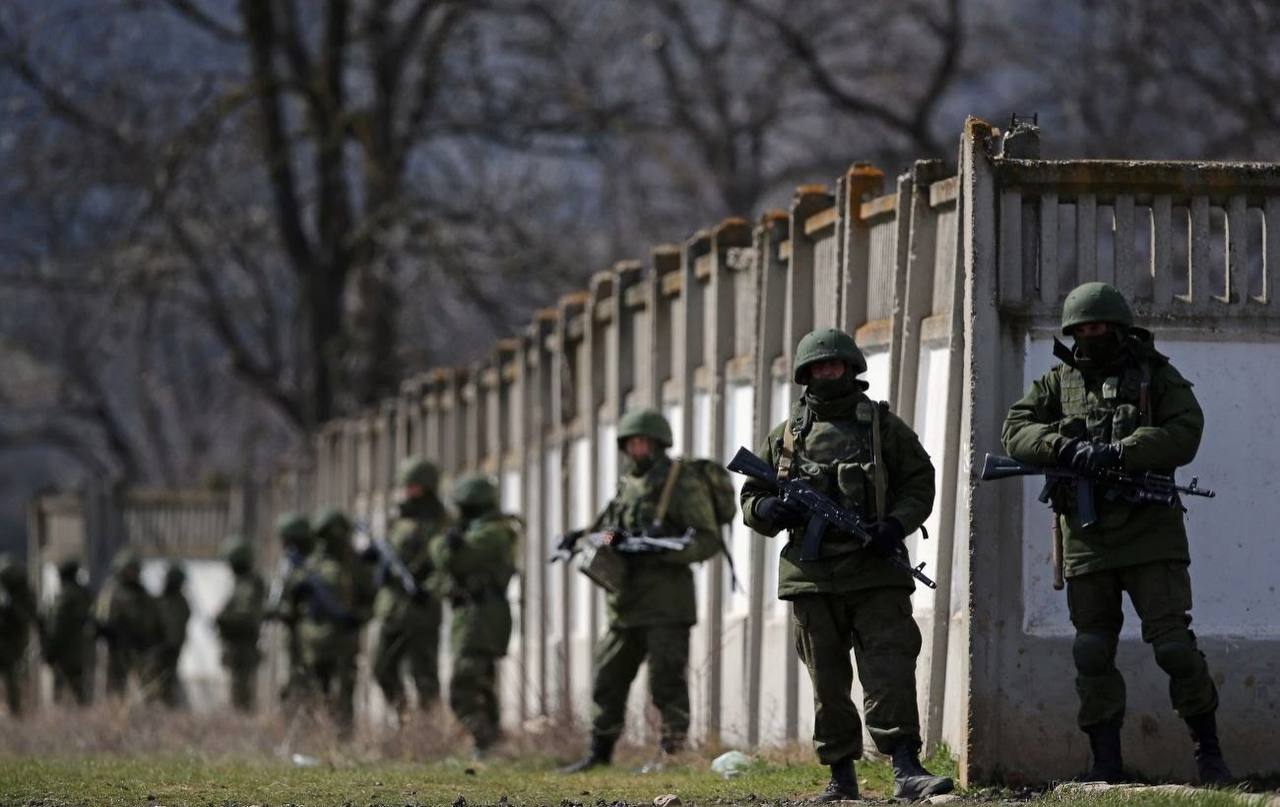


After nearly four years of full-scale war, Russia has repeatedly crossed the boundaries of international humanitarian law, committing war crimes against Ukraine’s civilian population. One of the latest instances of this occurred in the border village of Hrabovske in the Sumy region, where Russian forces forcibly removed 52 civilians to Russian territory on December 20. These individuals were primarily elderly residents who had refused to leave their homes despite previous evacuation warnings from Ukrainian authorities.
The situation has sparked widespread outrage both in Ukraine and abroad. Russia has provided a list of the removed individuals, who are currently located in a Russian frontline region; however, their relocation and subsequent detention raise serious concerns among human rights advocates. The Ukrainian side insists that, regardless of formal explanations, such actions are illegal. Kyiv is demanding the immediate return of its citizens, emphasizing that the forcible transfer of civilians is strictly prohibited under international humanitarian law.
Hrabovske: Coercion Without Evacuation
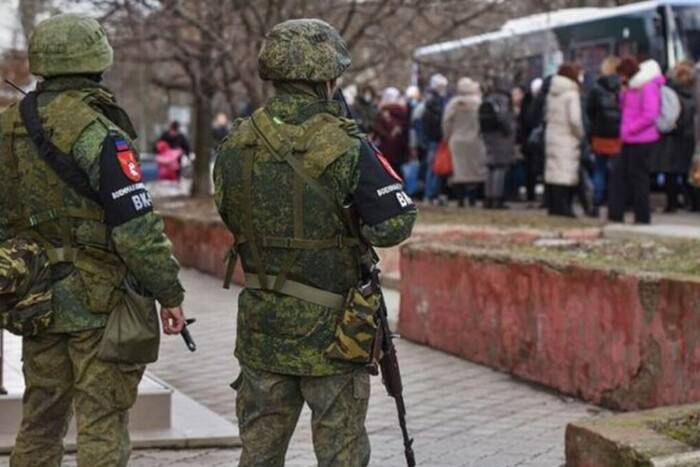
The village of Hrabovske, part of the Krasnopillia hromada, is situated just a few hundred meters from the Ukrainian-Russian border. On the day of the incident, Russian troops entered the settlement and gathered local residents inside a church. According to Ukrainian media reports, most were elderly people who had remained in the village despite ongoing shelling and danger, either unable or unwilling to evacuate.
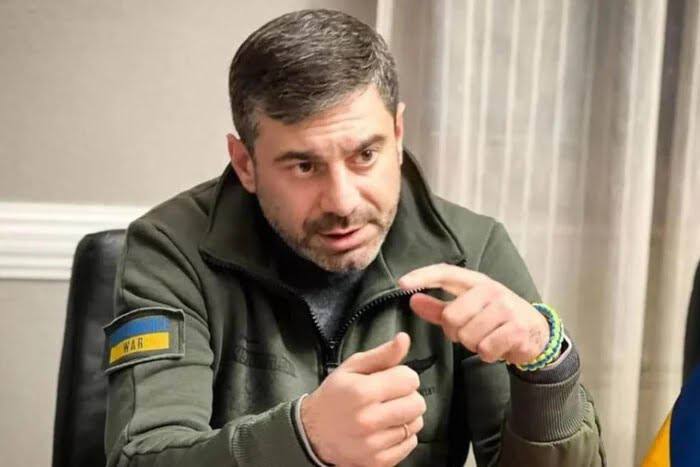
Following this, the civilians were taken to the Russian Federation without explanation or any legal procedures. Subsequently, the Russian side provided Ukraine with a list of the individuals and disclosed their current location. According to Dmytro Lubinets, the Ukrainian Parliament Commissioner for Human Rights, no formal charges have been brought against them.
“Currently, they are in one of the frontline regions of the Russian Federation. They are there as civilians. We received an official response stating that there are no restrictions regarding them. I have urgently contacted Moskalkova (Tatyana Moskalkova, the Russian Human Rights Commissioner) to have them physically returned to the territory of Ukraine,” Lubinets stated.
Nevertheless, Ukrainian authorities emphasize that even in the absence of formal restrictions, the act of transporting people across the border without their consent constitutes a flagrant violation of international humanitarian law and is classified as the forcible transfer of a civilian population.
A Systemic Practice, Not an Exception
The incident in Hrabovske is not an isolated event. It fits into a broader practice that Russia has employed since the beginning of the full-scale invasion. Ukrainian and international human rights organizations have repeatedly documented the forced removal of civilians from the temporarily occupied territories of the Kherson and Zaporizhzhia regions—specifically to Crimea or deeper into Russia. For instance, in 2025, the Crimean Human Rights Group documented at least 103 cases of abduction and transfer of civilians from the Kherson and Zaporizhzhia regions to Crimea, where they are held in pre-trial detention centers or prosecuted in illegal criminal cases.
Often, these actions are disguised as “evacuations,” despite the total absence of the key element of voluntariness. According to human rights defenders, this allows these actions to be characterized not as humanitarian measures, but as a systemic practice of violating the Geneva Conventions.
The international community, human rights organizations, and governments are increasingly calling for the accountability of those resorting to such coercion, as well as the establishment of mechanisms to return displaced persons to their homes.
For Ukraine, this issue is not only legal but also moral: society demands the return of every citizen and safety guarantees for peaceful residents who have been put at risk by the aggression.
Conclusion
The events in Hrabovske vividly demonstrate that the civilian population is increasingly becoming a direct target of Russian military tactics. The forced transfer of people across national borders is not a side effect of combat operations but a deliberate tool of pressure. Formal statements about a “lack of restrictions” do not negate the fact of illegal deportation.
For Ukraine, every such case serves as grounds for international legal assessment and demands for accountability. For the world, it is further evidence that the war against Ukraine is being waged not only on the front lines but against peaceful people. The story of Hrabovske serves as a reminder: behind every news report are real lives that must not become bargaining chips in war.